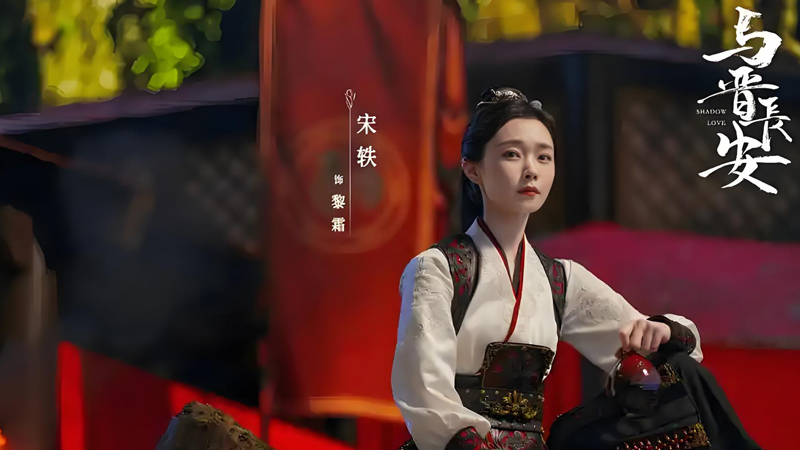
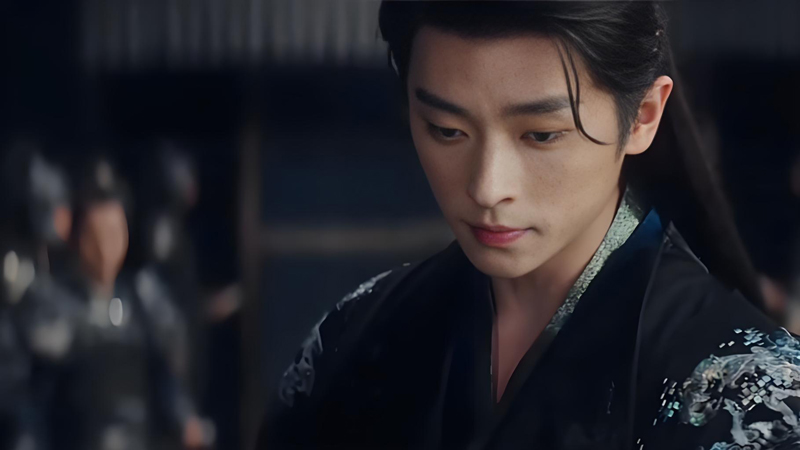
The finale of the romantic fantasy drama Shadow Love (与晋长安) has sparked heated discussions among viewers, not for its grand romantic resolution, but for its perplexing character arc for the female lead. The series, starring Song Yi (宋轶) and Cheng Lei (丞磊), follows the story of a formidable female general whose identity and autonomy are systematically dismantled, all in the name of love. This narrative choice has left many audiences questioning the underlying message it sends about female empowerment in contemporary historical fantasies.
A Warrior's Diminishment
For the overwhelming majority of the series, Song Yi's character, General Li Shuang (黎霜), is a respected and capable military leader. She commands troops, strategizes in battle, and embodies strength and resilience. Her identity is firmly rooted in her duty to her country and her prowess as a warrior. The audience invests in her journey as a powerful woman navigating the complexities of war and political intrigue within the kingdoms of Yao (姚) and An Nan (谙南王).
However, the narrative takes a sharp turn in the final act. After being captured in battle by Duan Aodeng (段敖登), her gradual shift from prisoner to love interest begins. Despite a brief period of harsh interrogation, she is soon placed in a gilded cage, afforded comforts and becoming entangled in a romantic dynamic with her captor. This setup initiates the erosion of her autonomy, reducing her from a general to an object of affection.
The climax of her degradation arrives when, upon returning to her homeland of Da Jin (大晋), she is met not with honor but with political betrayal. Her past achievements are instantly forgotten by the court, which demands her execution for a single strategic failure. Perhaps most frustrating for viewers is her passive acceptance of this fate, offering no defense and willingly walking to her supposed death, her agency completely stripped away.
Problematic Storytelling
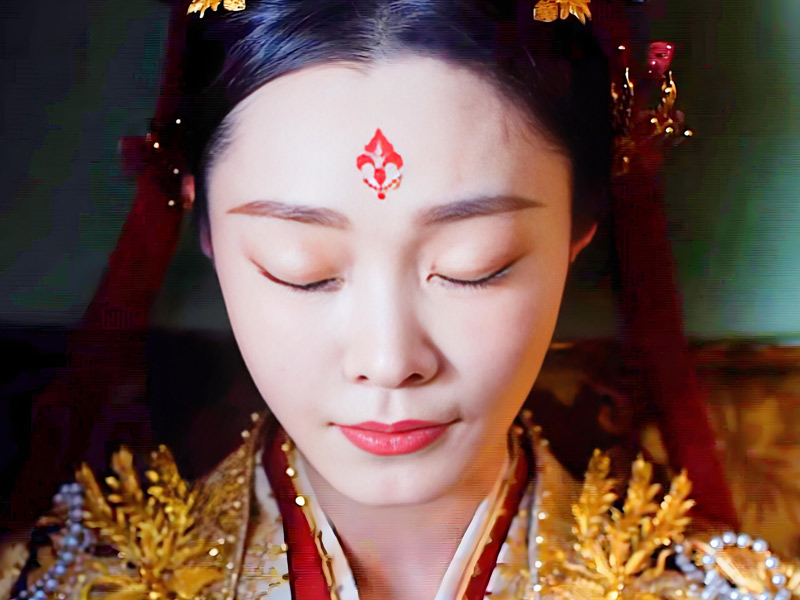
The drama's internal logic begins to crumble under the weight of its desired romantic conclusion. The execution order itself feels contrived, a flimsy plot device solely engineered to force Li Shuang out of her role as general. The male lead, having regained his memories yet choosing silence, and the second male lead's sudden change of heart to administer a fake-death poison, all serve one master: the predetermined happy ending.
Further adding to the narrative chaos is the baffling posthumous title of Empress bestowed upon a general, a move that makes little sense within the established power structures and feels like a careless attempt to grant her a final, albeit irrelevant, honor. The ultimate resolution sees the couple abandoning their respective responsibilities to roam the world freely, a conclusion that fundamentally betrays the heroine's established character and life's work.
This finale exposes a deeply regressive core. The series meticulously builds a compelling, powerful woman only to systematically dismantle her—taking her family, friends, military title, and national ambitions—all to reduce her to a woman who can be with a man. The message is clear: her greatest achievement is not her service to her country, but her successful participation in a romantic relationship.
Outdated Tropes
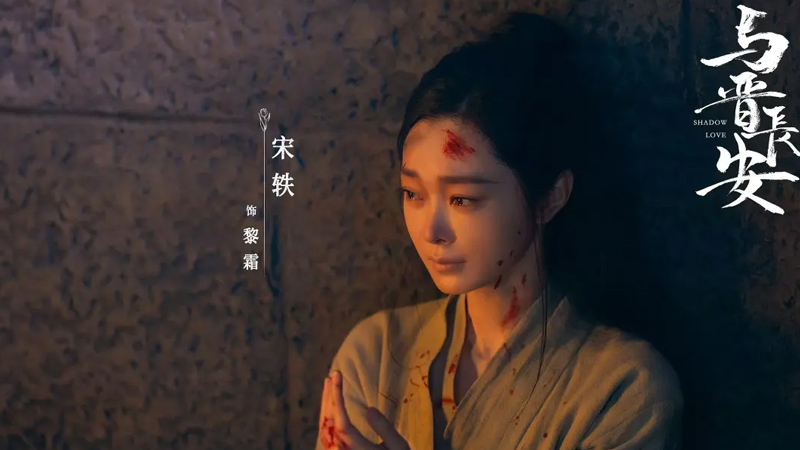
This narrative is not merely disappointing; it is an antiquated trope that feels out of place in modern storytelling. The character of the Yao Kingdom's Empress Dowager further highlights this issue. Her motivation is reduced to a single-minded, psychotic obsession with gaining the Emperor's love, mirroring the worst cliches of jealous female antagonists from dramas past.
Even more concerning is the scene where Li Shuang confronts the Dowager in prison, and their conflict is framed around which of them has experienced "true love." This reduction of a powerful confrontation to a debate over male validation is a severe misstep, undermining any potential for meaningful commentary on power or morality.
Furthermore, defenses of Song Yi's casting, suggesting a general can be "slender and cute," ignore the practical realities of military command that the show itself initially seemed to respect. While fictional, the complete abandonment of believability for romance weakens the entire narrative structure. Modern audiences increasingly reject stories where a woman's entire purpose is sublimated for a man, especially when she is presented as a "greatfemale lead". Shadow Love ultimately becomes a cautionary tale about how not to write a female warrior, prioritizing a conventional romance over a truly revolutionary character.