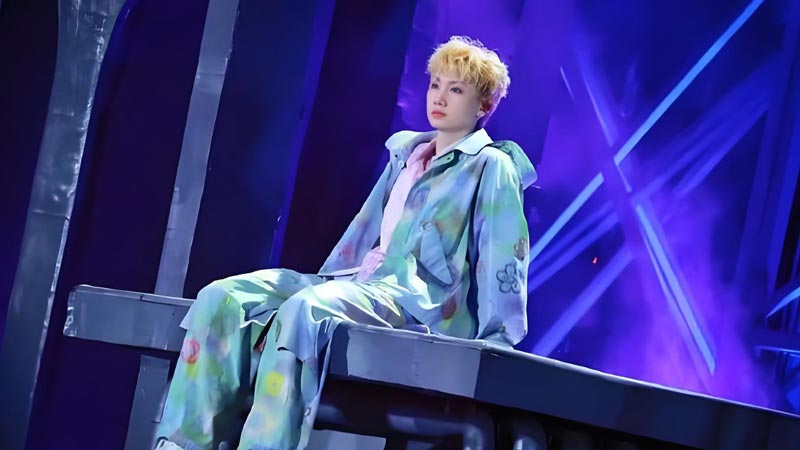
The recent copyright dispute between singers Wang Sulong (汪苏泷) and Zhang Bichen (张碧晨) over the song Nian Lun (年轮) has reignited an older, more complex debate: allegations that the popular television soundtrack plagiarized the classic game theme Die Lian (蝶恋). This renewed scrutiny places two beloved musical pieces from different eras of Chinese entertainment under an uncomfortable spotlight, forcing fans and professionals alike to confront difficult questions about inspiration, originality, and the fine line between homage and theft in music composition. The controversy transcends a simple copyright clash, touching upon industry practices, legal definitions, and listener perception in the digital age.
The Resurfaced Controversy
Allegations that Nian Lun copied Die Lian are not new. First voiced in 2015 when Nian Lun served as the haunting insert song for the massively popular drama The Journey of Flower (花千骨), the claims initially gained little traction. However, the spotlight returned fiercely following the highly publicized dispute between Wang Sulong and Zhang Bichen regarding the official vocal rights to Nian Lun. This clash propelled the song back into trending topics, inadvertently dragging the old plagiarism accusations along with it.
The catalyst for the renewed debate was a fan-made comparison video circulating online. This video employed a split-channel technique, playing sections of Die Lian and Nian Lun simultaneously through the left and right audio channels. The effect was startling, revealing what many listeners perceived as an undeniable melodic overlap, particularly in the verses. This visual and auditory evidence transformed subjective feelings of similarity into a seemingly objective demonstration shared widely across social media platforms.
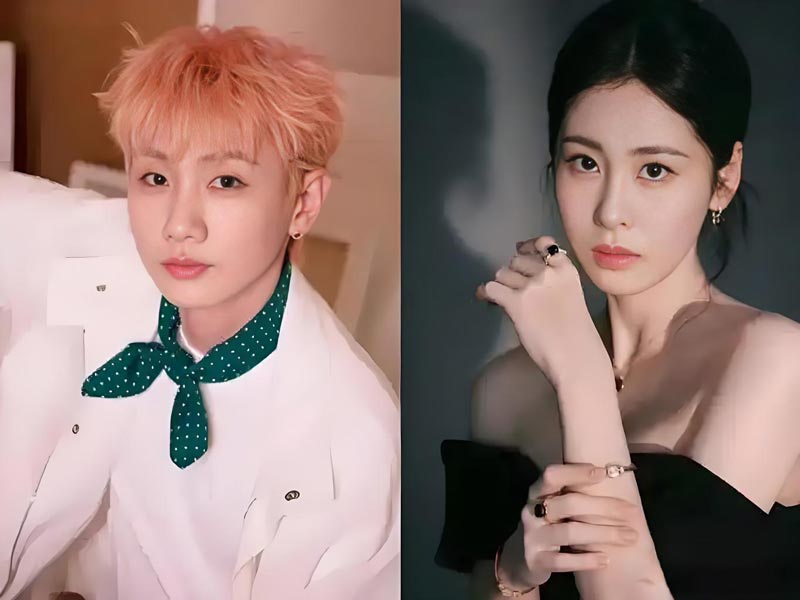
Proponents of the plagiarism claim quickly bolstered their argument with more technical evidence. They presented digital sheet music analyses purporting to show that the first eight bars of both songs' main verses shared near-identical melodic contours and rhythmic patterns. Some analyses quantified this similarity at over 90%. Critics also revisited past interviews where Wang Sulong made ambiguous statements about the primacy of a song's appeal over originality concerns, interpreting these as tacit admissions or a dismissive attitude towards potential copying.
Dissecting the Similarity
The core of the dispute hinges on the striking resemblance in the opening melodic phrases of both songs. Listeners and technical analyses point to the first eight bars of the verse sections in Die Lian (composed by Huang Yunling and Zhong Xingmin for the 2009 online game Xian Jian Online) and Nian Lun (solely credited to Wang Sulong for The Journey of Flower in 2015) as the primary area of contention. The melodic sequence, note progression, and rhythmic structure align so closely that playing them together creates a harmonious blend, suggesting more than mere coincidence to many ears.
However, defenders of Nian Lun offer counterarguments rooted in music theory and common practice. They argue that Chinese pop music frequently relies on well-established chord progressions and melodic motifs. Sequences like the ubiquitous 4536251 chord progression or short melodic cells like "2362" are standard building blocks within the genre. They contend that the similarity observed falls within the realm of shared musical vocabulary rather than deliberate theft. Furthermore, they highlight significant differences beyond the contested eight bars, especially in the choruses, and note the distinct instrumental arrangements: Die Lian leans heavily on strings for its ethereal game soundtrack feel, while Nian Lun uses piano and prominent vocals for its dramatic television impact.

The legal perspective adds another layer of complexity. Music copyright infringement typically requires proving substantial similarity, often interpreted legally as consecutive sections (frequently cited as eight bars) being virtually identical. While the fan analyses claim this threshold is met, a formal legal determination would require expert musicologists and potentially a court. This technical standard often clashes sharply with public perception, where listeners may deem songs "the same" based on overall feel or recognizable snippets, leading to a significant gap between popular outcry and legal defensibility.
Industry Echoes and Unanswered Questions
The controversy surrounding Nian Lun underscores systemic vulnerabilities within the film and television music production chain. Production companies often select songs based solely on the final demo presented, prioritizing fit for the scene and immediate appeal. Music production companies, under tight deadlines and focused on client satisfaction, may inadequately screen compositions for potential similarities to existing works. This disconnect creates fertile ground for future copyright disputes like this one.
Compounding the issue are ambiguities in copyright registration and platform labeling. Furthermore, inconsistent labeling practices on major streaming platforms (QQ Music and NetEase Cloud Music) regarding "original singer" credits during the Wang-Zhang dispute fueled public confusion and mistrust, making it harder for audiences to discern factual ownership and authorship.

As of now, the controversy hangs in the air. Neither Wang Sulong nor his representatives, nor the copyright holders of Die Lian, have issued formal public statements addressing the specific plagiarism allegations. The absence of an official response from either side leaves fans debating fiercely online, relying on fan analyses and historical interviews. Without a clear statement or a formal, credible musicological assessment commissioned by relevant parties, the question of whether Nian Lun crossed the line from inspiration to infringement remains officially unanswered, though it has already sparked significant reflection within the music community.
Regardless of the eventual outcome, the Nian Lun or Die Lian dispute serves as a potent cautionary tale. It highlights the intense pressure on creators within a fast-paced, hit-driven industry where the demand for instantly appealing music can sometimes overshadow meticulous due diligence regarding originality. It underscores the critical need for clearer standards, more robust verification processes during music production for visual media, and greater transparency from platforms in crediting and labeling. Ultimately, the controversy reminds everyone involved – creators, producers, publishers, and platforms – that respecting creative origins is paramount, even amidst the relentless pursuit of the next big hit.