
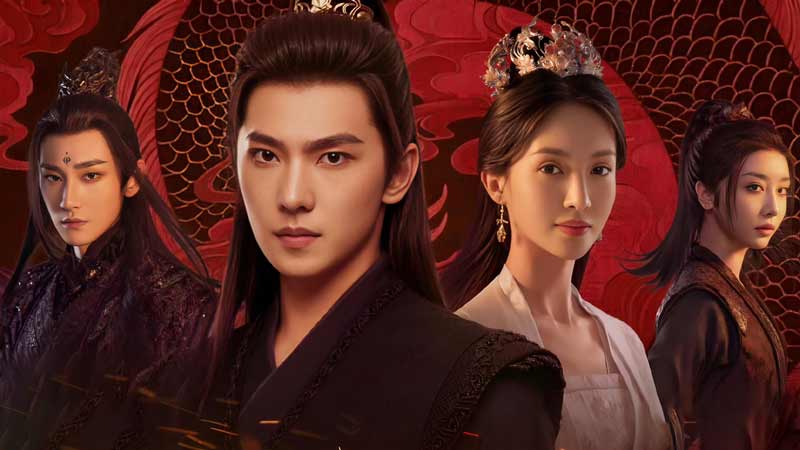
Two years after Yang Yang's (杨洋) widely criticized performance in Fireworks of My Heart (我的人间烟火), audiences approached his latest project with cautious hope. The adaptation of The Immortal Ascension (凡人修仙传) promised redemption—a revered Xianxia novel breaking records globally, adapted into a well-received animated series. Yet this live-action version squanders its legacy through unimaginative execution. Despite dominating viewership charts, the drama reveals fundamental flaws in translation from page to screen, with Han Li's (韩立) journey becoming a case study in missed opportunities.
Surface-Level Replication
The series mistakes replication for reverence. Scenes mirror the animation shot-for-shot, including Doctor Mo's training sequences and early cultivation trials. This approach ignores fundamental differences between mediums: what works in animation feels laborious in live-action. The first episode fixates on Han Li's village ritual—five minutes devoted to flatbread preparation evoking A Bite of China (舌尖上的中国) visuals without narrative purpose.
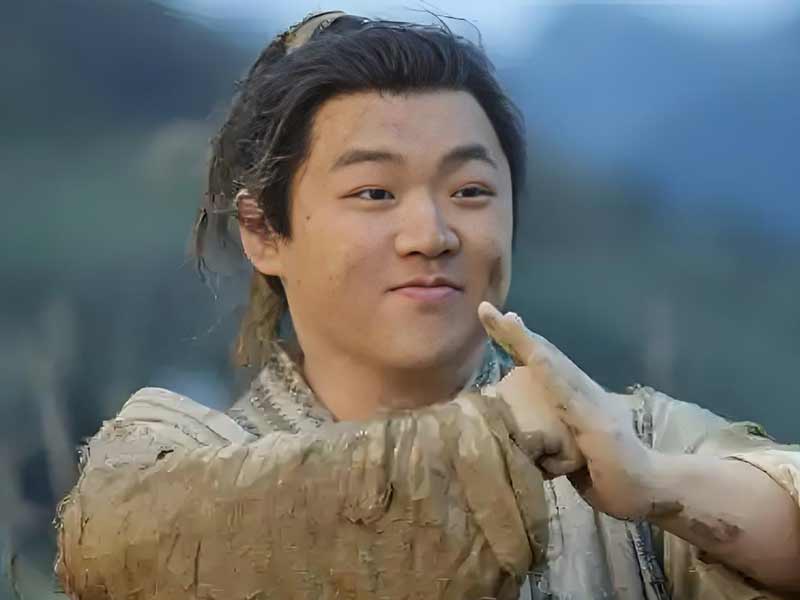
Pivotal moments suffer from baffling brevity. The Seven Mystics Sect entrance trial concludes abruptly after establishing its stakes. When Han Li and childhood friend Zhang Tie (张铁) become Doctor Mo's disciples, their training montages repeat without progression. Yang Yang's physique becomes the focal point rather than character development.
Modifications worsen the problem. Expanding Doctor Mo's household to four wives and three daughters creates nonsensical subplots. A previously emotional moment—Han Li discovering Zhang Tie transformed into puppet Tie Nu (铁奴)—loses impact when the actors differ visibly in stature. The adaptation simultaneously copies too much and alters the wrong elements.
Compromised Core Narrative
The essence of Han Li's appeal lies in his "mortal" struggle—an ordinary man overcoming cosmic odds through perseverance. The drama undermines this by presenting him as a preordained chosen one. While Zhang Tie endures brutal Xiangjia Gong (象甲功) training, Han Li advances effortlessly through medicinal baths. His rapid mastery of healing and combat skills contradicts the novel's central theme of earned achievement.
Relationships fare worse. Mo Caihuan's (墨彩环) betrayal of her family for Han Li lacks the animated version's established motivation, reducing her actions to blind faith. The encounter with Chen Qiaoqian proves particularly jarring. After rescuing her from treacherous fiance Senior Brother Lu, the drama excises their chemically induced intimacy—a pivotal character moment. Instead, Han Li inexplicably erases her memory after merely resisting her advances.
These narrative shortcuts create emotional voids. When critical developments occur off-screen or through exposition, viewers lose the protagonist's perspective. The tension between mortal limitations and immortal ambition—the story's heartbeat—fades into background noise.
Production Deficiencies
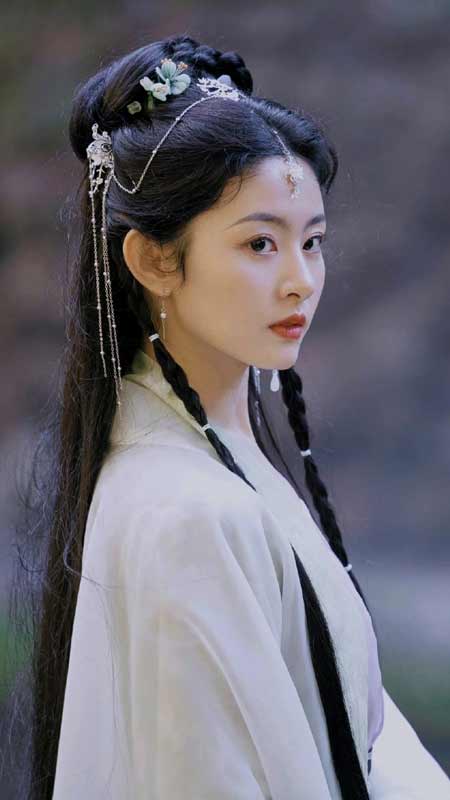
Beyond script issues, technical execution falters. The Yellow Maple Valley—described as an architectural marvel housing spiritual beasts and grand halls—appears as sparse soundstages lacking scale. This visual paucity extends to costume design, where intricate Hanfu details give way to generic robes.
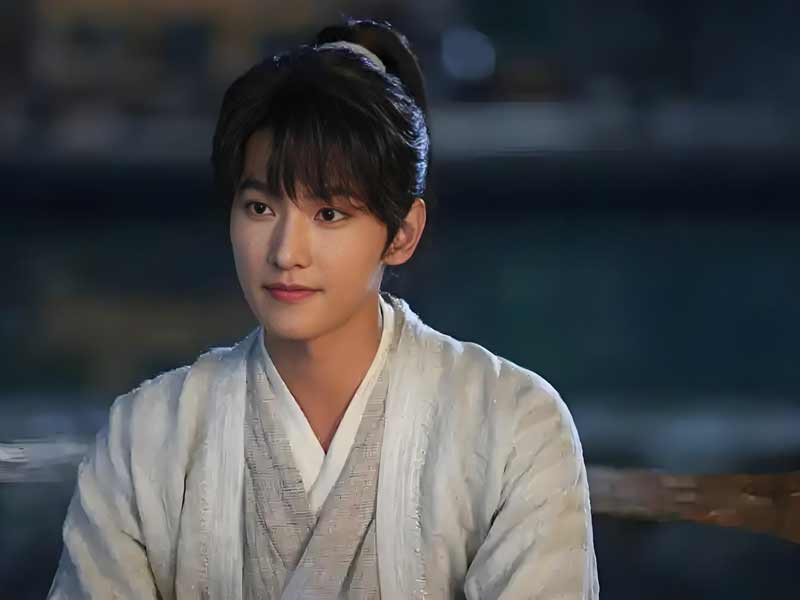
Casting choices compound these problems. While Yang Yang physically resembles his animated counterpart, his performance fluctuates between wooden detachment and exaggerated expressions. Jin Chen (playing key antagonist Nangong Wan) faces consistent criticism for line delivery mismatching her character's gravitas.
Pacing remains chronically uneven. An entire episode expands a minor transitional scene, while significant battles conclude abruptly. The constant narrative gear-shifting—from rushed plot points to bloated filler—fatigues viewers rather than building momentum.
Broken Expectations
The Immortal Ascension offered unique potential: a protagonist defined by strategy over destiny, reflecting real-world struggles through fantasy. This adaptation reduces its complexity to checklist filmmaking—borrowing the source material's skeleton without understanding its soul.
When creators prioritize IP recognition over narrative integrity, audiences receive hollow spectacles. The drama's commercial success against critical panning reveals a troubling industry pattern. For Xianxia adaptations to evolve, production teams must recognize that immortal tales require mortal effort—a truth this project sorely forgot.
