Article
Search results:
-
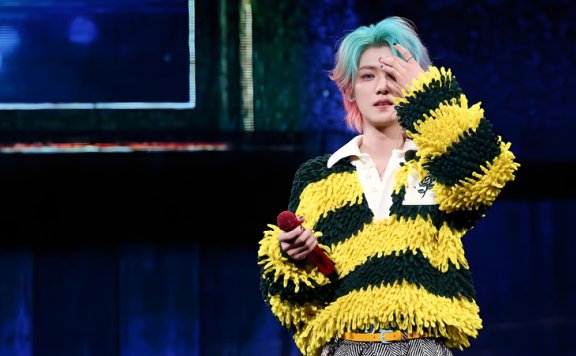
Why Did Lu Han's Dinosaur Headpiece in Zhengzhou Captivate Everyone?
In a bustling shopping mall in Zhengzhou, Lu Han (鹿晗) recently stunned onlookers by sporting a giant white dinosaur skeleton headpiece, turning a casual outing into a viral sensation that highlighted his playful charm and genuine nature. The Dinosaur Surprise On that day in Zhengzhou, Lu Han's outfit was simple: a black T-shirt, loose jeans, and white sneakers, embodying a relaxed, boy-next-door vibe. But it was the oversized dinosaur headpiece that stole the show, covering most of his head while revealing glimpses of his striking blue-green hair, rumored to be for an upcoming concert. His calm expression amidst the absurdity created a perfect "contrast cute" moment, instantly melting hearts and flooding social media feeds. Fans weren't surprised—Lu Han has always embraced whimsy, shunning the typical idol persona in favor of spontaneous fun. This incident underscored his ability to blend ordinary life with extraordinary flair, making everyday adventures feel magical. Despite the headpiece's bulk, Lu Han navigated the crowded mall with ease, showcasing his down-to-earth attitude. The scene wasn't just about fashion; it reflected his core philosophy of living authentically, free from artificial constraints. His choice to wear such an eye-catching accessory in public signaled a refreshing break from celebrity norms,… -
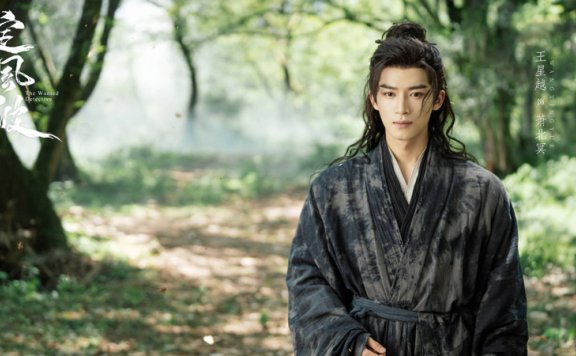
The Wanted Detective: Unraveling the Haiya Conspiracy
In the political labyrinth of Da Qi (大亓), Imperial Investigator Xiao Beiming (萧北冥) walks a razor's edge. His pursuit of the elusive assassin Yesha (夜煞) leads not to a final confrontation, but to a chilling discovery: every clue points back to the brutal Haiya Massacre. Why does Yesha, responsible for countless deaths, consistently spare Xiao Beiming? This central mystery drives the captivating narrative of the historical drama The Wanted Detective (定风波). As Xiao delves deeper, guided by fragmented evidence and the cryptic last words of the doomed Huang Wuchang (黄无常) – "Truth lies in Haiya" – he uncovers a conspiracy reaching the highest echelons of power, forcing him to question his own forgotten past and the true nature of the killer haunting him. Orphans of Haiya Huang Wuchang’s dying declaration isn't just a clue; it's a key unlocking a tragic legacy. He reveals himself as a Haiya orphan, saved by Yesha after witnessing the massacre that claimed his family. His life became one of vengeance, mirroring others marked by that horrific event – figures like the fiercely loyal Zhu Yitie (朱一铁). They share a singular, dangerous purpose: retribution at any cost. Xiao Beiming realizes Yesha isn’t merely an assassin; he’s… -
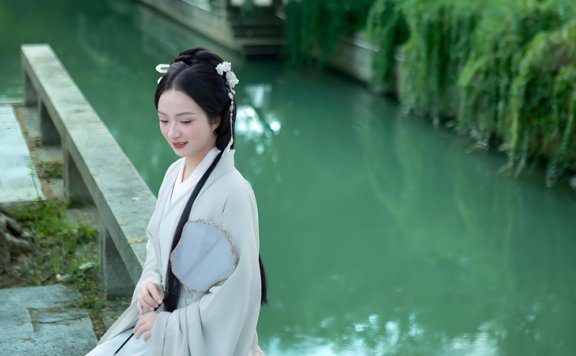
The Cultural Connotation and Future of Hanfu
Once confined to museum displays and historical dramas, traditional Chinese attire now flows through city streets worldwide. This isn't costume play—it's a cultural homecoming. Hanfu, the umbrella term for China’s pre-17th-century clothing systems, has leapt from ancient scrolls into contemporary wardrobes. Young designers, historians, and everyday enthusiasts weave threads of millennia-old aesthetics into modern life, creating wearable poetry that honors heritage without sacrificing relevance. The movement transcends fashion; it’s a tactile dialogue between dynastic splendor and digital-age identity, reshaping how generations connect with their roots. Echoes in Every Stitch Hanfu’s brilliance lies in its architectural diversity, mirroring China’s philosophical shifts across eras. The structured solemnity of Zhiju (直裾) robes from the Ming Dynasty speaks of Confucian order, while the Tang Dynasty’s wide-sleeved, high-waisted Ruqun embodies an open, cosmopolitan golden age. Song Dynasty silhouettes favored subtle elegance—cross-collared jackets paired with flowing skirts reflecting scholarly refinement. Each cut, from the curved-hem Quju (曲裾) to the horse-faced pleats of Mamianqun (马面裙), encodes dynastic values in fabric. Beyond aesthetics, these designs solved practical needs. Wide sleeves circulated air in humid summers, layered robes insulated against northern winters, and silk’s natural temperature regulation made it ideal for varied climates. The precision of symmetrical cutting (typically… -
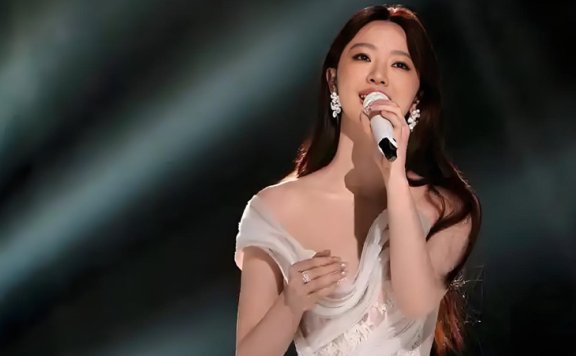
Singer 2025: When Shan Yichun's "Loss" Became Her Greatest Win
When Shan Yichun (单依纯) didn't claim the champion's trophy on Singer 2025's finale night, a collective sigh of relief rippled through the audience. This unexpected outcome became the most authentic victory in her evolution from competition prodigy to genuine artist. The season, plagued by lackluster lineups, copyright-limited song selections, and visibly exhausted contestants like GAI who openly expressed frustration, stumbled toward its conclusion. What remained in public memory weren't musical triumphs, but viral moments: viewers mocking "untalented" idols, host Shen Mengchen nervously avoiding the phrase "sounds bad" on air, and judge Hu Haiquan's awkward "perfect harmony" comment about Shan Yichun and Wang Leehom's duet. The championship, once held by legends like Na Ying (那英), had transformed into a burdensome token—devoid of prestige yet potent enough to ignite three days of trending backlash for any recipient. The Crown That Crushed All eyes had initially crowned Shan Yichun the predetermined winner. Her reputation preceded her: a The Voice of China (中国好声音) champion who dominated that competition with such effortless brilliance that mentors dreaded facing her. Her renditions consistently topped music charts, revitalizing the show. Even notoriously harsh critic Ding Taisheng (丁太升) hailed her as "a gift to the Chinese music scene." Her… -
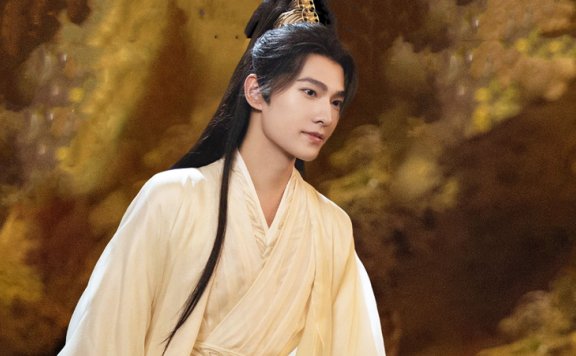
Mortal's Immortality Journey: Natural and Tech Faces Clash
The fantasy drama The Immortal Ascension (凡人修仙传), starring Yang Yang and Jin Chen, dominates streaming charts with its breathtaking scenery and spellbinding combat sequences. Praised by state media for its profound exploration of self-discovery through cultivation, the show's meticulously choreographed fights and dazzling special effects set a new standard for the genre. Yet amidst this visual feast, a discordant element emerges: the jarring presence of actresses whose altered facial features disrupt the very Xianxia essence viewers crave. Their performances, while competent, are overshadowed by the unnatural appearance that pulls audiences out of the immersive world. Technology Face 1. Jin Chen (金晨) Jin Chen portrays Nangong Wan (南宫婉), a character described as possessing noble elegance and devastating beauty. While her fight sequences are executed with impressive precision and she captures a certain aloofness fitting for a senior disciple, her physical presentation becomes an unintended focal point. An unnaturally sharp chin and sunken cheeks contrast sharply with the character's envisioned lush, majestic beauty. Distracting viewers further, an asymmetry in her mouth becomes noticeable during speech and expressions. This disconnect transforms what should be a character inspiring awe into one that provokes unintended scrutiny, diminishing the intended impact of Nangong Wan's ethereal presence.… -
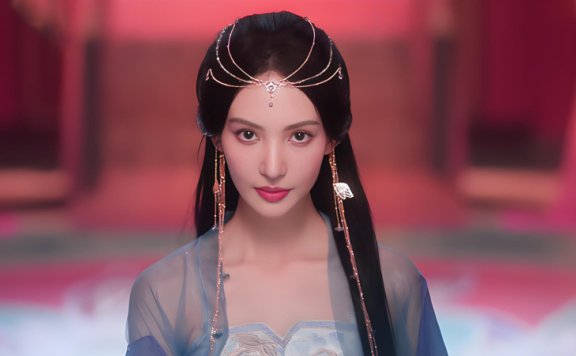
Jin Chen's Headdress: Reviving Ancient Chinese Beauty?
When Jin Chen (金晨) appeared wearing a beaded forehead ornament during a performance, audiences were stunned. Many declared this the perfect visual realization of Nangong Wan (南宫婉) from the popular fantasy series The Immortal Ascension (凡人修仙传). The delicate strands of beads, shimmering as she moved, sparked fascination. Was this intricate accessory authentically Chinese? What was its historical name and origin? This piece, evoking a blend of traditional elegance and exotic charm, represents a fascinating chapter in the evolution of Chinese adornment, challenging simple narratives of cultural borrowing. Echoes of Ancient Headwear This style of headwear, featuring strands of beads or gems draping across the forehead, finds roots deep within Chinese history. Archaeological evidence points to similar ornaments existing during the Warring States period, possibly earlier. Scholars identify it as a type of Yingluo (璎珞), a term broadly encompassing decorative netted or strung jewelery. More specifically, historical records and artifacts suggest names like Luosuo (络索), Lianshu (帘梳), and Weiji (围髻). Luosuo originally meant "cord" or "rope," evolving to describe hanging decorative elements. Song Dynasty poetry references golden Luosuo ornaments, while texts like the Southern Song Suijin (碎金) explicitly list it under headwear. Lianshu, evidenced by Song Dynasty artifacts, likely combined a functional… -
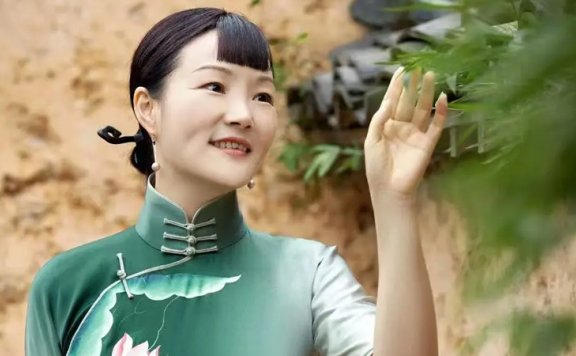
Is Your Qipao Truly Yours? The Art of Custom-Made
That iconic silhouette gliding through a room – the high collar, the figure-skimming lines, the subtle sway of the hem – instantly evokes the Qipao. But achieving that effortless grace often hinges on one crucial factor: customization. Off-the-rack options promise instant style, yet the true magic, the perfect marriage of fabric and form that celebrates the unique wearer, lies in the bespoke journey. Why does custom-made elevate the Qipao from mere garment to personal statement? Let’s explore the profound differences that make custom tailoring the secret to unlocking timeless elegance. Crafting Perfection The journey of a custom Qipao begins not with a pattern, but with you. Precise measurements form the foundation, meticulously translated into a unique draft pattern. This initial template isn't the final word; it’s the starting point for refinement. Master artisans analyze posture, body contours, and movement, meticulously adjusting the draft lines to ensure the garment not only fits flawlessly but feels like a second skin. Comfort is paramount alongside aesthetics. This draft evolves into a toile – a prototype crafted from inexpensive fabric – worn for a crucial fitting session. Here, under the discerning eye of the tailor, every nuance is assessed: how the fabric drapes across… -
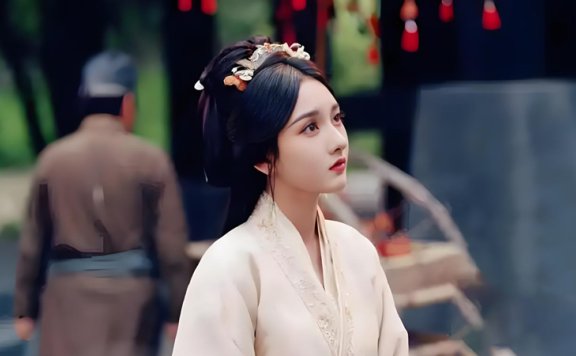
How Hanfu's Empty Spaces Create Living Poetry
Hanfu whispers where Western fashion shouts. This ancient Chinese attire reveals its genius not through ornate excess but through deliberate emptiness—inviting wind, light, and human grace to complete its design. Like a scroll with unpainted mist or a melody’s resonant pause, Hanfu transforms wearers into collaborators with nature. Its flowing sleeves and undyed linens become canvases for shifting sunlight and passing breezes, proving restraint holds more power than saturation. This philosophy of purposeful absence—Liubai (留白)—turns clothing into living art, where the unsaid speaks loudest. Colors Borrowed from Earth and Sky Forget laboratory dyes. Hanfu hues emerge from dawn skies, mossy stones, and autumn forests. Moonlight White isn’t stark but hazy—like fog on rice paper. Stone Blue mirrors rain-soaked cliffs, softened by centuries. Ocher glows like sunset-warmed clay. These colors reject artificial vibrancy, instead echoing landscapes. A plain white skirt in a gingko grove becomes gold-streaked when leaves pirouette onto its folds. Fabric doesn’t dominate; it adapts. Wind paints temporary patterns, shadows add depth, and seasons dictate palettes. Hanfu wearers don’t just dress—they carry fragments of the living world. This harmony extends beyond pigments. Linen and hemp breathe with the wearer, their muted tones shifting under sunlight like river currents. A… -
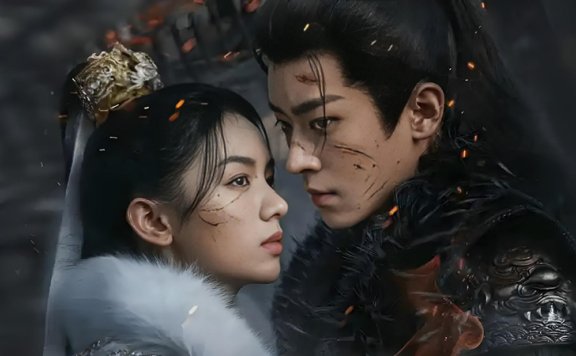
Feihong General: Hidden Conspiracy in Legend of The Female General
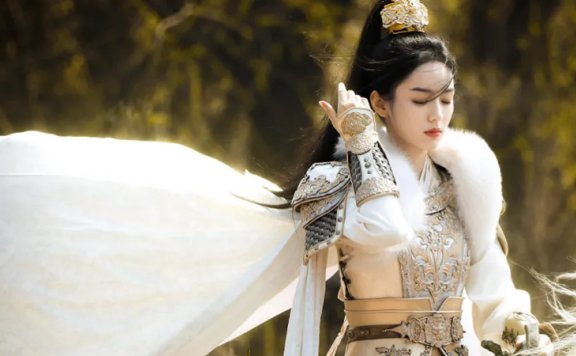
The revelation echoes through the military camp: He Yan (禾晏) is the legendary Feihong General. For Xiao Jue, the discovery cracks open a past buried in betrayal and reshapes his understanding of the woman standing before him. Their shared history, marred by the tragic annihilation of the Xiao family army, is suddenly illuminated by the sinister truth – a web spun by He Rufei (何如非) and the powerful Xu Jingfu (徐敬甫). As this long-hidden conspiracy unravels, it forces confrontations, ignites forbidden feelings, and pushes the conflicted Chu Zhao (楚昭) towards a desperate edge, his carefully laid plans crumbling alongside his unrequited love for He Yan. Blood and Betrayal The truth of the Xiao army's destruction is a wound ripped open. He Rufei, driven by a poisonous ambition to reclaim the Feihong title, conspired with the scheming minister Xu Jingfu. He deliberately suppressed critical pleas for help, ensuring He Yan arrived too late to save the doomed troops at Jinyang. This calculated treachery made him Xu Jingfu's pawn. He Rufei believed he had eliminated all threats, never imagining He Yan would survive the river after her desperate ploy against enemy forces, nor foreseeing that his coveted title would become his own… -

Colors of Hanfu: Stories Woven in Ancient Hues
The crimson robes shimmer like liquid sunset, azure silks hold captured mist, and golden threads pulse with imperial legacy. When Hanfu flows, it's not merely fabric in motion; it's a millennia-old chromatic saga whispering secrets of the East. Each hue, meticulously extracted from roots, leaves, and blossoms, carries profound narratives of status, season, and spirit, woven into the very warp and weft of Chinese civilization. Far more than aesthetic choices, these colors formed a silent language – a vibrant lexicon where every shade spoke volumes about the wearer's place in the cosmic and social order. Today, as this ancient attire experiences a renaissance, the timeless palette of Hanfu continues to captivate, bridging dynasties past with the bold expressions of modern style. Crimson No color resonates deeper in the Chinese soul than crimson. Revered since the Shang and Zhou dynasties, this potent hue symbolized supreme nobility and auspicious fortune. It pulsed at the heart of life's most sacred ceremonies. Imagine heavy silk blazing with China Red, embroidered golden phoenixes and peonies dancing on phoenix coronets and ceremonial capes. Sunlight catching intricate Pan Jin embroidery creates a regal shimmer reserved for emperors and empresses. Beyond the bridal chamber, crimson commanded reverence in… -
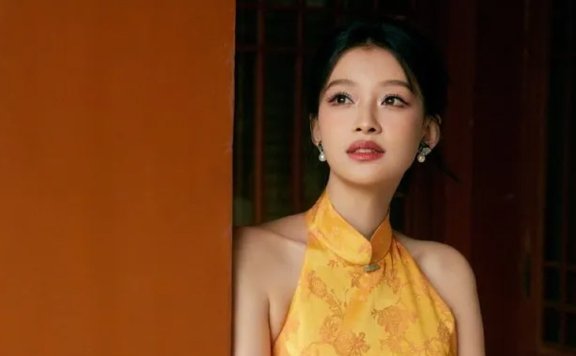
Can Yellow Qipao Outshine the Sun?
Sunlight spills through leafy branches, gilding a vibrant yellow Qipao like molten time, seamlessly stitching classical grace onto a modern silhouette. This is no demure relic of the past. Its sleeveless cut and high neck speak a language of bold confidence, revealing the spirit of the East with newfound audacity. The lustrous satin whispers with subtle, age-old patterns, while the sharp tailoring declares its place firmly in contemporary fashion. Outline Revolution The classic Qipao, once a symbol of demure elegance, sheds its long sleeves and embraces a higher neckline. This transformation reveals graceful shoulders and a defined neck, creating a powerful new canvas for Chinese aesthetics. The shift isn't about erasure; it's about liberation. By freeing the form from restrictive traditions, the modern Qipao confidently enters the global style conversation, its heritage woven into every seam. Standing against the backdrop of crimson pillars and dark roof tiles, the figure embodies this fusion. The vibrant yellow of the Qipao acts as a striking modern note against the deep, traditional hues. A sleek, high chignon and simple pearl earrings serve as perfect joints in this cultural framework – elegant, functional, and allowing both past and present their distinct brilliance. Under the eaves… -
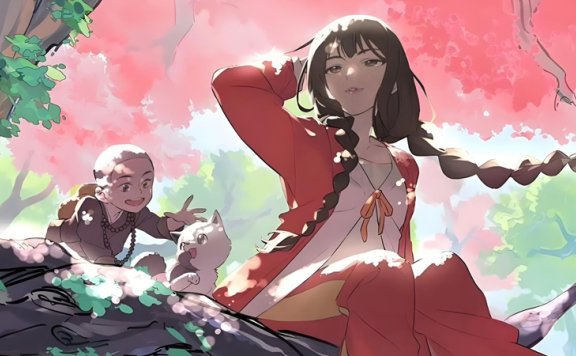
Bai Yao Pu: Tao Yao's Healing Journey in Ancient Luoyang?
Ancient cobblestones whisper secrets beneath the moonlight as Tao Yao, the enigmatic spirit physician, walks alone into the heart of Luoyang. The latest season of the captivating animated series Bai Yao Pu (百妖谱) plunges viewers into this ancient capital's shadowed alleyways, where human dilemmas intertwine with supernatural intrigue. Tao Yao isn't just treating ailments; she's navigating a labyrinth of hidden desires, broken promises, and age-old curses unique to this historic city. Can her legendary golden bell truly mend the fractures between two worlds? Luoyang's Shadows Luoyang isn't merely a backdrop; it's a living entity steeped in a thousand years of history and myth. Its winding streets and grand courtyards conceal creatures like the sorrowful Jiang Jun (绛君), whose plea buys a single, precious day, and the pragmatic Xian Shu (咸鼠), challenging Tao Yao's staunch rule against aiding humans. This ancient capital pulses with hidden energies – from the piercing gaze of the Buddha's Eye to the unsettling presence of the Xuan Duo (玄狏) and the mournful cries of the Ying Yuan (婴源). Each corner turned reveals another layer of the city’s profound, often perilous, connection to the spirit realm. The animation masterfully renders Luoyang’s duality. Grand palaces stand beside bustling,… -
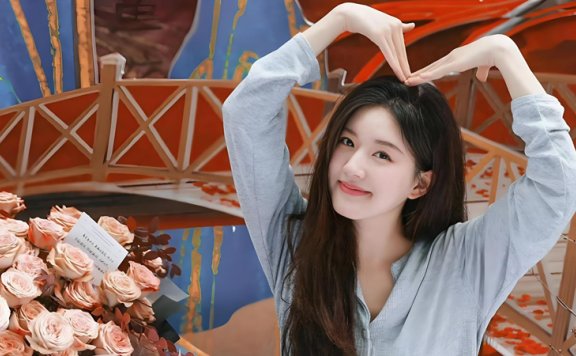
Zhao Lusi Clashes, Fans Rally, Future Unfolds
Zhao Lusi (赵露思), a popular actress, recently ignited online buzz by publicly clashing with her agency, Galaxy Cool Entertainment. In live streams and social media posts, she accused the company of financial misconduct and emotional neglect, revealing her severe anxiety and depression. The dispute triggered massive fan support—her account gained 2.3 million followers in days, including 880,000 in one live session. Zhao announced plans to leave the entertainment world, hinting at opening a noodle shop instead. This article explores her bold stance, fan reactions, and mental health struggles, highlighting how personal battles can reshape celebrity culture. Amid legal complexities, her story questions fairness in artist-agency relationships. The Conflict Unfolds Zhao's clash began on August 2 when she posted detailed accusations against Galaxy Cool Entertainment. She claimed the company withdrew 2.05 million yuan from her studio without consent after she fell ill, forcing her to cover losses from canceled endorsements. Zhao emphasized repeated failed negotiations over eight months, with no resolution on studio control or staff retention. Her frustration peaked as she declared, "I don't want to work anymore," accusing the agency of threatening her career. In response, Galaxy Cool Entertainment issued a statement denying wrongdoing. They stressed their commitment to… -
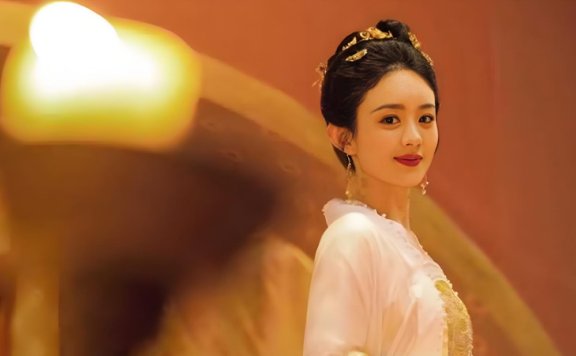
Zhao Liying in Tangzhuang: Hairstyle, Fabric, and Makeup Secrets
What makes an outfit transcend centuries? Zhao Liying's (赵丽颖) recent embrace of Tangzhuang (唐装) offers a masterclass in ancient Chinese aesthetics. Moving beyond her usual youthful charm, she embodies imperial elegance through deliberate choices in hairstyling, fabric selection, and makeup. This transformation reveals core principles of Tang fashion – principles centered on sophistication achieved through restraint, quality, and harmony, not mere extravagance. Her look serves as a powerful testament to the enduring brilliance of historical Chinese design, proving its relevance for modern style seekers. Hairstyle Forget towering, jewel-encrusted creations. Zhao Liying's Tangzhuang impact begins with a remarkably simple coiled bun. This choice defies a common misconception: that historical Chinese hairstyles require overwhelming complexity to feel regal. Her sleek, unadorned updo demonstrates that true luxury lies in clean lines and impeccable execution. The polished finish creates an immediate sense of refinement, allowing the wearer's features and the clothing itself to take center stage. The allure of intricate braids and multiple ornaments is understandable, yet often leads to visual chaos. Zhao Liying's stylists understood that a single, well-crafted bun provides a stronger foundation for elegance. It offers a timeless quality, avoiding the dated look that overly elaborate styles can project. This focus… -
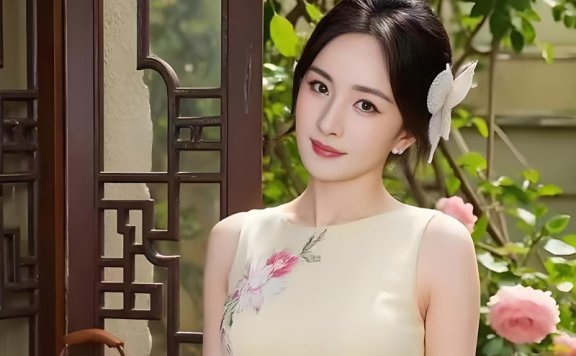
Yang Mi Merges Qipao's Tradition with Modernity
A single image stopped digital scrolls. Yang Mi (杨幂), celebrated for cutting-edge style, emerged draped in a classic Qipao, sparking instant nationwide fascination. This wasn't another celebrity endorsement; it felt like witnessing a heritage garment rediscover its voice through a modern icon. Her transformation went beyond fabric – it ignited a conversation about authenticity, effortless grace, and the magnetic power of genuine presence in an era saturated with artifice. The quiet courtyard setting and her poised demeanor created a visual poem, proving timeless allure requires no loud fanfare. Outline Speaks Volumes The Qipao demands perfection. Its sleek lines expose every nuance of form, unforgiving to imbalance. On Yang Mi, it found its ideal canvas. The high collar framed her neckline elegantly, while the tailored bodice meticulously followed her slender waist, a testament to the garment's unforgiving precision. Her posture, relaxed yet regal, allowed the fabric to flow naturally, highlighting the subtle yet powerful feminine silhouette it was designed to celebrate. This wasn't restrictive; it was a harmonious dialogue between body and cloth. Beyond physicality, Yang Mi embodied the Qipao's spirit. She moved with an innate confidence that felt both contemporary and deeply rooted. The sharp modern edge in her gaze… -
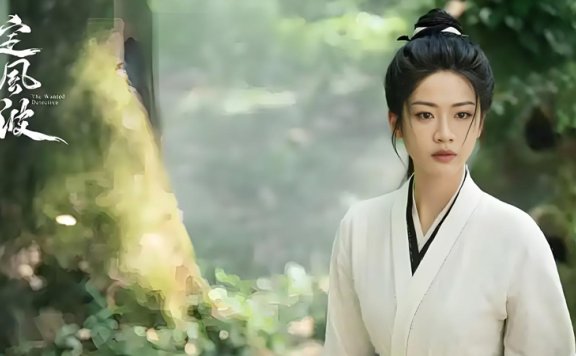
Unveiling The Wanted Detective: Scary Atmospheres and Connected Mysteries
While summer cinema offerings dwindled to a trickle, an unexpected contender surged from the long-form drama arena. Breaking through the seasonal slump with gripping originality, The Wanted Detective (定风波) emerges as a beacon of hope for the genre. This ingeniously crafted costume detective series masterfully blends traditional Wuxia spirit with youthful energy, delivering layered mysteries and a compelling young ensemble cast—the Bo Bo Dui (波波队). Its arrival proves long-form narratives can still command attention and deliver exhilarating entertainment. Chilling Atmosphere The series grips viewers instantly with potent Chinese eerie elements. The opening sequence sets an unforgettable tone: solemn statues guarding a dim palace hall inexplicably weep trails of crimson blood. This chilling visual plunges us headfirst into a world steeped in supernatural dread and historical unease. The terror escalates swiftly, manifesting in shocking demises—a veteran general's head mysteriously separating from his body mid-gallop; a minister consumed by sudden, unnatural flames; a powerful official drowned in his own washbasin. Each grotesque death scene bears the chilling signature: "Night Fiend". These aren't isolated horrors but interconnected threads weaving the larger "Night Fiend Case". Seven smaller, equally disturbing incidents form its core. Picture a crimson-garbed bride grotesquely suspended by threads from a beam;… -
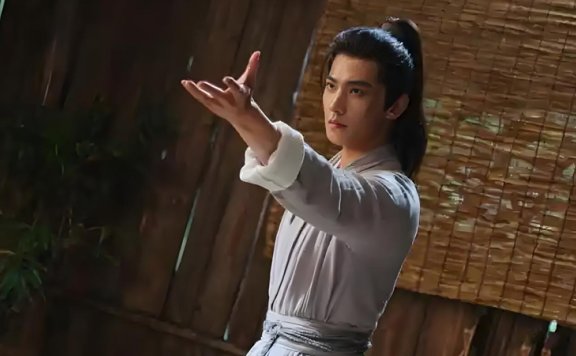
Minor Role Mo Caihuan Steals Mortal's Journey
Early concerns that Yang Yang might be overshadowed by co-star Cao Jun (曹骏) in the highly anticipated Xianxia drama The Immortal Ascension (凡人修仙传) have proven unfounded. While Yang's portrayal of protagonist Han Li (韩立) has earned praise for its charismatic intensity, an unexpected development has captivated viewers: the luminous performance of Zhao Qing (赵晴) as minor character Mo Caihuan (墨彩环). This secondary figure has emerged as the series' emotional anchor, her quiet tragedy resonating more powerfully than the main storyline's celestial battles. Unlikely Scene-Stealer Mo Caihuan first appears during Han Li's visit to the Mo family compound seeking the Warm Sun Jade. As the youngest daughter of Physician Mo and Lady Yan, her instant infatuation with the stoic cultivator creates palpable tension. The family's transparent attempts to wed her to Han Li highlight her status as a political pawn, yet Zhao Qing imbues the character with such genuine vulnerability that viewers immediately empathize. Her decisive act – gifting Han Li her personal Warm Sun Jade to aid his recovery – establishes her selflessness. A decade later, their reunion showcases Mo Caihuan's devastating transformation. Once a sheltered daughter, she now stands as the Mo family's sole survivor. Her trembling question –… -
Legend of the Female General: Rebirth and Battlefield Romance
Move over, palace intrigues! A refreshing new costume drama, Legend of The Female General (锦月如歌), is shattering tired tropes. While the familiar theme of rebirth and revenge anchors the story, it ditches the claustrophobic confines of the inner chambers for the gritty, high-stakes battleground. Our heroine isn't obsessed with romantic entanglements; she straps on armor, picks up a weapon, and carves her path back to power through sheer skill and unwavering determination. Forget whispered schemes in gilded halls – this is revenge forged in the heat of combat, promising a thrilling and empowering spectacle. Rebirth on the Battlefield He Yan (Zhou Ye) wasn't born to be a pawn. Forced from infancy to live a lie, she disguised herself as her frail brother, He Rufei (何如非), to safeguard her family's noble title. This deception shaped her destiny. Embracing the male identity, she ascended through military ranks, becoming the revered Feihong General (飞鸿将军), her valor unmatched. Yet, betrayal came from the very family she protected. When the real He Rufei returned, he callously usurped her achievements, title, and life, orchestrating her apparent death in a treacherous fall. Miraculously surviving, He Yan (禾晏) refuses to fade away. Her mission is singular and audacious:… -
Ju Jingyi: "Iron Idol" in China's Entertainment Maelstrom
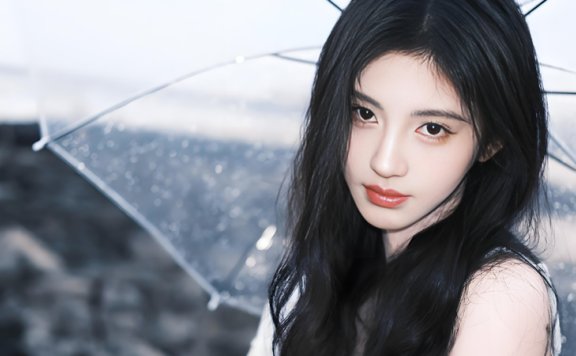
For nine years, Ju Jingyi (鞠婧祎) has navigated the volatile tides of China's entertainment industry with unwavering focus. Debuted at 19 in 2013 with SNH48 during their Theater Goddess performance, she has transformed relentless scrutiny into rocket fuel. While countless "it-girls" have flickered out, Ju stands defiantly in the spotlight, earning the moniker "China's Iron Idol." Netizens marvel: everyone wants to be Ju Jingyi, yet few dare walk her path. Whether facing cyber-bullying, enduring intense public scrutiny of her appearance, or inspiring legions of imitators, she has built an unshakable career that leaves her peers far behind. What makes her such an anomaly in the entertainment world? Unshakeable Fortitude The label "4,000-Year Beauty," born from a mistranslation on a Japanese forum in 2015, catapulted the 21-year-old Ju Jingyi into a maelstrom. Overnight, she became a national punchline and object of fascination. Mockery, envy, and harsh judgment rained down. Few young artists could withstand such a brutal onslaught of attention . Yet, Ju didn't crumble. Fast forward to the 2025 Spring Festival Gala: her performance of Bi Shang Guan (壁上观) and breathtaking look dominated online discussions. At 30, she remains scandal-free, laser-focused on her craft, operating at her peak. Fans wryly… -
Heritage Weaves: Old Patterns in New Outline
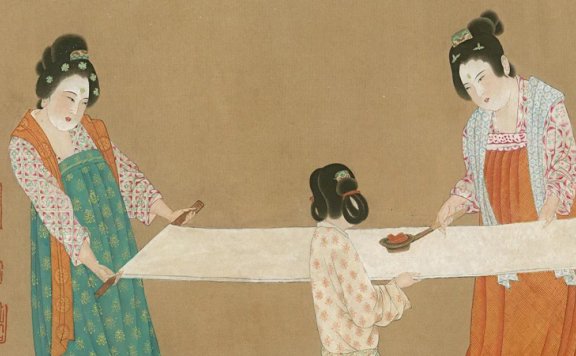
As Zhang Xue (张雪) guides the shuttle across her Song Jin (宋锦) loom, peony vines blossom beneath her fingers. This young inheritor doesn't realize her wrist patterns mirror Tang dynasty court ladies in Daolian Tu (捣练图). Such moments reveal Hanfu isn't resurrected history but living heritage. Traditional techniques weave through contemporary designs, creating conversations between dynasties in every thread. This fusion transforms museum artifacts into vibrant cultural expressions, where ancient motifs speak through modern silhouettes. Threads of Royalty Song Jin demands royal patience. Each centimeter consumes hours as artisans layer colored threads like watercolor washes. This "living hue" technique creates ethereal gradients unseen in ordinary brocade. Imperial workshops once reserved such luxury for dragon robes and ceremonial scrolls. Today's Hanfu designers adapt these methods for cloud collars and wide sleeves, transforming wearers into walking art pieces. The shimmering surfaces capture light differently with every movement. Su embroidery elevates simplicity into grandeur. On a deep-blue jacket sleeve, gold thread swirls into tidal patterns while freshwater pearls anchor each wave crest. Where historical pieces used gilt strips, modern artisans employ synthetic alternatives for daily wear. The effect remains equally hypnotic - miniature oceans rippling across linen landscapes. Tang dynasty glamour returns through…