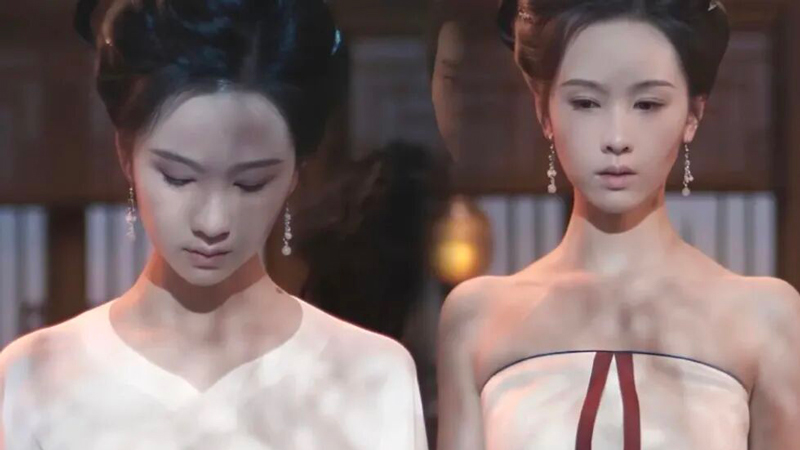
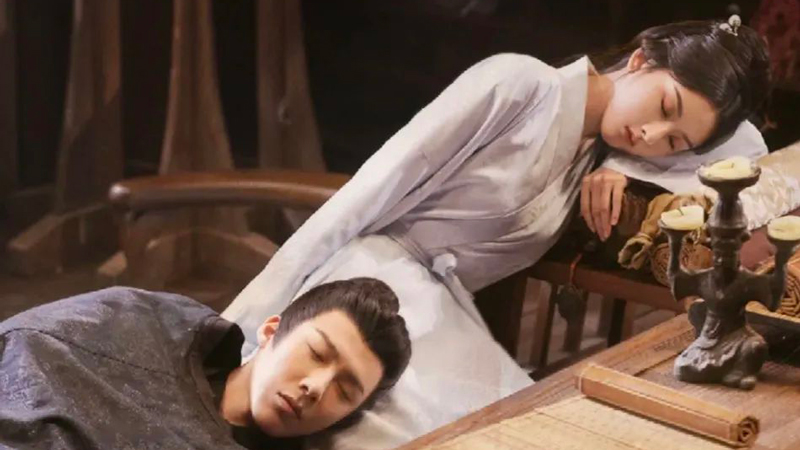
Have you ever noticed how characters in historical dramas often retire for the night dressed in pristine white garments, and wondered if they ever worry about stains? This common visual isn't a costume designer's oversight or a symbol for something else; it is a deliberate and historically accurate representation of a fundamental layer of traditional attire known as Zhongyi (中衣).
Far from being simple sleepwear, this undergarment served as the versatile core of ancient Chinese dress, functioning as both a formal inner layer and comfortable loungewear. Its enduring presence on screen hints at a sophisticated sartorial system where every piece, even the hidden ones, played a crucial role in aesthetics, etiquette, and personal comfort.
Historical Roots
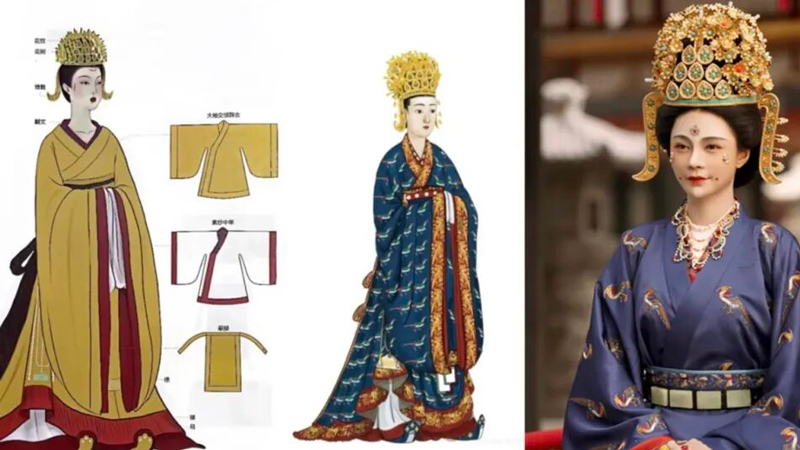
The concept of Zhongyi is deeply embedded in classical texts. Its name, literally meaning "middle clothing," originates from the ancient glossary Shi Ming (释名), which describes its position between the innermost undergarments, or Xieyi (亵衣), and the outer robes. This placement was not merely practical but symbolic, representing a structured approach to dressing that prioritized propriety. In the hierarchical system of traditional dress, the Zhongyi was the essential buffer, a layer of modesty and refinement that separated the private self from the public presentation.
During the Qin and Han dynasties, the predominant garment was the long robe, and the Zhongyi naturally followed this form. As noted in commentaries on the Book of Rites, garments like the Shenyi (深衣) and the Zhongyi shared a similar, unified construction. This long, gown-like design, often compared to a modern maxi dress, covered the body from neck to ankle. It was the foundational layer upon which the entire outfit was built, its length and cut integral to the overall silhouette and movement of the wearer.
Understanding the distinction between layers is key. The Xieyi was the intimate, skin-tight layer, while the Zhongyi acted as the intermediary. This tripartite system—Xieyi, Zhongyi, and outer robe—showcased a deliberate philosophy of dressing. The Zhongyi was not merely cloth; it was a piece of architectural wear, designed to support, shape, and protect both the body and the more delicate, expensive outer layers from natural oils and perspiration.
Design and Function
The signature length of the Zhongyi was a direct result of ancient etiquette. In a culture that valued modesty, ensuring no skin was exposed during movement was paramount. The long sleeves and hem prevented any accidental reveals, aligning with Confucian ideals of decorum. Furthermore, this design was incredibly practical. Made from breathable fabrics like linen or cotton, the Zhongyi absorbed sweat, allowing the luxurious silks and brocades of the outer robes to remain pristine and unwilted throughout the day.
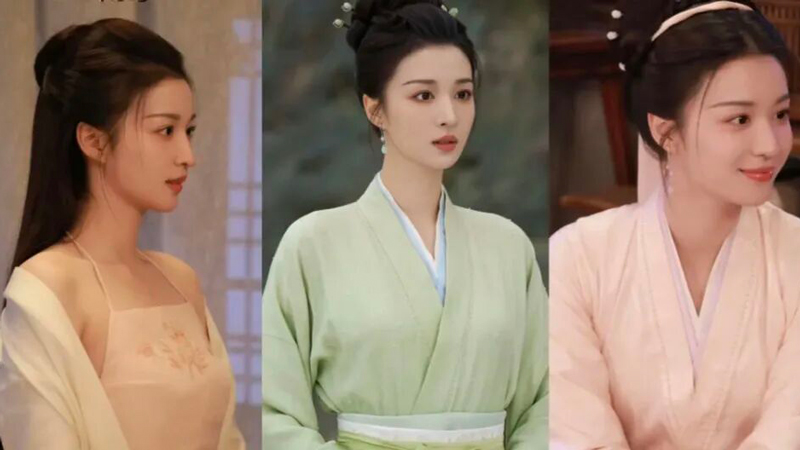
While white is the most commonly depicted color, especially for men, the Zhongyi palette was surprisingly diverse. Women often chose soft hues like pale yellow or light pink to complement their Ruqun. For significant ceremonies, a vibrant red Zhongyi might be worn beneath formal attire. The choice of color was not arbitrary; it reflected the occasion, the season, and the wearer's social standing. The white version became the standard, much like a modern white dress shirt, due to its neutrality and ease of matching with any outer garment.
The material selection demonstrated remarkable adaptability to climate and class. In summer, cool and absorbent hemp was preferred, while winter called for the warmth of silk or lined satin. Affluent families displayed their status through subtle details, adorning the cuffs and collar of their Zhongyi with intricate embroidery. These embellishments were the equivalent of fine cufflinks today—a discreet indicator of taste and wealth that was only partially visible when worn correctly beneath the outer robe.
Modern Revival
In the contemporary resurgence of Hanfu culture, the Zhongyi is often the most overlooked component. Many enthusiasts, eager to wear the beautiful outer layers, skip this foundational piece or replace it with a modern T-shirt. This mistake is akin to wearing a suit without a dress shirt; the outfit loses its structure and authenticity. The Zhongyi is not an optional extra but a non-negotiable element of traditional dress that ensures the robes hang correctly and the collar sits properly.
A correctly worn Hanfu outfit will often reveal a tell-tale sign: a crisp, white Zhongyi collar peeking out from the neckline of a Jiaoling (交领) or round-collar robe. This intentional display is a mark of sartorial knowledge and respect for tradition. It creates a layered, textured look that is both aesthetically pleasing and functionally sound, preventing the outer collar from rubbing against the neck. For styles like the Ming dynasty's Shuling (竖领), the Zhongyi is less visible but no less important for maintaining the garment's form.
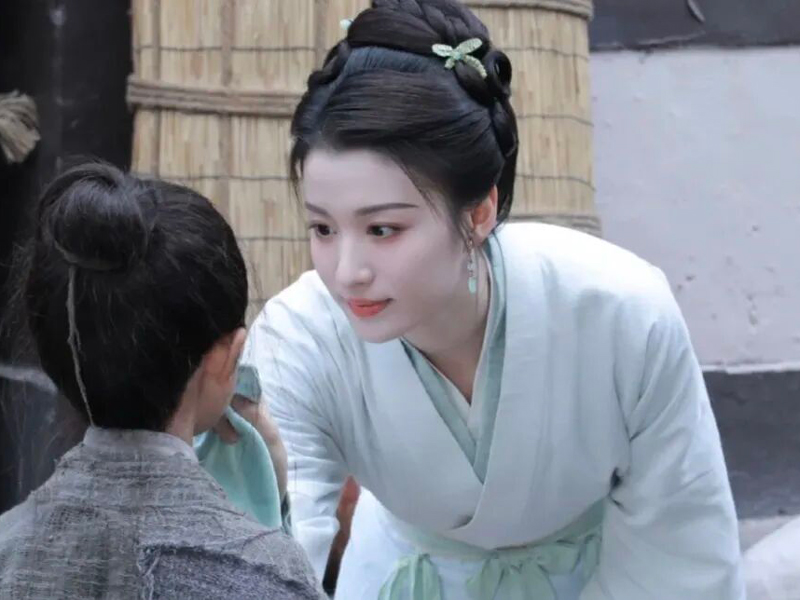
Beyond its formal role, the Zhongyi embodied a versatile, home-centric comfort. After returning home and shedding the cumbersome outer robes, an individual could relax in their Zhongyi, which functioned as comfortable loungewear or sleepwear. This dual purpose highlights the practical wisdom of historical fashion, where a single, well-designed garment could seamlessly transition from a public "battle armor" inner layer to a private "home wear" outfit, mirroring our own modern habit of changing into comfortable clothes after a long day.