When talk turns to Mid-Autumn, mooncakes often take center stage. But for the Hakka, the festival is far richer: a tapestry of lantern light, moonlit songs, and meaningful traditions that honor their past and bind their communities.
The Heart of Hakka Mid-Autumn
To the Hakka people, the Mid-Autumn Festival isn’t just about moon gazing and sweet treats—it’s a tapestry of memory, migration, and meaning. For a community shaped by movement and resilience, the roundness of the moon carries deep symbolism: reunion, protection, and the hope for wholeness in a changing world. While mooncakes and family dinners are universal customs across China, the Hakka have woven their own traditions into the festival—some quiet and intimate, others vibrant and collective. From lantern lighting to mountain song competitions, Hakka Mid-Autumn is a celebration of both culture and continuity.
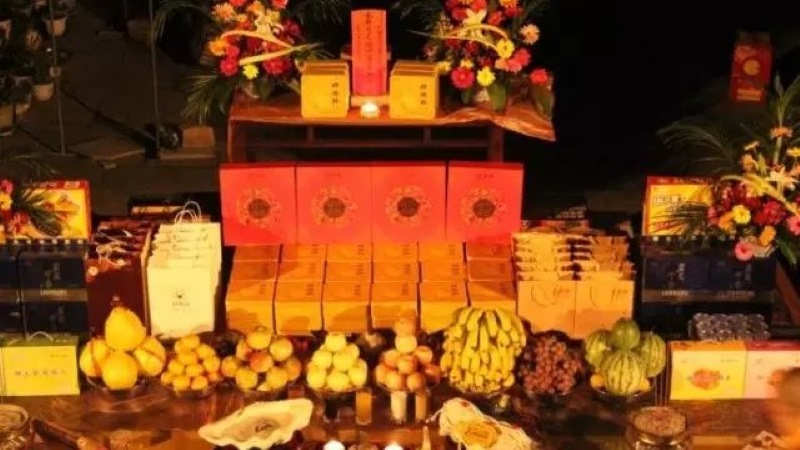
When the moon rises on Mid-Autumn night, Hakka families gather outdoors to begin the ritual of “paying respect to the moonlight.” They choose places like courtyards, lawns and rooftop terraces for the gathering. A table is laid with offerings: mooncakes of course, but also pomelos, peanuts, taro, persimmons, and ling fruit. There’s always a pomelo and taro arranged as mother and offspring, symbolizing family unity. Incense is lit, prayers are whispered, and gratitude is expressed. After the ritual, the offerings are shared among the family. It’s believed that eating these blessed foods brings luck, health, and protection.
Lanterns Light the Night
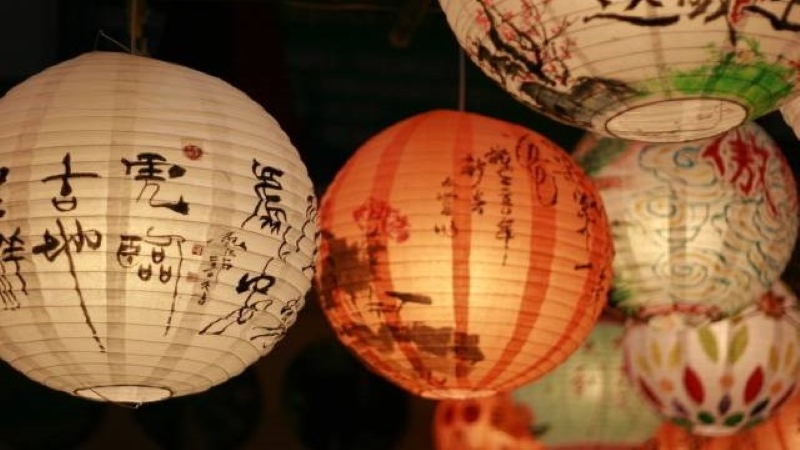
In many Hakka villages, children carry bamboo-paper lanterns—each handmade, painted with family names or clan symbols. But the most spectacular tradition is “raising the Mid-Autumn lights.” Lanterns are hung high on poles, rooftops, or trees, often connected with smaller lights, flags, and silver bells. When lit, they transform villages into constellations of earthly stars—a shimmering dialogue between human celebration and the moon above. Last year, Hakka red lanterns were featured on China Central Television’s Mid-Autumn Gala, symbolizing both tradition and visibility.
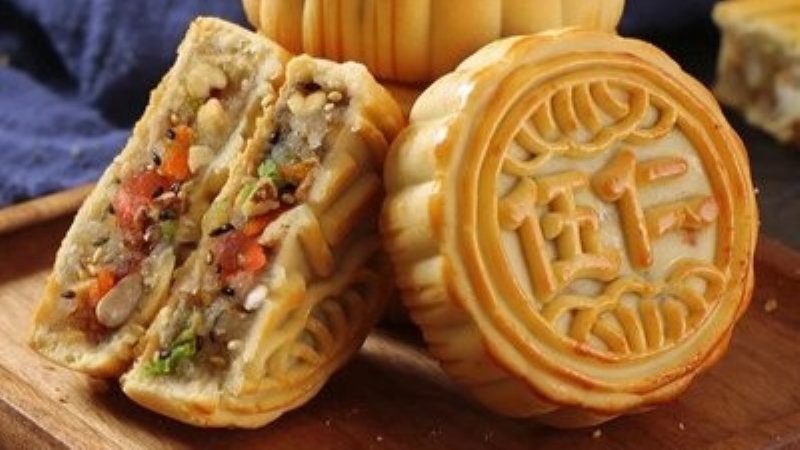
Food is never just food during Hakka Mid-Autumn. Every dish tells a story: Pomelo, called “killing the pomelo” when cut, implies dispelling misfortune, and its round shape signifies reunion. Taro is eaten for protection and harmony, as the Hakkas believe it wards off evil. Five-Nut Mooncakes, made with almonds, walnuts, sesame, melon seeds, and wintermelon, have each ingredient representing a wish for abundance. River snails, steamed or stir-fried, are enjoyed for their tender meat and symbolic association with clarity of vision. Other staples like lotus root, pomegranate, and ling fruit also carry meanings—longevity, sweetness, and intelligence.
Singing Under the Moon
Perhaps the most distinctively Hakka custom is moonlit mountain singing. In Meizhou (梅州) and Songkou (松口), communities gather on hillsides and open grounds to sing folk songs that express love, labor, longing, and joy. These aren’t performances so much as conversations in song—call and response, verse and refrain, young and old. As one traditional verse goes: The moon shines bright over the hill, The trees stand still in the night. On Mid-Autumn we sing as one, Under the moon, we become light.
Many Hakka customs, such as pomelo peeling and taro eating, carry layers of meaning shaped by history. The Hakkas, often migrants, placed special value on stability and safety. Foods like taro (sounding like “protection” in some dialects) and rituals like lantern lighting were efforts to create order in uncertain times. But what’s remarkable is how these traditions endure—not as museum exhibits, but as living practices. Whether through making lanterns, singing songs, or sharing pomelos, the Hakka Mid-Autumn is a testament to a culture that knows how to hold on to what matters. As one Hakka elder told me: “We don’t just remember the moon. We remember each other under the moon.”