Article
Search results for the keyword [wear]:
-
The 4 Most Han Clothing Shoes worn by Hanfu Girls
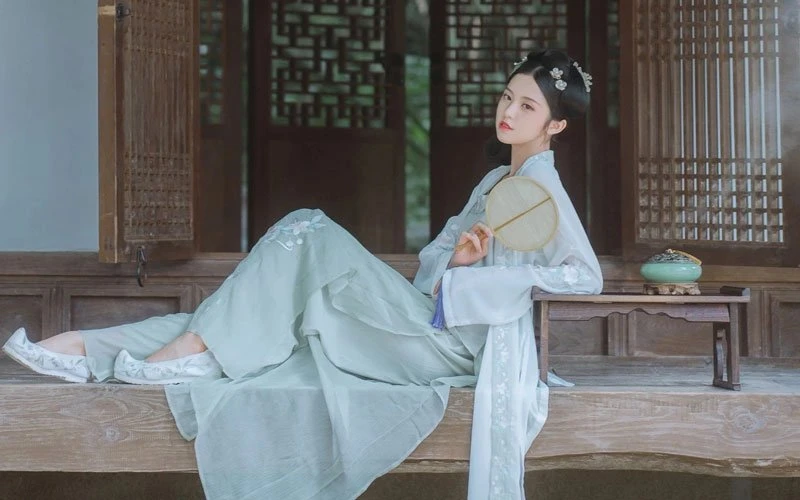
Summer is a good season for outings, but when you go out to play, enjoy the flowers and take photos, you can't do without a pair of comfortable and versatile Han clothing shoes. Today, we are going to talk to you about how to choose shoes that are easy to wear and easy to match with your Hanfu. How to Choose Your Favorite Han Clothing Shoes In the summertime, when it is hot and rainy, many traditional Han clothing shoes can be a problem to clean if they encounter rain or muddy roads. April recommends you wear daily shoes for an informal outing. Like the following shoes, which will not look out of place with Chinese clothing. Mary Jane Shoe The Mary Jane shoe is the American generic term for lace-up shoes. It comes with a cute and vintage vibe, and it adds to the look whether it's worn with fashion or Han clothing. There are round toe and pointy-toe shoes, the round toe is more cute, the square toe and pointy toe is more mature, you can choose according to your own matching style. If you're worried about walking long distances or rubbing your feet, you can… -
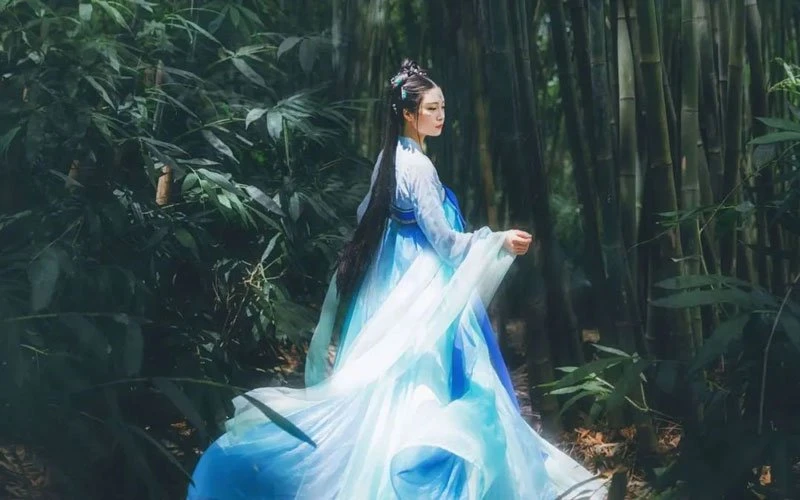
How to Take Care of Your Hanfu (Clean & Storage)
The hanfu looks fairy full, wearing the body is a unique feeling, and hanfu has so many styles, materials also have their own characteristics. For those of you who like to wear hanfu, do you know exactly how to take care of your hanfu? There are two main parts to the maintenance of your hanfu, one is the cleaning of the hanfu and the other is the storage of the hanfu. These two parts are crucial, as they determine how long your hanfu will actually last. It's all about attention. How to clean Hanfu First of all, let's talk about the cleaning of hanfu. Hanfu is not the same as ordinary clothes, some hanfu is a complete set, and the skirt and sleeves are longer and wider, cleaning needs more careful. There is also the matter of deciding how it should be cleaned based on the different materials of the hanfu. 1. The correct way to wash hanfu should be turned over to wash, and try to hand wash. If you wash it in a washing machine, then put a dust bag on the outside of the hanfu, and then put it in the washing machine, and use a gentle… -
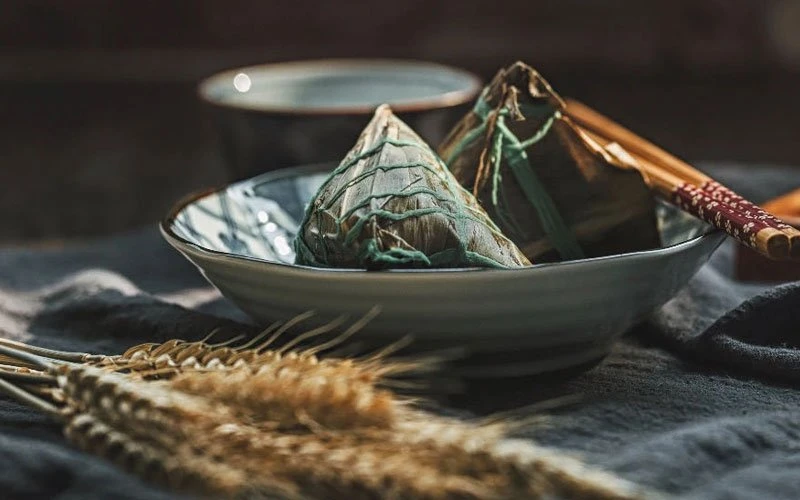
Traditional Dragon Boat Festival & Revival of Ancient Chinese Clothing
Next week is the Dragon Boat Festival in China, but for some people, they have gradually forgotten what the traditional meaning of this festival is, and only Remember it's a day about the battle over the dietary differences between sweet and salty dumplings, north and south. There is also a group of young people who have chosen to celebrate the festival differently by wearing ancient Chinese clothing and reviving ancient rituals to give the Dragon Boat Festival a different festive feel. The Revival of Ancient Chinese Clothing The APEC at the beginning of the century brought the Tang suit before the eyes of the world, which also raised several questions from Chinese netizens: "Is a Tang suit a Tang Dynasty Hanfu clothing?" "What is the national dress of the Han Chinese?" "Isn't the traditional Chinese dress called cheongsam?" Between 2001 and 2003, some young people who were interested in promoting national culture launched a folk culture movement called "Hanfu Revival" with the help of the new Internet. As the name implies, "Hanfu Revival" begins with the traditional costumes of the Chinese Han nation: ancient Chinese clothing, and proceeds to revive the culture of the Chinese people's clothing. It radiates to… -
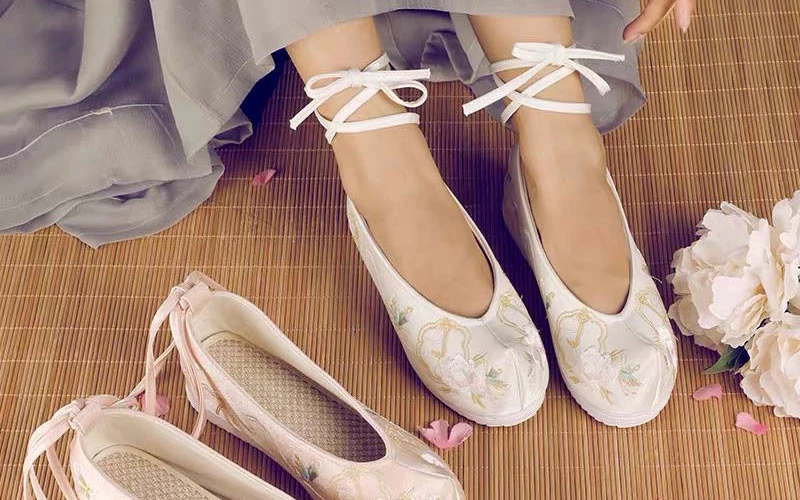
The 12 Beautiful Traditional Chinese Embroidered Shoes
As the weather heats up, we can finally swap out our heavy, warm winter shoes for a nice pair of traditional Chinese embroidered shoes that make us more beautiful when we go out in our Han Fu. There's a variety of styles for traditional Chinese embroidered shoes this year, and they're cost-effective too, let's take a look together! The colorful phoenix is dancing in the sky. These shoes have a white base and the colored embroidery threads are very versatile with all kinds of Han Fu. It comes with internal heightening and buckle strap function, which is both comfortable and leg-lengthening. The fragrance of the osmanthus, strolling with a charming smell. These versatile traditional Chinese embroidered shoes have a floral and woodsy element, perfect for a Han clothing outing, and come in a variety of colors to suit different needs. Speaking of lightness, we'll think of the white feather that falls through the air and whisks around on the toe. This shoe uses an understated design, making it versatile for both fashion and Han clothing. The wavy lace is full of girlish loveliness. Blue flashing flower embroidery with elegant and generous. Adding romantic pink-purple color and charming small beads makes… -
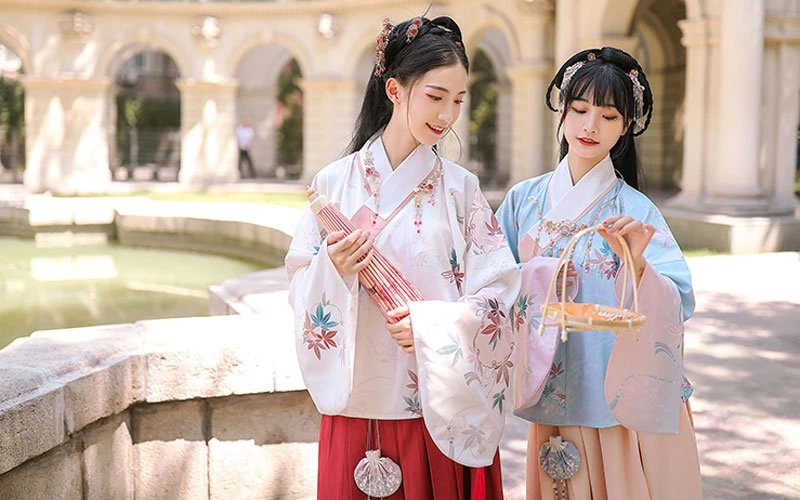
3 Types of Traditional Chinese Top
We often read in articles about Shan (衫), Ru (襦) and Ao (袄), they are all styles of traditional Chinese top, what is the difference between them? Shan (衫) Shan, an ancient cuffless slit top, is a type of top-wear in spring and fall. In ancient times, it was mostly worn by women, but also by men. Ancient Shan clothes could be divided into two types according to their rank, one was "Zhong Dan" (中单, used by the imperial court during the Xia, Shang and Zhou dynasties) and the other was "Cloth Shan" (used by commoners). "Shan" is divided into internal and external parts; the external ones are called "Beizi (褙子)" and "Banbi (半臂)". "Beizi" is a padded jacket with a lining, to protect it from wind and dust. The "Banbi", also known as "half-sleeve", has elbow-length sleeves and a very short body, but also has a sleeveless style. Popular from the Sui Dynasty onwards, in the Song Dynasty, the sleeves were lengthened and used as an internal shirt, i.e., a sweatshirt to be worn close to the body. The shan is a single layer worn close to the body and has no cuffs. With the North and South Dynasties… -
Which Attractive Girl's Chinese Tunic is Worth Buying?
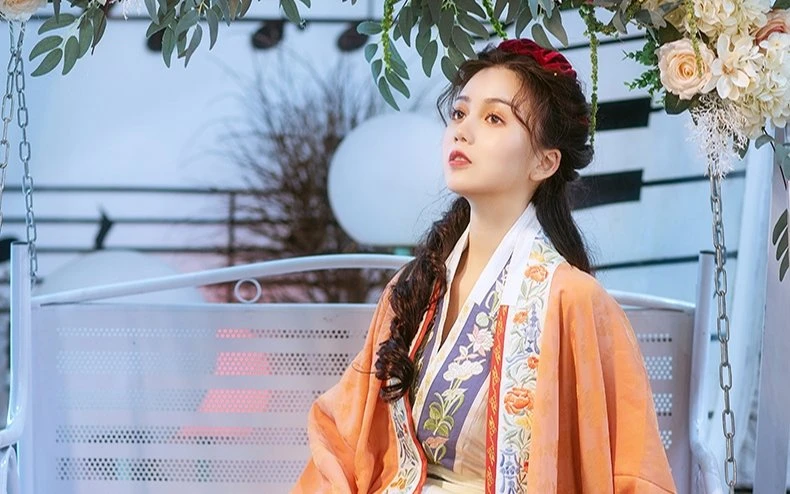
The ancients were fond of adding floral decoration to the edges and seams of Chinese tunic, making the seemingly plain Beizi, with its lace inlay and surround become rich in variety.Modern techniques such as printing, embroidery, beading and beadwork on the edges of the garment made the Beizi a little more beautiful than in the old days.Let's pick out some beautiful and cost-effective full edge Beizi today! Full Edge Beizi | Vintage and Elegant Chinese Tunic The pomegranate is a symbol of good fortune. A pomegranate red dress with pomegranate patterned edges is like a pomegranate with the skin cut open to reveal the berries, which brings out the watery and translucent skin. The silky fabric and light color scheme are perfect for summer. The sky blue papers are decorated with lotus flowers, as if the beautiful scenery of summer is embedded in the details of the Chinese outer jacket. The high definition digital printed bodice on the Chinese tunic will not fade easily and is easy to clean. Restore the flower god rabbit in the coat pattern and choose a matcha green Beizi base for a little freshness and age reduction. The simple and elegant Beizi, clustered with white… -
How Can Han Fu Culture Be More Adapted To Modern Society?
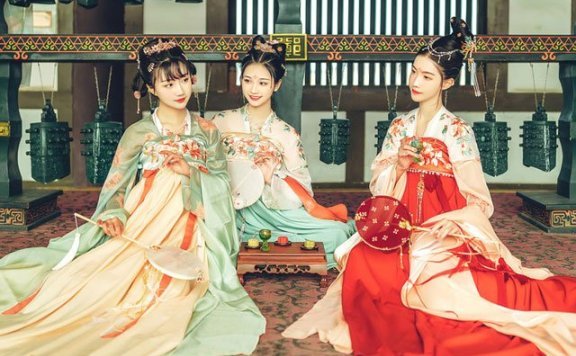
Han Fu culture: a fashion and lifestyle Wearing a beautiful hairpin, Song Nan wore a scarlet standing collar long Ao (长袄) and a woven gold and blue Mamian skirt (马面裙), resembling a woman who had crossed over from ancient times to modern times. "What I'm wearing is Ming Dynasty clothing, long Ao and Mamian skirt are very popular," Song Nan said. Song Nan, 37, paid attention to Hanfu as early as 20 years ago. "I'm wearing Hanfu 24 hours a day. There are hundreds of Hanfu in my wardrobe. In the past, when I was on the street in a Hanfu, I was always looked at by people. Some people came to me and asked, "is it filming?" now, no one would think it strange. Everyone has accepted Hanfu very well. " As a practitioner of Chinese Han Fu culture, Hu Tingzhou's favorite piece is a 70-pound set of replica Tang Dynasty armor. This set of armor is made almost exactly according to ancient techniques. More than a decade ago, this set of armor would have been impossible to produce because there was no master who could make it. "More than a decade ago, the Hanfu revival was in its… -
How do Men to Pick the Right Chinese Tunic Style?
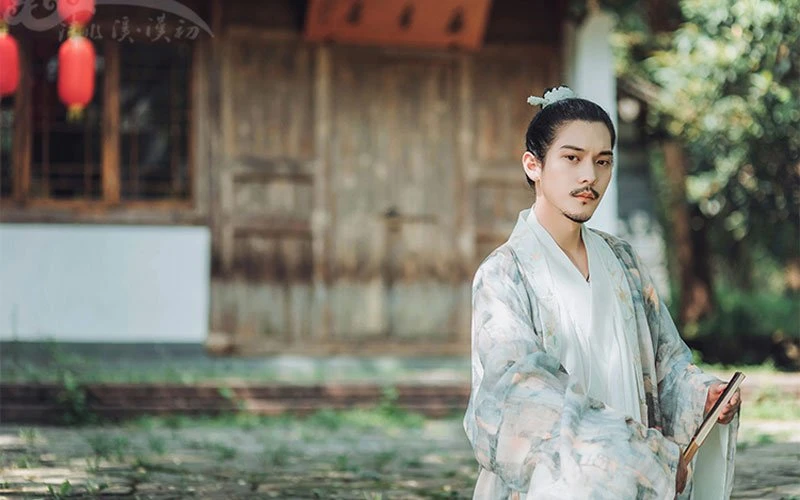
Chinese tunic encompasses a lot of elements, Hanfu / Tang suit / Zhongshan suit, and so on. Today's article will focus on Chinese Hanfu and Han elements, and Hanfu Time will recommend some different styles and tips on how to wear Hanfu for men. The classic styles of Hanfu tend to give people the impression of being classical and looking very mature and stable. Han elemental clothing, on the other hand, combines elements of Chinese design and often brings a different feeling. Chinese Tunic Style 1: Traditional Chinese Tunic Style 2: Modern fashion in daily life Style 3: Wear Hanfu with her Chinese Tunic of Men's Hanfu wear tips Boys try to avoid fluorescent colors or shiny fabrics, the same in the layering does not add too bright colors, to avoid clashing colors, color jumping. When wearing Hanfu, a trimmed eyebrow will look better. You can ask a girl to help you trim a sword eyebrow. If you are not used to changing your eyebrows too much, you can start with natural eyebrows. Natural eyebrows are just a way to shave off unwanted hairs without too much grooming. For slightly fat guys, try not to choose the waist-hugging style of Hanfu,… -
6 Hanfu Styles for Summer
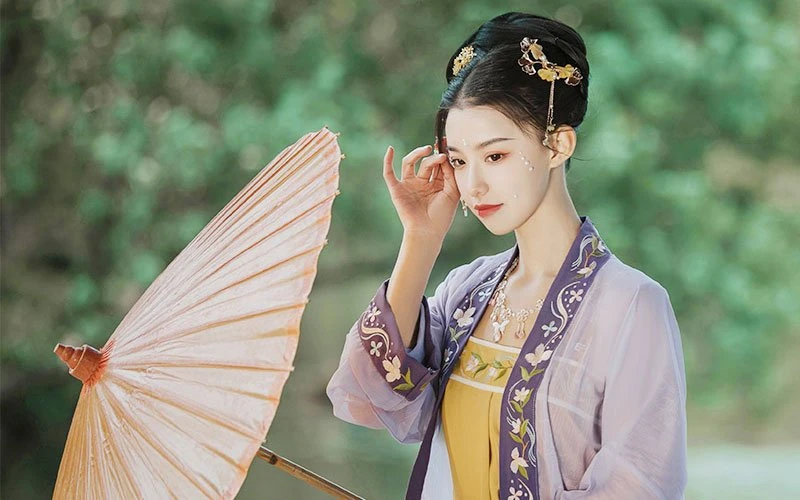
If you don't know enough about Hanfu style, it often gives you a feeling of being cumbersome to wear, and it can be very hot in summer. In fact, the design concept of Chinese clothing is different from the Western design concept, which is to be cool by relaxed ventilation. The structure of Chinese clothing has varied from generation to generation, but there is not much difference in the style of winter and summer clothing, which usually includes underwear, coats, and accessories, while winter and summer only have the difference in the thickness of the fabric, which also allows different styles of Chinese clothing to easily cope with different climatic seasons. In fact, there are very many styles of Hanfu that are suitable for summer wear. Today, we are going to introduce you to a few Hanfu styles that is suitable for summer. Beizi & Song pants The Beizi is the most popular style in summer, and when paired with the Song trousers, it is light and suitable for the activity, almost a must-have summer Hanfu style. Banbi Wearing a lightly colored Banbi shirt will visually give a cooler look. Even if the dress is a simple plain color, dark… -
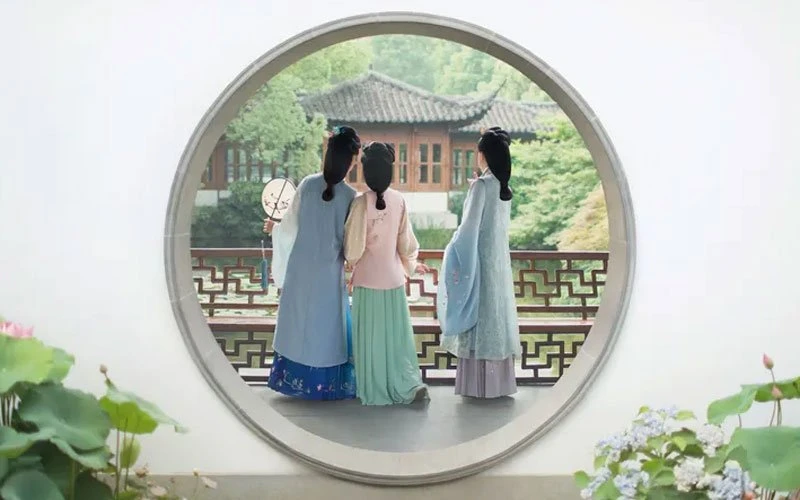
3 Exquisite Ming Dynasty Hanfu Girl
The Ming Dynasty, one of the most civic-minded dynasties in China. From the literary works and historical records of the Ming Dynasty in circulation today, it can be seen that the dress culture of the Ming Dynasty also reached a relatively developed level. In traditional Chinese culture, the Chinese Ming Dynasty women's makeup, with a strong emphasis on subtlety and inner cultivation. Come along and enjoy this set of photos about Hanfu girls wear the Ming Dynasty costume. -
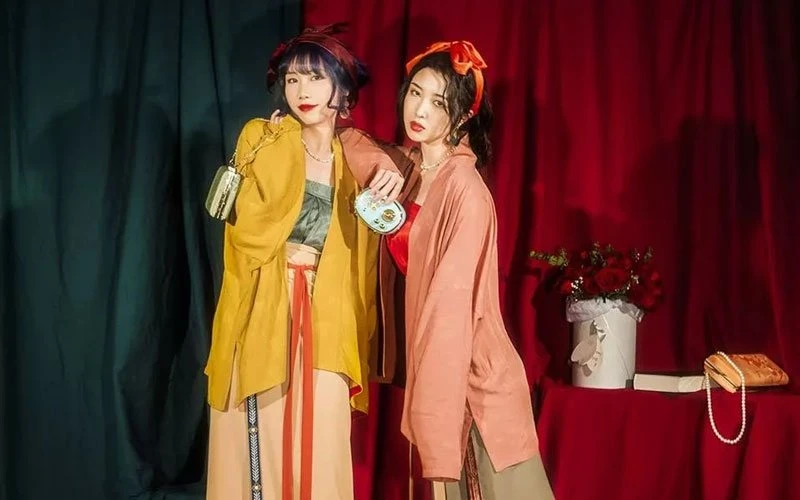
Han's Costume Time | When Genuine Classics Meet Fashion (1)
"Look at the dress she's wearing, it's a breeze to walk in summer."As a spokesperson for this statement, Zhang Ailing liked to wear exaggerated clothes with wide sleeves, and in the classic photo, her outwardly expressive looks are matched. Today, let's follow in the footsteps of Han's costume time, and feel the clash of classics and fashion together! She attributes her fascination with clothing to her personal choices in the face of social collapse: "During political turmoil, people have no ability to improve their life situations. They can only create the environment in which they fit - and that is clothing. Each of us dwells in his own clothes." During the feudal era, women' opinion on their appearance was very low, so dressing up became an indispensable part of their lives, especially in the Song Dynasty, when they had to fix their hair and flowers. In the second year of the Song Dynasty (989 A.D.), the imperial court ordered that high buns and crowns should not be worn by women, but the prohibition did not stop women from loving beauty. In the Song Dynasty, there was silk woven with money, called "Xiao Jin", which the government repeatedly banned. In fact,… -
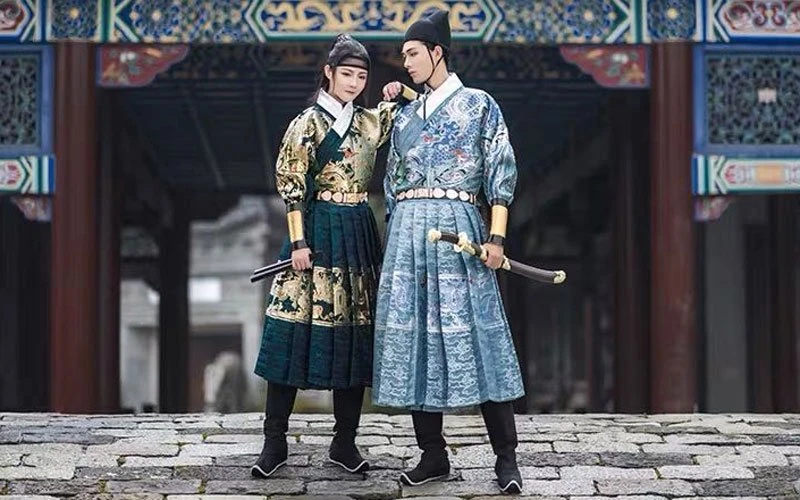
Men's Clothing China | How to Pick One Dazzling Hanfu for Men?
Nowadays, it is not unusual for boys to wear Hanfu, but sometimes, boys will inevitably encounter some misunderstandings, dressing more elegantly, will be said "no masculinity".So, how to wear for men's clothing China to avoid looking too showy? Style and Texture for Men's Clothing China In fact, whether it's men's fashion or men's clothing in China (Hanfu), it's all about texture and fabric. Today, the popularity of Hanfu still has a long way to go, when you walk on the street in Hanfu, passersby will inevitably look at you a few more times. It's at this point that the texture of the fabric becomes especially important and it affects the first impression someone has of you. Therefore, we suggest that when choosing men's clothing in China, you should choose the right fabric, which has texture and does not look frivolous, within your budget. Men's Clothing China with A Sense of Style Men's clothing China, such as Daopao, Zhiduo, Shenyi, and so on, which are common in China, are not actually suitable for colors that are too jumpy. When choosing a color, in addition to simple black and white gray, dark colors that look more subdued and elegant, such as… -
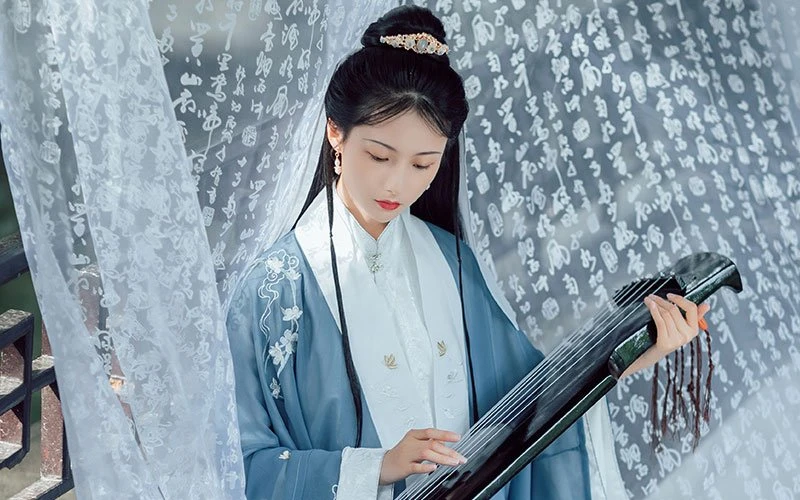
6 FAQs Let You Know More About Hanfu
1. What’s Hanfu? It refers to the traditional costumes worn by the Han people from the time of the Yellow Emperor’s reign to the late Ming and early Qing dynasties (the Qing dynasty was interrupted for more than 300 years due to the policy of the rulers and was not revived until the 21st century). The Hanfu is not the same as the Han dynasty dress, but the Han dynasty dress, belongs to the Hanfu. In fact, the costumes of the Tang, Song, Yuan, Ming, and Qing Dynasties are also collectively known as Hanfu. Nor does Hanfu clothing refer to all Chinese, and ethnic minorities have their own traditional dress. 2. What’s the difference between the Hanfu and the Han element? The Han elements are inspired by traditional clothing, and can be used in fashion, or the traditional Han clothing can be modified and designed to be more convenient for modern life. Examples include the short-sleeved skirt based on the Qixiong Ruqun and the Han element based on the Jiaoling Ruqun, in which the features of the Han dress are retained, but the form has been completely changed. The Han element does not have strict form requirements, the design is… -
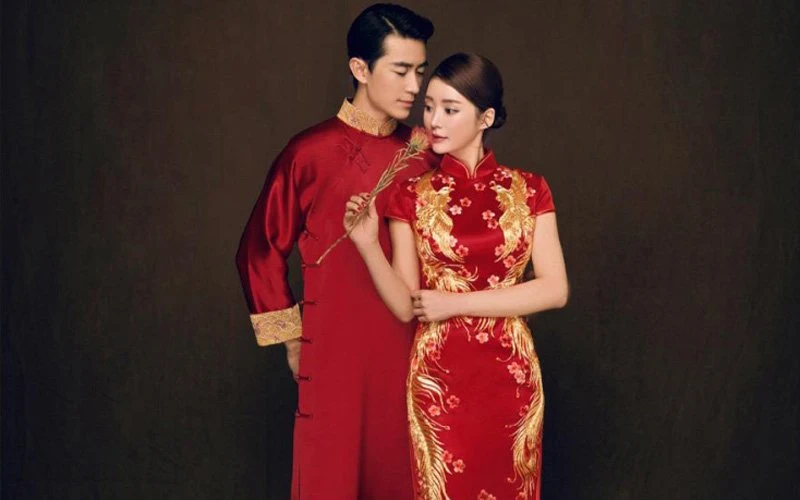
How to Choose One Beautiful Qipao Dress for Chinese Wedding?
In a Chinese wedding, a suitably wore qipao dress not only shows the bride's delicate figure but also sets off her extraordinary temperament, which will be exclusive to the oriental woman's classical quality bloom definitely. The wedding ceremony is the most important ritual in the life of the new couple. In addition to a white wedding dress, the bride will choose a beautiful and fashionable qipao dress for the wedding occasion, so as to conveniently wear when thanking guests for the toast. Choose the bridal qipao dress that can be considered from the color, style, fabric, and personal figure, temperament and so on, and must not ignore the hair accessories, accessories, shoes, and other details factor. The Color of Qipao Dress Whether it's a Chinese wedding or a Chinese wedding dress, there's a preference for the festive big red, and the qipao dress is also the same one. When hosting a more Chinese wedding, choose a qipao dress in a big red color that can fit all brides. Brides who are tired of seeing red cheongsam can choose according to their own conditions. For example, a younger and fairer-skinned bride can choose a rose-red one. The dark is suitable for the… -
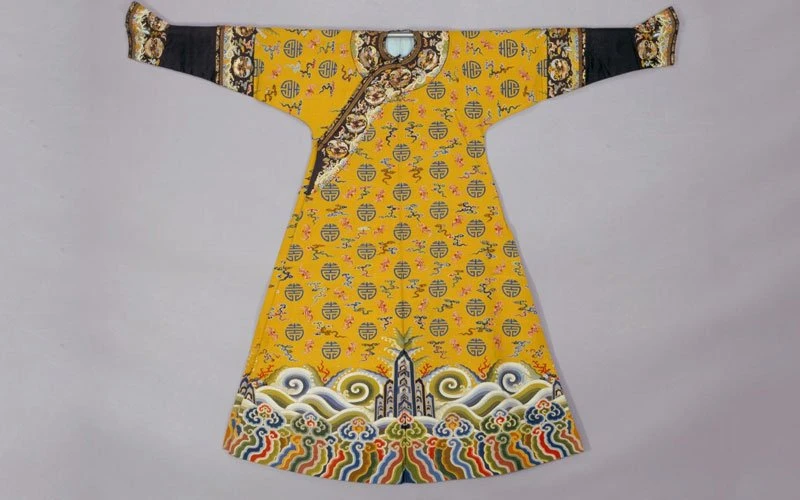
The Brief History of Qing Dynasty Clothing
Qing Dynasty clothing, referring to the costumes & dress of the Qing Dynasty (1636-1912). The Qing Dynasty was the last feudal dynasty in China's history, was a time a time of Manchurian and Chinese cultural fusion, especially costume culture, and at the same time, was the most changed era in China's costume history. Historical background of Qing dynasty clothing The Chinese national culture has a long history, with great inclusiveness and absorption, and clothing is with dynastic iterations, historical changes, etc. with different characteristics of the style. The Qing Dynasty was the last centralized monarchy in Old China established by the Manchu people. After the overthrow of the Ming dynasty, the Qing rulers operated according to the Han form of national power. Measures have been taken in favour of social stability and economic development. The promotion of the "Change Manchu hairstyle, change the Manchu clothing" policy made the Qing dynasty's costume and Han traditional costume very different, abolished the Ming dynasty's crown, gowns, and all Han costumes, but the Manchu costume at the same time absorbing the textured patterns of Ming Dynasty clothing. In the Ming Dynasty, men kept their hair in a bun, wore loose clothes, long socks,… -
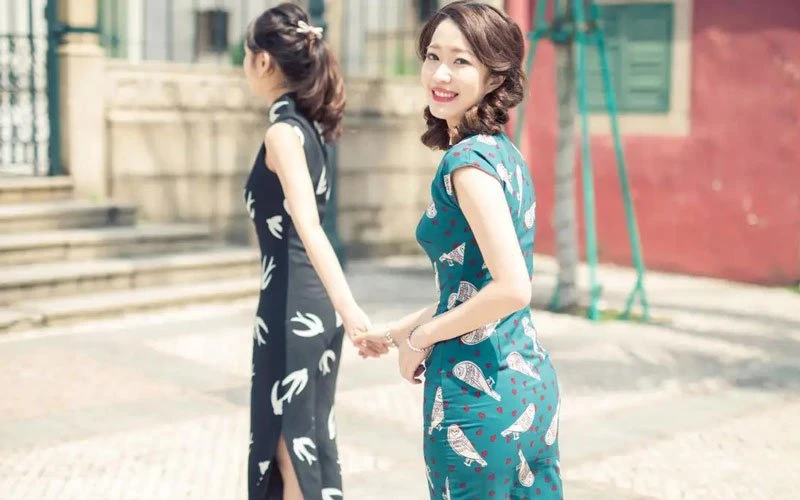
Chinese Cheongsam Dress is a Beauty of Traditional Costume
Chinese cheongsam dress is a traditional costume of Chinese culture, after more than a hundred years of development, Chinese cheongsam dress has represented a unique symbol of the Chinese nation on the international stage. Chinese cheongsam dress, solemn and elegant, noble and romantic, it shows a woman's soft posture to the fullest, conveying a woman from the inside out or youthful, or mature and charming all kinds of styles, a lift of the hand and a look in the eyes, all present the beauty of excellence. · Qing Dynasty Cheongsam--The Flag Lady's Dress In the beginning, the Qing Dynasty Manchu female robe worn by the people called the " Flag Lady's Dressed ". From the Qing Dynasty to the Republic of China, starting in Beijing to Shanghai, through the evolution and improvement of history, it has become popular in recent and modern times, becoming known as " Chinese cheongsam dress ". · ROC ( Republic of China) Chinese Cheongsam Dress--The Beginning of the Trend After the Xinhai Revolution, by the influence of schoolgirls dress, top and bottom skirt of the "new civilization" popular for a while, the 1920s women's robes are popular again, after the development of a new style… -
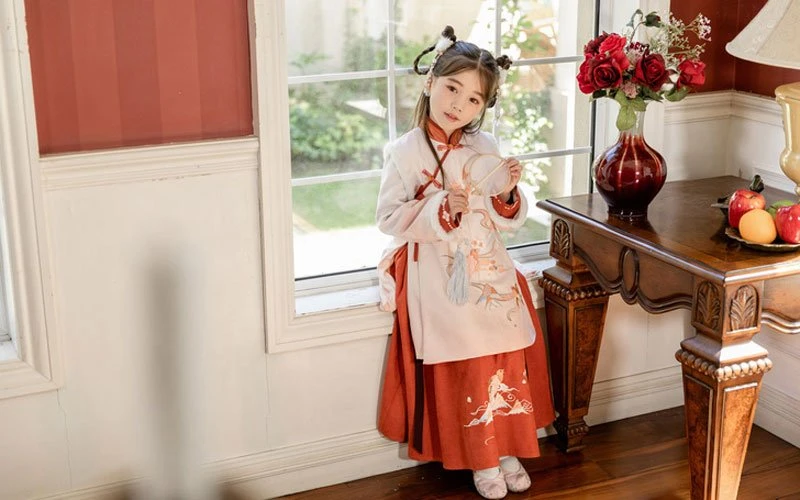
How to Choose One Genuine Chinese Costumes for Children?
In recent years, it is common to see Chinese costumes for children walking on the street, and many children's clothing stores also have several sets of Chinese clothes hanging, which are very eye-catching. Little did I know that hansom had become a popular fashion for kids. Whether in the arts of culture, poetry and song, martial arts and fencing, music and dance, or tea ceremony, Chinese clothes are the most integrated with traditional Chinese culture. If you have a girl, give her a pretty bun, help her wear pretty Chinese costumes for Children, accompany her with poetry and chanting, and listen to the beautiful music of silk and bamboo. "The moon is in her hands, and the flowers are all over her clothes," letting her know that tradition and beauty never die. If you have a boy, you can give him a thousand years of inheritance, know the pen and ink, wear handsome Chinese costumes for Children, show the magnificent Chinese etiquette of the state of verve. In addition, Chinese costumes with Chinese elements are more suitable for children's daily wear. Compared with other Chinese traditional clothes, Chinese costumes are more simple and comfortable, and kids can wear them with… -
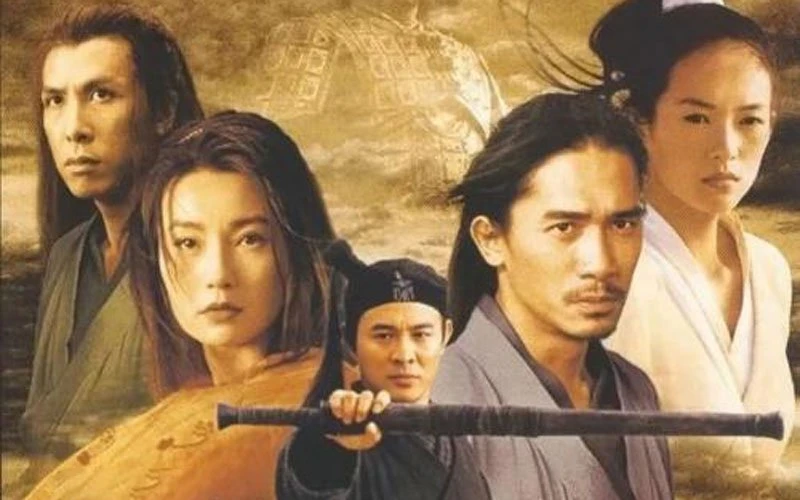
2002 Hero Movie - a Forgotten Milestone in China's Cinema
Recently when talking to my friends about Chinese movies and which is the favorite Chinese martial arts movie, everybody answered a lot of different movies. However, everyone has mentioned Hero, a 2002 release directed by Zhang Yimou and starring Jet Li. In "Hero" we can see that Jet Li is always so heroic, Liang Chao Wei is still so melancholy and charming, Zhang Man Yu is beautiful, Donnie Yen plays smoothly, Chen Daoming must be bossy and Zhang Ziyi is lovely and pure. But even with so many big names backing it up, the film felt like a flash in the pan and even drew a lot of criticism. The Hero quickly became a forgotten film, a forgotten milestone. The 1990s - The Golden Age of World Cinema 1994 was the pinnacle year in the history of world cinema, and has even been hailed as a legend that cannot be surpassed. That year we remembered the classic line from Forrest Gump's mother, "Life is like a box of chocolates, you never know what you're going to get." And The Lion King is the most classic animated film in Disney's history and a fond childhood memory for many post-80s young people.… -
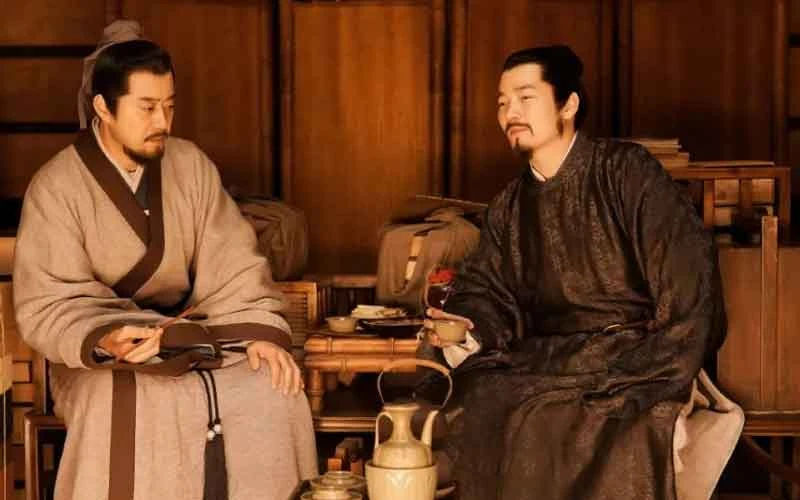
3 Chinese Hanfu Fashion Items from Song Dynasty Literati
The recent hot TV series "Held in the Lonely Castle (清平乐, Qingping Yue)", which depicts the time of Renzong in the Song Dynasty, was a time of many talents. The concentrated portrayal of the many literati in the play is a rare phenomenon in dramas, and the Hanfu costume props in the play are exquisite. Today, take a brief look at how the Song Dynasty scribes at the forefront of fashion by pairing their Hanfu item together! 1. Jin (巾, scarf & hat) Since the end of the Eastern Han Dynasty, Jin was an important garment for men, mostly used by scholars and commoners. The Song and Ming dynasties were the periods when the development of Chinese hats and scarves flourished, and there were many different styles. Take the literati attire shown in Held in the Lonely Castle as an example, most of them wore a scarf with reference to a kind of popular towel and hat in the Song Dynasty, commonly found in various figures in the Song Dynasty paintings. It can be tied on the front or backside, its name has yet to be proved, according to its shape is likely to have a great origin with the Ming… -

How do Foreigners Shop on Taobao?
On the first floor of an old house in Shanghai's Jing'an district, more than 50 foreign girls are excitedly exchanging clothes, bags and accessories they brought to participate in an offline "Spring Swap" event. The four-story old townhouse currently belongs to a forty-person entrepreneurial team. They process about 5,000 trade orders per day on Taobao and Tmall, almost all of which come from foreigners living in China. The group, however, are not employees of Alibaba; they all belong to a startup company called Baopals. Baopals is an online shopping platform designed to help expats in China shop on Taobao and Tmall in English. Through it, merchants on Taobao and Tmall can also target "foreigners" in China more precisely. Can't read Chinese how to live? Buying online on e-commerce platforms such as Taobao is a rarity for Chinese people today. However, if you are a foreigner who doesn't understand Chinese, this matter is not so simple. "Life in China is great, but it can also be very difficult because everything is designed around Chinese," confesses Jay, an international student from the United States. Foreigners have a natural language barrier when shopping on Chinese e-commerce platforms such as Taobao and Tmall, and…