-

7 Pivotal Dramas in Bai Lu’s Rise to Stardom
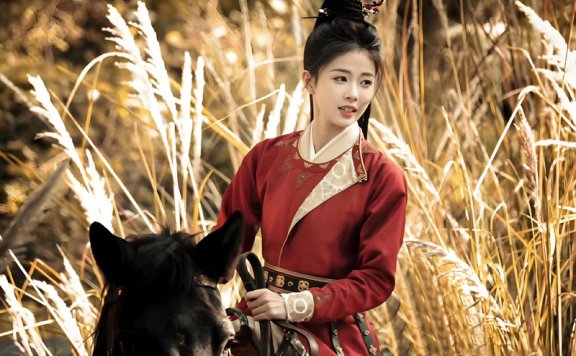
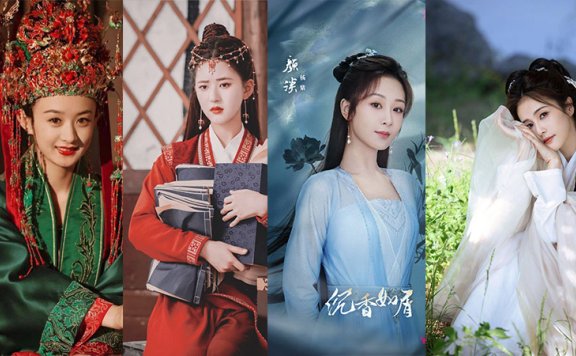
Few actors in recent memory have so thoroughly reshaped their own story through the sheer force of their performances as Bai Lu (白鹿). In the span of just a few years, she has moved from promising newcomer to a defining presence in Chinese period dramas. Her appeal does not rest on a single type of role. Instead, she has consistently chosen characters that defy simple labels—the gentle soul bound by silence, the sharp-witted survivor given a second chance, and the wild flame that refuses to be tamed. Each portrait offers a distinct shade of womanhood, yet all are connected by a thread of inner strength and emotional honesty. What follows is a look at seven pivotal dramas that mark the milestones of her journey, each one showcasing a different facet of her craft and cementing her connection with audiences who see in her work not just entertainment, but a reflection of resilience and grace. One and Only (周生如故) The year 2021 brought One and Only, a drama that quietly devastated its viewers. Here, Bai Lu embodies Cui Shiyi (崔时宜), a young woman who loses her voice in childhood and finds refuge in the household of the revered general Zhou Shengchen (周生辰).…- 10
- 0
-
Unveil: Jadewind – 3 Voices of Female Survival
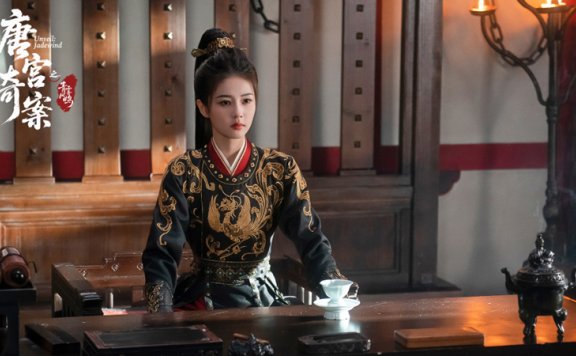
In Unveil: Jadewind (唐宫奇案之青雾风鸣), three women dared to speak—not with words, but with actions that would echo through the ages. A princess, a maid, and a noblewoman, each waged war against the chains that bound them. 1. Princess Wanshun (婉顺): Bound No More by Her Roots In stories of ancient courts, royal princesses often appear as little more than elegant decorations. They are prizes for alliances, vessels for carrying royal bloodlines forward. Their lives follow a familiar path: born into the gilded cage, raised in luxury, and eventually married off to serve the state's political needs. This narrative feels so fixed, so unchangeable, that it reads like destiny itself. But what happens when a princess refuses this fate? What if she dares to carve her own path, even when every door seems bolted shut from the outside? The story of one such woman shows that sometimes, the only way to win a game is to refuse to play by its rules. Her journey from obedient daughter to desperate fugitive, and finally to a woman who seizes control of her own ending, reveals the quiet power that can bloom even in the darkest of places. A Princess Invisible Princess Wanshun grew…- 24
- 0
-

Unveil: Jadewind Two Souls Bound by Truth
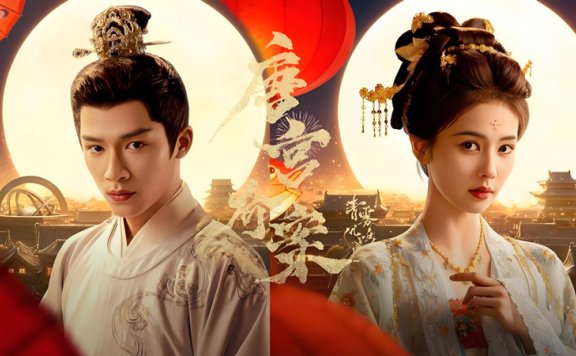
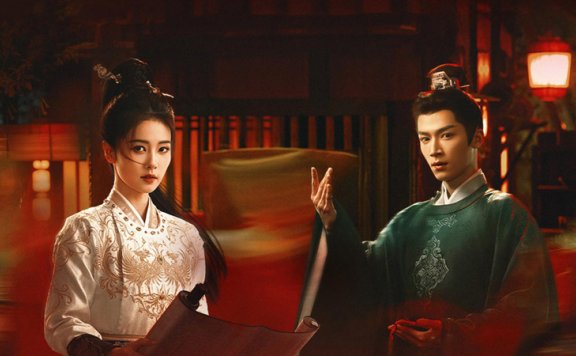
Unveil: Jadewind (唐宫奇案之青雾风鸣) introduces a captivating duo, Li Peiyi (李佩仪) and Xiao Huaijin (萧怀瑾). Their bond evolves through shared mysteries, not forced romance. She detects danger first; he notices hidden clues. This role swap feels fresh, emphasizing mental equality over typical tropes. Produced by Youku, the series has quickly gained traction, offering a nuanced take on adult relationships where intellect and mutual respect drive the narrative forward naturally. 1. The Sharp-Minded Pair Solving Palace Mysteries In a landscape often filled with predictable stories, a new drama arrives with the freshness of a morning breeze. It presents two individuals who speak the language of logic and share a passion for their work. Their connection is not built on fleeting glances but on the sharp exchange of ideas. This is a story where the mind takes the lead, and the heart follows close behind. It offers a narrative that feels both intelligent and deeply engaging, a rare treat for those who appreciate substance over style. Unconventional Heroes The story introduces us to Li Peiyi, a woman who defies expectations at every turn. Born a princess, she chooses a life of danger as an investigator in the Neiye Bureau (内谒局). Her focus is…- 25
- 0
-
Unveil: Jadewind – Equally Matched Partners in Tang Palace Suspense
Are you tired of historical Chinese dramas that take forever to get started, drowning you in exposition before anything actually happens? If you crave a series that throws you right into the heart of the mystery from the very first scene, then Unveil: Jadewind (唐宫奇案之青雾风鸣) is your next binge-watch. This show isn't here to bore you with slow burns; it's here to redefine what a palace suspense drama can be with sharp writing, a killer pace, and characters who actually respect each other. Zero Warm-Up Time: A Mystery from the First Frame The biggest compliment you can give this drama is its respect for your time. Forget the three-episode rule; this series hooks you in the first ten minutes. It opens with a high-stakes incident at a royal banquet, immediately establishing the central conflict. There are no lingering shots of scenery or drawn-out character introductions that go nowhere. The show employs a "case-of-the-unit" structure woven into a larger, overarching plot. This means you get satisfying mini-conclusions regularly while the pieces of a bigger puzzle slowly fall into place. It feels like a breath of fresh air compared to the padding often found in the genre. You can actually watch it…- 19
- 0
-
Unveil: Jadewind – The Hollow Justice Behind Its Happy Ending
The final episodes of Unveil: Jadewind (唐宫奇案之青雾风鸣) have aired, leaving viewers with a complex tapestry of emotions. On the surface, the narrative concludes with a sense of poetic justice. Li Peiyi (李佩仪), the protagonist scarred by a traumatic past, successfully avenges her family. Xiao Huaijin (萧怀瑾), the steadfast and intelligent detective, finally wins the heart of the woman he has loved since childhood. Even the much-suspected Consort Shu (淑妃) is revealed to be a genuinely benevolent figure. It appears to be a happy ending for all. However, a closer look reveals a much bleaker reality lurking beneath this veneer of satisfaction. The resolution feels hollow because, while the guilty are named, the true weight of justice remains conspicuously absent. A Victory Tarnished by Imperial Favor Li Peiyi's journey for vengeance is the central pillar of the drama, and her final confrontation with the Right Chancellor is fraught with peril. She risks her life to expose him as the mastermind behind the massacre of her family and the Duke of Duan's (端) household, a crime that left her orphaned and fighting for survival for sixteen years. Yet, when the evidence is presented, the initial imperial judgment is shockingly lenient. The Emperor…- 509
- 0
-
Unveil: Jadewind – Fight for Freedom in a Gilded Cage
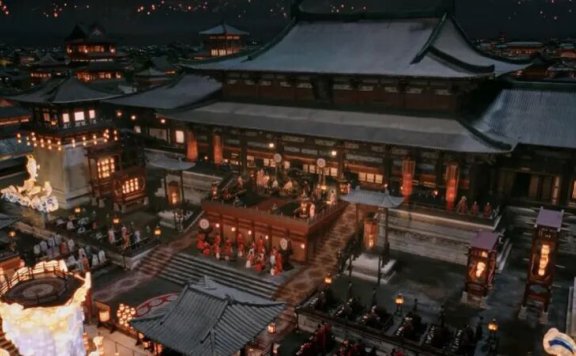
At 2 a.m., with the city silent outside the window, the haunting image of that blue-tinted fog refused to fade. Two days ago, Unveil: Jadewind (唐宫奇案之青雾风鸣) premiered, and clicking on it with the casual skepticism reserved for another formulaic period drama, the cold, eerie color palette of the opening credits unexpectedly struck a chord. It wasn't the bizarre murder that resonated, but the suffocating sense of a gilded cage within the Tang palace—a feeling that felt intimately familiar to the modern soul. When Extravagance Masks a Silent Scream The show's genius lies not in its "mystery," but in its "pain." It uses breathtaking visuals to wrap a story about being trapped. One image from the Lantern Festival night lingers: the "Blissful Death." Envoys from all lands pay tribute, the drumming and singing are deafening, and Chang'an (长安) is a magnificent illusion. In this peak of revelry, the Ning Yuan (宁远) Princess collapses silently. Yet, the laughter continues, the toasting hands don't pause. Her death is a pebble dropped into the deep sea, swallowed without a ripple by the wave called "Prosperous Era." It's a terrifying mirror to modern life—dying a little inside from exhaustion and emptiness while the world celebrates…- 86
- 0
-
Unveil: Jadewind – A Tang Mystery of Truth and Deception
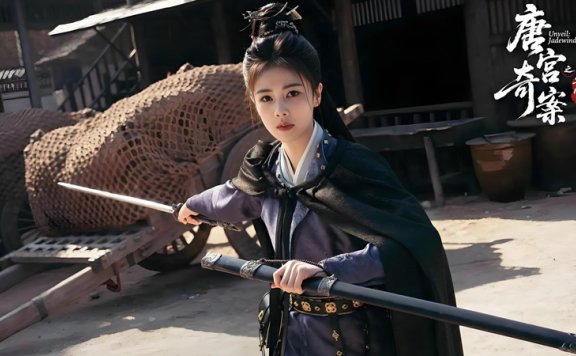
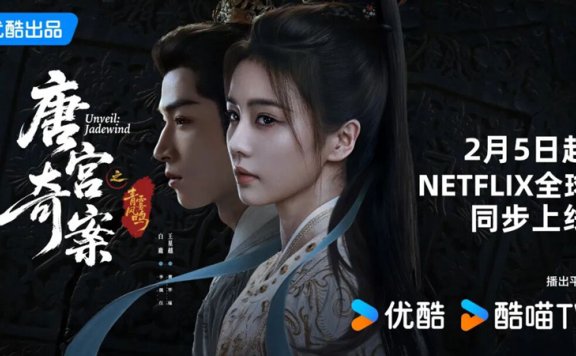
In recent years, Chinese costume detective dramas have carved out a loyal audience, with series like Strange Tales of Tang Dynasty (唐朝诡事录) setting high standards through immersive storytelling and rich period details. Now, a new contender arrives with ambitions to follow that path—Unveil: Jadewind (唐宫奇案之青雾风鸣). Directed by Yin Tao (尹涛) and starring Bai Lu (白鹿) and Wang Xingyue (王星越), the drama invests heavily in recreating the grandeur of Chang’an, but does its narrative offer more than just visual splendor? This review unpacks its plot, characters, and overall execution to see if it truly breaks new ground or merely treads familiar territory. A Cold Case and a Faked Death The series opens with a high-stakes premise: Li Peiyi (李佩仪), a young woman who survived the brutal massacre of her family nine years ago, now serves as an officer in the Nei Ye Ju (内谒局), a palace bureau handling internal affairs. Her sharp mind and combat skills make her a natural investigator, but her true motive is personal—she refuses to believe her father, the Prince of Duan (端), suddenly went mad and slaughtered their household. Determined to uncover the truth, she joins the Nei Ye Ju, where each case she handles potentially…- 319
- 0
-
Success or Just Style Over Substance in Unveil: Jadewind?
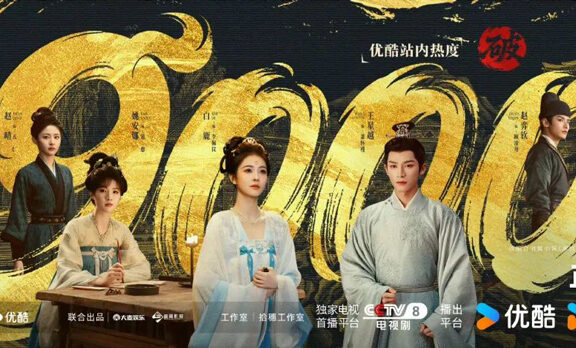
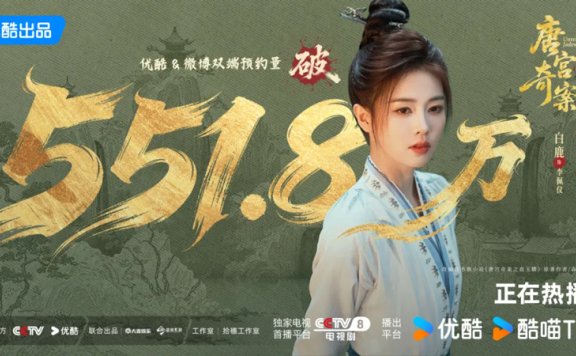
In a television landscape saturated with period dramas that often feel like they rolled off an assembly line—complete with interchangeable plots, sugary romances, and a heavy dose of déjà vu—a new contender has arrived making some serious noise. Unveil: Jadewind (唐宫奇案之青雾风鸣) has stormed onto Youku and CCTV-8, immediately capturing attention with blockbuster premiere data. But as the initial excitement settles, a more complicated picture emerges. The series finds itself at the center of a heated debate: is it a refreshingly innovative entry that raises the bar for the ancient drama genre, or is it simply the same old formula dressed up in expensive new clothes? The answer, much like the mysteries within the show, requires a closer look beyond the surface. Data vs. Debate: A Tale of Two Realities The numbers don't lie, and for Unveil: Jadewind, they tell a story of undeniable success. The drama premiered to a peak CCTV-8 viewership rating of 1.3% and crushed platform expectations by surpassing 9500 in popularity on Youku within hours . Attracting 54 sponsors across just four episodes, its commercial appeal is crystal clear. This isn't just fan service; these metrics point to a broad audience base willing to stay up late…- 124
- 0
-
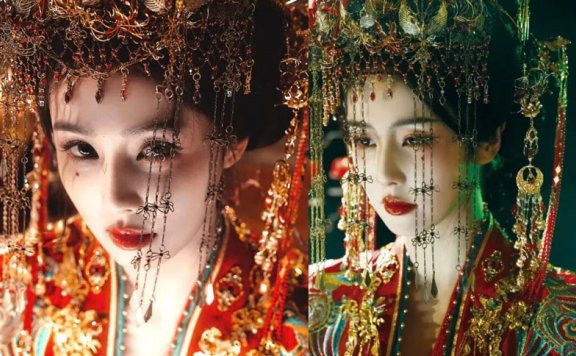
Why Bai Lu’s Ghost Bride Headdress Evokes Chinese Gothic Horror
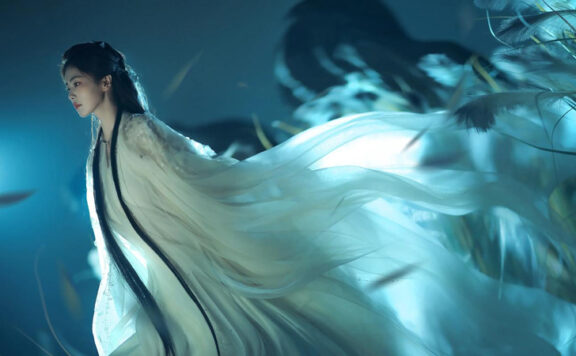
Bai Lu's (白鹿) latest promotional images for the costume drama Unveil: Jadewind (唐宫奇案之青雾风鸣) have ignited a firestorm of discussion online. Dressed as a spectral bride, she presents an image that is both captivating and deeply unsettling. The elaborate headpiece, with its curtain of beads obscuring her face, has left many viewers asking a single, chilling question: why does this particular style of wedding attire evoke such a strong sense of Chinese gothic horror? A Headpiece Lost in Time The answer lies not in the Tang Dynasty setting of the show, but in a much later period of Chinese history. The crown worn by Bai Lu is a stylistic echo of the phoenix crowns popular during the late Qing Dynasty and the early Republican era. Unlike the strictly regulated imperial crowns of earlier dynasties, these later versions became accessible to common women for their wedding day. This period saw a flourishing of craftsmanship, but also a tendency to blend various decorative elements, resulting in a style that felt less restrained and more eclectic than its predecessors. It was a time when the phoenix crown, once a symbol of elite status, became democratized, leading to regional variations and a profusion of folk… -
5 Must-Watch Chinese Costume Dramas Shaping a New Narrative Trend
The landscape of Chinese costume drama is undergoing a quiet but significant evolution. As evidenced by five recent standout series, the genre is moving beyond epic battles and fantastical romance toward a new paradigm defined by intellectual depth and narrative precision. These shows—from investigative procedurals to historical political dramas—prioritize specialized knowledge, mature character dynamics, and sophisticated genre blending. Their collective success, often fueled by word-of-mouth rather than sheer promotional might, signals a discerning audience appetite for substance. This trend marks a maturation of the genre, where compelling storytelling is built not on scale, but on the solid foundations of logic, character integrity, and innovative conceptual hooks. The Imperial Coroner 2 (御赐小仵作2) The sequel to the sleeper hit The Imperial Coroner demonstrates that a loyal audience awaits well-crafted stories. The Imperial Coroner 2 reunites the original cast after five years, a rare move that pays off by preserving the unique dynamic fans loved. The series follows the married forensic examiner Chu Chu (楚楚) and her husband, the imperial official Xiao Jinyu (萧瑾瑜), as they lead the judicial department. Their partnership now operates on both professional and personal levels. What sets this show apart is its effortless blend of a tightly-plotted investigative…- 76
- 0
-
A Tang Palace Mystery Rooted in Female Grit in Unveil: Jadewind
Amidst a sea of predictable plots, Unveil: Jadewind (唐宫奇案之青雾风鸣) introduces a compelling shift by anchoring its story in procedural realism and female expertise. Set within the intricate bureaucracy of the Song (宋) dynasty, it follows Zhao Ming (赵明), a meticulous investigator whose authority stems from her deep understanding of court protocols. She dissects clues without supernatural aid, relying instead on astute observation and logical deduction. Here, the palace operates as a structured institution, with clear roles and responsibilities. Zhao Ming's collaboration with Scholar Li (李学者) emphasizes professional synergy over romantic entanglement, reflecting a modern approach to partnership. The narrative avoids sensationalism, focusing instead on the subtle mechanics of power and perception. This series transforms historical setting into a lens for examining systemic dynamics, offering viewers a nuanced perspective on agency and hierarchy. Its grounded storytelling provides a refreshing alternative to ornate dramas, proving that depth can arise from simplicity and intelligence. Tang Dynasty Shadows: A Palace of Truth and Illusion In a landscape saturated with historical fantasy, one series dares to reimagine the past not as a backdrop for romance, but as the intricate, breathing machinery of a mystery. This is not merely a costume drama; it is an architectural…- 153
- 0
-
Unveil: Jadewind Tang Palace Mystery Unfolds
The glow of lanterns during the Shangyuan (上元) Festival illuminates a scene of celebration, yet shadows of conspiracy and death stretch long within the The Inner Court of the Tang Dynasty. This is the captivating world of the new historical mystery drama, Unveil: Jadewind (唐宫奇案之青雾风鸣). Premiering recently, the series plunges viewers directly into the opulent yet treacherous heart of the Tang Dynasty court, where a princess's public, fiery death is merely the first thread in a vast and sinister tapestry. The task of unraveling this mystery falls to an unlikely pair: the coldly determined investigator Li Peiyi (李佩仪) and the methodically brilliant astronomer-official Xiao Huaijin (萧怀瑾). From its opening moments, the show establishes a tone of palpable tension and intrigue. It deftly blends classic detective work with elements of atmospheric, almost gothic, suspense. The audience is not merely observing a procedural investigation but is immersed in a world where every corridor whispers secrets, every smile might hide a dagger, and the glorious facade of the empire conceals festering wounds from the past. The central case of the murdered princess is a gateway, promising to expose hidden networks of power, long-buried grievances, and a conspiracy that threatens the very stability of…- 148
- 0
-
Unveil: Jadewind Premieres Globally on February 5
This February, a new historical mystery series is making waves even before its global debut. Unveil: Jadewind (唐宫奇案之青雾风鸣), starring Bai Lu (白鹿) and Wang Xingyue (王星越), premiered domestically on CCTV-8 and Youku. Its simultaneous global release on Netflix marks a significant step for Chinese period dramas. At its heart, this isn't just another palace tale. It follows Li Peiyi (李佩仪), a county magistrate's daughter burdened by a past family massacre, who becomes an investigator in the Inner Bureau. Her path crosses again with Xiao Huaijin (萧怀瑾), a man who saved her life in childhood. Together, they unravel intricate cases—"The Guest Star Over the Maiden," "The Flower on the Wall," "The Bloody Talent"—that expose the hidden plights of women within the palace's deep walls. The producers at Killer Whale Entertainment's Gleaner Studio aim to guide viewers into the story through a "her perspective," creating a bridge between modern audiences and the struggles of women from over a millennium ago. The Power of a "Her Perspective" Breaking from tradition, this series consciously shifts the narrative focus. For too long, historical detective stories have been dominated by male protagonists. Unveil: Jadewind places a complex female character at its center. Li Peiyi is not…- 54
- 0
-
6 Highly-Anticipated Unreleased Dramas in 2026
A new wave is reshaping television landscapes far beyond its origin shores. Across platforms, narratives steeped in intricate political webs, resolute heroines, and reimagined legends are commanding unprecedented attention. These are not mere period pieces but sophisticated tales where personal destiny clashes with the fate of nations, and ancient traditions find new voice. Their staggering pre-release numbers and fervent fan discussions signal a shift in global viewing appetites. The appeal lies in a potent alchemy: the strategic depth of a chess game, the emotional resonance of a character's hard-won growth, and the immersive pull of a meticulously built world. This phenomenon moves past simple entertainment; it offers a window into narrative frameworks where honor, strategy, and sacrifice are examined with fresh intensity. As audiences worldwide seek substance alongside spectacle, these stories deliver complex plots and compelling relationships. Mo Li (莫离) The series Mo Li immediately presents a compelling deceit. Adapted from the novel Sheng Shi Di Fei (盛世嫡妃), it follows Ye Li (叶璃), a modern special forces soldier reborn into the body of a seemingly gentle but actually disgraced noblewoman. Her assigned marriage partner is the Dingwang (定王), Mo Xiuyao (墨修尧), publicly dismissed as a disabled and ineffectual prince. This…- 120
- 0
-
8 Unreleased Epics: Ancient Power & Untold Stories
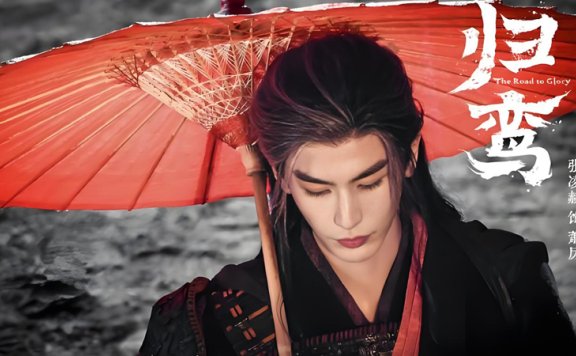
Step beyond the ornate palaces and into the fractured, ambitious heart of ancient realms with this season's most anticipated historical dramas. This collection of eight series offers a masterclass in narrative diversity, reimagining the past through lenses of gritty political ascent, supernatural destiny, and intellectual rivalry. From the war-torn docks where a bandit king forges an empire with a vengeful princess in The Road to Glory, to the mystical courts where a blind hostage's songs unveil terrifying futures in Chasing Dream, these stories are united by complex characters defying their fates. Whether it’s the meticulous craft of ink-making becoming a woman's weapon in Zhen Niang Zhuan, or two modern souls using office politics to survive a deadly palace in How Dare You, each drama promises a unique entry point into richly woven worlds. Prepare for journeys where love is tempered by strategy, legacy is fought for in markets and mansions, and history becomes a playground for suspense, revenge, and revolutionary partnerships. The Road to Glory (归鸾) Period Background: A fictional era of warring states and fractured dynasties Genres: Political Intrigue, Revenge, Warfare, Romance Main Roles: Zhang Linghe (as Xiao Li), Lin Yun (as Wen Yu) Adapted from: Original script The…- 125
- 0
-
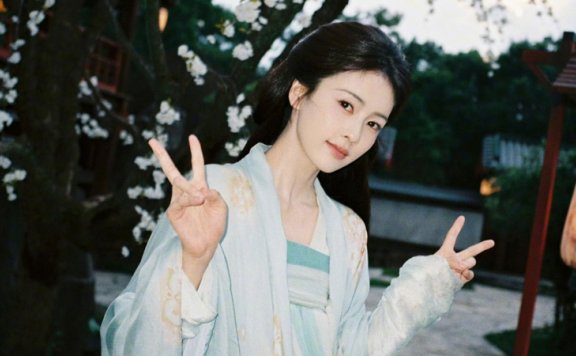
Bai Lu Embraces the Spirit of Traditional Chinese Style
In a recent series of images that swiftly captivated the internet, actress Bai Lu (白鹿) presented a vision of ethereal elegance that seems to transcend time. Dressed in a soft goose-yellow Ruqun (襦裙) robe overlaid with a sheer, misty cyan gauze outer garment, she appeared not as a modern celebrity, but as a celestial being from an ancient painting. The ensemble masterfully blends traditional Chinese aesthetics with a contemporary sense of grace, creating a "soft-fog" effect that is both delicate and profoundly arresting. This look doesn't just clothe the wearer; it surrounds her in an aura of timeless, gentle beauty that feels both familiar and wonderfully new. A Closer Look at the Details The magic lies in the meticulous craftsmanship. The pale cyan outer layer is light and translucent, reminiscent of morning mist clinging to a hillside. It adds depth and a dreamlike quality without obscuring the beauty beneath. The inner robe, in its warm, muted yellow hue, glows softly, its color evocative of sunlight on new blossoms. Upon closer inspection, exquisite embroidery reveals itself along the hems, each stitch a testament to refined artistry. These subtle details embody the quiet sophistication central to traditional Chinese design. Her hairstyle completes… -
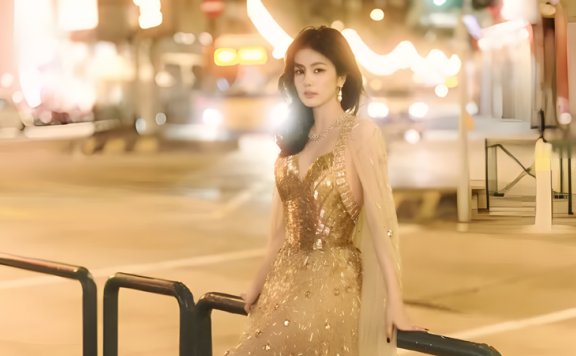
Bai Lu's Golden Dress: Is This the Ultimate Urban Queen Look?
The city lights blurred into a streak of gold as Bai Lu (白鹿) appeared, a vision commanding the night. Her latest photoshoot stopped social media feeds, a masterclass in modern elegance. Draped in a champagne gold gown that captured and refracted the urban glow, she didn't just wear the dress; she became the focal point of the metropolis itself. This was more than a fashion moment—it was a declaration of style sovereignty. Anatomy of a Masterpiece Closer inspection reveals why this look resonates so powerfully. The gown's construction is a feat of engineering and artistry. A slender halter neckline emphasizes her collarbone and shoulders, drawing the eye upward with regal grace. The bodice, a meticulous constellation of sequins, employs a gradient density that creates a living, shimmering effect with every subtle movement. The silhouette balances sensuality with sophistication. It traces the figure faithfully yet maintains an air of dignified restraint. The true genius lies in the juxtaposition of textures: the solid, gleaming metallic fabric against the ephemeral whisper of a tulle stole. This stole, floating on the night breeze, adds a layer of dynamism and mystery, preventing the opulence from feeling static or heavy. Every component works in concert. The…- 37
- 0
-
10 Actors Dominated 2025 as China’s Top Drama-Carriers
In 2025, the Chinese entertainment industry witnessed a significant shift as performers transcended traditional boundaries, embracing roles that defied expectations and showcased their depth. This year highlighted a move towards authentic storytelling, where actors demonstrated remarkable versatility across television and film. Their journeys from familiar archetypes to complex characters not only captivated audiences but also redefined success metrics, emphasizing artistic growth over mere popularity. 1. Liu Yuning (刘宇宁) - The Prisoner of Beauty, and A Dream Within a Dream Liu Yuning began his career as an online musician, but 2025 marked his emergence as a compelling actor. In the series The Prisoner of Beauty (折腰), he portrayed a leader with a mix of authority and vulnerability. His attention to small details, like subtle facial shifts, brought depth to intense scenes. This performance challenged perceptions about artists transitioning from digital platforms to mainstream media. He further displayed his range in A Dream Within a Dream (书卷一梦), where he took on two distinct roles. Switching between a cunning prince and a carefree swordsman, he used vocal variations and eye movements to differentiate them seamlessly. His dedication to refining each part underscored a self-taught approach that resonated with viewers and critics alike. Beyond…- 132
- 0
-
Tang Dynasty Hanfu: How Celebrities and Flattering Styles Win Hearts
In today's fashion landscape, traditional attire from China's Tang Dynasty is experiencing a vibrant resurgence. This era, celebrated for its cultural prosperity and artistic innovation, has left a lasting legacy in clothing that emphasizes grace and adaptability. Hanfu styles from this period, with their flowing silhouettes and intricate details, are being rediscovered by a new generation. What makes them particularly appealing is their ability to flatter diverse body types and facial features, moving beyond rigid beauty standards. From curvy figures exuding opulence to slender frames radiating elegance, Tang Hanfu offers a versatile canvas for self-expression. Recent television series and celebrity endorsements have amplified this trend, making it more accessible and inspiring people to embrace their unique beauty through historical fashion. Flattering Designs The Qixiong Ruqun (齐胸襦裙) stands out as a quintessential Tang Dynasty garment, known for its high-waisted cut that rests above the bust. This design creates a universally flattering shape by avoiding tight fits and instead using soft, draping fabrics that flow with the body. For those with curvier builds, the loose structure and billowing sleeves help smooth lines and convey a sense of dignified luxury. Slimmer individuals find that the lightweight materials enhance their natural grace, adding an…- 66
- 0
-
Dive Into 5 Captivating Chinese Mysteries
In recent years, a fascinating new wave of Chinese historical dramas has been captivating audiences, distinguished not by star power but by rich storytelling, intricate production design, and a unique cultural aesthetic. These series seamlessly blend mystery, the supernatural, and political intrigue against the backdrop of meticulously recreated ancient settings. Leading this trend are several standout productions from the mid-2020s, such as Strange Tales of Tang Dynasty III: Chang'an and Blade of Vengeance. They represent a shift towards "Zhongshi Guiguai (中式诡怪)", a distinctly Chinese approach to the eerie and supernatural, offering a fresh alternative to Western genres. These dramas are characterized by their complex, case-driven narratives that are often woven into larger, overarching conspiracies, immersing viewers in worlds where every solved mystery reveals deeper layers of courtly ambition and hidden truths. The commitment to authenticity is paramount, from constructing vast, physical sets like Chang'an's Western Market to choreographing fluid, demanding fight sequences performed by the actors themselves. Furthermore, they explore profound themes of justice, memory, and revenge, grounding their fantastical elements in the emotional journeys of compelling characters whose partnerships—forged in conflict and mutual respect—form the heart of the story. This convergence of intellectual mystery, visceral action, and deep cultural…- 83
- 0
-
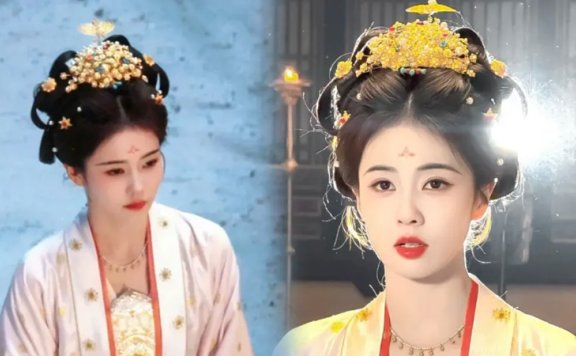
The Golden Moth: How a 1,400-Year-Old Hairpin Captured Modern Hearts?
In the bustling world of historical dramas, a tiny golden insect has taken flight from ancient tombs to modern screens. The appearance of a distinctive moth-shaped hairpin in the popular series Unveil: Jadewind (唐宫奇案) , worn by actress Bai Lu (白鹿) as her character Li Peiyi (李佩仪), sparked instant recognition among viewers. "I’ve seen that in a museum!" exclaimed countless fans, pinpointing its origin to a real artifact excavated decades ago. This exquisite piece, known as the Nao'e (闹蛾) hairpin, transcends its role as a costume prop. It represents a breathtaking fusion of Tang Dynasty artistry, cultural symbolism, and a poignant human story, connecting audiences across centuries through its delicate, shimmering wings. Its journey from an elite child’s grave to a television phenomenon reveals the enduring power of historical craftsmanship and the timeless desire to adorn oneself with meaning. Artisan's Legacy Unearthed in 1957 from the tomb of Li Jingxun (李静训) in Xi'an, Shaanxi Province, this Nao'e hairpin now resides in the National Museum of China. Classified as a Buyao (步摇), a type of hairpin designed to tremble gracefully with movement, it exemplifies the pinnacle of Sui Dynasty goldsmithing. Renowned scholar Shen Congwen (沈从文) identified similar pieces in his work… -
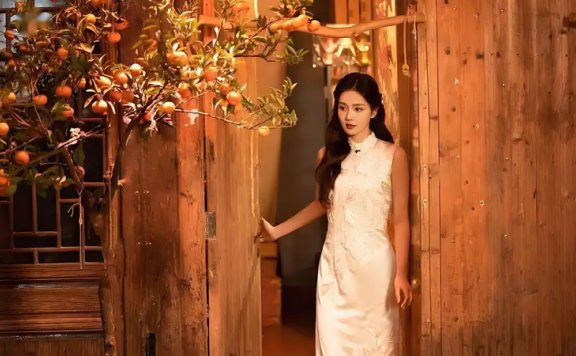
31-Year-Old Bai Lu Stuns in Golden Embroidered Qipao
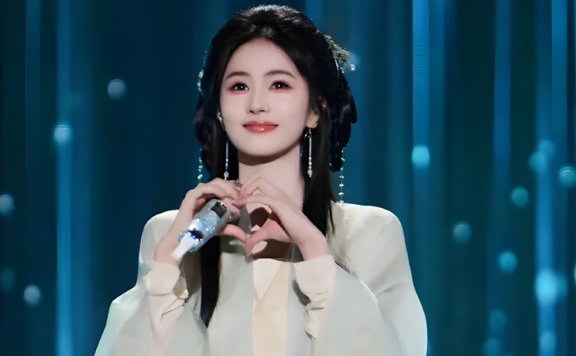
Since 2021, Bai Lu (白鹿) has consistently transformed her public image, evolving from a fresh-faced sweetheart to a captivating presence radiating sophistication. Her recent appearance in a live stream became an instant phenomenon. Clad in a stunning gold embroidered high-slit Qipao, she commanded attention like a beacon. Online commentary exploded with reactions ranging from awe to disbelief: "Is that a heart gesture? It feels lethal!" and "Was this Qipao sculpted just for her?". At 31, her ability to consistently generate such fervent admiration begs the question: what makes her fashion moments truly extraordinary? Craftsmanship and Confidence The gold embroidered Qipao itself spoke volumes of meticulous artistry. Its high slit masterfully accentuated her silhouette. Standing sideways during the broadcast, her defined waist and the subtle glimpse of her leg, combined with her luminous complexion, painted a picture of effortless grace. A slight tilt of her head revealed a sharp jawline, perfectly embodying a blend of innocence and allure. Viewers marveled, questioning if such poise could be real. While many contemporaries remain anchored in youthful styles, Bai Lu demonstrated the commanding power of a seasoned star in this traditional attire. Her discipline and dedication to her craft shine through, proving that self-mastery…- 149
- 0
-
Who's the New Leading Lady of Cdramas?
The last two years in the drama market have felt like a desert: too many misses, too few real hits. When it comes to the industry's definition of who can "carry a drama" (扛剧, means recognition from producers and platforms, not just fan hype), producers and platforms are becoming much more cautious. Compared to the so-called "traffic stars" whose pulling power is always in a Schrödinger's cat state—sometimes effective, sometimes an illusion—the top actresses who have built their status step by step through solid works are generally seen as the real deal when it comes to carrying a show. But in just one year, even this assumption has been shaken hard by the turbulence of the market. This rundown isn't about crowning or dismissing anyone—it's about looking closely at how these actresses are holding up in the storm: what they still have in hand, and what is slipping through their fingers. Yang Zi and Zhao Liying: Invincible Status? If we're talking about who still has an "unbroken golden body" (metaphor for a stable, almost invincible status), from the '85 generation to the post-2000s, it really feels like only Yang Zi (杨紫) and Zhao Liying (赵丽颖) remain. Zhao Liying's The Legend…- 249
- 0
-
Bai Lu's Weight Loss: Health vs. Career Debate in Entertainment
Bai Lu's (白鹿) dramatic physical change has become a national talking point since spring 2024. Between March sightings on the Tang Gong (唐宫) set, where she appeared with soft, rounded cheeks, and August glimpses from Mo Li (莫离) filming revealing a drastically thinner frame, the 28-year-old actress reportedly shed over ten pounds, now weighing just 80 pounds. This places her well below a healthy BMI range. Public reaction swings between concern over her visible fragility and uncomfortable questions about the extreme demands placed on actresses. This transformation wasn't accidental. During Tang Gong filming in March, she radiated a vibrant, healthy energy, her face full and her complexion glowing. Her historical costumes emphasized a noble elegance. Fast forward to August on the Mo Li set, where her character, strategist Ye Li (叶璃), requires an ethereal thinness. Costumes hang loosely on her frame; her facial structure appears sharply defined, almost severe. Initial fan reactions weren't admiration, but alarm: "Could she faint?" While Bai attributed the weight loss to stomach issues, the sheer speed and extent suggest more than simple dietary sensitivity. Seeing an actress who once embodied youthful vitality now struggling to fill small-sized clothing is deeply unsettling. Industry's Unspoken Rulebook The…- 367
- 0
Bai Lu


Scan to open current page
-
$CouponsLimitation of use:Expired and UnavailableLimitation of use:
before
Limitation of use:Permanently validCoupon ID:×Available for the following products: Available for the following products categories: Unrestricted use:Available for all products and product types