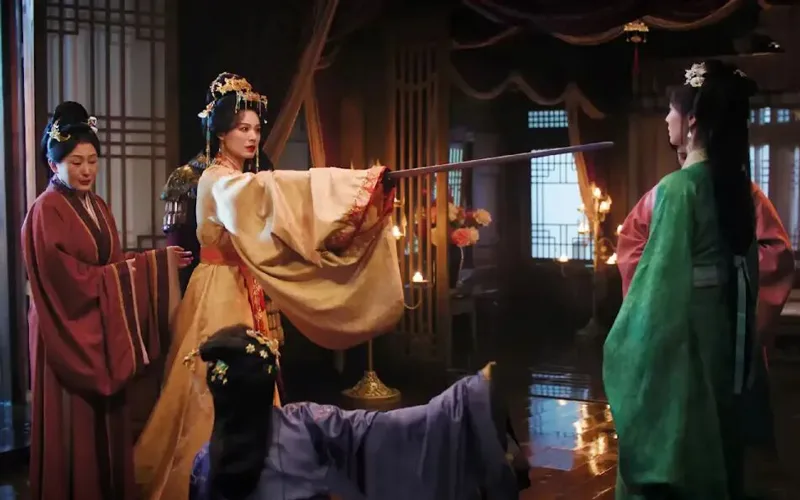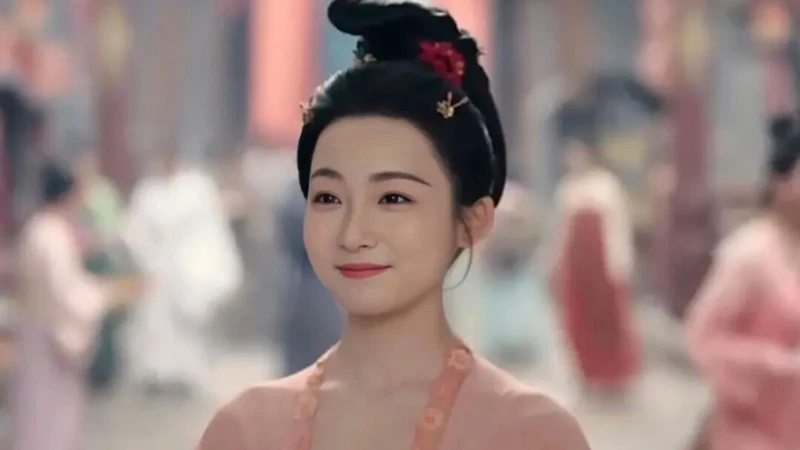
Does a cute face truly fit the legendary Empress we know? The recent television series Strange Tales of Tang Dynasty Ⅲ: Chang’an (唐朝诡事录之长安) has sparked fervent discussion with its portrayal of a young Wu Zetian (武则天). Viewers expressed disbelief, questioning how the formidable female emperor could be depicted with such a soft, almost doll-like appearance. This portrayal clashes with the widely accepted historical image of a woman possessing a square forehead and broad cheeks, features believed to signify great ambition and power.
The debate goes beyond mere acting, touching upon a deeper question: how should contemporary media represent formidable historical figures, especially women whose authority defied traditional norms?
Historical Face
What did Wu Zetian actually look like? Historical records, notably the New Book of Tang (新唐书), describe her with the term “Fang E Guang Yi” (方额广颐), meaning a square forehead and wide jawline. This was considered an auspicious physiognomy, predicting nobility and strength. Her own daughter, Princess Taiping (太平公主), was said to share these features, leading Wu Zetian to remark that she resembled her. This historical description presents a stark contrast to the delicate, “moe” style favored in some modern interpretations.
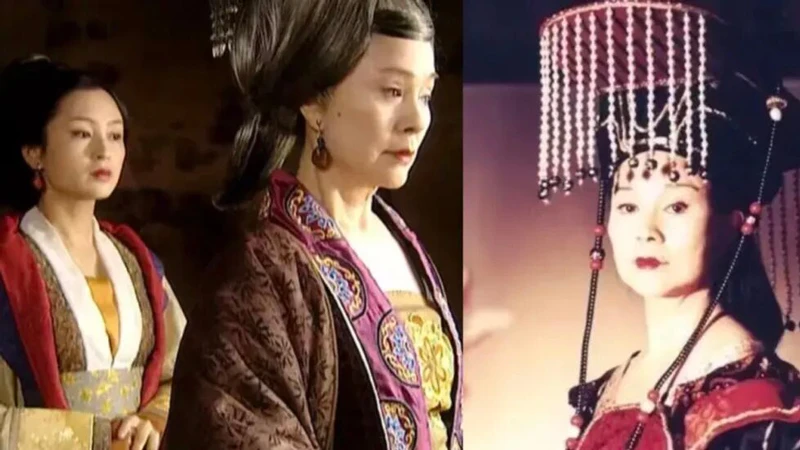
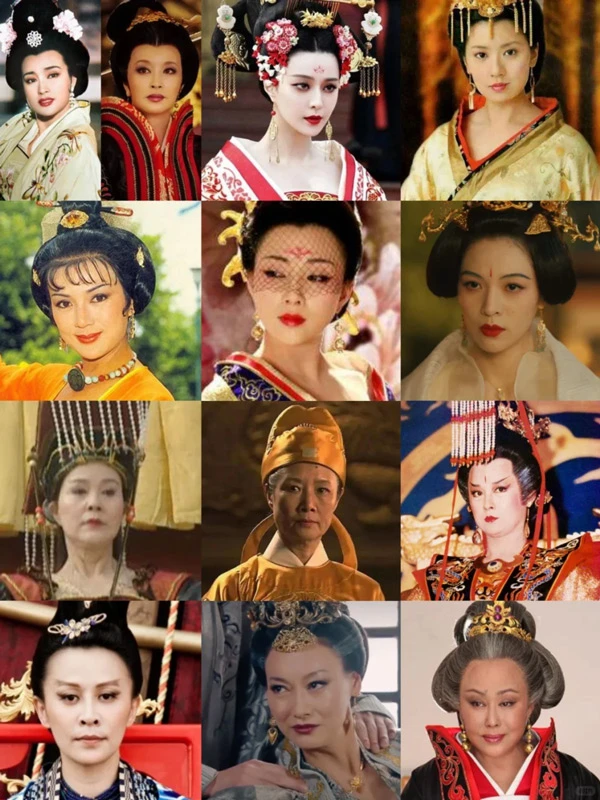
This established image has been powerfully brought to life by veteran actresses like Liu Xiaoqing (刘晓庆) and Lü Zhong (吕中). Their performances captured a unique blend of feminine grace and imperial authority. They did not rely on cuteness but on a commanding presence, a subtle intelligence in their eyes, and an unshakable composure. Their versions have become the benchmark against which new portrayals are measured, making any significant deviation immediately noticeable and often criticized by a knowledgeable audience.
The challenge for any production is balancing historical plausibility with creative license. While complete accuracy is impossible, a portrayal must at least resonate with the collective historical understanding. When a character’s visual representation fundamentally contradicts documented evidence, it breaks the audience’s immersion. It reduces a complex, world-changing figure to a simplistic archetype, failing to convey the sheer force of will required for a woman to claim the title of emperor in a male-dominated era.
Imperial Wardrobe
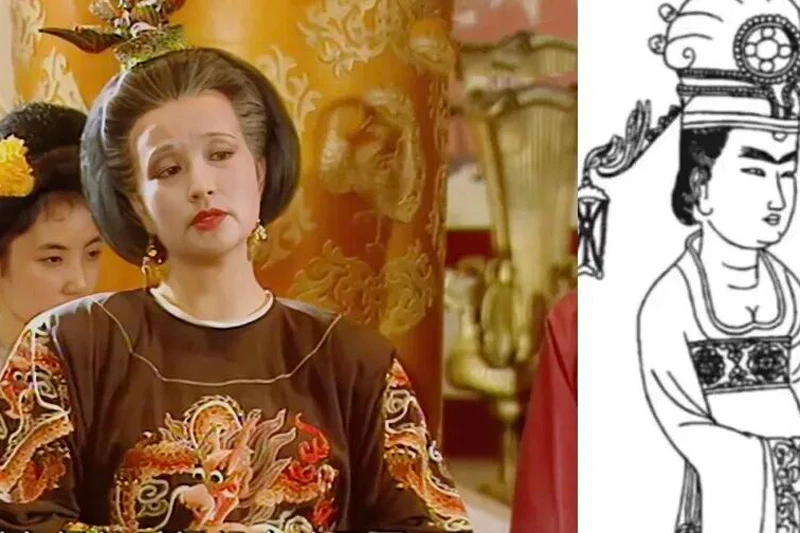
Beyond her face, Wu Zetian’s clothing tells its own story of power. As emperor, her most formal attire was the Mianfu (冕服), a majestic robe and crown ensemble typically reserved for male sovereigns. This garment, depicted in portraits like those by Yan Liben (阎立本), was worn for the most significant state ceremonies. Its adoption by Wu Zetian was a powerful sartorial statement, visually asserting her rightful place in the male lineage of Chinese rulers.
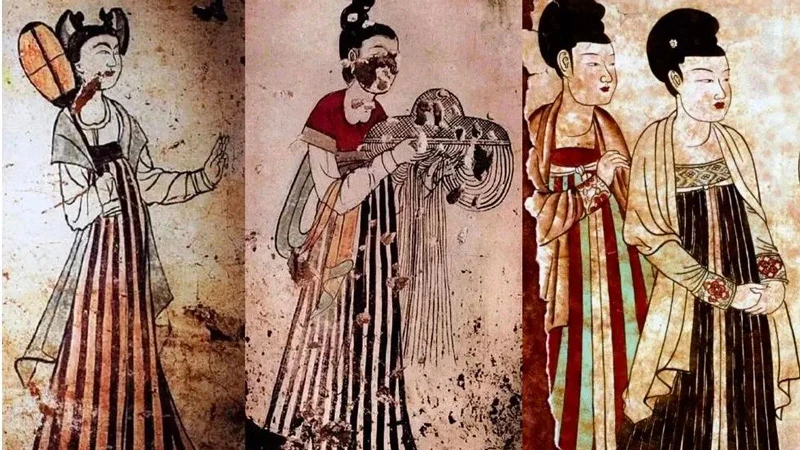
In her daily court life, she would have worn elaborate gowns and headdresses befitting her station. The Di Guan (翟冠), a ceremonial headdress adorned with pheasant feathers, was a symbol of the highest-ranking imperial consorts. Her everyday fashion, however, also reflected the trends of her time. The Tang Dynasty was a peak of Chinese culture, and women’s fashion saw remarkable diversity and confidence.
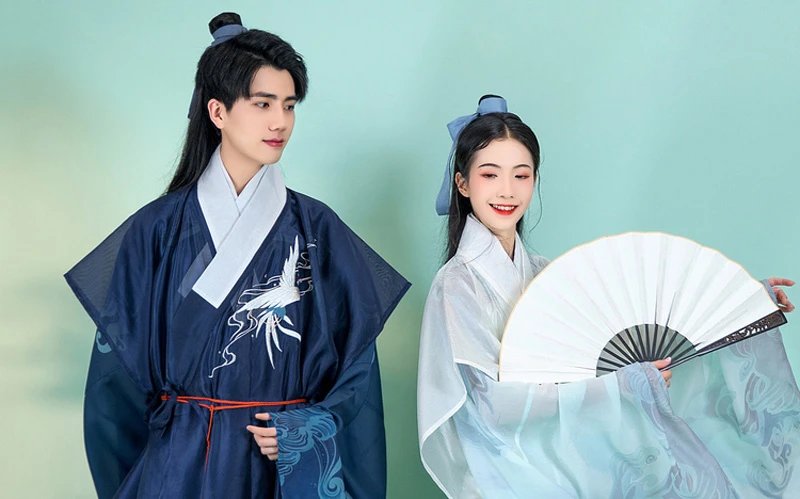
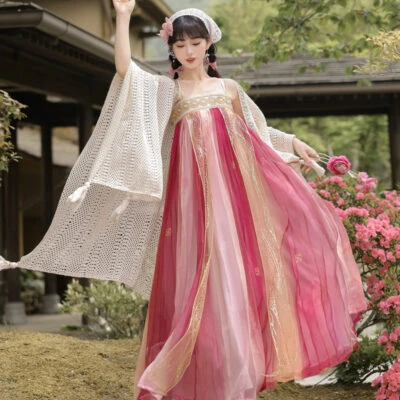
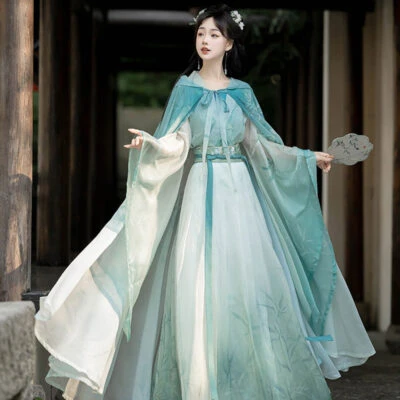
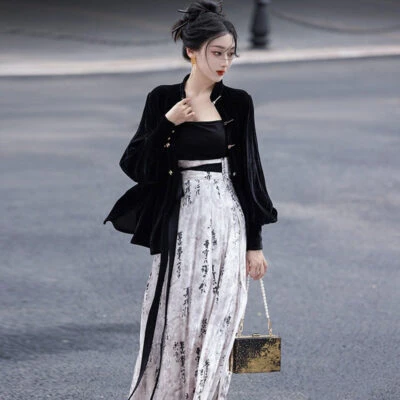
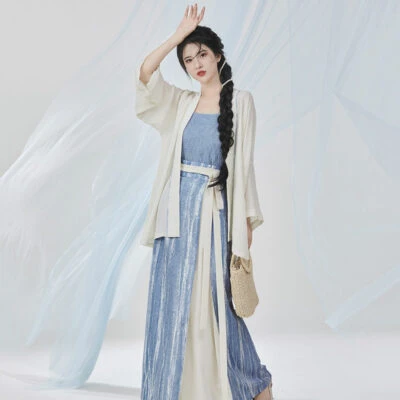
Items like the Beizi (背子, a long coat) and Banbi (半臂, a short-sleeved jacket) were popular, often made from luxurious brocades. A notable trend was the Tanling (坦领, a low-cut collar), which demonstrated a surprising openness for the period. These elements, sometimes seen in historical dramas, point to a society where women of status could express personal style and confidence through their clothing, a spirit Wu Zetian undoubtedly embodied.
Modern Echoes
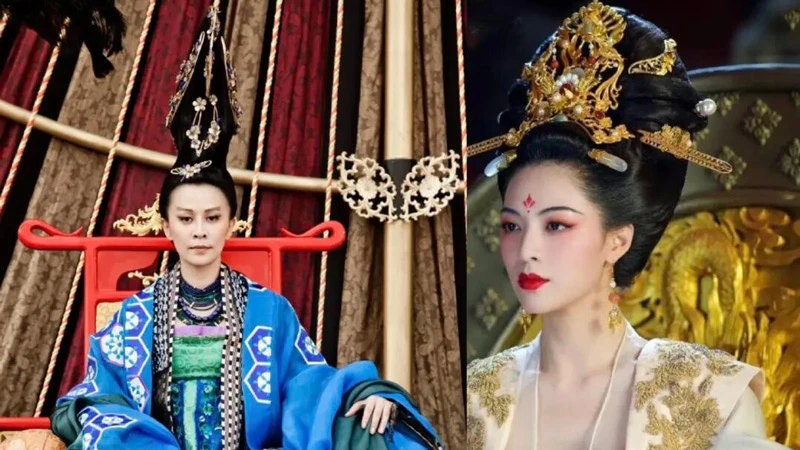
The fascination with Wu Zetian’s image continues in modern media. From the solemn and authoritative depiction by actress Chen Jin (陈瑾) to the glamorous interpretation by Fan Bingbing (范冰冰), each version reflects the era that produced it. These portrayals are less about historical fidelity and more about how contemporary society views power, femininity, and leadership. The recent “cute” interpretation says more about modern entertainment tropes than it does about the historical empress.
This ongoing reinterpretation is not necessarily negative. It keeps the story of an extraordinary woman alive for new generations. The key is for audiences to recognize the difference between historical drama and historical fact. The debates on social media prove that the public holds a strong, researched image of this iconic ruler and is quick to challenge representations that feel superficial or inaccurate.
Ultimately, Wu Zetian’s true power lies not in the specific shape of her face or the style of her gown, but in her unparalleled story. She broke the ultimate glass ceiling of her time. The most compelling portrayals are those that capture this essence—her brilliant mind, her political cunning, and her relentless will. Any representation that focuses solely on her appearance, whether conventionally beautiful or cutely stylized, without conveying this formidable inner strength, fails to do justice to one of history’s most remarkable leaders.