
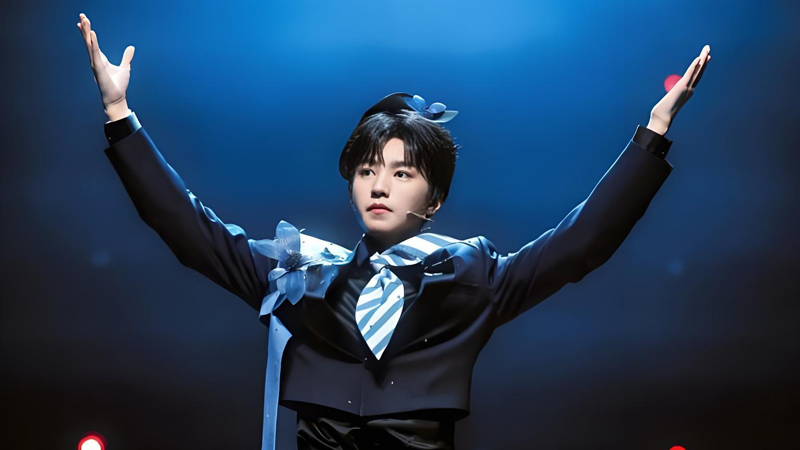
The recent online discussion surrounding Wang Junkai (王俊凯) points to a deeper change within China's entertainment landscape. It highlights the unspoken contract in the idol economy. Fans invest emotion and support, expecting a certain kind of engagement in return.
When a public figure begins prioritizing long-term craft over immediate fan service, this contract is tested. What some call a backlash is perhaps a natural recalibration. The path from a popular star to a dedicated professional involves a mutual, often silent, selection process between the artist and their audience.

1. The Fractured Contract Between Wang Junkai and His Fans
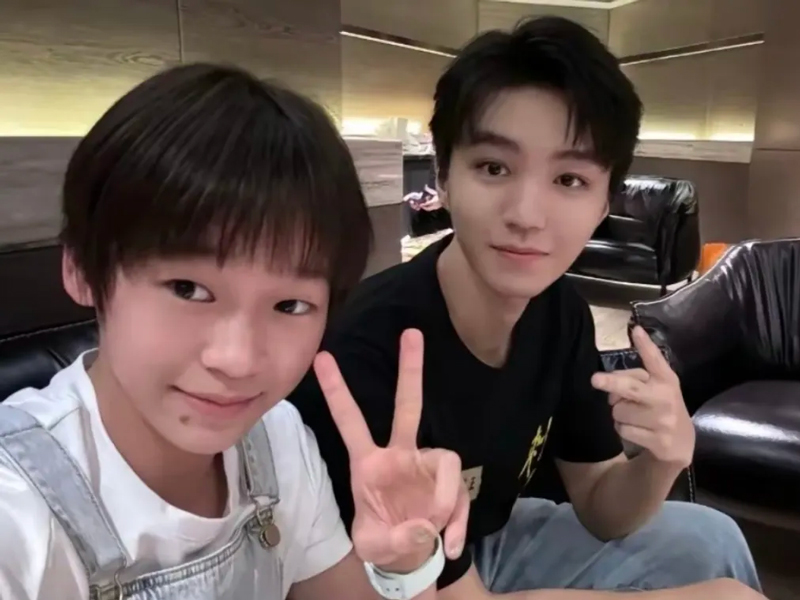
The digital sphere hums with a peculiar energy when two stars from seemingly distant constellations briefly align. A short video, a playful exchange, a moment of unguarded camaraderie—such fragments are often consumed as light entertainment. Yet beneath the surface of these curated glimpses, complex currents of expectation, investment, and identity silently churn. For the dedicated observer, these moments are rarely just fun; they are data points, signals to be decoded, reflecting the evolving contract between public figures and those who support them. When Wang Junkai, an artist navigating the precarious path from idol to actor, engages with Olympic champion Quan Hongchan (全红婵) in a casual, meme-friendly clip, it is not merely content. It becomes a litmus test, revealing the fragile chemistry of modern fandom and the often-painful process of professional metamorphosis.
Shifting Foundations
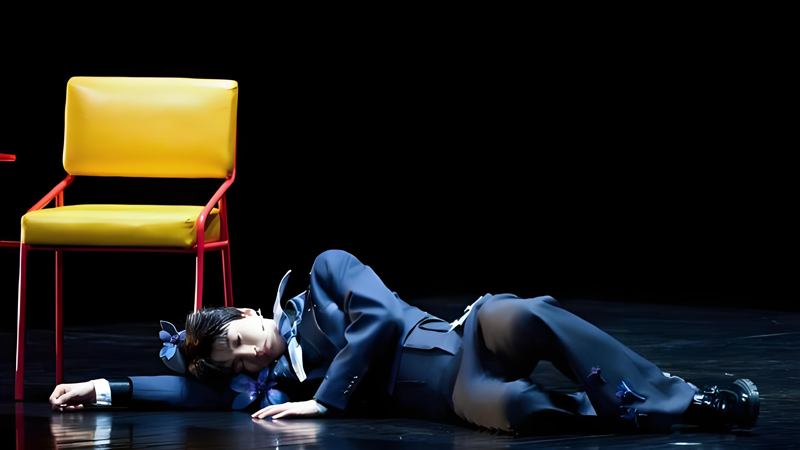
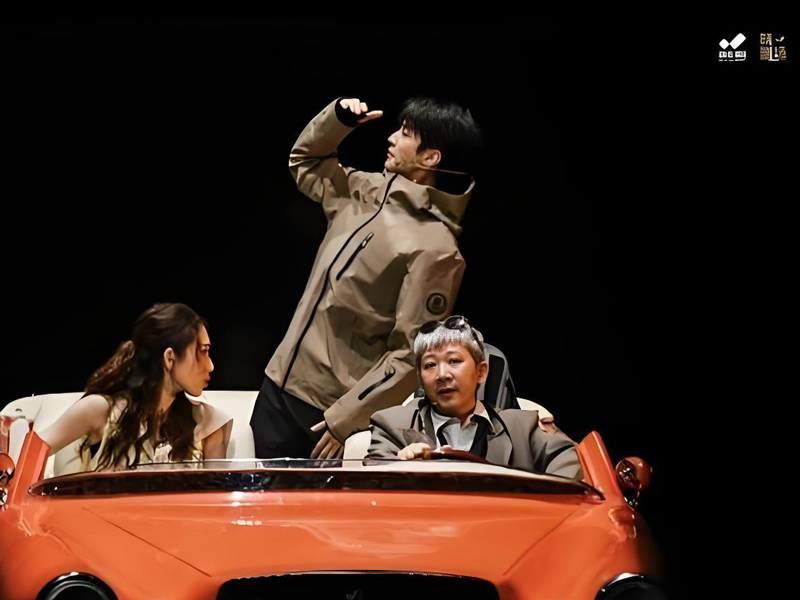
The reaction among segments of Wang Junkai's longtime supporters was swift and severe. What appeared as a harmless, relaxed interaction was interpreted by some as a misstep, a sign of misplaced priorities. Criticism focused on his team's promotional strategy for the new stage play Chen Shijie Hai Nianqing (趁世界还年青). The use of a lighthearted viral trend, rather than deep-dive content about the performance itself, struck a nerve. For fans invested in his artistic credibility, this approach felt reductive. It seemed to prioritize fleeting internet buzz over substantive discussion of craft, character, or the theatrical work's merit.

This surface-level grievance pointed to a deeper, more emotional rift. The playful version of Wang Junkai in the video felt familiar yet distant. It recalled an earlier era of his career, defined by frequent, informal sharing and a perceived accessibility that fostered a powerful sense of connection. That version now seems reserved for interactions with fellow celebrities or within specific professional contexts, not for the fan community that once felt its exclusive claim. The platforms where this intimacy once flourished have transformed, becoming channels for formal announcements and branded content.
The cancellation of an annual ritual, like a birthday live stream, acts as more than a scheduling conflict. It is read as a symbolic withdrawal, a closing of a window that was once kept deliberately open. These changes accumulate, creating a palpable sense of emotional displacement. The artist's necessary evolution towards a more reserved, work-focused public persona clashes directly with the foundational intimacy his early career was built upon.
The Cultivation Paradox
This tension is magnified for artists like Wang Junkai, who emerged from the "idol cultivation" system. This model does not simply sell music or performances; it trades in shared journey. Fans are positioned as witnesses and participants in a growth narrative, from trainee to star. Their support—through votes, purchases, and constant online engagement—is framed as instrumental fuel for this ascent. In return, they receive regular, personal-feeling updates: life fragments, candid thoughts, a curated illusion of proximity.
This cycle creates a powerful, reciprocal bond, but one with specific, often unspoken, terms. The high-frequency emotional "service" becomes an ingrained expectation, a core part of the unwritten agreement. The artist's public persona is not just admired from afar; it is felt to be co-created and maintained through this constant exchange. When that exchange rate changes, it is not merely a shift in strategy; it feels like a breach of a deeply personal contract.
Industry professionals like Xiao Ai (小艾), a former publicity agent for idol groups, understand this dynamic intimately. She has seen countless fans pour immense emotional and financial resources into supporting their chosen idols, only to eventually confront a sense of hollow return. The reasons for disillusionment vary, but the pattern is a constant in the economy of fandom. The transition from an idol-centric model to a different professional identity is one of the most common, and most painful, catalysts for this disillusionment.
Two Economies, One Path
At the heart of this conflict lies a fundamental divergence between two economic and artistic models. The idol economy operates on the currency of attention and affinity. Its core mechanics involve mobilizing fan communities to generate data—chart positions, social media trends, sales figures for endorsed products. Success is measured in real-time engagement and the ability to convert loyalty into commercial transactions. Maintaining a close, responsive relationship with the fan base is not incidental; it is the central engine of the enterprise.

The actor's path, which Wang Junkai is actively pursuing, follows a different calculus. Here, value is accrued over the long term and is rooted in perceived skill and professional reputation. An actor's "worth" is determined by the quality and impact of their roles, the respect of directors and peers, and the ability to attract significant projects. Promotion focuses on the work: the depth of a performance, the challenges of a role, the collaborative process. While a dedicated fan base remains beneficial, the primary relationship is with the industry itself and a broader, more passive audience.
Attempting to migrate from the first model to the second is fraught with difficulty. The tools and behaviors that built the initial success—the constant interaction, the personal updates—can become obstacles to being taken seriously in the new field. Conversely, adopting the more reserved, work-focused posture of an actor can feel like abandonment to those who supported the idol. The artist is caught between two sets of expectations, trying to build a future without fully dismantling the structure of the past.
Beyond the Individual
The specific case of Wang Junkai and his fans is a single, high-profile example of a widespread phenomenon. It reflects a broader moment of transition within China's entertainment landscape. The first generation of massively popular, company-cultivated idols is now reaching career crossroads. Many seek to shed the constraints of the "idol" label and establish themselves as singers, actors, or directors—roles where longevity depends on different criteria.
This collective pivot forces a reevaluation of the entire fan-idol ecosystem. Fans, too, are navigating this change. Some struggle to reconfigure their support from the daily mechanics of data boosting to the slower, less tangible act of championing artistic projects. Others may simply disengage, their specific needs for interaction and reciprocity no longer met. The ecosystem itself is maturing, becoming more segmented, with different artist-fan relationships coexisting.
Ultimately, the playful video with Quan Hongchan was a spark, not the fire. The fire was already smoldering in the gap between what was and what is, between the intimate collaborator of a shared dream and the serious artist walking a solitary path. It highlights the silent, difficult work of redefinition—for the artist forging a new professional identity, and for the fan learning to support from a new, perhaps more distant, vantage point. Their stories, once so tightly woven, are now being narrated in potentially different genres.

2. The Unseen Bargain: Fame's Hidden Cost
In the spotlight's glare, a quiet negotiation unfolds. It is a bargain not of contracts, but of perception and expectation, shared between a public figure and those who follow. For the modern entertainer, particularly one ascending from the fertile, fast-paced ground of idol culture, every choice is a statement. To step closer to the audience is to embrace warmth and immediate connection. To step back is to seek shadow, depth, and the space required for transformation. This dance between proximity and distance defines careers and reshapes fan communities, often with a friction that reveals the delicate, unspoken terms of their relationship.
The Calculated Retreat
Visibility is currency, yet some choose to spend it sparingly. The decision to reduce one's presence in the casual, everyday spaces of social media and fan interaction is rarely accidental. It is a strategic withdrawal. For the idol aiming to be regarded as a serious performer, constant “fan service” can become a barrier, locking them into a persona that audiences find difficult to see beyond. Stepping off the perpetual content treadmill creates necessary ambiguity. It allows the mystery around a celebrity to rebuild, making space for a future character to feel real.
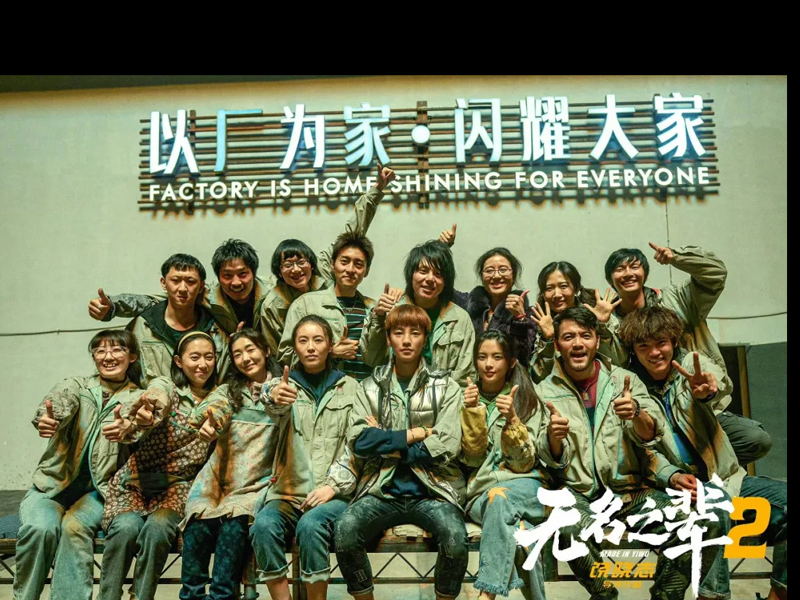
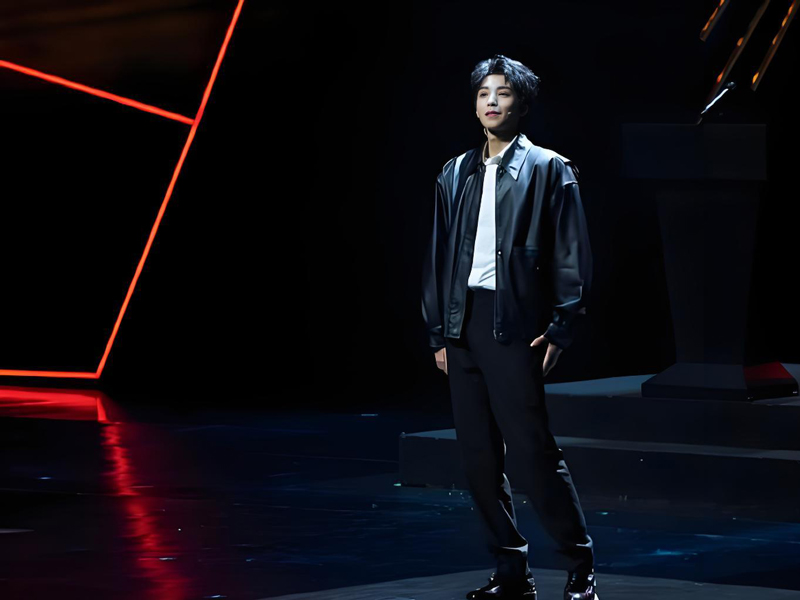
This path often leads to the stage, particularly the theatre. The choice to perform in a play, as Wang Junkai did, is significant. Unlike film or television, theatre offers no retakes, no editing, and an immediate, living audience. It is widely seen as a proving ground for raw skill. Such a move signals a commitment to craft that transcends digital metrics. It is an appeal to a different kind of supporter: one invested in the arc of a career and the strength of a performance, rather than the daily drip-feed of personal updates.
This transition, however, is a high-stakes gamble. It attempts to shift the foundation of an artist's appeal from what marketing insiders might call “fan economy” to a “work economy.” Success means being defined by roles played and stories told. But the interim period is perilous. Before a landmark performance arrives to validate the shift, the artist exists in a liminal space, no longer fully an accessible idol but not yet an undeniable acting talent. The old support system may fray before a new one is built.
When The Mirror Cracks
The friction of this shift manifests sharply in fan sentiment. A moment that crystallized this involved Wang Junkai and the Olympic diver Quan Hongchan. In a video, his demeanor—perceived as particularly warm or attentive—contrasted with his more reserved public stance elsewhere. For some fans, this created a jarring dissonance. As observer Xiao Ai noted, the version of him in that video was likely a deliberate construct, perhaps for promotional purposes. Yet, it reflected the version many fans longed to see directed at them.
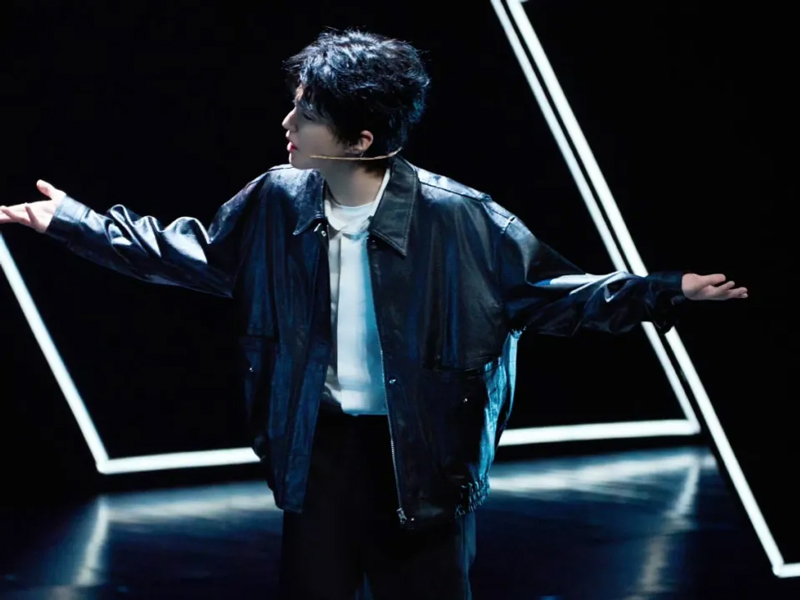
This incident highlights a core tension. The “idol” framework is built on a scaffold of perceived intimacy and relational fantasy, sometimes called “meng nü” (梦女) or “dream girl” thinking. The actor’s framework demands distance, allowing the audience to believe in the characters portrayed. When the two frameworks collide, psychological whiplash can occur. The fan is confronted with the artifice of the relationship they have invested in emotionally. The resulting disappointment is less about anger and more about a profound sense of misalignment.
Managing this fallout becomes a delicate task for management teams. As industry professional Shi Shi (施诗) suggests, clarity is key. Proactively framing interactions within their commercial or promotional context can soften the blow. If fans understand an event as part of a campaign for a new play, rather than a glimpse of unfiltered personality, the expectation gap narrows. The goal is to gently guide the audience’s perspective, helping them interpret actions through the correct lens—that of a professional building a career, not a friend maintaining a bond.
The Great Sorting
The ultimate resolution to this tension is not management, but natural selection. Not every supporter signs up for the same journey. Some are there for the person; others become invested in the artist’s professional evolution. When an idol begins prioritizing the latter, a sorting occurs. Those whose primary need is continuous personal connection may drift away. Those fascinated by the craft of performance may draw closer. This parting is rarely dramatic or malicious. It is a quiet recalibration, a recognition that the path has diverged from one's personal interests.
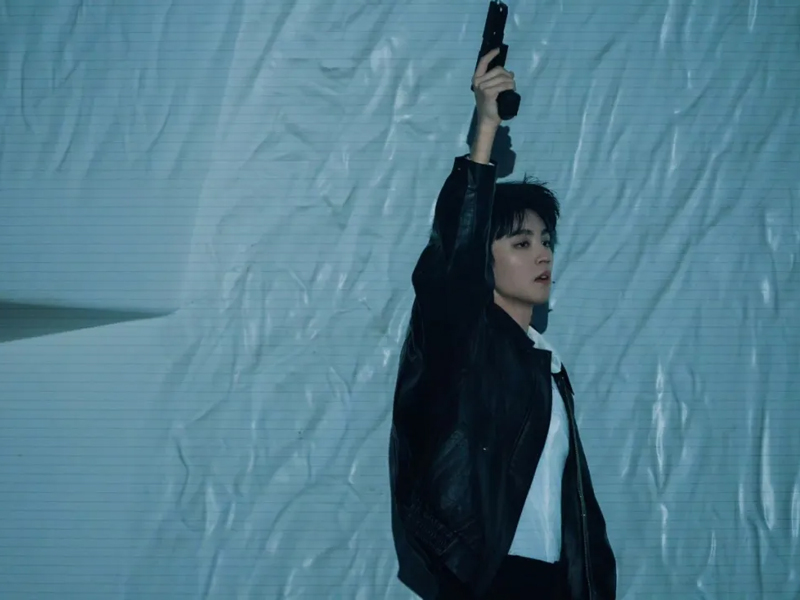
This phenomenon is widespread. When another star, Wang Yibo (王一博), explained a hiatus from acting by citing burnout and a need to rediscover his passion, it was a similar moment of realignment. He was asserting a need for personal and artistic space, implicitly asking his audience to accept that pace. The response, inevitably, is a sifting of his fanbase. Some will wait patiently, respecting the process. Others will seek fulfillment elsewhere, their need for consistent engagement unmet.
This continuous sorting is a healthy mechanism for the ecosystem. It allows artists to evolve without being permanently anchored to their earliest, most restrictive definitions. It also allows audiences to find figures whose current mode of operation matches their desired form of engagement. The bond that remains after such a shift is often more resilient, based on a shared respect for the work rather than an unsustainable illusion of friendship.
A Crowded Horizon of Choice
The contemporary landscape of fame has fragmented, empowering this natural selection. The monopoly once held by traditional film and television idols has shattered. Today's audiences can invest their attention and affection across a dazzling array of alternatives. Short-drama actors achieve intense, rapid fame. Livestream hosts build empires of direct interaction. Even theme park performers and professional gamers command dedicated followings.
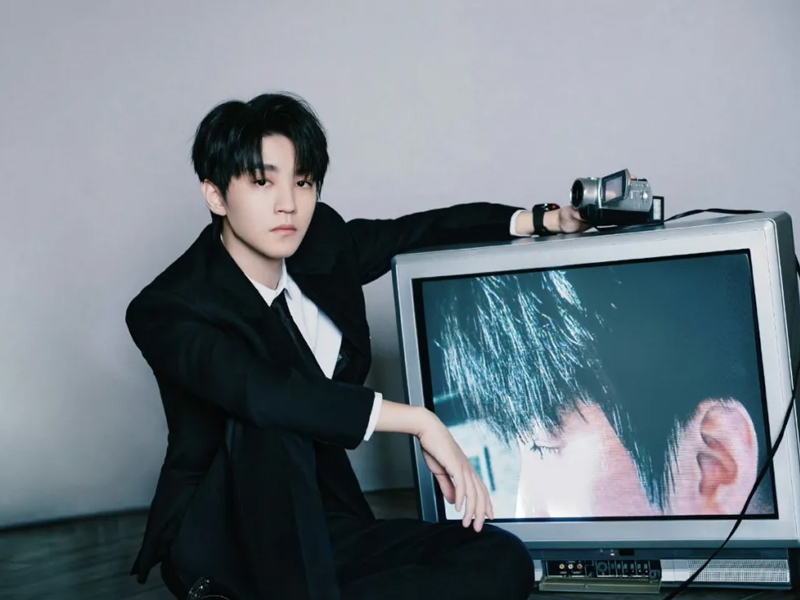
Music theatre, once a niche, now produces its own stars. Grassroots reality formats like those that produced Shi Ge Qintian (十个勤天) offer narratives of hard work and collective growth that resonate deeply. The point is clear: the market for admiration is no longer a single highway but a vast, interconnected network of smaller roads. Each path offers a different type of journey, a different balance between accessibility and artistry, effort and reward.
In this new reality, the idea of perpetual, unchanging fan loyalty is obsolete. Audiences are fluid, migrating towards personalities and formats that best suit their current preferences. There are no forever fans, only audiences that are continuously re-earned. The pressure this creates for established figures is immense, but it also creates freedom. It allows—and forces—artists to make clearer choices about who they want to be and which audience they wish to serve, knowing that on the crowded horizon, there is a space, and a crowd, for almost every conceivable kind of star.

The journey from idol to artist is a universal, yet deeply personal, recalibration. It is a renegotiation of the unspoken contract between star and supporter, moving from the currency of constant interaction to the value of crafted work. In today's fragmented entertainment landscape, this path is fraught with friction but also paved with new possibilities. The "fan economy" and the "work economy" demand different forms of engagement, leading to a natural, often silent, sorting of audiences.
While painful, this evolution signifies a maturing ecosystem where both artists and fans seek more sustainable identities. The true resolution lies not in reverting to the old pact, but in forging a new, more distant respect—a bond based not on perpetual proximity, but on the quiet acknowledgment of separate, parallel growth.
