
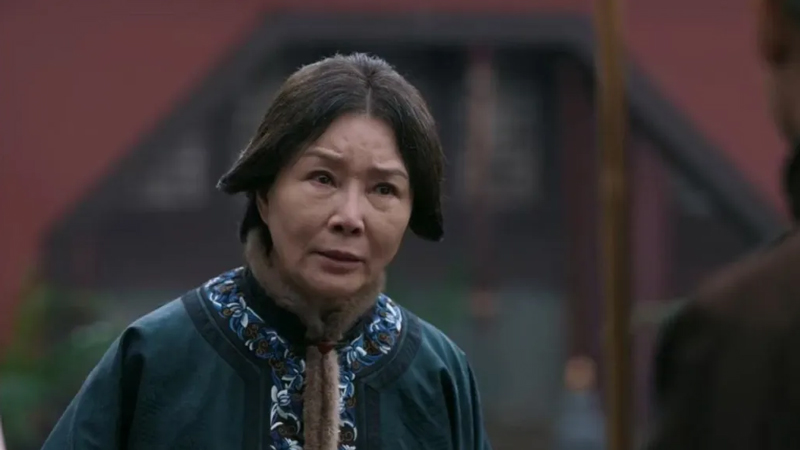
The final scenes of the Chinese drama Legend of the Magnate (大生意人) left many viewers perplexed. In a powerful climax at Jinshan Temple (金山寺), the elderly Gu Mother finally confronts Li Baiwan (李百万), the husband who abandoned their family decades ago. She reveals his true identity to their son, Gu Pingyuan (古平原), and details the cruel betrayal that led to her son's exile and shattered future. Yet, after this emotional reckoning, she chooses forgiveness. This decision puzzled audiences: how could she forgive a man who caused so much pain? The answer lies not in lingering affection or a sense of duty, but in a profound, personal liberation.
The Son's Stance
Gu Pingyuan's reaction is pivotal. After the shocking revelation at the temple, his initial grief turns to cold rejection. He declares the father he knew died long ago on the road to the imperial examinations. This man, Li Baiwan, is merely a stranger. Gu Mother, who has carried the weight of betrayal for twenty years, closely watches her son. His fierce protection and shared stance become her permission to let go. His unwavering support shifts the burden she has carried alone. By standing united with her son against the ghost of the past, she finds the first thread of release from her long-held resentment and confusion.
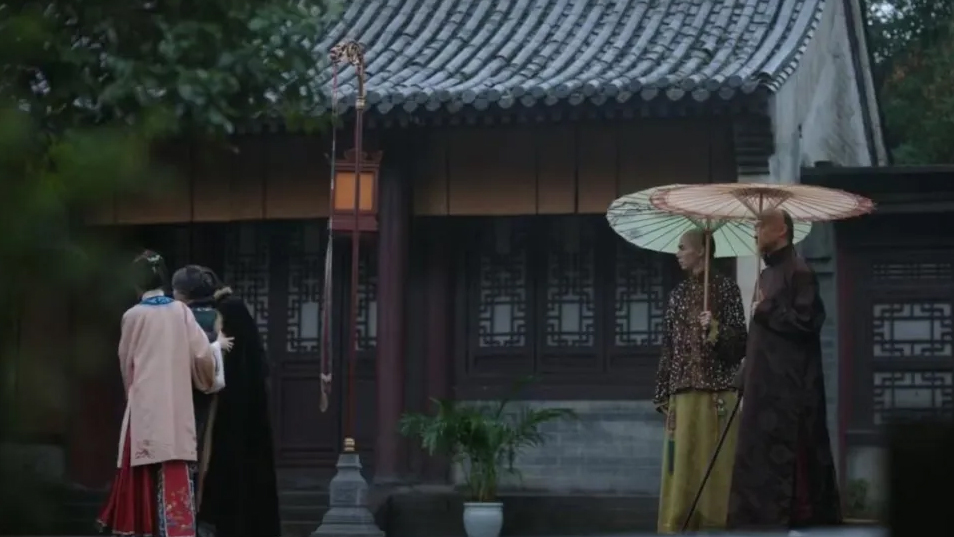
Furthermore, Gu Pingyuan actively consoles his mother. He does not dwell on vengeance but focuses on her present well-being. His maturity and care provide a safe emotional harbor. Seeing her son not destroyed by hatred, but strengthened by principle, allows Gu Mother to reconsider her own emotional prison. His perspective becomes a mirror, showing her that their family's strength lies in the present, not in the injustices of the past. This solidarity transforms her pain into a shared experience, making it easier to bear and ultimately, to move beyond.
The son's clear disavowal of Li Baiwan as a father figure effectively severs the last formal tie. It liberates Gu Mother from any societal expectation that she must uphold his name or role. With Gu Pingyuan leading the way in defining their family without the absentee patriarch, she is free to follow. Her forgiveness, therefore, is not an acceptance of Li Baiwan back into the fold, but an acknowledgment that his power over their emotional lives is finally, definitively, over.
A New Family Joy
Gu Mother's life after abandonment was built on hardship, but also on the love of her children. Her dialogue with Gu Pingyuan reveals a life that, while poor, was rich in filial devotion. This foundation of present happiness starkly contrasts with the empty pursuit of a painful past. Her sons' care created a world where Li Baiwan's absence was a void filled with other, more genuine bonds. This fulfilling reality makes clinging to old betrayal seem not only painful but unnecessary.
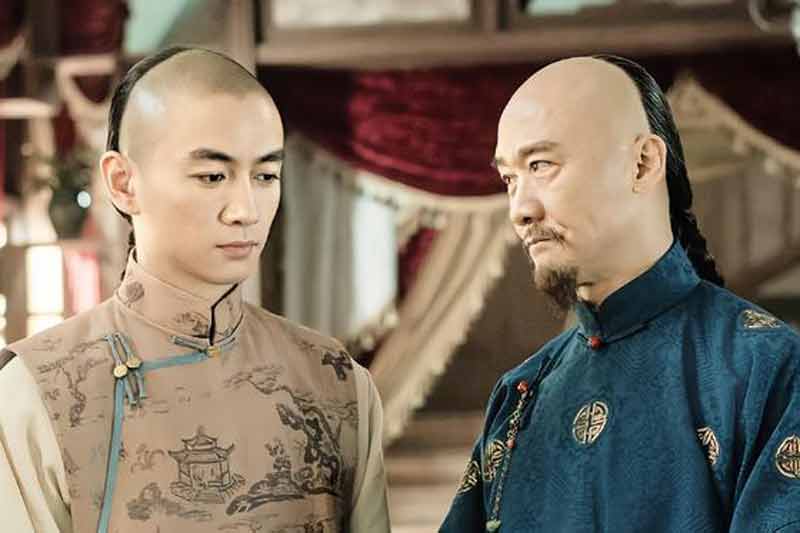
This renewal is cemented by her daughter-in-law, Chang Yu'er. When Gu Mother falls ill after recognizing Li Baiwan at a banquet, Yu'er tends to her tirelessly. Waking to see Yu'er exhausted from bedside care, Gu Mother is struck by the tangible love surrounding her. She possesses what truly matters: a caring, present family. The selfless devotion of her new daughter contrasts sharply with the selfish betrayal of her old husband, making the choice clear. To dwell on Li Baiwan would be to dishonor the beautiful family she has now.
Her primary motivation shifts to protecting this new peace. She realizes that nurturing hatred would poison the home her son and daughter-in-law are building. She wants to leave them a legacy of light, not a shadow of bitterness. Her forgiveness is, in part, a strategic act of love for the next generation. By letting go, she ensures that the cycle of pain stops with her, allowing her children to live freely, unburdened by her old grievances.
Letting Go for Herself
The most crucial reason for forgiveness is personal emancipation. Gu Mother realizes she has been a prisoner to a memory for decades. The man she waited for never existed; he was replaced by the selfish Li Baiwan. Holding onto the hope or the hurt only chains her to a ghost. Her statement, "I have put it down," is a declaration of self-release. She is not absolving him of his wrongs, but refusing to let those wrongs define her remaining years. This is an act of profound self-preservation.
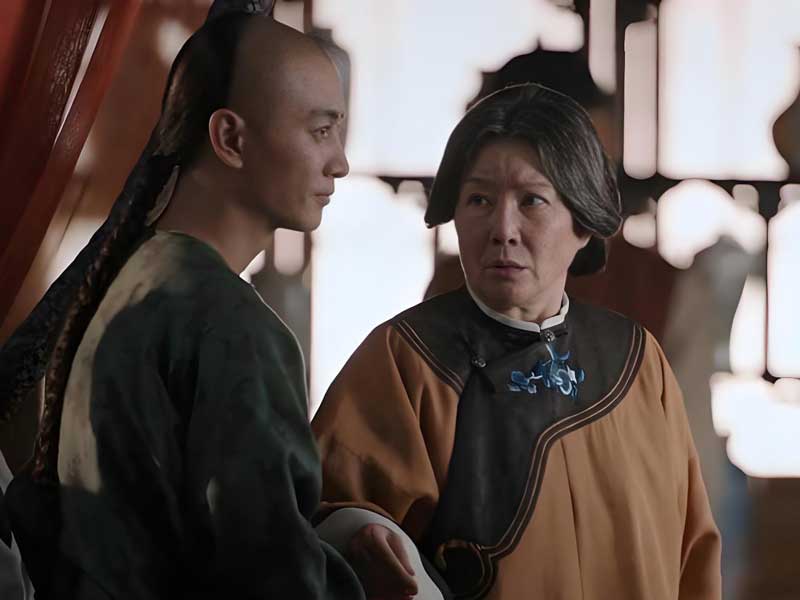
This decision is her final lesson in resilience. Having endured solitude and raised two fine sons alone, she understands true strength. Forgiving Li Baiwan is the ultimate demonstration of that strength—it means he no longer has any hold over her emotions or spirit. It is the final piece of her independence, claimed not in anger, but in quiet resolve. She moves from being a victim of his choices to the author of her own peace.
This liberation brings her story to a serene close. Learning of Yu'er's (玉儿) pregnancy, she departs this world with a smile, her heart finally light and free. Her forgiveness was the key to this peaceful end. It was never about Li Baiwan's worthiness, but about her own right to die unburdened. In the end, her choice to forgive was the most significant business deal of her life—trading a lifetime of heavy debt for the priceless asset of personal peace.
