Have you ever considered how a television drama’s title might hold the key to its deepest truths? The recently announced historical series Glory (玉茗茶骨) has sparked intense discussion, not for its plot, but for the profound duality embedded within its four-character name. This is not merely a label; it is a philosophical statement, a compact guide to understanding the interplay between human character and ancient tradition.
To unpack this title is to embark on a journey into the heart of Chinese aesthetics and the timeless struggle for integrity in a complex world. The series uses the lens of tea culture—its rituals, its language, its very essence—to frame a narrative about resilience and grace under pressure.
Glory’s Elegance
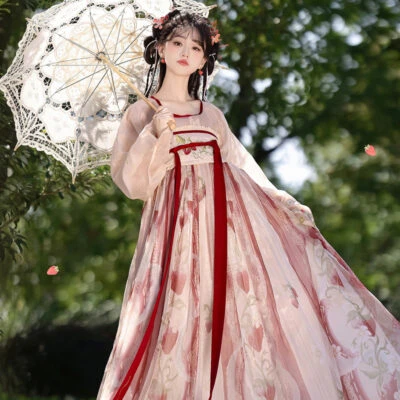
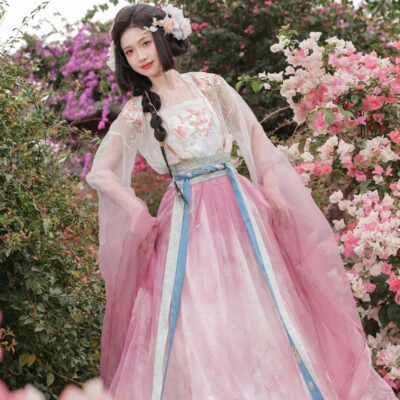
The first half of the title, Glory, evokes a specific and rarefied beauty. Yuming (玉茗) is a classical poetic name for the white camellia, a flower admired for its pure, jade-like petals and crisp, elegant fragrance. In the world of tea connoisseurs, it has come to signify the highest grade of tea—one with a luminous liquor, a refined aroma, and an aura of dignified purity. This term sets the visual and moral stage for the drama. It promises a world of understated beauty: the misty plantations of Jiangnan (江南), attire in subdued, elegant hues, and meticulously crafted tea utensils. More importantly, it defines the outward demeanor of the central characters.
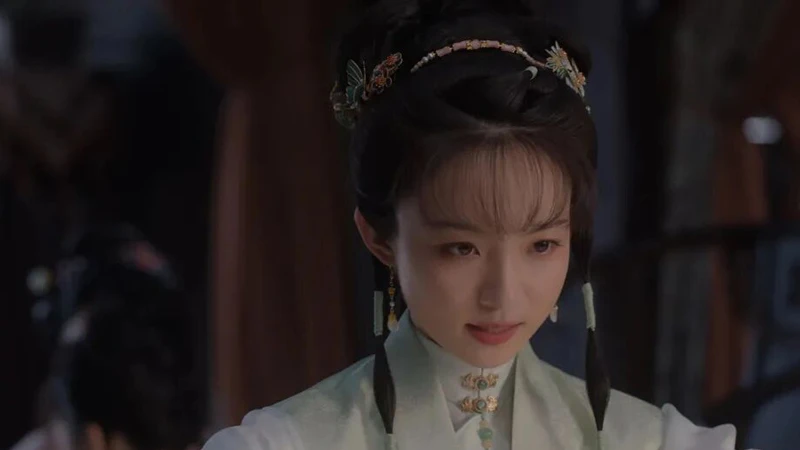
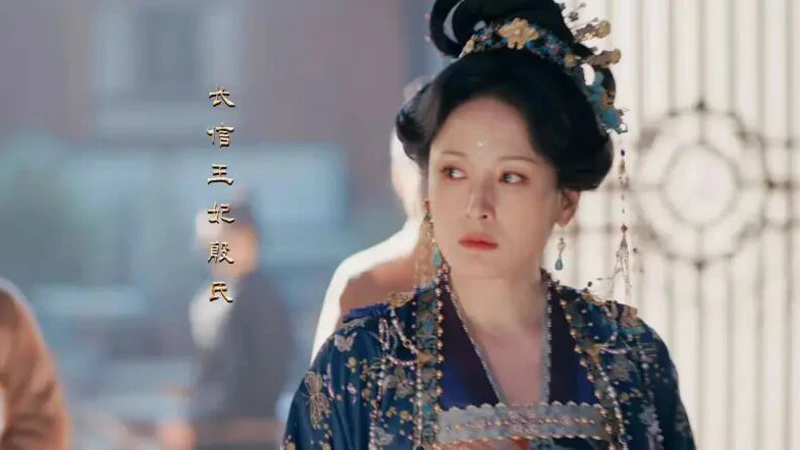
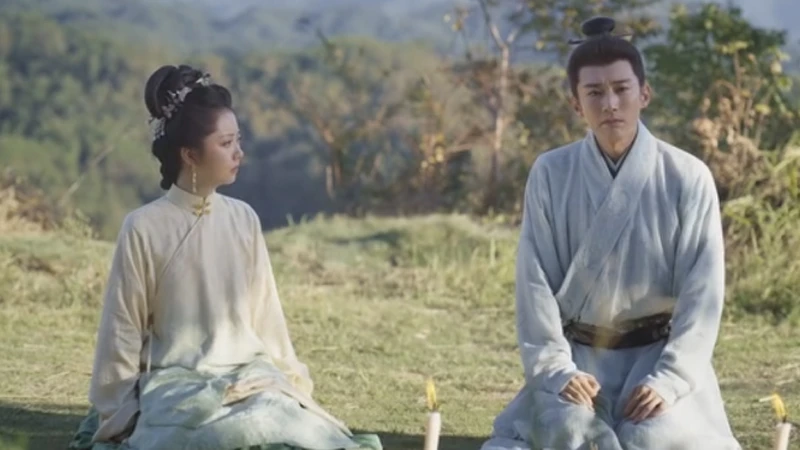
Consider the protagonists, Rong Shanbao (荣善宝), daughter of a tea empire, and Lu Jianglai (陆江来), a scholar-official. Their initial presentation to the world must mirror the qualities of Glory. They operate within societal structures, their actions guided by propriety, wisdom, and a visible strength that is polished and poised. Like the prized white tea, they project clarity and an uncompromised standard. This external “jade” quality is not weakness, but a cultivated form of strength—the ability to maintain grace and principle while navigating the intricate social and political webs of their time.
This elegance, however, is only the surface. The title suggests that to possess only the jade-like quality is to be like a first infusion: fragrant and promising, but perhaps lacking depth. The true test, for both tea and person, comes with time and heat. The narrative pushes these characters out of their comfortable gardens and into the fire of adversity, challenging the very elegance they outwardly portray. The journey asks whether this jade finish can withstand pressure or if it will crack.
Bone of Resilience
If Glory represents the visible ideal, then Glory signifies the hidden foundation. Chagu (茶骨) is a term from the deep lexicon of tea masters. Literally “tea bone,” it originally referred to compressed bricks of tea leaves, valued for their lasting potency. In a more abstract sense, it describes the enduring structure and resilient essence of a superior leaf. True tea bone is revealed not in the first steeping, but in the third or fourth. After enduring repeated washes of hot water, the leaf’s core—its “skeleton”—remains pliable yet strong, never disintegrating, and it continues to release a deep, lingering sweetness.

This is the central metaphor for the characters’ internal journey. Lu Jianglai finds his distinguished career shattered by a old scandal. Rong Shanbao must maneuver through familial betrayal and commercial warfare. Their refined exteriors are assaulted by plot and misfortune. The question the drama poses is whether they possess this inner “bone”—the tenacity to endure repeated trials, to be “steeped” by hardship without falling apart, and to ultimately reveal a fortitude that is stronger and sweeter for the struggle.
The process of forming tea bone is violent and transformative: withering, rolling, roasting. Similarly, the characters’ growth is not a gentle refinement but a forging. Their beliefs are challenged, their trusts broken, and their very identities questioned. The “bone” is what forms in this crucible. It is the uncompromising core of self that remains when all external trappings of status, reputation, and even safety are stripped away. It is the quiet, stubborn will to persist and to do so without sacrificing one’s fundamental humanity.
The genius of the title Glory lies in its necessary conjunction. One term cannot exist meaningfully without the other in this context. It presents a complete vision of cultivated character. The Jade is the cultivated grace, the aesthetic and ethical presentation to the world. The Bone is the unyielding resilience, the moral spine that supports that grace under duress. A person with only “jade” may be admirable but fragile. A person with only “bone” may be strong but brutish. The ideal, as in a perfect cup of tea, is the seamless integration of both.
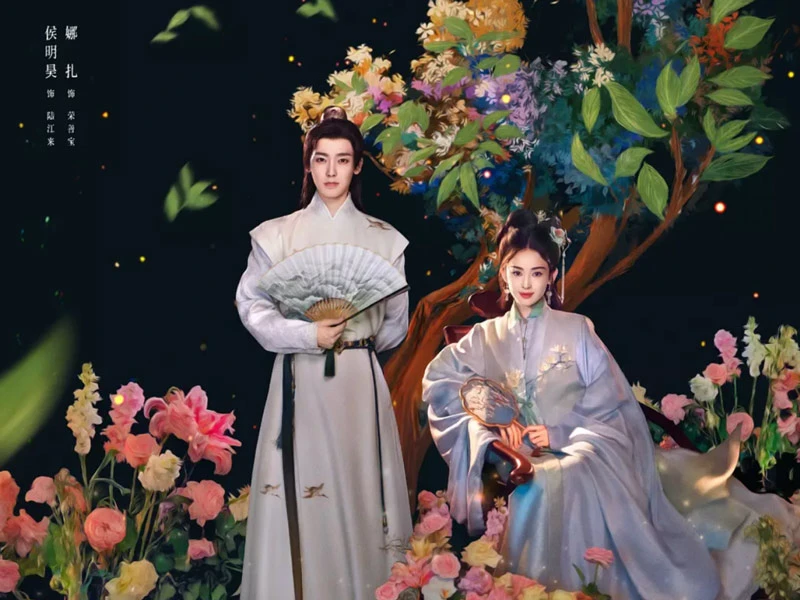
The drama, through the trials of its characters, explores how these two qualities interact and support each other. The initial jade-like purity motivates the fight to preserve something worth saving. The developing tea bone provides the strength to protect that purity against corruption. Their relationship evolves from wary association to a partnership where her strategic intelligence (a form of jade) complements his unwavering sense of justice (his foundational bone), and vice versa. Together, they begin to solve the mysteries entangling them.
Ultimately, the title serves as an invitation to a deeper viewership. It asks the audience to look beyond the surface plot of historical intrigue and romance. To watch Glory is to engage in a parallel reflection: How do we, in our own lives, cultivate both the elegant clarity of jade and the enduring strength of tea bone? The series suggests that this dual cultivation is the most profound human practice, one that allows us, steeped in the hot water of our years, to finally produce a life of authentic and lasting flavor.