Article
Search results:
-
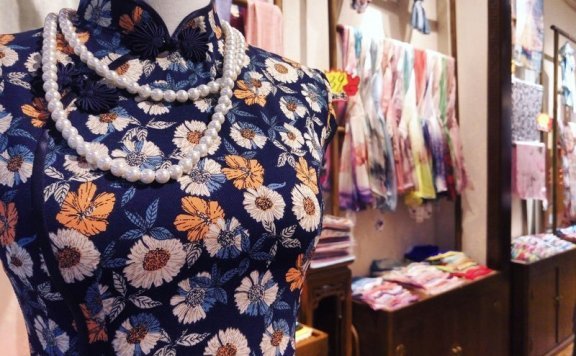
History of the Qipao & Cheongsam Fashion
The cheongsam (literally, long shirt/dress), also known as Qipao or Mandarin Gown, was a type of feminine body-hugging dress with Manchu and Western elements. It was first used as the uniform of Shanhai girl schools at the time of the Republic of China period (1911-1949). Back then, it was very popular for representing the images of new era knowledge females. Cheongsams led a fashion trend for a long time during the Republic of China period. After the sovereignty was transferred to the People’s Republic of China (1949), Cheongsams had been forbidden as they were a sign of bourgeoisie. It was until the conduct of the Reform and Opening policy in the 1980s that Qipaos being prevalent again. Nowadays, Qipaos have gained more and more attention with a great number of local and international designers involved. History When it comes to modern Qipao’s origins, there are 3 mainstream claims. The first claim suggests that modern Qipao is only the evolutionary style of Manchu’s clothing. The second claim says western elements affect a lot on modern Qipao designs. The last claim supposes that ancient Chinese clothing plays an important role as well. 1. Qipao with Manchu Speaking of the history of Cheongsams, the… -
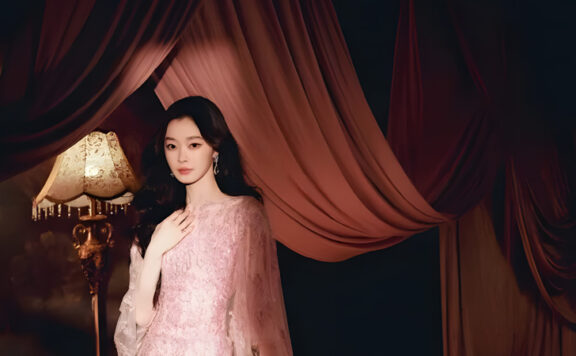
The Quiet Glamour of Song Yi’s Red Carpet Look
At a recent awards ceremony, actress Song Yi (宋轶) captivated audiences and ignited social media in a custom dusty pink gown. The look was an immediate sensation, hailed as a perfect fusion of classical Eastern aesthetics and modern high fashion. It wasn't just a dress; it was a statement that redefined red carpet elegance, proving that true glamour lies in subtlety and grace. As she moved through the venue, her silhouette evoked the charm of a classic film star, leaving onlookers mesmerized and sparking a viral debate on the power of understated beauty in a world of fleeting trends. The Canvas of Quiet Elegance This was far more than simply putting on a beautiful dress. The fitted silhouette of the gown was meticulously crafted to highlight her slender waist and graceful figure without being overt. The entire surface was a constellation of fine details, featuring three-dimensional embroidery and a sprinkle of diamond-like crystals that caught the light, creating a delicate, shimmering effect. It was as if fragments of a starry sky had been gently brushed onto the fabric—brilliant, yet never loud or ostentatious. The most breathtaking feature was the integrated cape sleeves made of diaphanous silk. This design moved with… -
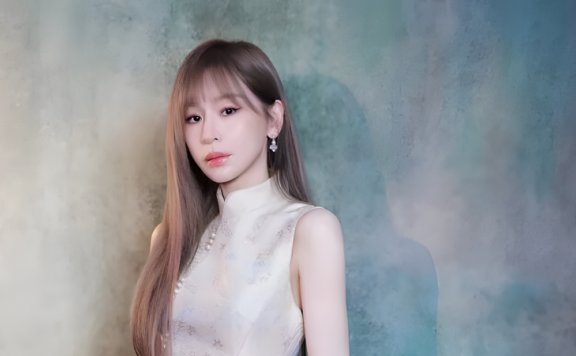
Cyndi Wang Shines in Modern Cheongsam Look
Cyndi Wang has long been dubbed Taiwan's "Sweetheart" for her bubblegum pop hits and girl-next-door charm. But a recent set of photos has shattered that simplistic label, revealing a depth and sophistication that has left fans and fashion critics utterly speechless. Dressed in an exquisite cream-colored floral-patterned cheongsam, she isn't just wearing a dress; she is embodying a mood, a moment of serene elegance. This look isn't just beautiful—it feels like a quiet declaration of a new artistic chapter, one steeped in the lyrical beauty of Eastern aesthetics. The Dress: A Modern Classic The centerpiece of this stunning visual is undoubtedly the modernized Qipao. It moves away from the traditional form-fitting silhouette with a modern, flowing skirt that adds a touch of whimsy and grace. The cream brocade fabric itself is a character, its subtle sheen catching the light with her every movement. But the real magic lies in the details: delicate patterns of birds and flowers in soft blues and silvers are woven into the material. They don't shout for attention; instead, they whisper stories of classical Chinese art, creating a look that is both deeply traditional and refreshingly contemporary. The styling choices around the dress are a masterclass in… -
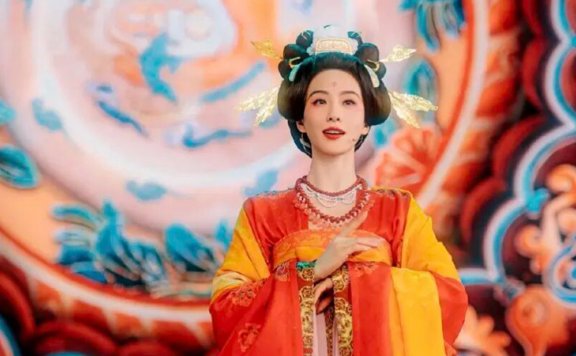
Traditional Hanfu Meets Modern Fashion on the Spring Festival Gala
For years, a quiet yet persistent question has floated among viewers right before the Lunar New Year's Eve: Will traditional Hanfu make an appearance on the Spring Festival Gala this time? It is a query loaded with anticipation, reflecting a growing public desire to see China's own historical attire celebrated on its biggest television stage. The answer is rarely straightforward, often involving a mix of subtle nods, full-blown spectacles, and sometimes, controversial misses. By looking back at recent galas, we can trace a fascinating journey of how Hanfu has gradually, and sometimes awkwardly, found its place in the national spotlight, moving from a niche interest to a topic of mainstream discussion. A Glimpse of Glory and a Dash of Modernity The most recent Spring Festival Gala, in 2025, offered a mixed bag for Hanfu enthusiasts. It did not feature a dedicated segment for traditional clothing, yet the attire was undeniably present. The opening sequence showcased internet celebrity Li Ziqi (李子柒), who wore an outfit inspired by Ming-style Hanfu. It featured a standing collar and a diagonal closure, but it was noticeably tailored with modern, figure-hugging techniques, a departure from the looser fit of historical garments. The piece cleverly retained traditional… -
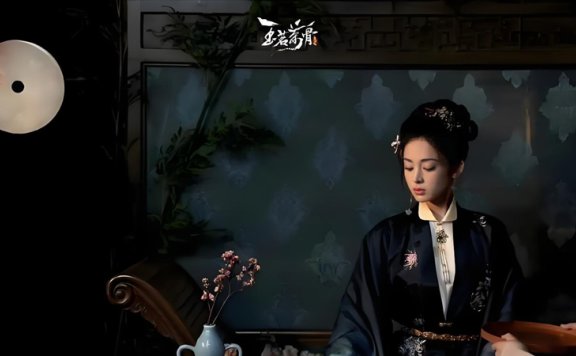
Glory: A Devil’s Bargain Over 30,000 Catties of Illicit Tea
In the world of Glory (玉茗茶骨), a Qipao is not merely a dress, and a teacup is never just a drink. They are weapons, currencies, and shields in the intricate wars fought within gilded mansions. The series presents a society where bloodlines are leveraged, emotions are bargained, and personal identity is the ultimate contested territory. At the heart of its latest storm is Rong Shanbao (荣善宝), the designated heir to a prestigious tea empire, whose destiny is hijacked not by market forces, but by a devastating familial secret and a woman who wields politeness like a scalpel. The Calculated Sister Xie Huiqing (谢惠卿) arrives at the Rong residence not with force, but with a devastating smile and impeccable manners. Her words to Shanbao are soft, dripping with concern for an aging father and a longing for a lost brother. Yet, each syllable carries a precise, unspoken threat. She holds the key to a catastrophe: the secret of the 30,000 catties of illicit tea sold by Shanbao's father, a debt poised to crush the family after a hailstorm ruins their harvest. Xie's offer is a devil's bargain. The powerful Duke's mansion will clear the debt, but only if Shanbao can persuade… -
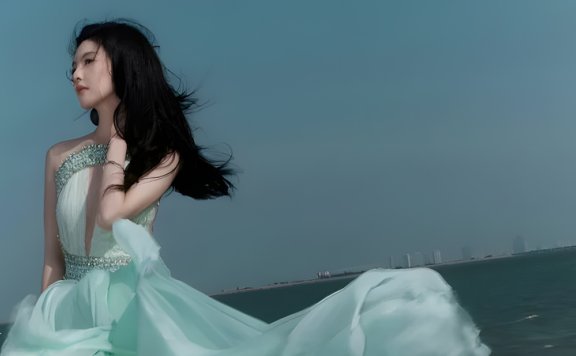
Zhang Ruonan’s Sea Mist Noble Moment
The image is arresting: an expanse of pale, hazy green billowing against a windswept shore. Actress Zhang Ruonan (章若楠) stands as the focal point, her mint-colored gown melting into the sea mist behind her. This is more than a celebrity photoshoot; it is a character study, a fleeting scene from an unwritten film. She is not merely wearing a dress. She embodies a persona—a 'Sea Mist Noble,' ethereal yet grounded, delicate but commanding. This single look, captured against the elemental backdrop of ocean and sky, has sparked widespread admiration, transcending typical fashion commentary to become a cultural talking point. It represents a pivot in red carpet narrative, away from overt glamour and toward a more resonant, atmospheric storytelling. Anatomy of an Aura The power of the look lies in its masterful contradictions. The gown’s construction balances structure and fluidity. A halter neckline, meticulously embroidered with gradient crystals, frames the shoulders and provides a defined silhouette. This jeweled element suggests luxury and craftsmanship. From this anchored top flows an immense skirt of layered tulle, a weightless cloud of fabric that surrenders completely to the coastal breeze. The deep V-neck adds a subtle hint of classic Hollywood sensibility without overshadowing the overall… -
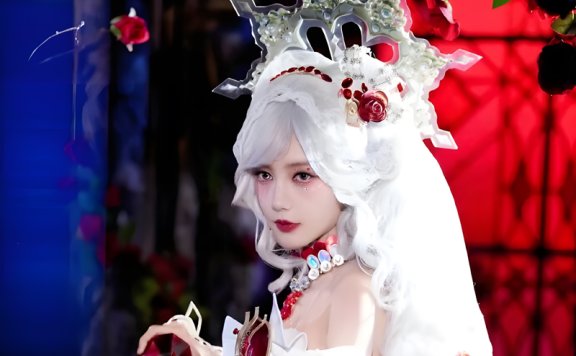
Li Yitong's Dark Rose Bride Look
When photos of actress Li Yitong's (李一桐) latest editorial shoot surfaced online, they sparked an immediate and widespread reaction. Styled in a striking ensemble dubbed the "Dark Rose Bride," she presented a vision that was both fantastical and powerfully modern. The look masterfully blended gothic romance with fairy-tale elegance, creating a visual spectacle that captivated audiences and dominated fashion discussions. It wasn't just another celebrity photoshoot; it became a moment that showcased a daring artistic direction and a star's ability to transform into a living piece of narrative art. The power of this styling lies in its bold confrontation of classic aesthetic opposites. It takes the traditional symbolism of a bridal gown—purity, romance, celebration—and infuses it with a darker, more dramatic edge. This creates a compelling tension that feels fresh and arresting. For Li Yitong, known for her versatile roles, this fashion statement acts as a new kind of character portrayal, one where the clothing itself tells a story of beauty, strength, and mystery. The overwhelming positive response highlights a public appetite for looks that are not just beautiful, but conceptually rich and emotionally evocative. A Masterclass in Details Every element of the ensemble was meticulously curated to build the… -
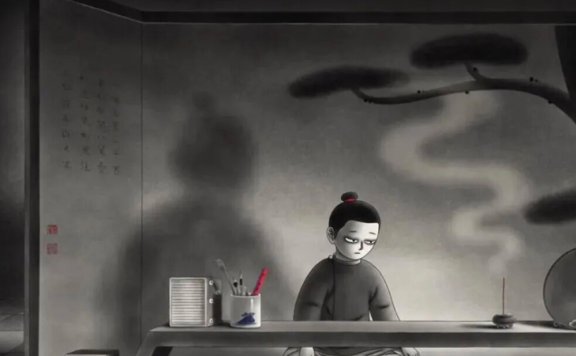
Ear Dweller: The Inner Demon in Yao-Chinese Folktales 2
If you were captivated by the enigmatic beauty of Goose Mountain (鹅鹅鹅) from Yao-Chinese Folktales 2 (中国奇谭2), then its spiritual successor, Ear Dweller, demands your attention. Directed by the same visionary, Hu Rui (胡睿), this short film continues to carve a distinct niche within the anthology, one defined by silent storytelling, symbolic depth, and a hauntingly beautiful aesthetic that challenges viewers to look inward. While some find its narrative elusive, the key lies not in deciphering a literal plot, but in understanding the internal landscape of its protagonist. This isn't a ghost story about an external monster; it's a psychological portrait of a battle waged within the confines of one's own mind. A Lantern in the Dark The tale begins with a scholar, exhausted by his studies, glimpsing a strange little creature holding a lantern marked with the character for "rain". This moment is the seed of everything that follows. The scholar's subsequent discovery of a mystical Tianshu (天书), or "Heavenly Book," grants him the power of clairaudience, but with a stern warning: use it only to help others, never for personal gain. He ignores this decree. Drawn by a beautiful melody, he uses his new ability to eavesdrop on… -
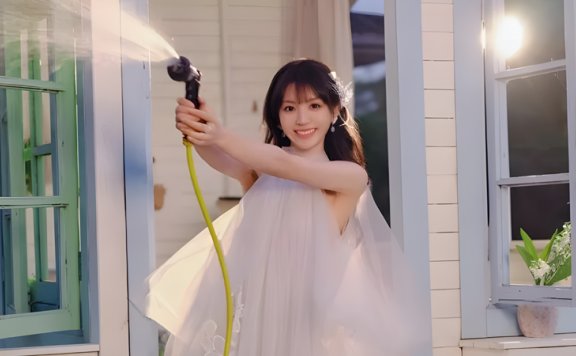
Tian Xiwei’s Sweet Haze Gown
Scrolling through social media today, one image stops you completely. It's actress Tian Xiwei (田曦薇), transformed. This isn't a typical celebrity photoshoot; it's a living spring daydream. Draped in a delicate, pale nude-pink gown, she stands bathed in soft light, resembling a piece of translucent honeyed candy. The overall effect is so captivating it feels less like viewing a picture and more like stumbling into a gentle, sun-drenched fairy tale. This particular look has ignited conversations, perfectly capturing a nuanced aesthetic that blends youthful sweetness with a sophisticated, ethereal softness. Decoding the Dream The magic of this look lies in its meticulous details. The Sweet Haze aesthetic is achieved through a masterful combination of color, texture, and cut. The gown features a halter neckline that elegantly frames her shoulders and collarbone. Its fabric is a sheer, layered netting over a milky apricot base, creating a sense of depth and movement. With every subtle pose, the skirt's folds ripple like gentle waves on a pond touched by a spring breeze. Accessories are chosen with precision. A simple, scattered floral hair clip provides a delicate accent, while long, dangling earrings enhance the vertical line, adding refinement without overwhelming the outfit's softness. The… -
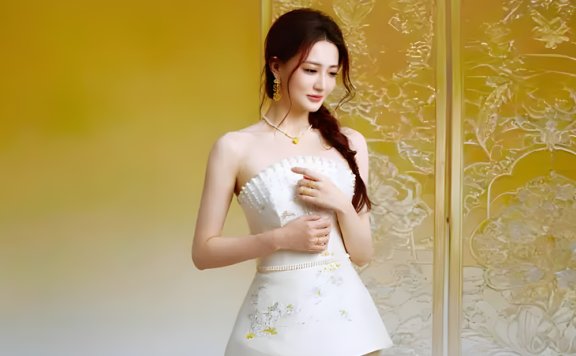
Xu Lu’s Embroidered Gown Blends Heritage and Modernity
A recent public appearance by actress Xu Lu (徐璐) has captured widespread attention. Her ensemble, a white satin bustier top paired with an off-white gradient tulle skirt, presented a vision of graceful sophistication. The outfit transcended mere fashion, evoking the poise and beauty of a classical painting. This look is a prime example of the New Chinese Style, a trend skillfully blending traditional Chinese aesthetics with contemporary design. Her styling choices sparked lively discussions, illustrating how modern celebrity fashion can breathe new life into cultural elements. The Look Xu Lu's attire was a masterclass in subtle detail and luxurious texture. The bustier top featured a three-dimensional pearl-like pattern and delicate gold-thread embroidery. This intricate work resembled a miniature landscape, capturing a sense of poetic refinement often associated with Jiangnan (江南), China's serene southern region. The design cleverly integrated Western-inspired silhouette with distinctly Chinese craftsmanship. The accompanying skirt added to the ensemble's ethereal quality. Its layered, gradient tulle created a soft, flowing movement, making every turn visually striking. The color palette of satin white, milky beige, and pale gold exuded a quiet, innate luxury. This restrained scheme elevated her overall presence, proving that impact doesn't require loud colors. Her styling completed… -
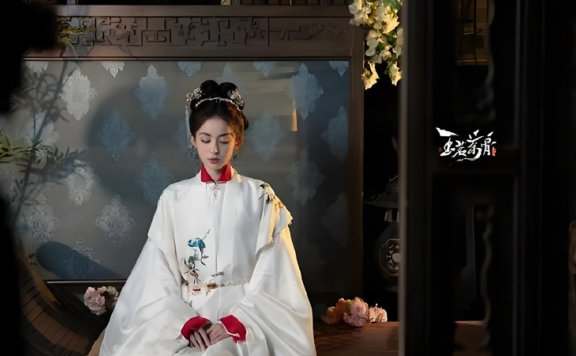
Glory: Rong Yunshu’s Quiet Power
In the bustling world of period dramas, where flamboyant villains and righteous heroes often dominate the screen, a new kind of character is quietly commanding attention. The television series Glory (玉茗茶骨) presents a narrative not of clashing swords, but of simmering tensions and silent strategies, set against the backdrop of a prestigious tea family. While the spotlight initially falls on the charismatic and capable eldest sister, the true narrative power lies in the shadows, with a character whose strength is measured in whispers, not shouts. This story shifts the focus from overt conflict to the profound impact of calculated patience, asking us to reconsider who truly holds power in a room full of voices. The Visible Battle The drama Glory introduces the Rong family, whose fortune and reputation are built on the art of tea. The central figure, Rong Shanbao (荣善宝), is a force of nature. She is decisive, talented, and fiercely protective of her family's legacy, effortlessly navigating business rivals and personal betrayals. Her apparent antagonist is the ambitious second sister, Rong Yunxi (荣筠溪), whose envy and direct challenges create the series' most visible friction. Their conflict is public, passionate, and drives much of the early plot, drawing viewers… -
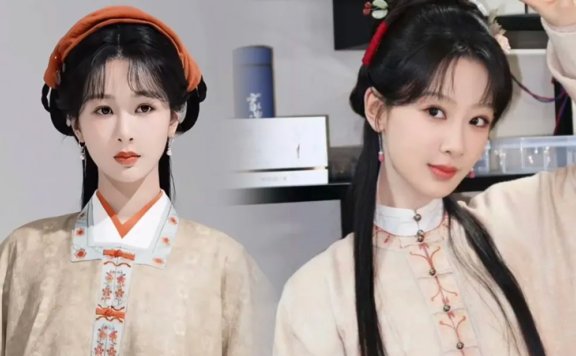
Uncovering the History of Chinese Ming and Qing Buttons
In the historical drama The Mo (家业), the character Li Zhen (李祯), portrayed by Yang Zi, wears garments adorned with a vertical row of buttons. These fasteners shift between cloth and metal variants across different scenes. This subtle costume detail sparks a fascinating question: did traditional Chinese clothing even use buttons? The answer reveals a rich, overlooked history of functional art, distinguishing the elegant Ming-style cloth buttons from the later, densely arranged Qing-era "centipede buttons." Ancient Fasteners Reimagined The common belief is that ancient Chinese attire relied solely on sashes and ties, a system known as "tying tassels and fastening sashes". This method involved intricately woven ribbons to secure garments, allowing adjustment for fit and comfort. Historical texts like the Book of Rites mention the use of such ties. However, this was not the whole story. Archaeological evidence, such as the figurines from the Qin Dynasty, suggests the possible use of simple toggle-like fasteners, though debate continues on whether these were for armor or daily wear. By the Tang and Song dynasties, while ties remained dominant, a quiet evolution began. Elements of cloth buttons appeared on certain robes, like the round-collared Yuanlingpao (圆领袍) and some versions of the Beizi (褙子).… -
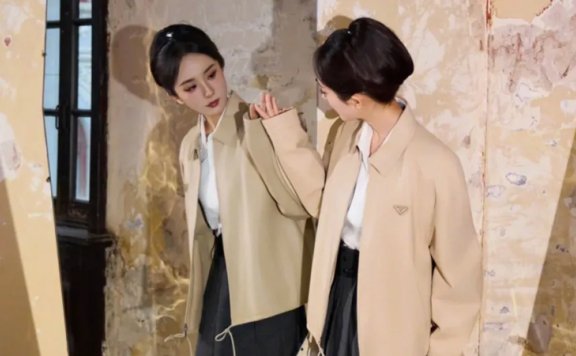
Why Yang Mi's Hair Buns Are Sparking a Fashion Reshape?
A recent public appearance by actress Yang Mi ignited a fiery online debate. Her choice? A meticulously crafted traditional Chinese hair bun paired not with a Qipao or modernized Hanfu, but with a crisp, contemporary blouse. Critics were quick to declare the mix a mismatch, questioning the logic behind blending a classical hairstyle with Western-style fashion. Yet, this seemingly simple style clash touches on deeper questions about tradition, modernity, and who gets to define the rules of cultural expression. Is this a fashion faux pas, or a bold step towards redefining a heritage art form for a new generation? A Historical Journey The Chinese hair bun, or Ji (髻), is far more than a hairstyle. Its history is woven into the fabric of social rites and personal identity. In ancient China, the act of a young woman putting up her hair for the first time during the Jiji Li (及笄礼), or Hair Pinning Ceremony, was a pivotal rite of passage into adulthood. This transformation from loose locks to a secured bun was a powerful social symbol. Archaeological evidence suggests the practice dates back to the Neolithic Age, evolving significantly through dynasties. The Han Dynasty favored soft, low-hanging chignons that conveyed… -
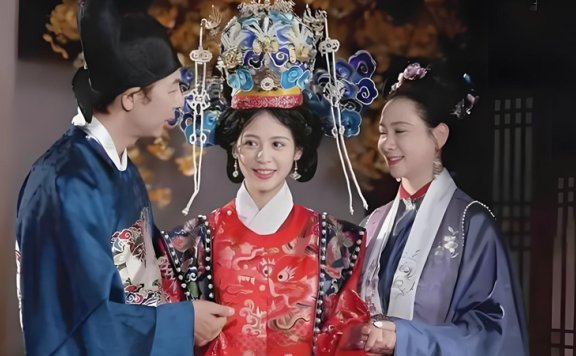
Weng Hong's Daughter Marks 18th with Jiji Li
When the daughter of Hong Kong actress Weng Hong (翁虹) turned eighteen, she didn't want a modern party. Instead, her family organized a traditional Jiji Li (及笄礼), a Chinese coming-of-age ceremony for young women. The celebration, held in full Hanfu attire, was a beautiful and meaningful departure from the Western-style birthdays common today. This deliberate choice highlights a growing trend of cultural rediscovery, where ancient traditions are being revived to mark significant life milestones with a profound sense of heritage and identity. A Ceremony of Red and Respect The centerpiece of the event was the young woman known online as Crystal, dressed in a vibrant crimson Ming Dynasty-style Hanfu. The elaborate outfit and intricate hair accessories, including a carefully chosen hairpin from her mother, transformed her. She carried herself with a grace that resonated with the ceremony's solemnity, appearing every bit the poised young noblewoman from a historical drama. The visual impact was powerful, connecting her to a lineage of Chinese women who have participated in this ritual for centuries. Her parents were equally invested in the authenticity of the day. Weng Hong and her husband, Liu Guanting (刘冠廷), dressed in traditional scholarly and aristocratic attire, fully embodying their roles.… -
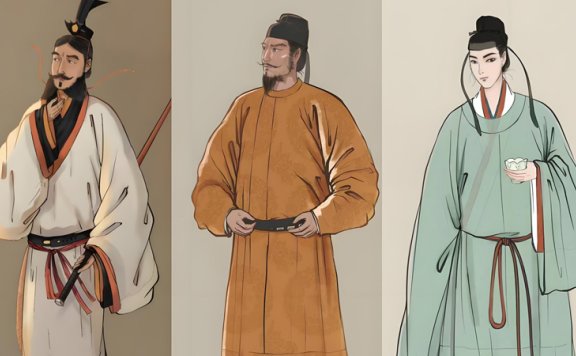
An Insight into the Clothing of China's Dynasties
Clothing in ancient China evolved from simple animal hides to intricate silk robes, reflecting social changes and technological advances. Early artifacts like bone needles and woven fragments reveal a long journey of innovation. This narrative spans millennia, showing how attire expressed identity, status, and cultural values across dynasties. Early Beginnings In the Paleolithic era, people used bone needles to stitch animal skins for basic garments. Ornaments made from stone and shells suggest early aesthetic expression. These finds at sites like Zhoukoudian (周口店) highlight humanity's innate drive to create and adorn. The Yangshao Culture (仰韶文化) left evidence of plain-woven fabrics and silk remnants. Advanced spinning and dyeing techniques emerged, producing complex textiles earlier than previously thought. This period laid groundwork for future silk mastery. During the Liangzhu Culture (良渚文化), tools like ceramic and jade spinning wheels improved weaving efficiency. Waist looms allowed finer cloth production, marking progress from primal coverings to structured apparel. Shang Dynasty (商朝) Attire in the Shang dynasty displayed clear social hierarchies. Elites wore rolled-headgear and narrow-sleeved robes with decorative aprons. Their outfits combined practicality with symbols of authority. Middle-ranking nobles sported high caps and sashes, while lower-status individuals used simpler designs with patterned accents. Each class had… -
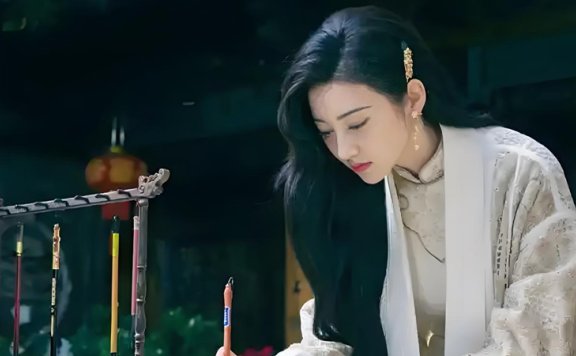
How Does Jing Tian Defy Time? Her Hangzhou Appearance Sparks Wonder
In the vibrant city of Hangzhou, actress Jing Tian (景甜) recently became the center of attention during an advertisement shoot. Dressed in a striking green Qipao and casually wielding a fan, she moved through the mall with an effortless grace that left onlookers in awe. Her skin, noticeably radiant without any digital enhancements, seemed to glow from within, challenging the common narrative of aging in the entertainment world. At 37, she exhibited a freshness often associated with youth, yet paired with the poise of experience. This scene not only highlighted her physical beauty but also ignited discussions about what it means to have a long-lasting "flowering period" in a industry obsessed with novelty. Her relaxed demeanor, as she interacted with fans and handled the summer heat without fuss, added to the allure, making it clear that her appeal goes beyond mere aesthetics. Career Shifts Jing Tian's journey in the spotlight began with high-profile projects that should have cemented her status. She starred in major films like The Great Wall (长城), where she often held central positions thanks to substantial backing. Despite these opportunities, widespread recognition eluded her for years, leading to online criticism labeling her as someone who couldn't break… -
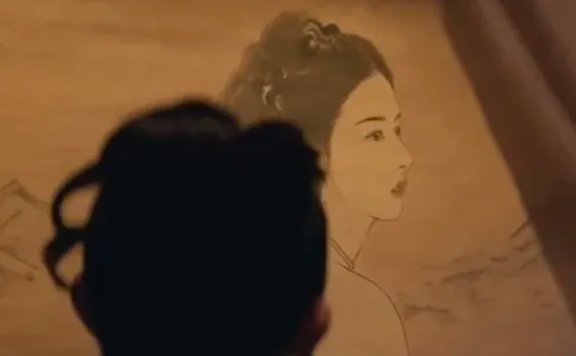
Ancestors' Hidden Posters: What Is a True Chinese Beauty?
What constituted the perfect woman in ancient China? The answer might be found not in poetry or legend, but in the delicate brushstrokes of Shinü Hua (仕女画), a genre of painting dedicated to depicting idealized female figures. These artworks, often misunderstood as simple portraits of beauty, served as a complex mirror reflecting the evolving tastes, social values, and deepest aspirations of Chinese literati across centuries. They are far more than pretty pictures; they are visual archives of a cultural conversation about femininity, grace, and intellect that spanned dynasties. This artistic tradition offers a unique window into how standards of elegance were constructed and contested, providing a fascinating counterpoint to today's globalized beauty ideals. By examining these paintings, we embark on a journey through time to understand the essence of what was once considered the pinnacle of Chinese womanhood. Defining Shinü The term Shinü itself carries layered meanings. Initially appearing as "Shinü" (士女) in ancient texts like the Record of the Buddhist Monasteries of Luoyang (洛阳伽蓝记), it simply referred to young women. Over time, particularly by the Tang and Song dynasties, its meaning narrowed to specify women from official or scholarly families. However, within the context of art, Shinü transcended mere… -
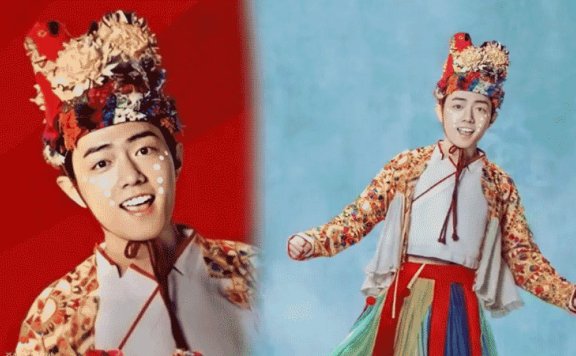
Xiao Zhan's Floral Headpiece in Monster Hunt 2
When actor Xiao Zhan (肖战) appeared in the 2018 fantasy film Monster Hunt 2 (捉妖记2) wearing a bizarre hat adorned with a colorful array of flowers, it sparked curiosity and amusement among viewers. Many wondered about the inspiration behind such an unusual accessory, which looks like a miniature garden perched on his head. Little did they know that this design has historical roots dating back to China's Northern Song Dynasty (960-1127), where a similar aesthetic known as Yi Nian Jing (一年景) was popular. This concept involved combining floral elements from all four seasons to symbolize completeness and eternal beauty, often used in clothing, jewelry, and art. The hat in the film, set in the fictional Yongning Village, echoes this tradition, showing how ancient Chinese culture continues to influence modern storytelling. This article explores the fascinating connection between Xiao Zhan's cinematic headpiece and the historical Yi Nian Jing, delving into its origins, significance, and contemporary relevance. Historical Roots The Yi Nian Jing aesthetic first gained prominence during the late Northern Song Dynasty, particularly around the Jingkang period (1126-1127), as recorded in historical texts such as Lu You's (陆游) Lao Xue An Notes (老学庵笔记). According to these records, it was a style… -
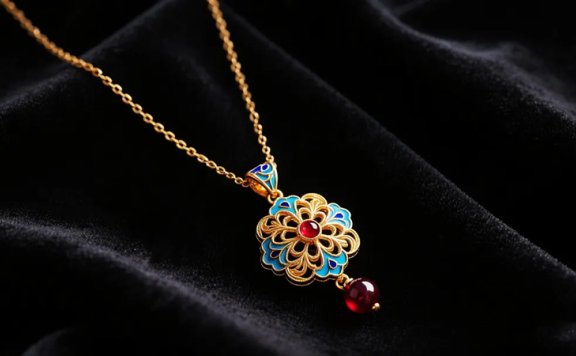
The Art of Garnet and Cloisonne Jewelry
In the world of accessories, few stones carry the versatile charm of garnet. Its deep, wine-red hue acts not just as a color but as a bridge—connecting eras, styles, and materials with effortless grace. When paired with the vivid, artisan-crafted beauty of Cloisonne, garnet doesn’t just accessorize; it tells a story. This is not merely about wearing jewelry; it’s about curating a look that resonates with elegance, cultural richness, and personal expression. Whether you're dressing for a casual day out or a formal event, the combination of garnet and Cloisonne offers a unique blend of warmth and sophistication, making every outfit not just worn, but experienced. Bracelet Designs Imagine a bracelet where deep red garnet beads play the leading role, accented by small, intricate Cloisonne pieces. The contrast is striking—the organic richness of the stone against the crafted brilliance of enameled metal. This combination works beautifully with traditional attire like Qipao or modern linen ensembles. For an added touch of elegance, consider attaching a delicate tassel or pendant. It’s a piece that draws the eye and sparks conversation, blending classic aesthetics with wearable art. What makes this pairing so special is its flexibility. Garnet’s color is warm and neutral enough… -
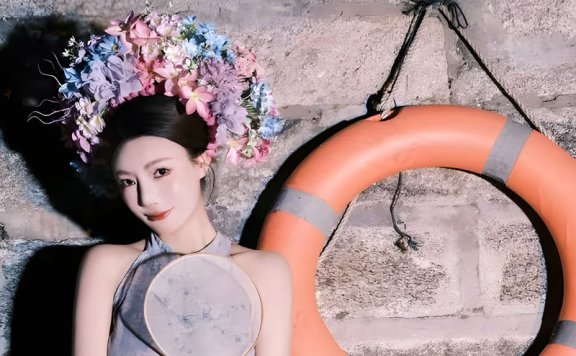
Wangli Danni's Strategic Rebranding Through Guochao and Physique
Since 2016, Wangli Danni (王李丹妮) has transformed from a "controversial figure of physical appeal" to a subject of "refined aesthetic discussion." Her commercial portfolio has evolved, casual outfit photos remain a hit, and her latest Qipao and hairpin portrait series has catapulted her back into the spotlight. With a cinched waist, smooth hip line, and a waist-to-hip ratio that netizens call "unreal," the question "Is this still her?" hangs heavy, inviting curiosity and debate. Design Nuances The visual storytelling starts with meticulous details. A coiled hairstyle pairs with a Qipao of silk-like, subtle patterns; wispy temple hair softens the cheekbones; just three hairpins add elegance without clutter. Side-backlighting sculpts her waist into a textbook "S-curve," amplifying her figure. Comments split: some praise "revived classical beauty," others question "over-editing." The photos walk a tightrope between realism and idealism—hinting at authenticity through visible pores and nasolabial folds under harsh light, yet using precise makeup highlights to create a "fake natural" effect. This strategy anchors credibility in minor flaws while retaining a dreamy vibe. Behind the curves lies a system, not magic. Wang revealed in fitness vlogs her 60cm waist and 20% body fat, maintained through cyclical squats and hip bridges. Photographers switched…