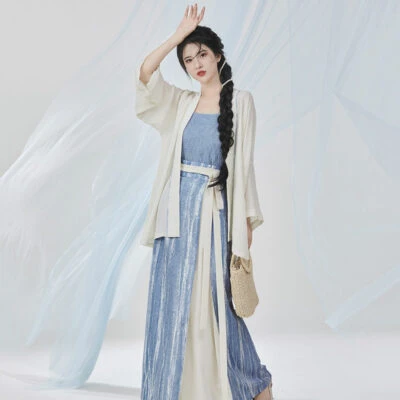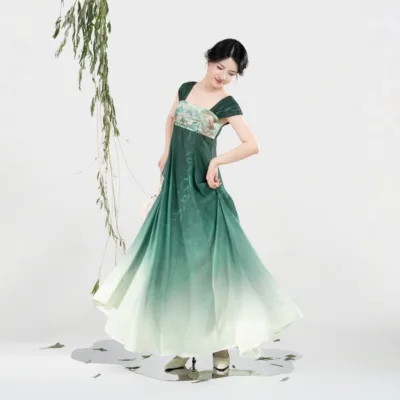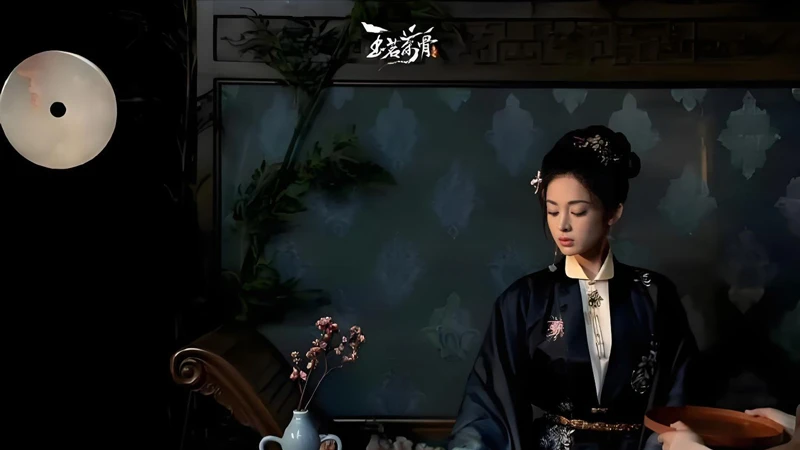
In the world of Glory (玉茗茶骨), a Qipao is not merely a dress, and a teacup is never just a drink. They are weapons, currencies, and shields in the intricate wars fought within gilded mansions. The series presents a society where bloodlines are leveraged, emotions are bargained, and personal identity is the ultimate contested territory.
At the heart of its latest storm is Rong Shanbao (荣善宝), the designated heir to a prestigious tea empire, whose destiny is hijacked not by market forces, but by a devastating familial secret and a woman who wields politeness like a scalpel.
The Calculated Sister
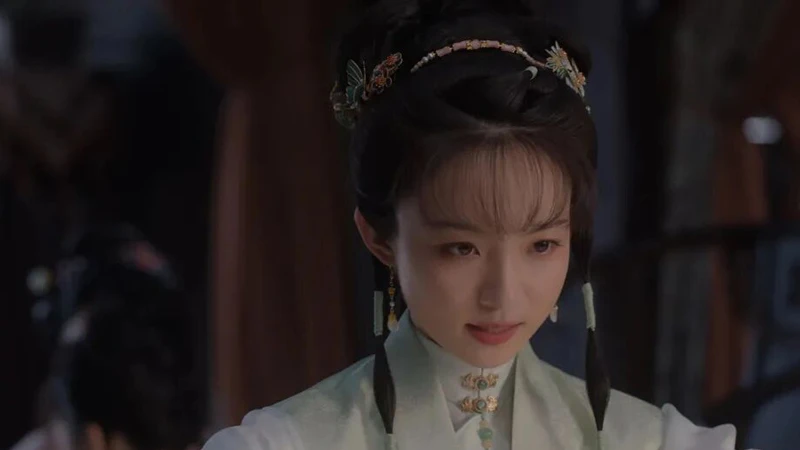
Xie Huiqing (谢惠卿) arrives at the Rong residence not with force, but with a devastating smile and impeccable manners. Her words to Shanbao are soft, dripping with concern for an aging father and a longing for a lost brother. Yet, each syllable carries a precise, unspoken threat. She holds the key to a catastrophe: the secret of the 30,000 catties of illicit tea sold by Shanbao’s father, a debt poised to crush the family after a hailstorm ruins their harvest. Xie’s offer is a devil’s bargain. The powerful Duke’s mansion will clear the debt, but only if Shanbao can persuade Lu Jianglai (陆江来), her former betrothed, to acknowledge the Duke as his father and return to the fold.
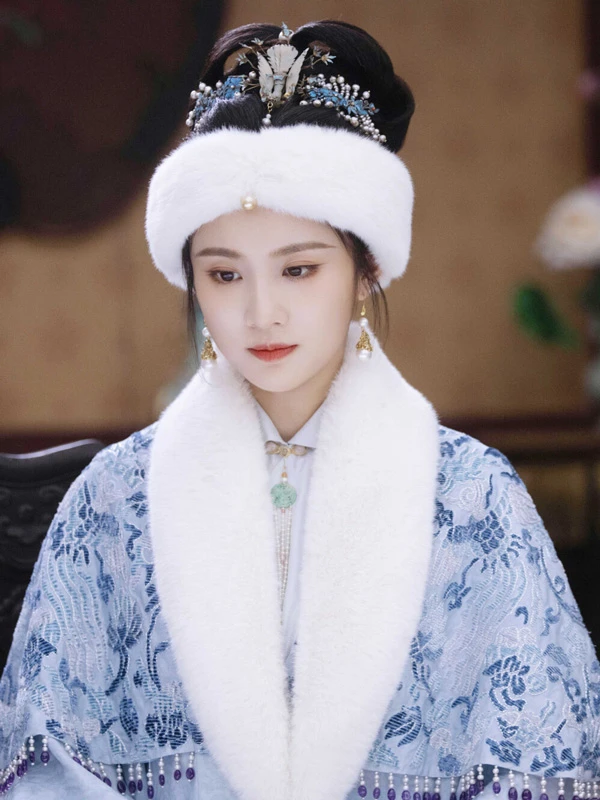
Xie Huiqing is a master performer. Trained in medicine by her grandfather, a former head of the Imperial Hospital, she feigns ignorance until it serves her purpose. When a physician exposes a dangerous clash between a sedative soup and a prescribed pill, she kneels in a show of remorse. Her eyes, however, remain coldly analytical. The revelation was not a shock but a planned step in a larger scheme, a moment to eliminate a rival using another’s hand. For her, morality is a secondary consideration to survival and advancement.
Yet, to dismiss her as merely cruel is to misunderstand the gilded cage she inhabits. In a moment of rare honesty, she confesses to Shanbao that she possesses no imperial jade seal, no powerful natal family for support, and no reliable husband. “I must cherish myself more, and protect my children,” she states. Her calculation is born of necessity. She sees in Lu Jianglai not just a son for the Duke, but a capable and principled ally for herself and her own son—someone whose conscience makes him a safer bet than the vicious intrigues of her own household.
The Unyielding Son
Lu Jianglai’s defiance is the antithesis to Xie Huiqing’s cunning. When confronted with the Duke, the biological father who abandoned him and his mother, he responds not with gratitude, but with scorching fury. “Where was the Duke when my mother died in that mansion?” he demands. The sudden appeal to blood means nothing against a lifetime of neglect. He forcefully rejects the prestigious family name, declaring, “I am Lu Jianglai.” His identity, hard-won through his own merit as a top scholar and a prefect, is not for sale.
The Duke’s motivation for reclaiming this illegitimate son is brutally pragmatic. The legitimate heir is permanently injured, creating a crisis of succession. Lu Jianglai has proven his worth through his official career. Furthermore, his old engagement to Rong Shanbao presents a tantalizing opportunity to bind the wealthy Jiangnan (江南) tea dynasty to the Duke’s political chariot. This is not a family reunion; it is an acquisition, a hostile takeover of a person’s life and legacy.
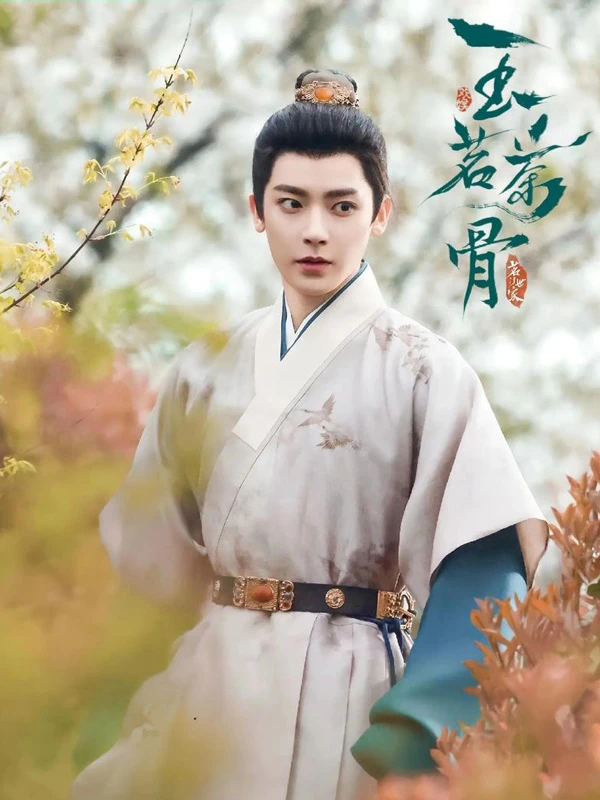
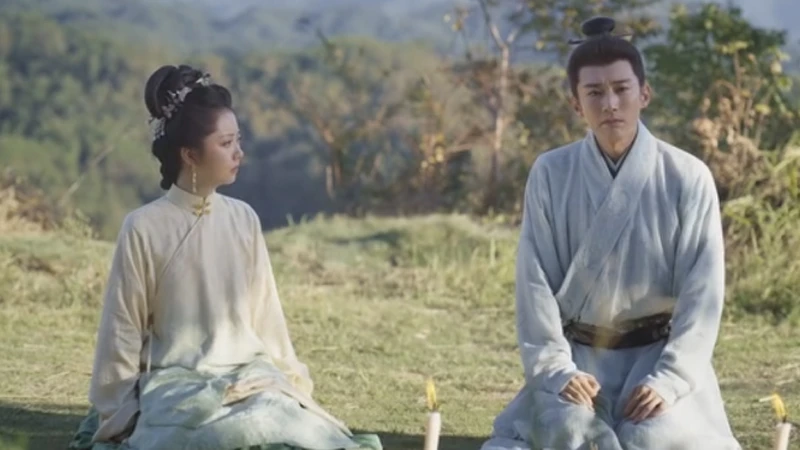
The climax of this struggle occurs on a rainy dock. Lu Jianglai stands at a crossroads between two futures: one offers a hereditary title and immense power, the other is represented by a simple glass hairpin held by Rong Shanbao, symbolizing authentic connection and shared purpose. He presses the pin to his own chest, telling her, “I place myself in your palm.” This is his final, unequivocal answer. He chooses the identity he built over the one he was born into, rejecting the Duke’s world entirely.
The Burdened Heiress
Rong Shanbao’s plight is one of sacred deception. She was named the family heir not out of pure love, but because the clan believes she possesses the “Tea Bone“—a mystical ability to diagnose tea ailments and ensure quality, seen as the reincarnation of the Tea Ancestor. The crushing truth is that the real Tea Bone is her younger, intellectually disabled sister, Rong Yunwan (荣筠纨). To protect her sister and stabilize the family, Shanbao shoulders this divine mandate, a mortal pretending to be a legend.
This forced pretense mirrors Lu Jianglai’s conscious rejection of a false identity. While he refuses a corrupt lineage, she embraces a sacred one that is not hers to bear. She sacrifices her autonomy, navigating venomous sibling rivalries and external plots. Her grandmother, the matriarch, understands the political utility of the myth: “Whether the Tea Bone exists is not important. What matters is that the clan believes it exists.” This need for legitimizing narrative parallels the Duke’s obsession with blood—both are tools to consolidate power.
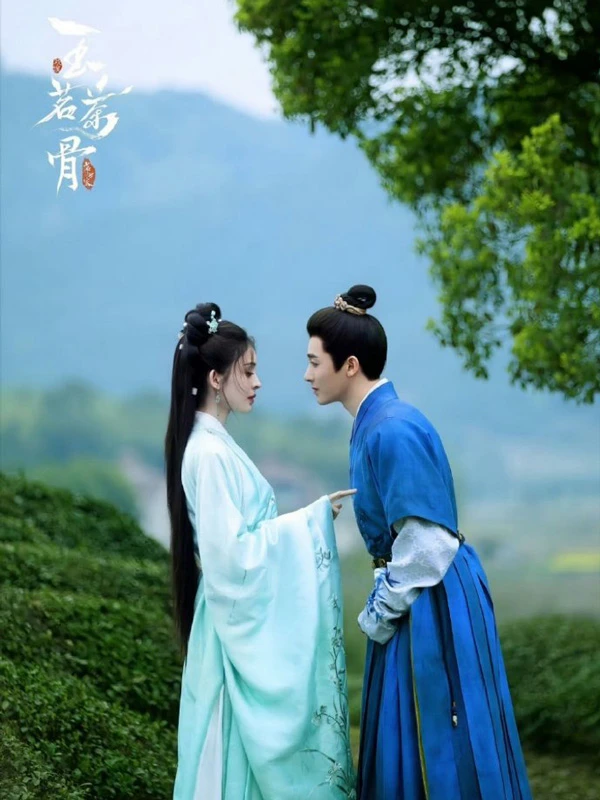
Faced with Xie Huiqing’s “cooperation” agreement in her small study, Shanbao is trapped. Before her is the abyss of her father’s debt; behind her is the act of pushing Lu Jianglai into the cage he despises. Refusal means ruin for the Rong family. Acceptance makes her a pawn. Her quiet reply, “Alright, I will try,” is not a whisper of defeat. Her eyes, in that moment, hold the chilling, resolved calm of someone who has decided to burn the bridges behind her to forge a new path through the fire.
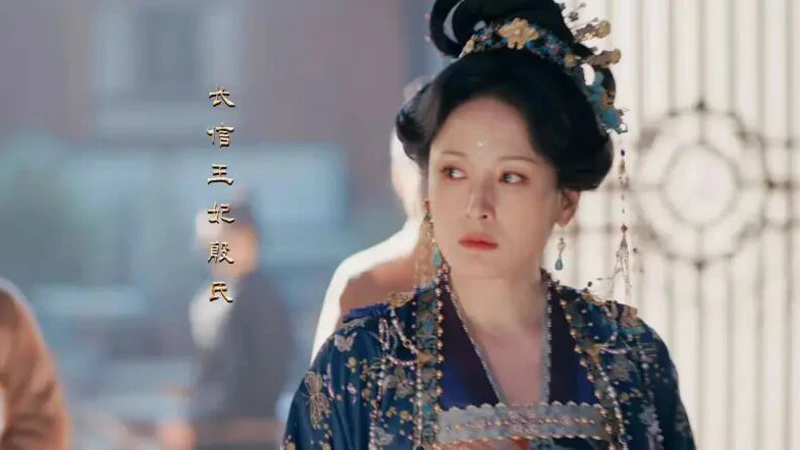
Meanwhile, Xie Huiqing, having used the crisis to secure her son’s succession and her own authority, displays her final ruthlessness. As Lu Jianglai departs, she coldly declares there is no need to pursue him, and with three sentences, orchestrates the Duke’s incapacitation and her complete takeover. For her, every relationship is transactional, and every sentiment, including kinship, is a lever for control.