Article
Search results:
-
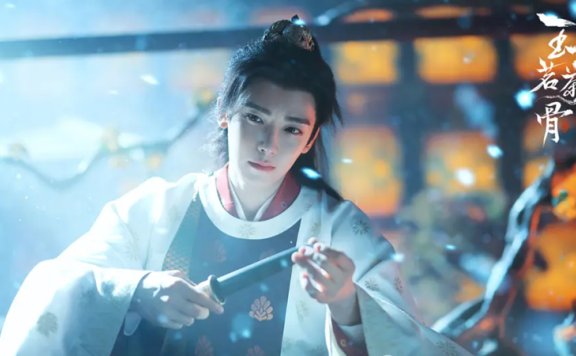
Glory: Forging Character Through Grace and Tenacity
Have you ever considered how a television drama's title might hold the key to its deepest truths? The recently announced historical series Glory (玉茗茶骨) has sparked intense discussion, not for its plot, but for the profound duality embedded within its four-character name. This is not merely a label; it is a philosophical statement, a compact guide to understanding the interplay between human character and ancient tradition. To unpack this title is to embark on a journey into the heart of Chinese aesthetics and the timeless struggle for integrity in a complex world. The series uses the lens of tea culture—its rituals, its language, its very essence—to frame a narrative about resilience and grace under pressure. Glory's Elegance The first half of the title, Glory, evokes a specific and rarefied beauty. Yuming (玉茗) is a classical poetic name for the white camellia, a flower admired for its pure, jade-like petals and crisp, elegant fragrance. In the world of tea connoisseurs, it has come to signify the highest grade of tea—one with a luminous liquor, a refined aroma, and an aura of dignified purity. This term sets the visual and moral stage for the drama. It promises a world of understated beauty:… -
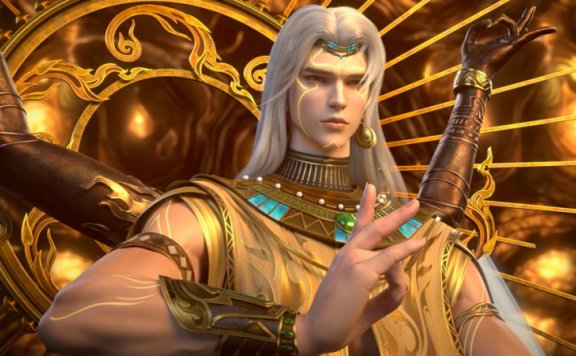
The Duel of Legendary Skills in Battle Through the Heavens
In the sprawling universe of Battle Through the Heavens (斗破苍穹), the protagonist's journey is defined by relentless advancement and climactic battles. His arsenal of techniques is vast, but two stand out as legendary pillars of his combat style. These are not just skills; they are evolving testaments to his growth, each representing a fundamentally different philosophy of power. One targets the very essence of an opponent's being, while the other seeks utter annihilation through overwhelming force. Their shifting dominance throughout his saga raises a compelling question about the nature of ultimate strength. Soul's Silent Strike The first technique, Huangquan Tiannu (黄泉天怒), operates on a terrifyingly sophisticated level. Unlike conventional energy blasts, it bypasses physical defenses entirely to launch a direct assault on the soul. This makes it a unique and deadly tool, particularly effective against formidable foes who possess immense physical strength but weaker spiritual fortitude. For many beast tribes and physically-gifted warriors, this attack is a perfect counter. Its efficacy is intrinsically tied to the user's own spiritual cultivation, a domain where he excelled far beyond his peers due to his training as an alchemist. This spiritual preeminence allowed him to challenge enemies with higher combat rankings. If their… -
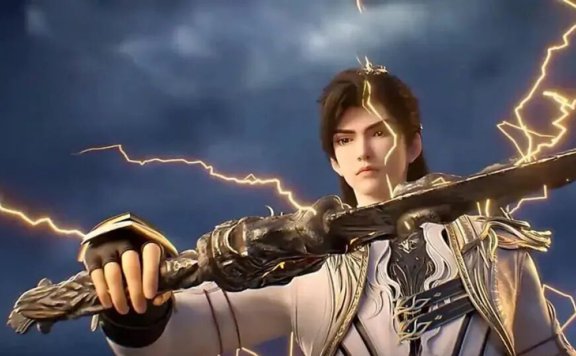
The Power of A Perfect World Artifacts
In the vast cosmos of A Perfect World (完美世界), the struggle against the dark forces of the Otherworld was a defining conflict. Armies clashed, heroes fell, and the very fabric of reality trembled. In such an era, artifacts of immense power became more than tools; they were symbols of defiance and hope. Among these, the Immortal King's Shroud is revered. Forged from the essence of fallen kings and imbued with the law of samsara, it is both shield and purifier, a spiritual bulwark against corruption. Yet, the realms held other treasures of comparable might. These legendary artifacts, each embodying a distinct supreme law, formed the backbone of resistance during the ancient Age of Chaos. The Sword and The Shield The Daluo Sword Embryo (大罗剑胎) presents a stark contrast to the Shroud's protective nature. Forged from remnants of the Three Worlds Copper Coffin, its unedged blade is said to sever time and space itself. This weapon represents the ultimate offensive principle, capable of cutting down immortal forms and even staining its history with the blood of an immortal emperor. Its legacy is one of potent lethality intertwined with an ominous curse for its wielders. Where the Shroud guards and cleanses, the… -
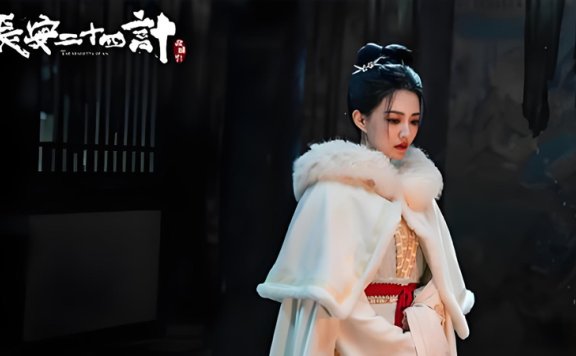
The Vendetta of An: Bai Wan Dies in Yan Fengshan's Trap
In a haunting climax beneath a rainy sky, a blade meant for a traitor pierces instead the heart of an innocent. This is the devastating moment Xie Huai'an’s (谢淮安) fifteen-year quest for vengeance collapses, revealing itself as the ultimate trap. His sister, Bai Wan (白莞), falls before him, a victim of his own hand and a design more cunning than he ever imagined. The man he sought to destroy, Yan Fengshan (言凤山), watches from the shadows—not as the architect of this tragedy, but as another piece on a larger, darker board. This pivotal scene from the drama The Vendetta of An (长安二十四计) shatters the simple narrative of revenge, pulling viewers into a complex labyrinth where every motive is suspect and every ally a potential enemy. The Puppet Master Xie Huai'an believed his path was clear: find Yan Fengshan and make him pay for the annihilation of his family. Each step, from gathering allies to eliminating Yan’s associates like Pu Nichuan (蒲逆川) and the figure known only as Qingyi (青衣), felt like righteous progress. He moved with the certainty of a man wronged, dismantling his enemy’s power piece by piece. His white hair, a symbol of the years consumed by this… -
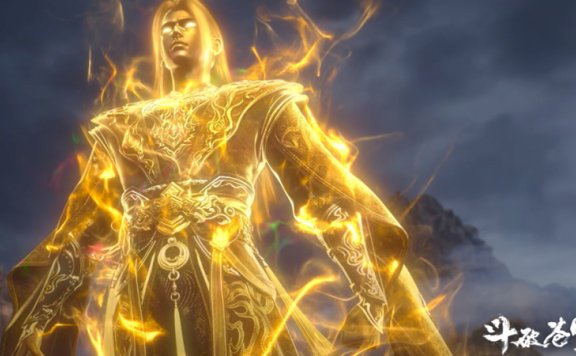
A Clash of Blood and Ambition in Battle Through the Heavens
In the treacherous, power-scarred landscape of the Dou Qi Continent (斗气大陆), a single choice can determine the fate of an entire clan. For Yao Ming (妖暝), the newly restored leader of the Nine Serene Deep Earth Pythons, this dilemma materialized in the form of two vials of legendary essence blood. One offered a path to ancestral purity, a return to a mythic past. The other promised raw, immediate strength and a formidable new alliance. His decision between the Ancient Heavenly Snake essence blood and the Yellow Springs Demon Saint essence blood would echo far beyond a simple power boost, defining his clan's future in an era of upheaval. The Allure of Ancestry The offer from the Northern Dragon Island was intoxicating. The Ancient Heavenly Snake essence blood represented the primordial origin of all serpentine magical beasts. For a clan like the Nine Serene Deep Earth Pythons, whose bloodline had grown diluted over millennia, this was more than a treasure; it was a genetic holy grail. Absorbing it could theoretically purify their lineage, awaken lost innate abilities, and potentially restore them to their perceived ancient glory within the hierarchy of beast tribes. This choice was deeply symbolic. It mirrored the desperate… -
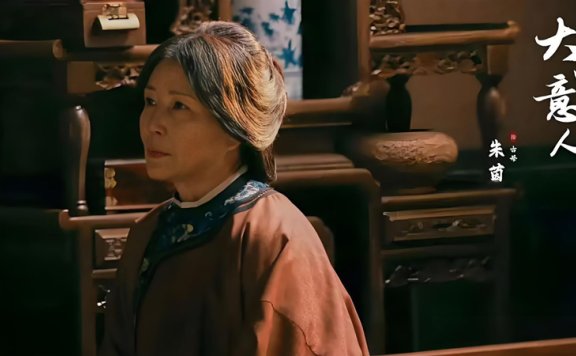
Legend of the Magnate Finale: Li Wantang Falls and Allies Emerge
A truth long buried finally surges to the surface. In the mercantile world of late Qing dynasty, a hidden patriarch sees his meticulously crafted empire begin to fracture. The schemes designed to control destinies, even those of his own blood, unravel under an unexpected light. Li Wantang (李万堂), a titan of commerce, secretly orchestrated the official rehabilitation of Gu Pingyuan (古平原). His aim was twofold: to remove a formidable rival from his son Li Qin's (李钦) path in the salt trade and to publicly absolve himself of past familial neglect. He believed this act of patronage, following a recommendation by Viceroy Ruilin (瑞麟), was a masterstroke. His plan hinged on anonymity. However, in a dramatic confrontation, Gu Pingyuan's mother publicly identified Li Wantang. The viceroy's recommendation was revealed as part of a larger trap. The patriarch stood exposed, his machinations laid bare before all. With Li Wantang's influence broken, the landscape shifts. Recognizing Gu Pingyuan's superior acumen, Li Qin concedes defeat and proposes an alliance. Meanwhile, Su Zixuan (苏紫轩), a key figure caught in the crosscurrents, departs, leaving the future of these entangled fates uncertain. 1. The Web of Silk and Ledgers In the bustling port cities of the late… -
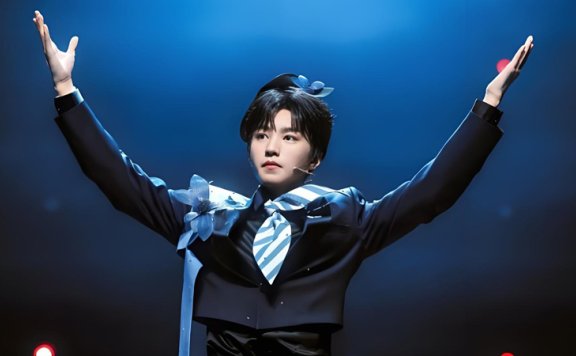
Wang Junkai’s Backlash: The Cost of Artistic Credibility
The recent online discussion surrounding Wang Junkai (王俊凯) points to a deeper change within China's entertainment landscape. It highlights the unspoken contract in the idol economy. Fans invest emotion and support, expecting a certain kind of engagement in return. When a public figure begins prioritizing long-term craft over immediate fan service, this contract is tested. What some call a backlash is perhaps a natural recalibration. The path from a popular star to a dedicated professional involves a mutual, often silent, selection process between the artist and their audience. 1. The Fractured Contract Between Wang Junkai and His Fans The digital sphere hums with a peculiar energy when two stars from seemingly distant constellations briefly align. A short video, a playful exchange, a moment of unguarded camaraderie—such fragments are often consumed as light entertainment. Yet beneath the surface of these curated glimpses, complex currents of expectation, investment, and identity silently churn. For the dedicated observer, these moments are rarely just fun; they are data points, signals to be decoded, reflecting the evolving contract between public figures and those who support them. When Wang Junkai, an artist navigating the precarious path from idol to actor, engages with Olympic champion Quan Hongchan (全红婵)… -
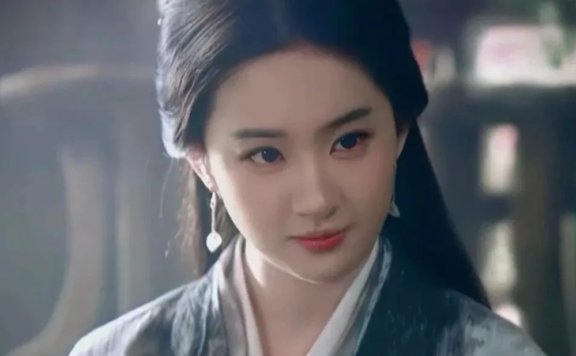
Why Does Every Historical Drama Love the Center Parting?
Open any historical drama, from palace intrigues to romantic Wuxia tales, and you will likely see it: the precise, unwavering center parting. This hairstyle dominates the screens, framing the faces of heroines and court ladies alike. It is more than a recurring visual motif; it is a silent language of aesthetics, history, and cultural identity. While modern viewers might see repetition, this signature look is deeply rooted in a legacy of artistic representation and philosophical ideals. Its persistence speaks to a profound connection between contemporary storytelling and ancient conceptions of beauty, order, and the human form. The Rule of Symmetry The center parting is the ultimate expression of balance. In traditional Chinese aesthetics, symmetry is not merely pleasing—it is a fundamental principle reflecting cosmic and social harmony. The perfectly centered hairline creates a clean, vertical axis for the face, evoking stability and composure. For characters in shows like The Story of Yanxi Palace (延禧攻略), this visual balance mirrors the ordered, yet perilous, hierarchy of the court. The style frames the face like a classical portrait, focusing attention on the eyes and expressions crucial for conveying unspoken drama and emotion. This partitioning also served highly practical needs historically. A center part… -
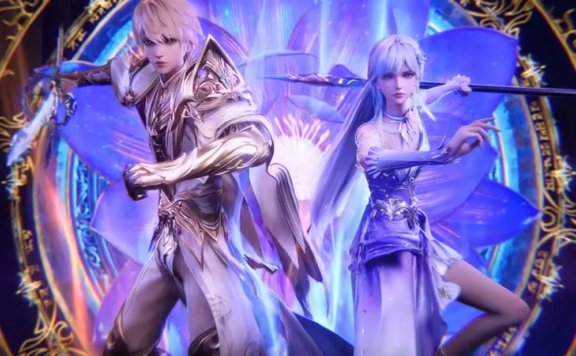
Throne of Seal: Xingmo Shen’s Fall and Fateful Reckoning
The cosmic dust had barely settled. Within the shattered remnants of the Xingyu (星域, Star Domain), the once-invincible Star Demon God Xingmo Shen (星魔神) lay vanquished. For protagonists Long Haochen (龙皓晨) and Sheng Cai'er (圣采儿), this victory was forged at a tremendous cost, a testament to their unbreakable bond and the last-minute intervention of a legendary hero. Yet, there is no time for respite. The echo of the fallen god's final act—a desperate sacrifice to his master—has already triggered a more immediate and personal catastrophe. Even as the couple stands amidst fading starlight, a new and brutal battle for survival erupts elsewhere, drawing Long Haochen toward a long-awaited, hate-fueled reckoning with his greatest nemesis. The Fall of a God Vashak, the Star Demon God, orchestrated a devastating trap. Using the Celestial Fate Disc Xingchen Mingpan (星辰命盘), he manipulated the fates of countless human warriors, drawing them into a lethal arena. His alliance with A Bao (阿宝), son of the Demon Emperor, was meant to be a final solution. Long Haochen and Sheng Cai'er fought through this nightmare, breaking the disc's power through sacrifice and a soul-deep connection. But Vashak, cornered and desperate, made an ultimate gamble. He allowed A Bao… -
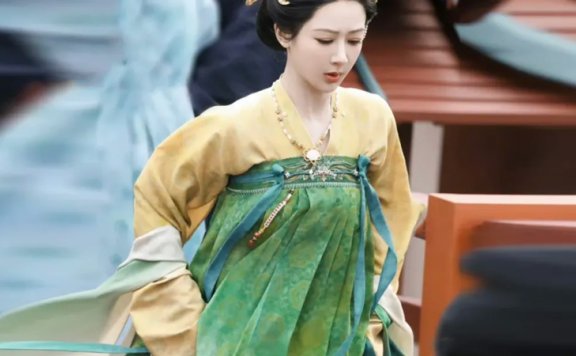
The Evolution of Strapped Qixiong Qun
Have you ever had that moment in a beautifully draped dress, only to spend the entire event subtly hiking it back up? For enthusiasts of traditional Chinese attire, the struggle with the Qixiong Qun (齐胸裙, high-chest wrap skirt) is all too real. This ancient garment, while stunning, is infamous for its gravitational defiance. It turns out, this sartorial slippage is not a modern-day woe. Centuries ago, ingenious designers devised a clever solution: the ancient equivalent of the strap dress. This forgotten innovation, witnessed in artifacts from the Northern and Southern Dynasties to the Tang, showcases a timeless pursuit where practicality meets elegance. A Tang Dynasty Staple The strap dress became a fashion essential during the Tang Dynasty. A mural in the tomb of Duan Jianbi (段简璧), from the early Tang period, depicts a court lady holding a fan. She wears a patterned Qixiong skirt secured by two clear straps over her shoulders. This visual record from Emperor Gaozong's (唐高宗) reign shows the style's popularity, aligning with the period's preference for slender, graceful silhouettes. The straps provided freedom of movement, transforming the gown from a restrictive garment into one suitable for daily life. Further evidence comes from grey pottery figurines unearthed… -
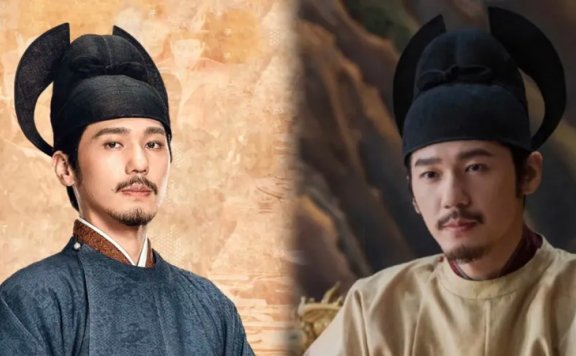
That Curious Hat in Swords into Plowshares
In the historical drama Swords into Plowshares (太平年), the character portrayed by actor Bai Yu (白宇) wears a hat that immediately captures attention. Its most distinctive feature? Two stiff, upward-curving wings. To modern eyes, its silhouette might seem whimsical, even cartoonish, sparking amused comparisons online. Yet, this is no costume designer’s flight of fancy. This headwear is a carefully recreated Chaotian Futou (朝天幞头), a style steeped in the political and social symbolism of ancient China. Its presence on screen is a deliberate choice, a visual key that unlocks a deeper understanding of a character's status, profession, and the intricate world they inhabit. From the imperial court to the performing stage, the evolution of the Futou tells a story of shifting power, cultural exchange, and silent communication long before a single word is spoken. The Journey of the Upturned Wings The Chaotian Futou, with its iconic raised ribbons or "wings," first gained prominence during the Five Dynasties period. Initially, it was a mark of supreme authority. Historical records and portraits, such as those of King Qian Liu (王钱镠) of Wuyue (吴越), show this style adorning the heads of emperors and kings. The upward sweep of the wings was likely symbolic, perhaps… -
Song of the Blade Episode 14: Choice of Self and Homeland
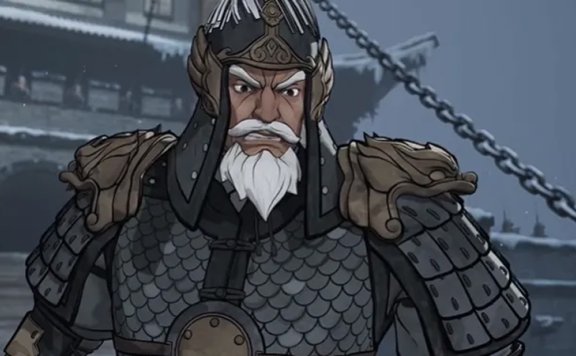
What happens when the blade meant for revenge must be turned against a foreign invader? The acclaimed animated series Song of the Blade (枕刀歌) confronts this question in its latest season, reaching a narrative crescendo in its fourteenth episode. This installment masterfully pivots from a tale of personal vengeance into a grand saga of national defense, forcing its characters to define loyalty in the face of war. The Traitor's Logic The episode unveils Zhao Xi (赵喜) as the mastermind, a man whose actions present a chilling case study in betrayal. His crimes are manifold: orchestrating the massacre of the Jiang family, later selling military secrets of Baguacheng (八卦城) to the foreign Yugu (玉骨) tribe, and manipulating General Wang Lang's grief. His justification is a twisted form of pragmatism, claiming to have "seen reality" and chosen the winning side. To him, personal survival and gain outweigh the sovereignty of his homeland and the lives of his countrymen. Zhao Xi represents a corrosive ideology where self-interest is disguised as wisdom. His "generous speeches" are attempts to reframe treachery as a logical choice, arguing that resistance against a powerful enemy is futile. This rationalization exposes the core of his betrayal: a complete divorce… -
World Defying Dan God: Ditching Bite-Sized Episodes for a 20-Minute Hero's
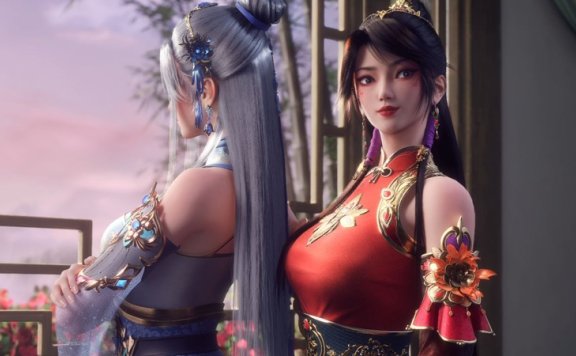
Can a studio famous for bite-sized episodes finally deliver a full course? For years, Ruohong Culture (若鸿文化) has been synonymous in China's animation circle with episodes so brief they felt more like trailers. Series like Demon Gods (妖神记) and Wonderland (万界仙踪) often delivered mere five to seven minutes of actual story per installment, leading fans to joke that their watch time was measured in snack breaks or subway stops. This is why the announcement for their new series, World Defying Dan God (傲世丹神), caused such a stir: a promise of substantial 20-minute episodes. It wasn't just a new show; it felt like a cultural shift for the studio, prompting audiences to ask if Ruohong was truly shedding its infamous label. The Unlikely Hero's Journey Shen Xiang (沈翔), the young protagonist, begins with everything stacked against him. Born with damaged spiritual veins, he's dismissed as useless by his clan. His father lies gravely injured, and the family's future is bleak. With no other options, he ventures alone into the savage wilderness, the Ten Thousand Demon Valley, desperate to find a legendary cure. His goal is simple yet monumental: heal his father and reclaim his family's honor. This desperate quest leads to… -
Li Yitong’s Bold Haircut Signals a Career Shift
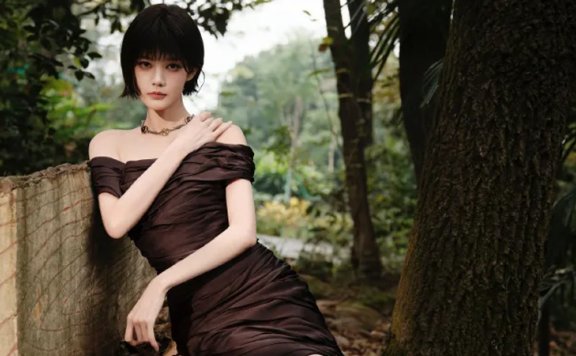
A single photograph has reignited conversations about one of China's most adaptable actresses. Li Yitong (李一桐), long celebrated for her gentle, girl-next-door charm, has shattered that image with a stunning visual pivot. Gone are the flowing locks typical of her early Wuxia roles. In their place is a sharp, chic bob, paired with a deep brown, satin, one-shoulder gown, shot against a backdrop of coarse tree bark and fallen autumn leaves. This isn't merely a new look; it's a statement. The ensemble, blending coolly glamorous sophistication with raw, natural texture, has dominated social media trends, with fans and fashion commentators alike declaring she has "ascended to goddess status" with this transformation. A Cut Above The power of this look lies in its masterful contradictions. The rich, rumpled texture of the satin dress offers a tactile, velvety depth, while its matte finish and body-hugging cut exude minimalist luxury. The one-shoulder design showcases her collarbone and neckline, accessorized with a simple metal chain that adds a hint of modern edge. This soft, fluid femininity is then sharply undercut by the precise, clean lines of her new short hair. This juxtaposition creates a compelling narrative. The autumn setting is no accident. The deep… -
Li Qin's Stunning Gold-and-Black Gown
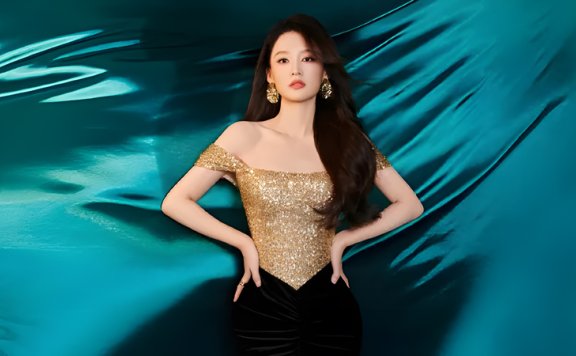
When new images of actress Li Qin (李沁) recently surfaced online, the reaction was instant and electric. Her appearance in a striking gold and black gown did not merely turn heads—it dominated conversations. This was not just another celebrity photoshoot; it was a masterclass in sophisticated styling, a visual statement that perfectly balanced bold glamour with poised restraint. The look immediately captured the public's imagination, showcasing a side to her that feels both regal and intensely modern. A Visual Revelation The power of the look lies in its dramatic contrast. A one-shoulder top, densely covered in gilded sequins, catches every light, creating a halo of luxury around her. It showcases her collarbone and shoulder line with precise elegance. This brilliance is grounded by the lower half of the ensemble: a high-waisted skirt made of black velvet. The plush, matte texture of the velvet provides a serene counterpoint to the sparkle, creating a dialogue between radiance and depth. The skirt’s design cleverly emphasizes her silhouette. The high waist defines her frame, while a strategic slit introduces a hint of movement and subtle allure. The overall effect is sculptural. Every element, from the sharp metallic gleam to the soft velvet fall, is… -
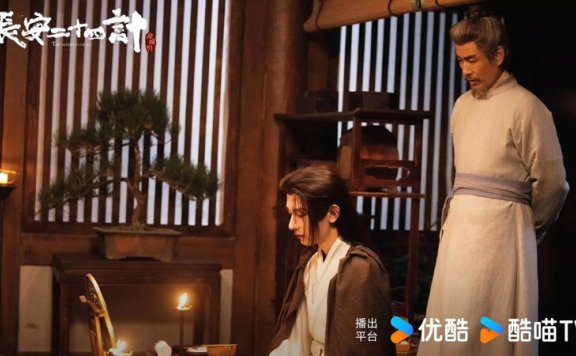
Inside the Brutal World of The Vendetta of An
In the shadowy, politically fractured world of The Vendetta of An (长安二十四计), revenge is not a destination but a corrosive journey. It begins with a simple, brutal equation: a life for a life. The series follows Xie Huai'an (谢淮安), a man whose entire existence was forged in the ashes of his family's massacre. For fifteen years, he has nurtured a single, all-consuming purpose: to make the perpetrators pay in exact measure. The initial thrill is visceral—watching him outmaneuver powerful enemies delivers a sharp, satisfying jolt. Yet, as the plot deepens, a profound unease settles in. Each calculated move toward vengeance seems to strip away another piece of his humanity, leaving viewers to wonder if the cost of the hunt will ultimately eclipse the crime itself. The Calculated Strike Xie Huai'an’s campaign is a masterclass in psychological warfare. His target is not just the man who wielded the sword, Yan Fengshan (言凤山), but the very foundation of his power and peace. The plan is meticulous, turning every minor interaction into a potential trap. In one early gambit, he uses the seemingly mundane task of sorting garbage within the military district to plant false clues. His opponent, the shrewd strategist Wang Pu… -
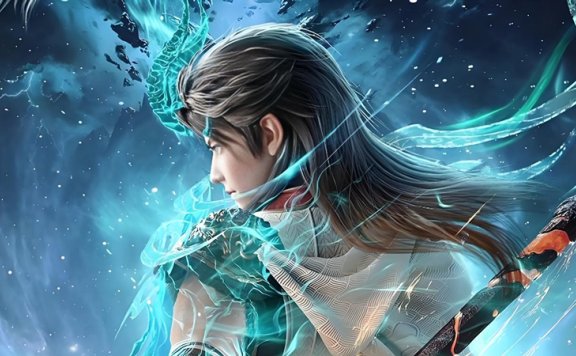
Inside Martial Universe's Most Treacherous Trial
Deep within the chaotic energy storms of the Hundred Dynasties War, a hidden realm flickers into existence. This is not merely a treasure vault, but a crucible. For Lin Dong (林动) and his companions in the sixth season of the animated series Martial Universe (武动乾坤), the Ancient Treasure Realm becomes the defining stage of their journey. It is a labyrinth of inheritance and pitfalls, where every opportunity is shadowed by peril. The path to power here is paved with relics of a fallen sect, lethal trials, and a conspiracy that threatens the entire eastern region. At the heart of it all spins a simple, unassuming pill—the Life-Death Revolving Pil—whose power to reverse fate will test the very bonds between them. The Crucible of Power The first challenge is the Dan River (丹河), a roaring current of condensed energy from countless nirvana pills. Lin Dong immerses himself within it, enduring the tempest of the Wind and Thunder Tribulation to emerge reborn, his power solidifying into the One Yuan Nirvana stage. Yet the river is alive. Dan Spirit Beasts, entities formed from the pill energy itself, lurk beneath the radiant surface, ready to devour the unfocused mind. Lin Dong survives by balancing… -
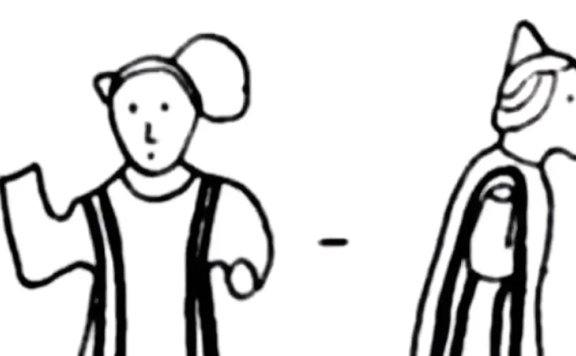
How Tang Gui Ⅲ Revived a Silk Accessory
A swirling whisper of silk, a fleeting wisp of color. In the hit series Strange Tales of Tang Dynasty Ⅲ: Chang'an (唐朝诡事录之长安), amidst the fog of unsolved cases, a different kind of magic unfolds through costume. Beyond the intricate plots, the show's wardrobe silently narrates a tale of elegance, with one item stealing countless scenes: the Pibo (披帛). This long, flowing silk scarf, artfully draped by characters like the sharp-witted Pei Xijun (裴喜君) or the formidable Princess Taiping, is far from a designer's fantasy. It is a authentic historical accessory, a piece of "flowing cloud and mist" that captures the very soul of Hanfu aesthetics. Its reappearance on screen invites us to trace its journey through dynasties and discover how this ancient art of drapery can find new life in our closets today. A Silk Thread Through Time The story of the Pibo begins long before the Tang's golden age. Archeological clues, like pottery figurines from the Warring States period found in Shandong, show dancers with colored ribbons on their shoulders. Historical texts from the Han dynasty mention similar cloths. These early precursors evolved through the Wei, Jin, and Northern and Southern Dynasties, where they were known as "pei," shorter… -
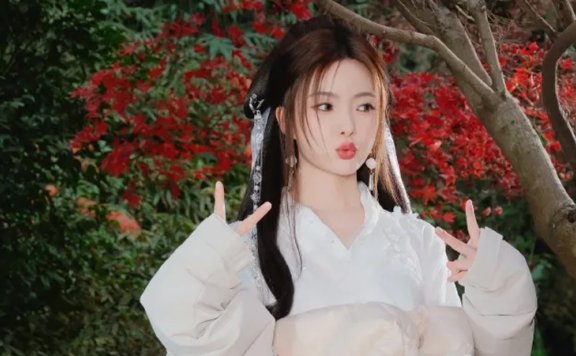
Chen Zhuoxuan’s Viral Classical Aesthetic Shoot
A recent photoshoot featuring singer and actress Chen Zhuoxuan (陈卓璇) has ignited social media, presenting a breathtaking interpretation of traditional Chinese aesthetics. Against a backdrop of crimson maple leaves, she stands as a vision from an ancient painting, embodying a contemporary ideal of classical grace. The images transcend a mere fashion statement, capturing a specific and resonant mood—a delicate, almost melancholic beauty that feels both timeless and strikingly immediate. The Art of the Ensemble Chen’s power lies in the precise harmony of every element. Her Hanfu is a study in ethereal simplicity: a robe of plain white sheer silk. The wide sleeves and crossed collar design speak to historical silhouettes, while the lightweight fabric of the skirt moves with a whisper. This stark, luminous white creates a vivid contrast with the warm, fiery background, making her figure appear both present and detached, as if illuminated by moonlight. Accessories are minimal yet potent. A silver hairpin and pearl earrings provide subtle gleam without ostentation. The true focal point is the round fan, or Tuan Shan (团扇), she holds. Painted with delicate floral patterns, it becomes an extension of her expression. Combined with her composed, subtly distant gaze, the fan completes a… -
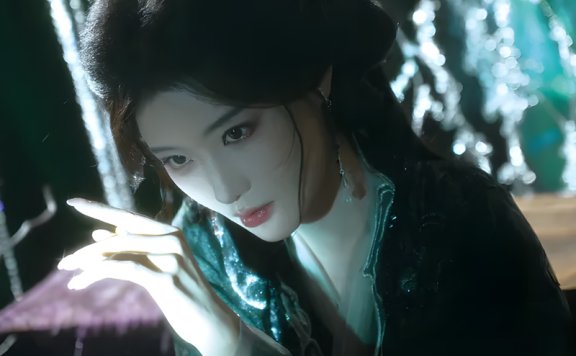
Chen Yihan’s Dark Fairy Transformation
A single set of photographs has cut through the digital noise, positioning actress Chen Yihan (陈意涵) not just as a star, but as a muse for contemporary ancient-style aesthetics. Gone is the perpetually sunny girl-next-door; in her place emerges a figure of serene power and poetic melancholy. Styled in layered black Hanfu with gossamer sleeves, her look instantly transcended typical celebrity fashion spreads. It crafted a complete narrative—one of a lone wanderer from the pages of a Wuxia novel, reimagined for today. This visual story does more than showcase a beautiful costume; it demonstrates how historical elegance can converse with modern sensibilities, creating a character that feels both timeless and strikingly new. The Alchemy of Fabric The power of the ensemble lies in its intricate, deliberate details. The primary garment is a deep, mysterious black, a color known as Xuan (玄) in classical texts, often associated with the heavens and profound depth. Upon closer inspection, subtle metallic embroidery traces patterns across the fabric like faint constellations in a night sky. This refusal to be merely flat black adds a layer of hidden narrative, suggesting secrets and unspoken history worn on the sleeve. Layering is masterfully employed to build texture and…