Article
Search results:
-
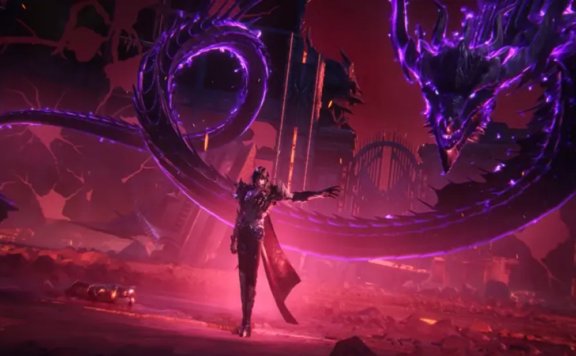
Throne of Seal: The Fateful Duel Between Long Haochen and A Bao
A desperate arena where survival is a cursed prize, a fallen prince consumed by vengeance, and a hero’s return that could change everything. In the world of Xuanhuan (玄幻) fantasy, the drama Throne of Seal (神印王座) builds toward a shattering climax. At its heart is a conflict that transcends a simple battle between good and evil. It is a personal crusade for Long Haochen (龙皓晨), the Child of Light, and a final, mad gambit for A Bao (阿宝), the Demon Emperor's heir. Their upcoming confrontation is not just about strength; it is a judgment on cruelty and a last stand for countless innocent lives caught in a scheme they never chose. A Twisted Arena: The Slaughter Purgatory A Bao's descent is now complete. Once the proud crown prince of the demon race, his defeat at Long Haochen's hands in the Paradise of Dreams festered into an obsession. This fixation has warped his sense of duty, driving him to orchestrate ever more brutal schemes. His latest creation is the Slaughter Purgatory, a nightmarish upgrade of the previous Star Domain Death Arena. Fueled by the sacrificial power of the deceased Star Demon God, Wasack, this space operates on one monstrous rule: only… -
The Defining Drum Trial in Renegade Immortal
In the vast sea of Xianxia tales, where protagonists often shed their humanity to grasp immortality, one story stands out for making a profound emotion its cornerstone. The novel Renegade Immortal (仙逆) follows the journey of Wang Lin, a cultivator whose path is defined by defiance. While many stories celebrate the concept of "going against the heavens," his true rebellion is not against a vague cosmic force, but against its most fundamental decree: to sever love and achieve apathy. The pivotal moment that crystallizes this theme occurs not in a grand final battle, but during a drum trial in the strange and formidable Tianyao City (天妖郡). It is here that Wang Lin's journey shifts from a personal quest for revenge to a universal declaration that love, not its abandonment, can be the ultimate source of power. Path of Vengeance Wang Lin's entry into cultivation was born from tragedy and necessity. A humble youth from a small village, his life was shattered when his entire family was slaughtered as revenge for a conflict he inadvertently caused. This cataclysm forged his initial purpose: survival fueled by vengeance. For centuries, his existence was a grim struggle. He endured unimaginable torments, became a soul-devouring… -
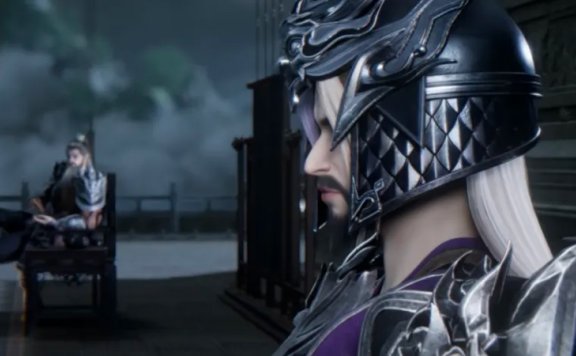
Renegade Immortal: Wang Lin's Crucible in Tianyao City
In the shadowed realm of celestial cultivation, where power dictates fate and ancient legacies stir, a lone figure navigates a path drenched in blood and longing. The latest trials of Renegade Immortal (仙逆) weave a tapestry not just of brutal combat, but of profound personal revelation and unexpected connections. At the heart of this turmoil is Wang Lin, whose journey through the Tianyao City (天妖城) is transforming from a strategic mission into a crucible for his very soul. The Arena's Brutal Logic The competition for deputy commander among the demon generals commenced with severe rules. Hosted by the formidable Jin Wuxu (金吾旭), the emperor's trusted aide, its law was simple: a single loss meant elimination. While demon generals were protected, their assistants faced mortal peril. Wang Lin, originally an assistant, was thrust into the role of sole combatant after his patron's disgrace. His first opponent, General Yao Di (妖帝), underestimated the outsider. The confrontation was brief and merciless. Wang Lin, having mastered the Killing Immortal Art within the horrors of the Honglao (洪牢), did not merely defeat him. He shattered Yao Di's meridians, rendering him powerless, a move that chilled the onlooking generals and commanders. When challenged on the rules,… -
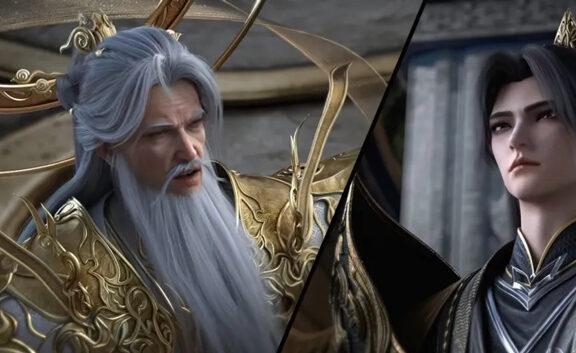
One Mentor's Stand in Perfect World
The world of cultivation is often defined by ruthless competition and dazzling displays of raw power. Yet, a recent climactic event in the popular series Perfect World (完美世界) offers a different lesson. It presents a confrontation not merely about strength, but about principle, composure, and the profound responsibility of a teacher. At the heart of this clash is Meng Tianzheng (孟天正), the elder of the Immortal Academy (天神书院). His journey to the ancestral lands of the Wang Clan (王家) with his disciple, Shi Hao (石昊), was never a quest for personal glory. It was a calm, deliberate move to rectify a profound injustice, setting the stage for a masterclass in dignified power. The Unshakable Mentor Meng Tianzheng represents a pillar of righteous stability. His actions are consistently guided by a duty to protect the natural order, a stark contrast to the Wang Clan's scheming arrogance. Their repeated attempts to enslave and assassinate his disciple, even during a critical moment of cultivation, crossed a line. This wasn't a slight against Meng Tianzheng alone; it was an affront to the very code of conduct he embodies. His decision to confront them was not born of hot-headed anger, but from a deep-seated need… -
Battle Through the Heavens: Xiao Yan's Fury Unlocks Legacy
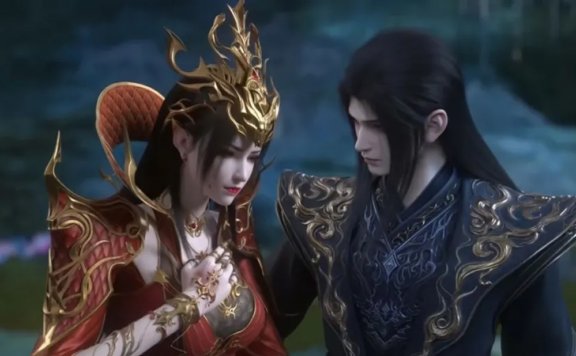
The depths of the Nine Netherworld Springs hold more than just the bone-chilling Yin energy. For Xiao Yan (萧炎), seeking the crucial Yellow Spring Blood Crystal, it became a stage for vengeance, political upheaval, and a destiny-altering gift. The latest events in Battle Through the Heavens (斗破苍穹) plunge him into the heart of the Nine Nether Diming Mang's brutal internal conflict. What begins as a simple quest for an alchemy ingredient spirals into a violent confrontation that reshapes the tribe's future and unlocks a legendary inheritance hidden for millennia. The Rage Unleashed Xiao Yan had calculated the risks. He ventured alone into the perilous springs, leaving Cai Lin (彩鳞), Little Fairy Doctor, and Qing Lin (青鳞) hidden above. His objective was clear: find the Blood Crystal to refine the Nine Yin Yellow Spring Pill, essential for confronting the Purifying Lotus Demon Flame. He succeeded, but at a terrible cost. While freeing the imprisoned former chieftain, Yao Ming (妖暝), the energy disturbances alerted the usurper, Yao Xiaotian (妖啸天). Emerging from the springs, Xiao Yan was met with a scene of devastation. Yao Xiaotian, a one-star Dou Saint, had brutally overpowered his companions. The sight of Cai Lin, his beloved Medusa, severely… -
Can a Clumsy Proposal Spark an Epic Cultivation Journey?
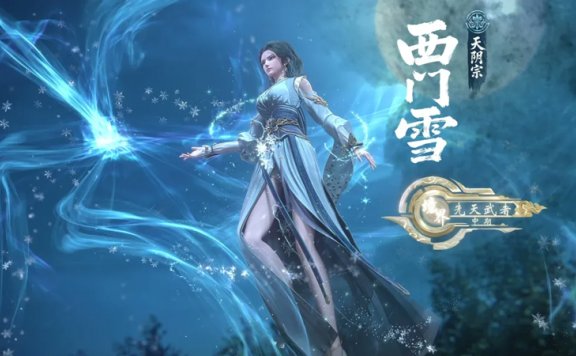
The world of The Gate of Mystical Realm (玄界之门) is rarely subtle. In its fifth episode, a moment of breathtaking awe quickly spirals into one of profound social awkwardness. Shi Mu (石牧), our determined but naïve protagonist, encounters Ximen Xue (西门雪). She is the picture of celestial elegance, a powerhouse cultivator whose pale blue robes and cool demeanor mark her as someone from an entirely different realm of existence. Stunned by her presence and her sheer power, Shi Mu is overcome with a singular, urgent thought: he must improve, and quickly. Blurting out the first method that comes to his mind from a recently discovered manual, he makes an offer that leaves the air frozen. "I wish to become your Dao companion," he declares, "and cultivate the Dual Cultivation of Mysterious Apertures method with you." This is no calculated romantic advance. For Shi Mu, the term "Dual Cultivation" holds no romantic or intimate connotation; it is merely a path to strength noted in the Zhong Gong Manual (钟工秘典). His mindset is purely pragmatic, born from a desperate need to catch up to the towering figures around him. This impulsive directness defines him, much like his earlier, foolhardy urge to attack… -
Hanfu Society's Winter Solstice Cultural Event Lights Up December 19th 2025
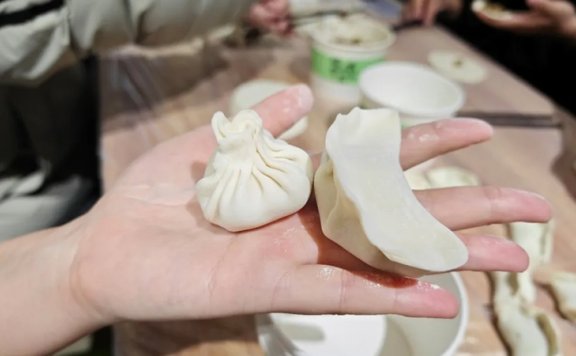
The aroma of steaming dumplings mixed with the soft rustle of silk and brocade. On the afternoon of December 19, 2025, a university cafeteria was transformed. Here, over a hundred students gathered, not just for a meal, but for a journey. The Hanfu Society hosted "Wearing Han Attire, Savoring Winter Solstice Elegance," an immersive event designed to bridge millennia-old traditions with youthful creativity. This was not a history lecture, but a living experience where the ancient Dongzhi (冬至) festival was felt through hands, taste buds, and shared laughter. The Dumpling as Canvas Dumplings are the undisputed star of Winter Solstice tables in northern China, symbolizing reunion and warmth. This event reimagined them as a creative outlet. Students didn't just wrap filling in dough; they sculpted it. Inspired by the flowing lines of their own Hanfu, traditional crescent shapes were joined by others resembling plum blossoms, ingots, and delicate fabric folds. The kitchen area buzzed with focused energy. Teams collaborated in a friendly speed-wrapping competition, their fingers moving deftly. More time, however, was spent on artistic expression. The serious task of ensuring a good seal was punctuated by exclamations over a particularly elegant pleat or a cleverly shaped piece. Laughter flowed… -
The Unlikely Tome That Forged Shi Mu’s Rise in the Xuan Realm
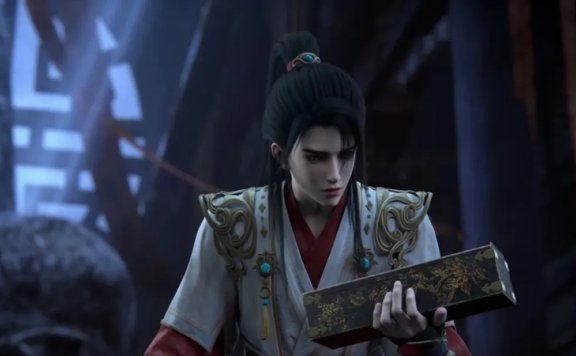
In the brutal, martial law of the Xuan Realm (玄界), strength is the only currency that matters. For Shi Mu (石牧), a lowly clan adoptee with no backing and a target on his back, survival was never guaranteed. His early journey was a tightrope walk over a chasm of certain death. While his fierce determination and raw combat skill were vital, they weren't his true lifeline. That distinction belongs to a seemingly unremarkable tome: the Zhong Gong Secret Manual (钟工秘典). Left to him as part of Zhong Xiu's (钟秀) dowry, this manual of so-called "niche techniques" became his most critical asset, a silent partner in his desperate climb from prey to predator. More Than Muscle Shi Mu's initial power level was negligible. Against mounted pursuers from powerful families or skilled rivals in martial halls, brute force would have meant a quick end. The manual provided a different path. It taught him the craft of forging incredibly powerful bows and the art of precision archery. In one defining encounter, facing down hundreds of cavalry, he didn't just escape. He used a seven-stone bow to punch arrows through shields, picking off key targets with chilling accuracy. This display of lethal skill, not… -
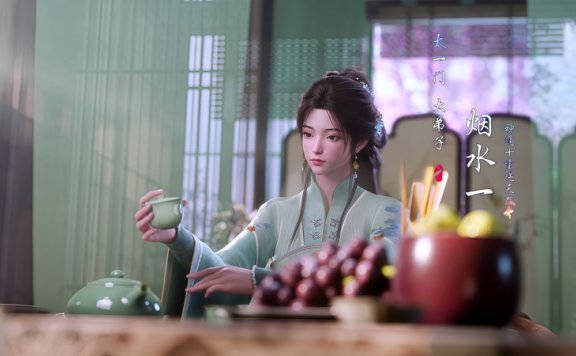
What Drives Fang Han’s Rise in Immortality’s Taiyuan Immortal Mansion?
A figure plummets from the sky, pursued by a relentless enemy. This is not an ending, but a beginning. The latest season of the acclaimed Donghua (动画) Immortality (永生) thrusts its protagonist, Fang Han (方寒), into the ancient, dormant heart of the Taiyuan (太元) Immortal Mansion. This is more than a refuge; it's a transformative crucible. Within its time-locked chambers, a desperate escape morphs into a daring enterprise. Fang Han does not merely survive this legendary testing ground. He acquires it, piece by piece, turning a dead labyrinth into a vibrant, mobile stronghold that defies the very forces that hunted him. His journey here redefines what it means to wield power, shifting from solitary strength to the foundation of a burgeoning community. The Portable Powerbase The Taiyuan Immortal Mansion’s most revolutionary concept is not its immense size, but its ultimate portability. Within its vast structure lie smaller, self-contained estates known as Daiyuan (带院). Think of them not as fixed rooms, but as modular, magical units—each with its own spiritual veins and functions. Fang Han’s first acquisition is the damaged Fire Cloud Estate. It becomes his initial anchor, a foothold in a hostile environment. Its true potential is unlocked when he… -
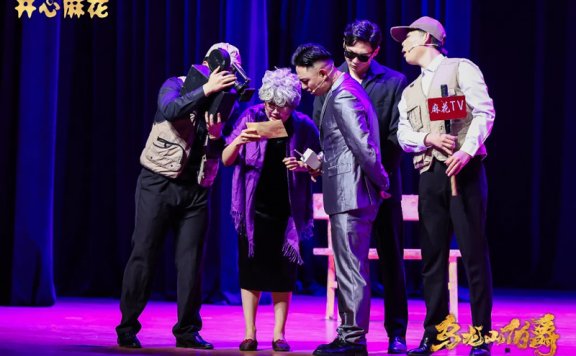
Why Has This Chinese Comedy Kept Audiences Laughing for 15 Years?
A billion yuan in box office revenue is not just a number; it's a phenomenon. The stage play The Count of Wulong Mountain (乌龙山伯爵) stands as a monumental achievement in modern Chinese theater. Premiering over fifteen years ago, this production by the renowned troupe Happy Mahua (开心麻花) did more than entertain—it redefined commercial success for live performances in China. With over 4,000 shows across more than 50 cities and frequently running over a dozen companies simultaneously, its reach is unprecedented. For many, it served as the launching pad for stars like Shen Teng (沈腾) and Ma Li (马丽), whose careers skyrocketed afterward. Beyond the statistics, the play offers a specific, potent remedy for modern malaise: relentless, clever, and absurd laughter. Performance Time: January 17, 2026 (Saturday) 20:00 Venue: Huizhou Culture and Art Center A Farce of Errors At the heart of the chaos is Xie Xie (谢蟹), a young man with no prospects, no money, and no luck. His life is upended overnight by news of a distant uncle's death and a staggering inheritance. Suddenly, the ultimate fantasy is within reach. However, before he can claim a single yuan, he is mistaken for a criminal during a botched bank robbery.… -
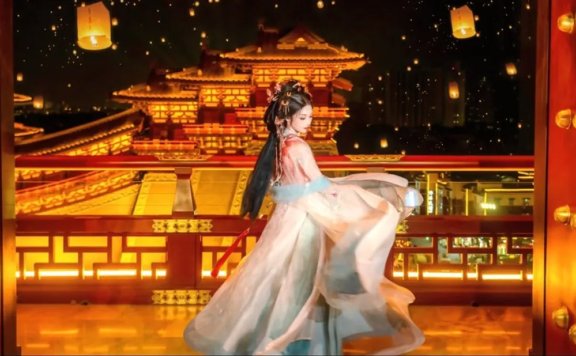
Winter Lights and Ancient Threads: A Hanfu Journey by Luoyang's Solstice
As the year turns toward its deepest night, a different kind of light begins to glow in the ancient capital of Luoyang (洛阳). The Winter Solstice, the year's longest night and a traditional festival heralding the return of the sun, transforms this historic city. It becomes a living canvas where the past is not merely remembered but worn. Here, amidst palaces and pagodas that have stood for millennia, the elegant lines of Hanfu are not a costume but a conversation—a silent dialogue between the wearer, the rhythm of the seasons, and the soul of a civilization. This is where time folds upon itself, inviting a modern step into a profoundly poetic celebration. Robes for the Long Night Selecting attire for this day requires thought. The solstice carries a solemn, introspective energy, and the clothing should mirror that dignified warmth. The aim is to achieve both physical comfort against the chill and a visual harmony with the season's quiet gravity. It is a practice in layered elegance and historical resonance. For robust warmth and regal structure, the Ming dynasty style stands paramount. A stiff-collared, side-closing long robe paired with a Mamian skirt offers superb protection from the wind. This combination presents… -
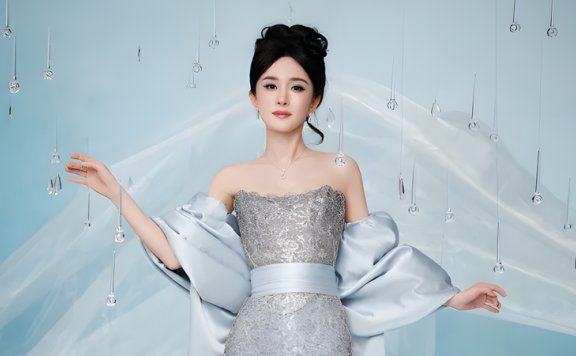
Yang Mi's Silver-Blue Gown Speaks Volumes
When actress Yang Mi stepped onto the recent event stage, a collective breath was held. Her appearance wasn't just a fashion moment; it was a narrative crafted in fabric and light. The ensemble she wore—a stunning silver-blue gradient gown—transcended mere clothing to become a statement piece, instantly dominating social media trends and fashion commentaries. It presented a compelling visual paradox: the cool, detached elegance of ice juxtaposed with an undeniable, flowing softness. This look did more than showcase a beautiful dress; it sparked a conversation about the evolving language of celebrity style and the multifaceted identity of the modern woman in the spotlight. Crafting a Paradox The power of the outfit lies in its deliberate contradiction. The core is a sleek, silver-gray bustier dress, meticulously embroidered with thousands of sequins that catch the light like fractured starlight on a frosty pane. It’s structured, sharp, and emits a formidable, almost regal energy. This isn't a dress that asks for permission; it commands attention with a cool, metallic gaze. Juxtaposed against this armored brilliance is the element of fluidity. A sweeping overlay of pale blue satin attaches to the bustier, cascading into extravagant, elongated sleeves and a trailing panel. This fabric moves… -
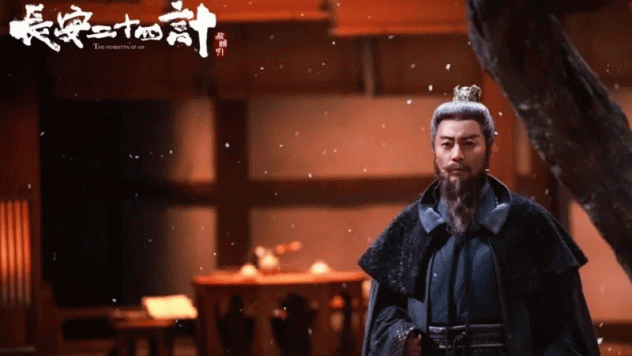
Who Really Killed Wang Pu in The Vendetta of An?
The intricate web of betrayal and power within the Tang Dynasty capital provides the backdrop for the gripping historical drama, The Vendetta of An (长安二十四计). A central point of intense debate among its audience revolves around the demise of the complex character, Wang Pu (王朴). While the narrative initially points to figures like Xie Huai'an ( 谢淮安) or an Fengshan (言凤山), a closer examination of the events suggests a far more tragic and self-directed conclusion. His death serves not as a simple act of vengeance, but as the final, inevitable move in a game where he was ultimately a disposable piece. The Poison That Wasn't Following Xie Huai'an's fourth strategic elimination, many viewers were convinced he had finally claimed Wang Pu. A prevalent theory suggests that poison was hidden within the dumplings offered during their tense meeting at the Daoguan (道观). This assumption, however, dissolves under scrutiny. The bowl set before him remained untouched throughout the entire confrontation. This detail is profoundly telling. Wang Pu, a man consistently depicted with an appetite, refusing food speaks volumes. His refusal was a silent admission of deep-seated fear and mistrust. He understood the potential danger sitting across from him, and his instinct for… -
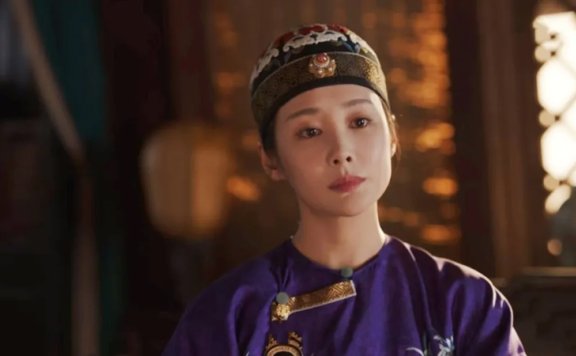
What Drove a Qing Princess to Become a Master Merchant?
In the sweeping drama Legend of the Magnate (大生意人), amidst the cunning deals and political machinations of the late Qing dynasty, one figure stands apart. Su Zixuan (苏紫轩), a former princess of the imperial clan, moves through the world of commerce and rebellion not for wealth, but for a singular, all-consuming purpose. Her journey reveals a profound truth: the most formidable business strategies are often born not from greed, but from profound personal loss and an unwavering desire for justice. This is not merely a story of profit and loss; it is a portrait of a woman navigating a man’s world, her every calculation shadowed by the ruins of her past. A Princess's Vendetta Stripped of her title and family after a political downfall, Su Zixuan was raised with one directive: revenge. This mission shaped her into a formidable strategist. Her introduction is iconic, establishing her fearless nature. In the remote, frozen trading post of Ningguta (宁古塔), she confronts a cheating gambler not with words, but with a pistol to his forehead. It is here she first encounters the shrewd merchant Gu Pingyuan (古平原). While others see a barren outpost, she sees opportunity, arriving to procure 300 warhorses for the… -
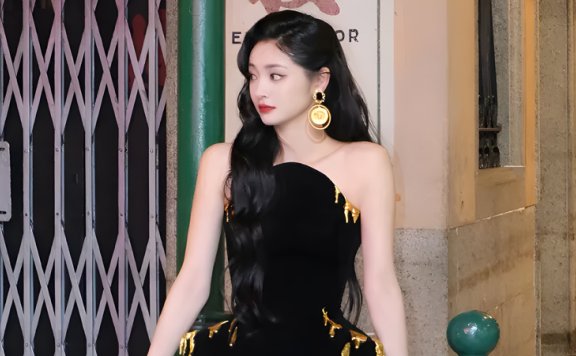
The Story Behind Zhou Jieqiong’s Head-Turning Style Pivot
A recent appearance by singer and performer Zhou Jieqiong (周洁琼) has sparked widespread discussion, signaling what many are calling a stunning and deliberate evolution in her public image. Known for years for a sweet, approachable, and youthful aesthetic, she has boldly stepped into a new realm of sophisticated glamour. This shift was crystallized in a single, powerful ensemble that dominated fashion conversations. The look was not merely a change of clothes but a statement of artistic maturation, demonstrating her ability to command a room with a newly revealed, potent elegance. A Masterclass in Contrast The centerpiece was a striking black velvet fishtail gown. The fabric's plush texture provided a lush, dark canvas that perfectly accentuated her figure. A daring single-shoulder cut showcased her collarbone and neckline, while the meticulously tailored bodice flowed into a sleek Mermaid Silhouette. As she moved, the skirt's train created a graceful, undulating motion, transforming her walk into a captivating performance. What elevated the gown from simply elegant to truly memorable were the gilded, molten-gold embellishments trailing down one side. This strategic use of Black-and-Gold Contrast created a visual tension that was both luxurious and modern. The hard, shimmering coolness of the metallic patterns against the… -
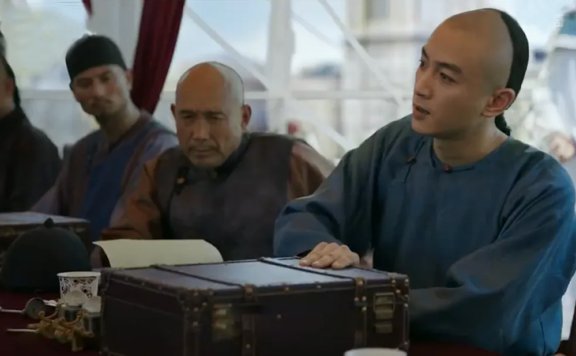
The Money-Making Wisdom of Legend of the Magnate
In the bustling port cities of late Qing Dynasty China, where merchants jostled for influence and survival was a daily calculus, a new television drama has captured the nation's imagination. CCTV's hit series, Legend of the Magnate (大生意人), follows the tumultuous journey of Gu Pingyuan (古平原), a scholar-turned-convict who rises from utter destitution to become a commercial titan. His story is more than a tale of personal triumph; it is a masterclass in resourcefulness. Against the backdrop of social upheaval and fierce competition in places like Shanxi and Nanjing, Gu demonstrates that the greatest capital isn't silver, but strategy. His entire philosophy can be distilled into three powerful principles: leveraging strength, borrowing wisdom, and riding the momentum of the times. Leveraging Strength The first lesson Gu Pingyuan masters is the art of leverage. Alone, he is a fugitive with nothing. His true power lies in his ability to identify and utilize the resources of others to achieve his goals. Early in his escape, he is recruited by the wealthy merchant Wang Tiangui (王天贵), who needs help reclaiming control of his pawnshop, Taiyufeng (泰裕丰). The shop is effectively run by three experienced stewards who have sidelined the owner. Understanding that a… -
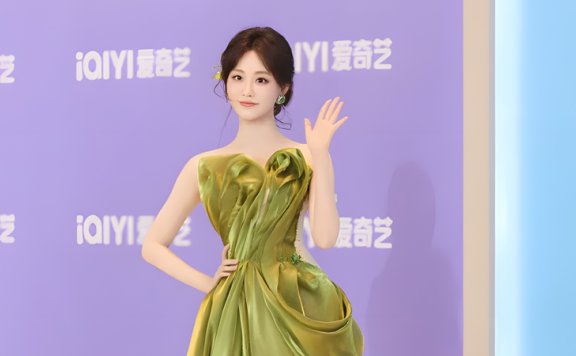
How Zhu Xudan Crafted a Fairy-Tale Red Carpet Look
What transforms a red carpet moment into pure magic? At a recent Scream Night event, actress Zhu Xudan (祝绪丹) provided a definitive answer, arriving not just as a celebrity, but as a vision seemingly conjured from an enchanted woodland. Her appearance sparked immediate and widespread admiration, with fans and fashion critics alike captivated by a look that masterfully balanced elegance, fantasy, and a distinct, powerful aura. This was not merely a fashion choice; it was a character brought to life on the crimson pathway, a statement of style that resonated deeply and lingered long after the event's lights dimmed. The Gown: A Forest Dream The centerpiece was an olive green satin gown that immediately commanded attention. The color itself was a daring and brilliant selection, a rich, earthy hue reminiscent of sun-dappled leaves in a deep forest. Unlike safer blacks or reds, this shade required precise coordination with skin tone and personal bearing, a challenge she met with remarkable grace. The satin fabric possessed a subtle, liquid sheen, catching the light with each movement to create the illusion of gentle, flowing water or polished stone. Design details elevated the dress from beautiful to extraordinary. A sweetheart neckline elegantly framed her… -
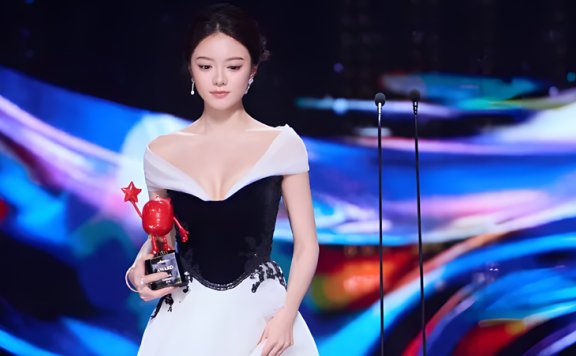
How Zhao Jinmai Stole the Show at Scream Night
The moment Zhao Jinmai (赵今麦) stepped onto the stage at the Scream Night event, she commanded absolute silence, followed by audible gasps. This was not the girl-next-door audiences grew up watching on screen. This was a revelation—a young woman who had mastered the alchemy of fashion, transforming into a vision of elegant, modern royalty. Her choice of gown, a stunning juxtaposition of black velvet and ethereal white tulle, did more than just turn heads; it announced a new chapter. That night, she didn't just attend an awards show; she owned it, delivering a masterclass in personal branding and sartorial evolution that will be referenced for seasons to come. Her gown was a study in sophisticated contrast. The structured black velvet bodice featured a deep V-neckline that elegantly framed her collarbones and shoulders, lending a touch of timeless maturity. Where the dark velvet ended, a cloud of delicate white tulle began at the shoulders, softening the look with a dreamlike, almost weightless quality. As she moved, the voluminous skirt seemed to float around her, catching the light with every step. The most exquisite detail, however, was the subtle, shadow-like embroidery at the waist—a hint of intricate darkness that revealed itself only… -
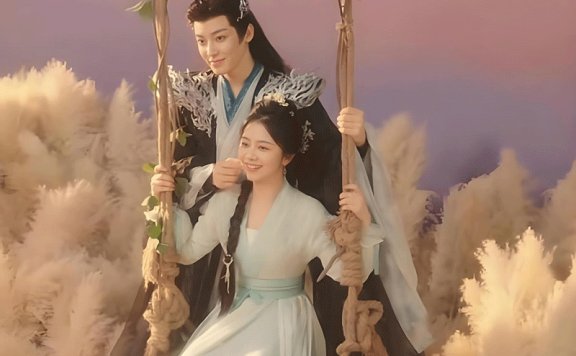
How The Unclouded Soul Unfolds a Tale of Vengeance and Healing
The upcoming fantasy drama The Unclouded Soul (逍遥) promises more than just breathtaking visuals and intricate costumes. At its heart, it presents a poignant question: can the deepest wound from a past life be mended by a connection in the present? Scheduled for release and already generating significant buzz, the series stars Tan Songyun (谭松韵) and Hou Minghao (侯明昊) in a complex tale that intertwines fate, vengeance, and a most unlikely redemption. The story begins not with a meet-cute, but with a centuries-old grudge. Hong Ye (红烨), the powerful demon lord played by Hou Minghao, once dreamed of peace between his demon tribe and the fearful humans. His hope took the form of a marriage alliance with the human princess, Ning'an (宁安). But on their wedding day, he was betrayed and murdered, a trauma that festered for over a hundred years as his spirit lay sealed away. The Unlikely Key Human dynasties changed, but their hatred for demons remained constant. The cycle is disrupted by Xiao Yao (肖瑶), a carefree young woman traveling the Jianghu with her father. By sheer accident, she stumbles into the cave imprisoning Hong Ye's spirit and awakens him. To his shock, she bears the exact… -
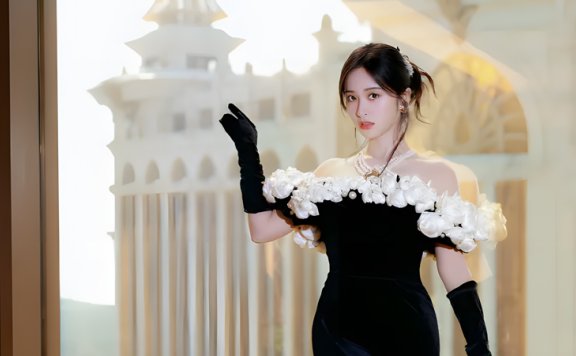
Has Shen Yue’s Style Just Changed Forever?
A recent series of images featuring actress Shen Yue (沈月) has sent waves through social media, marking a dramatic departure from her established public persona. Gone is the quintessential girl-next-door; in her place stands a vision of vintage elegance that feels both timeless and startlingly new. This transformation is anchored in a single, powerful ensemble: a sleek black velvet gown with a trailing hem, dramatically accented by a sculptural white rose at the shoulder. The contrast is immediate and arresting, signaling not just a new look, but a potential new chapter. This shift moves beyond mere wardrobe choice, touching on the broader conversation about personal evolution and the expressive power of fashion in an actor's career. It prompts a question about the nature of star image itself—is it fixed, or is it a canvas for continuous reinvention? A Style Reborn The genius of the look lies in its disciplined simplicity and masterful contrast. The matte velvet fabric carries an inherent, quiet luxury. It drapes and moves with a heavy grace, catching light subtly without shine. The gown's cut is precise, defining the silhouette while the elongated train creates a sense of fluid motion with every step. This foundation of dark,…
