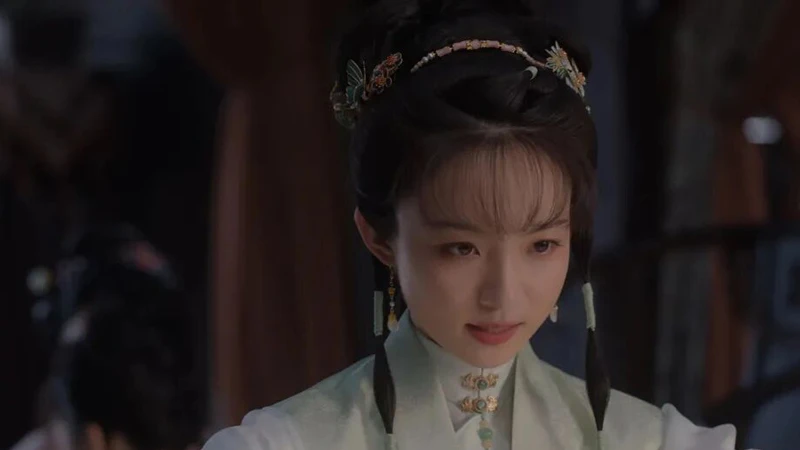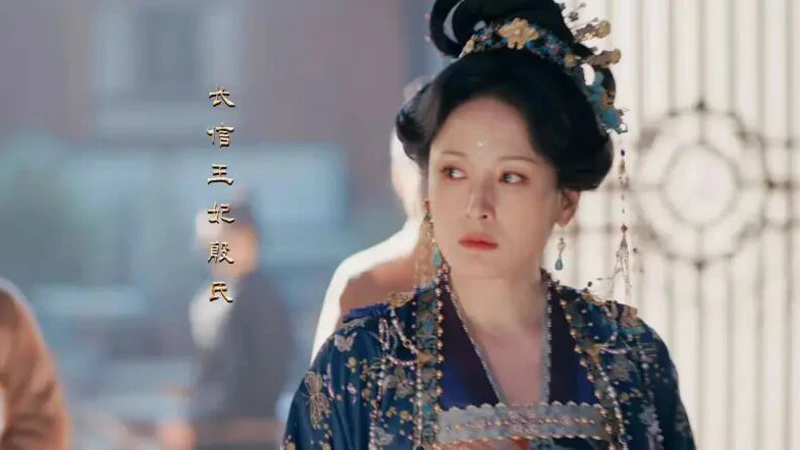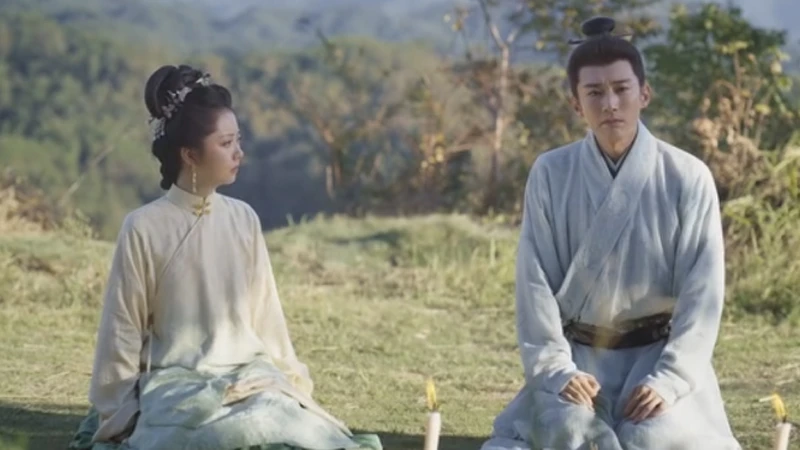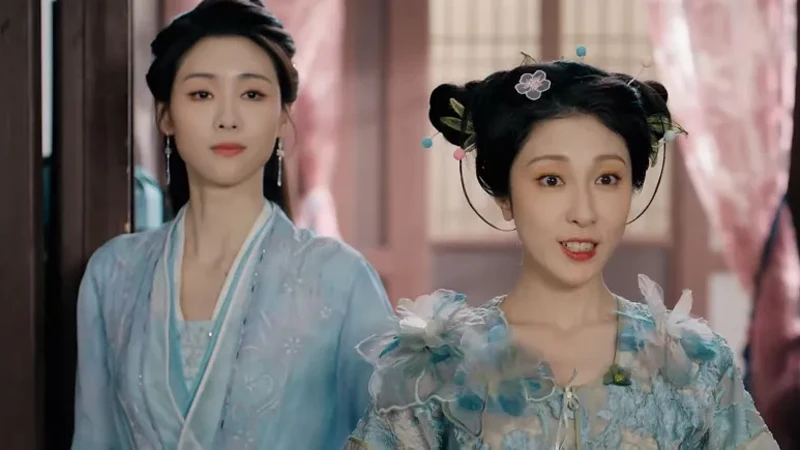
The fantasy drama The Unclouded Soul (逍遥) presents a betrayal that left many viewers reeling. When Dali (大丽), seemingly a loyal companion, turns against the protagonist Xiao Yao in the mysterious Yanxu Realm (烟虚境), the immediate assumption points to a classic temptation: the promise of eternal youth from the powerful Dreamshatter Immortal.
Yet, a closer look reveals a far more nuanced and tragic psychological unraveling. Dali’s shift from a timid flower spirit to a spiteful rival wasn’t a simple transaction for beauty, but a calculated exploitation of her deepest insecurities. This story arc moves beyond a plot twist to explore how the hunger for recognition can make a soul susceptible to the most venomous forms of persuasion.
The Unlikely Alliance
From Xiao Yao’s (肖瑶) perspective, the journey to the Yanxu Realm was a desperate rescue mission for their mutual friend, Hong Ye (红烨). Dali’s companionship appeared as steadfast solidarity, a friend sharing a perilous burden. This made her subsequent hostility in the realm not just shocking, but personally devastating for Xiao Yao. The truth, however, was that Dali’s motives were never aligned with this mission. Her desire to enter the Yanxu Realm was entirely her own, and evidence suggests she was a pawn in a larger game from the start.
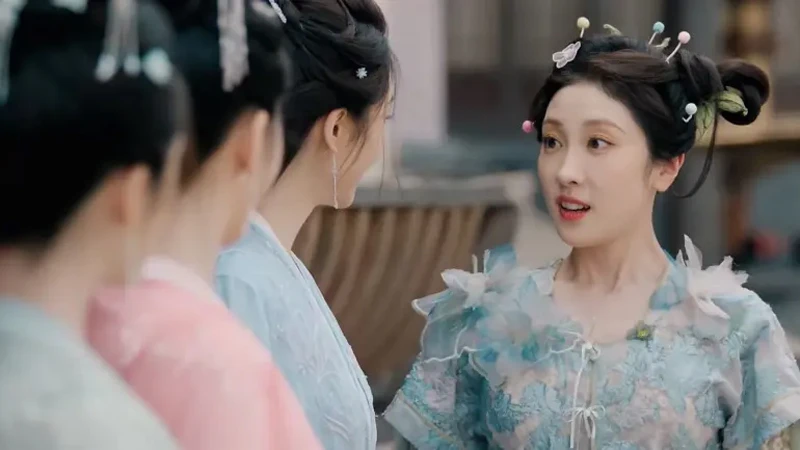
After Hong Ye’s initial clash with the realm’s envoys, Dali’s behavior grew peculiar. She secretly retrieved a portrait of the Dreamshatter Immortal, treating it with reverent care. Later, she provided Xiao Yao with a powerful tracking talisman, revealing Hong Ye’s captivity and triggering the decision to venture into the Yanxu Realm. This talisman was a glaring anomaly. As a common flower spirit from the Wanyaogu (万妖谷), Dali lacked access to such advanced magic. The most logical source was the Immortal herself, who likely used the portrait as a conduit.
Thus, Dali was never merely a companion; she was an unwitting delivery mechanism. The Immortal’s goal was to use Xiao Yao as leverage against Hong Ye. But why would Dali comply? The answer lies not in promised rewards, but in a fundamental vulnerability that was expertly targeted long before they crossed the realm’s threshold.
A Garden of Whispers
The transformation in Dali’s personality is stark. In the Wanyaogu, she was defined by simplicity and fear, often marginalized despite her origin as a peony—the celebrated king of flowers. This disconnect between her majestic form and her ignored existence bred a quiet, unspoken yearning. The Yanxu Realm’s agents, like Lu Pianpian (陆翩翩), identified this fissure with predatory precision during a chance encounter in the human world.
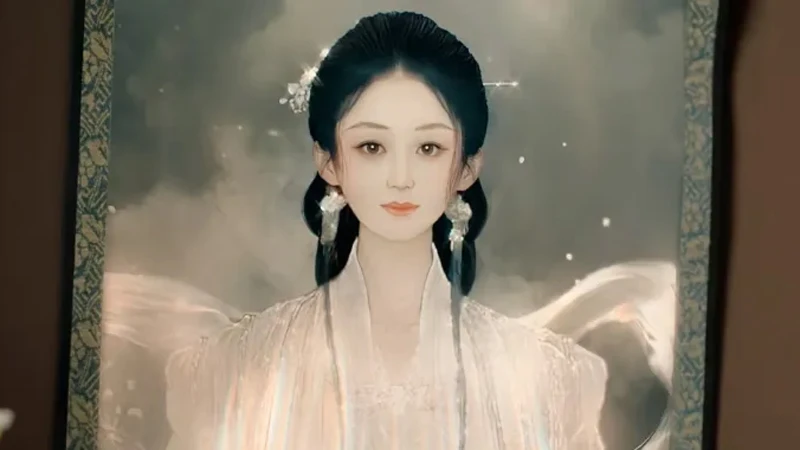
Amid a crowd admiring cosmetics, Lu Pianpian singled out Dali. “Whose maiden is this?” she exclaimed. “Such a delight to behold.” This public validation from a figure of authority was a potent drug. Dali was then invited onstage, her ordinary existence suddenly flooded with a spotlight she never knew she craved. The private audience that followed, where she gazed obsessively at the Immortal’s portrait, completed the first stage of her seduction. Lu Pianpian’s flattery—”I see you are extraordinarily clever, no ordinary being”—felt like rain on parched soil.
This moment was the turning point. Whether through mystical influence or purely psychological manipulation, a seed was planted. The Dreamshatter Immortal is a master of persuasion, adept at amplifying hidden desires. For Dali, the message was simple yet transformative: “You are exceptional. You deserve admiration, not obscurity.” This idea, once introduced, began to corrode her old loyalties, making the Yanxu Realm seem not like a enemy’s stronghold, but a promised land where she would finally be seen.
The Reflection in the Mirror
Inside the Yanxu Realm, the nurtured seed blossomed into full betrayal. Dali’s actions—undermining Xiao Yao during trials, refusing to be “a supporting leaf”—were the manifestations of her awakened and weaponized insecurity. The realm’s environment acted as a dark mirror, reflecting back an inflated, entitled version of herself that the Immortal’s agents had helped create. The promise of eternal youth was likely just a superficial lure; the core offer was eternal validation.

Dali’s story is a cautionary tale about the power of context. In an environment where she felt small and overlooked, the targeted recognition from the Yanxu Realm became irresistible. It wasn’t necessarily about explicit mind control, but about offering a narrative that glorified her repressed grievances and aspirations. When someone feels perpetually undervalued, a sponsor who promises to correct that injustice can easily become an object of devotion, regardless of their morality.
So, why did Dali betray Xiao Yao? The betrayal was less a conscious choice and more a surrender. She surrendered to a crafted fantasy where she was the central, worthy figure—a fantasy that preyed upon her fragile sense of self. Her journey into the Yanxu Realm was ultimately a journey into a distorted version of her own desires, orchestrated by a manipulator who understood that the deepest traps are built from a person’s own longing to be loved, seen, and remembered.