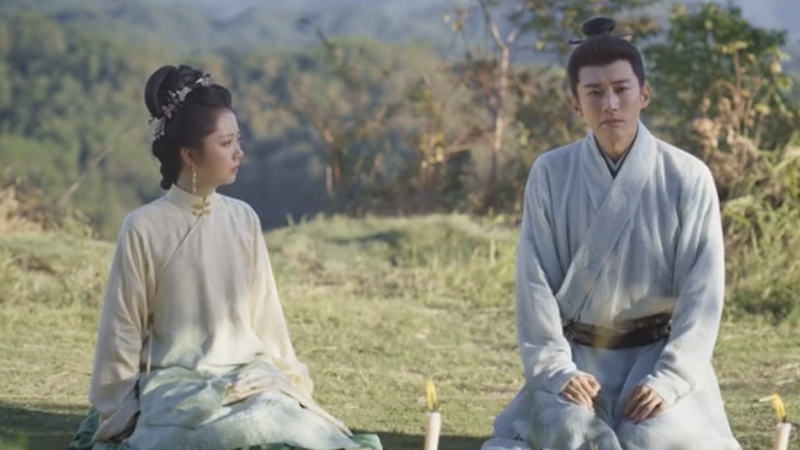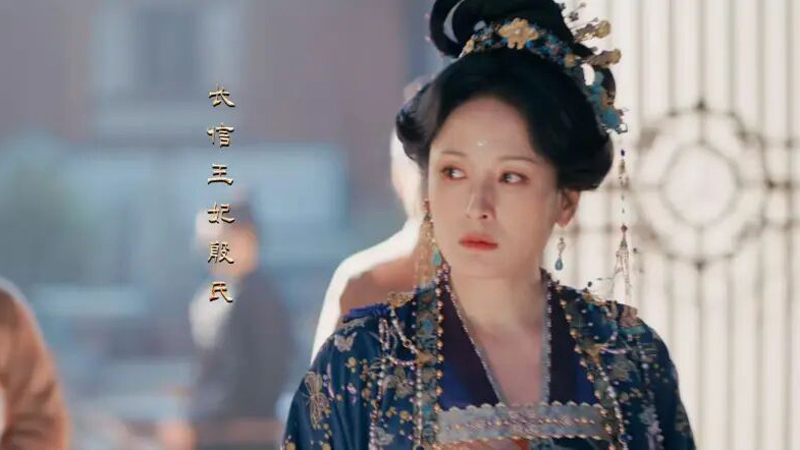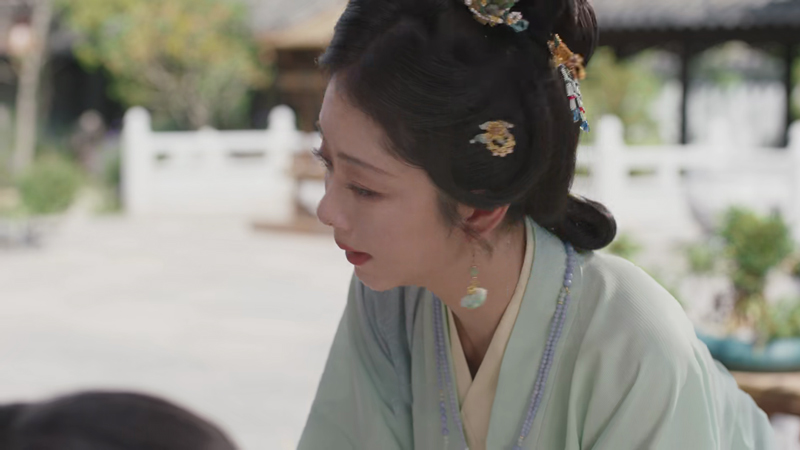
In the finale of Against the Current (兰香如故), a dying woman says a name that belongs to two daughters. Xu Lanxiang (许兰香) turns, thinking her mother calls her. Then Xue Guihua (薛桂花) whispers, “Lanxiang is coming for me.” The room goes quiet. Xu Lanxiang does not scream. Her tears fall without sound. Why? Not only because death is near. Because she finally hears the truth inside a name she has worn for years. The call is not a mistake. It is a confession, a memorial, and a wound that has waited too long. Her silence asks a harder question: whom is she really mourning?
Two Lanxiangs
Xu Lanxiang has lived under another girl’s name. Before, she was Shen Jialan (沈嘉兰). After the Shen family was destroyed, she survived alone. The Xu family’s real daughter was sick and dying. Xu Wanquan (许万全) and Xue Guihua took her in and let her become their daughter. They gave her food, shelter, and stubborn courage. She learned to live like grass—bent by wind, never broken. In return, she called them Father and Mother, worked beside them, and helped their poor home breathe again. Love grew in that borrowed space, but so did an unspoken shadow.
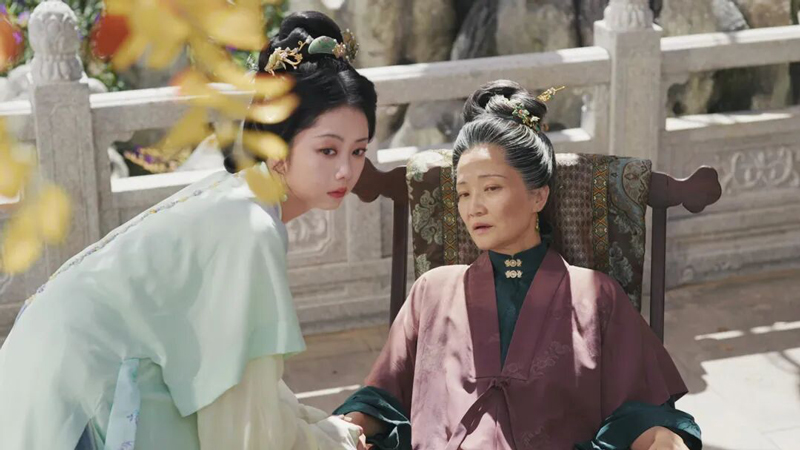
But a name does not erase a person. In Xue Guihua’s heart, two Lanxiangs exist. One is the living girl who cooks, bows, smiles, and answers when called. The other is the baby girl who died in Jiao Fang Si (教坊司) during a heavy snow. The second Lanxiang never grows up, never marries, never returns. She stays frozen at the age of leaving. Her mother carries her without a photograph, without a grave, without public tears. That hidden daughter is not a rival. She is a missing limb.
When Xue Guihua says “Lanxiang,” Xu Lanxiang hears her own name. She forgets that another girl owned it first. She even forgets Shen Jialan’s birthday. She becomes Xu Lanxiang so fully that old servants like Qiukui (秋葵) can pass her on the street without recognition. Yet the dying woman has not forgotten. Her tongue remembers both daughters. Her heart has kept two beds, two birthdays, two silences. The living daughter learned to answer; the dead daughter never stopped being called.
A Hidden Grief
The cruel part is not that Xue Guihua loved her real daughter. It is that she could not mourn her openly. If she wept too much, Xu Lanxiang might feel like a replacement. If she spoke the dead girl’s name, neighbors might ask questions. The family’s safety depended on silence. So Xue Guihua folded her grief into chores, meals, and small smiles. She became an expert at carrying sorrow while peeling vegetables, sewing clothes, and wishing her living daughter good night. Her kindness was real. So was the cost of hiding it.
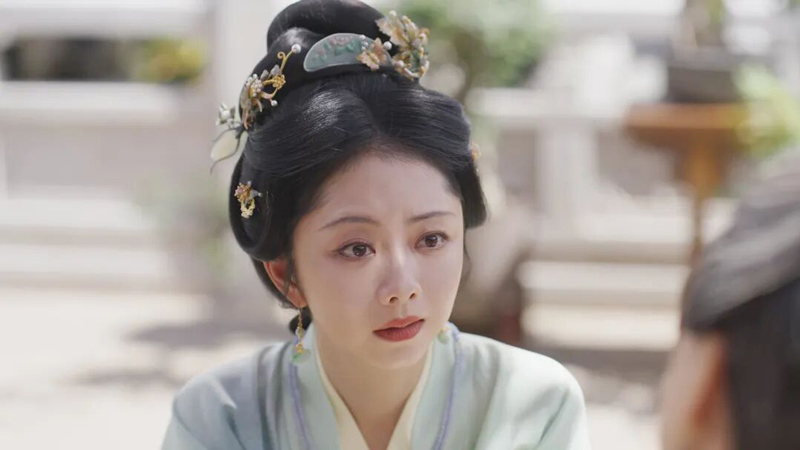
Xu Lanxiang believed their life was a rescue on both sides. The parents saved her from death; she saved them from poverty and loneliness. That story is warm, but incomplete. She could take the daughter’s place at the table. She could not take the daughter’s place in memory. The dead girl still had a room in her mother’s chest, locked and dark. No living kindness could enter that room, because it belonged to someone who would never come home. That truth did not make Xue Guihua false. It made her tired in ways no one could see.
Then illness brings the locked door open. “Lanxiang is coming for me,” Xue Guihua says. It sounds like welcome. It sounds like surrender. It also sounds like a mother finally admitting that she has been waiting to see her child again. The secret does not vanish. It becomes heavier, because now Xu Lanxiang knows it. She cannot unhear the sentence. She cannot pretend the other Lanxiang was only a story. The final call turns a private wound into a shared one.
Why She Wept
Xu Lanxiang cries for the mother who hid her pain. She cries for every festival when Xue Guihua smiled while thinking of a grave she could not visit. She cries because the woman who gave her a second life never received a full chance to grieve her first one. That grief lived beside love, not against it. It did not make the mother false. It made her more human, more tired, and more lonely than Xu Lanxiang had ever understood. The tears are not only for loss. They are for years of quiet endurance.
She also cries for herself. For years, she thought she had become enough. Enough daughter, enough comfort, enough replacement. The last call shows her a different truth: she was deeply loved, but she was never a copy. Xue Guihua’s love for her was real. So was the empty chair beside it. Both could exist in one woman. Both could ache at the same time. That knowledge is painful, but it is also a strange kind of honesty. She was not chosen instead of someone. She was loved alongside someone.
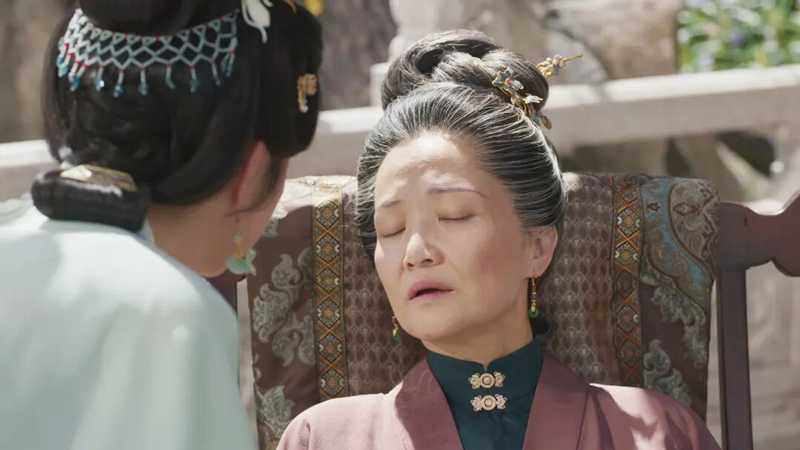
Most of all, she cries because no one may ever love her that way again. A mother’s hidden sorrow and hidden protection meet in one sentence. Xu Lanxiang understands it too late to ask questions, too late to comfort, too late to say thank you. So her tears fall in silence. The name “Lanxiang” no longer sounds like only hers. It sounds like two girls, one living and one lost, held together by a dying woman’s final breath.
What do you think? Did Xu Lanxiang weep for the mother she was losing, for the sister she never knew, or for the name that held both?