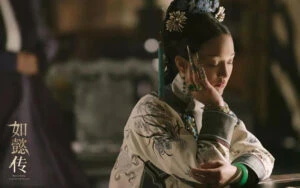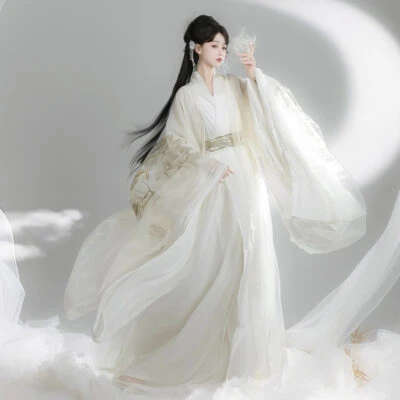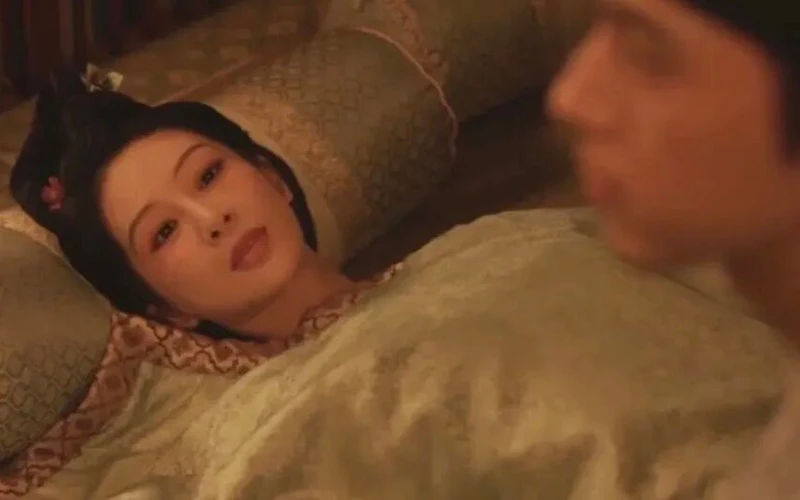
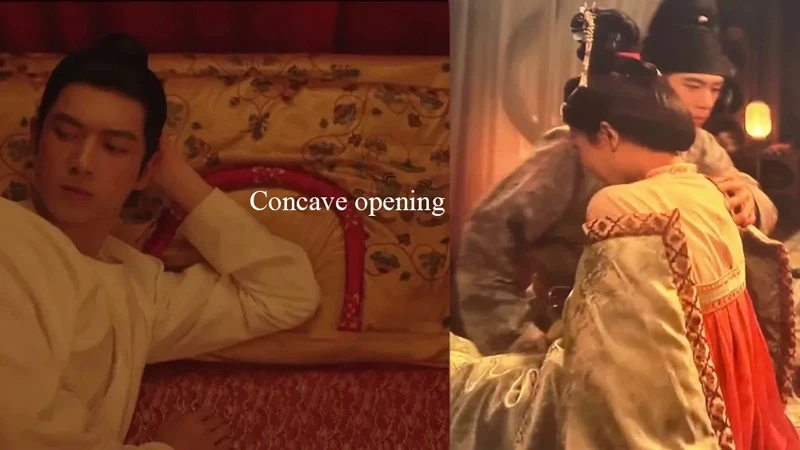
A quilt with a U-shaped gap looks like a costume shortcut. In Flourished Peony (国色芳华), He Weifang (何惟芳)—played by Yang Zi—pulls one over her shoulders. The male lead in Where the Mask Ends (嫁金钗) does the same. The notch sits under the neck; fabric covers each shoulder. Viewers feel instant safety. Is it real? Yes. A Warring States example survives. The idea is older than most period dramas admit. This was not a prop team’s happy accident. It was a cold-night fix, stitched with care. The quilt even had a name: qin (衾). Its job was simple—hold warmth where sleepers lose it first.
Not A Prop
Look at the shape, not the romance. A square quilt has four straight edges. When a sleeper rolls or sits up, those edges lift. Cold air reaches the shoulders. The U-shaped cut follows the neck and shoulder curve. Pull it high, and the fabric cups the body. Pull it low, and the face stays clear. That balance explains why the design lasted. Archaeologists have found early examples in Eastern Zhou tombs. The quilt is not a fantasy made for cameras. It is a household object with a long, quiet life.
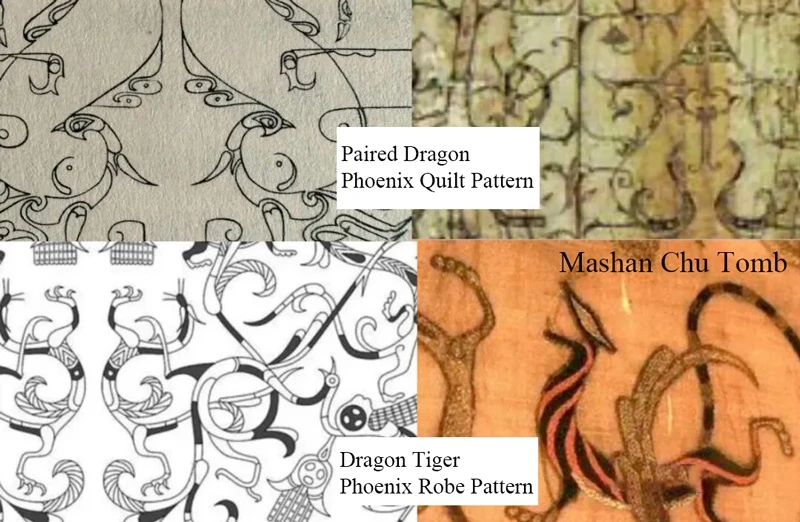
The Mashan Chu tomb (马山楚墓) example adds detail. Its cover carries old lock-stitch embroidery: paired dragons, paired phoenixes, deep blue, bright blue, red-brown, vermilion, yellow. The pattern echoes clothing found in the same tomb complex. A warm quilt could also be a beautiful object. The notch did more than save heat. It marked the head end at a glance. No guessing in the dark. No turning the quilt four times. A small cut solved two small nightly problems.
Some online jokes ask why old stories call a couple “two mouths.” The quilt gives a playful answer: one sleeper, one notch; two sleepers, two notches. The pun is modern fun, not proof. Still, it shows how quickly a strange shape becomes familiar. The eye reads the gap as a place for a body. The hand reads it as a guide. Good design often works that way: first as a joke, then as common sense.
Shoulders Stay Warm
A normal cotton quilt can feel warm until the shoulders slip free. Then the body cools fast. The U-shaped notch targets that weak point. The edge rests under the chin and around the neck. It does not press on the mouth or nose. The shoulders stay covered while the face gets air. If the room turns warm, the sleeper can push the quilt down. The notch still frames the neck. If the room turns cold, a tug upward seals the gap. The quilt responds without extra ties, buttons, or gadgets.
The cut also answers a morning problem. Square quilts look the same at both ends. The notch says, “This side goes up.” That matters in a dark room or a shared bed. The design keeps the long sides in place. The embroidered face can stay on top. The plain lining can stay against the body. Small choices like this make a bed easier to use. They also explain why the shape appears in paintings, tombs, and now television.
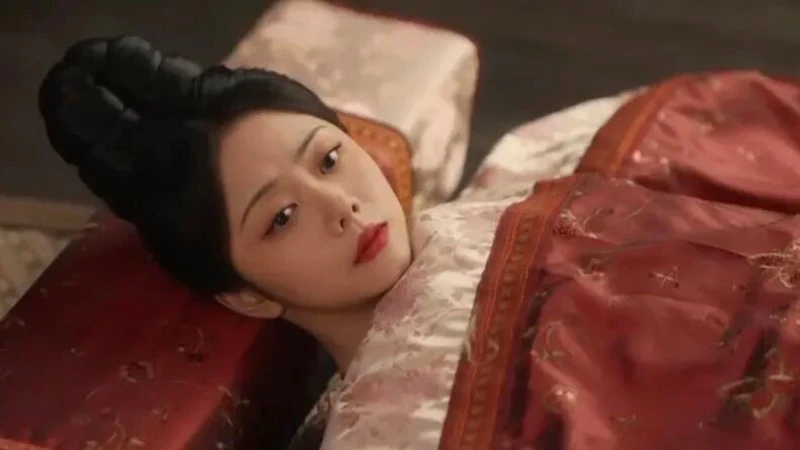
Would a restless sleeper love it? Maybe not. A hard edge can catch a cheek or press a neck during a turn. A person who sleeps with arms outside may find the opening odd. A duvet cover may slide unless ties hold the inner layer. These are fair worries. The U-notch is not a magic quilt. It suits sleepers who want a close wrap and little movement. A square quilt still wins for wild nights and quick kicks.
Poetry And Choice
The old word qin carries more than bedding. Du Fu wrote of a cloth quilt cold as iron, torn by a child’s sleep. The line turns a household object into a record of hardship. Bai Juyi (白居易) used a kingfisher quilt in Song of Everlasting Regret (长恨歌) to frame loneliness. A famous vow says lovers share one quilt in life and one grave in death. The quilt becomes a witness. It holds heat, but it also holds memory. A gap at the neck may look small; the feelings around a quilt are not.
Modern buyers ask practical questions. Will the notch hit my chin? Will it fit my duvet? Can I wash it without losing the shape? The honest answer: try it. Sleep habits differ. A person who lies still may enjoy the snug shoulder wrap. A person who rolls may prefer straight edges. A couple may want two notches, or none. A guest room may need the simple square version. The old design offers one more option, not a rule for every bed.
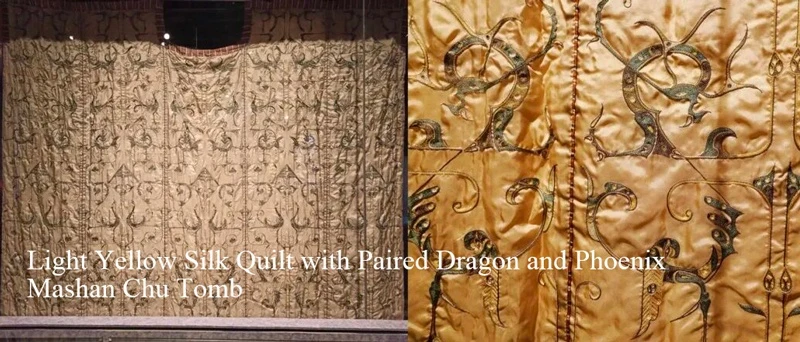
That is the real lesson from the screen. A costume can hide smart engineering. A strange cut can carry a plain purpose: keep the shoulders warm, mark the top, show a little craft. The next time a drama character pulls that quilt high, look at the gap. It is not there for style alone. It is a quiet answer to a cold night, stitched centuries ago. So which would you choose: the old U-neck quilt or the square one?