-

Against The Current: Tan Songyun and Liu Xueyi’s Gritty Historical Drama
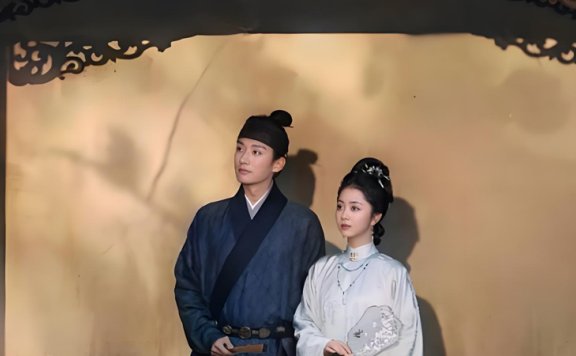
Tencent Video is poised to launch a major historical drama in 2026, Against The Current (兰香如故), a series already stirring excitement among genre enthusiasts. Headlined by the talented Tan Songyun (谭松韵) and Liu Xueyi (刘学义), the story springs from the novel Lan Xiang Yuan (兰香缘) by renowned author Tong Hua (桐华), celebrated for crafting intense emotional and political narratives. This production immerses viewers in the Ming Dynasty, with sets and costumes rigorously designed to reflect historical accuracy, including dozens of exquisite, hand-stitched garments. It presents a compelling narrative of a privileged woman’s catastrophic fall and her clandestine struggle for justice and love, all while living under a borrowed identity. The combination of a revered source material, a dedicated cast, and visual splendor sets the stage for a memorable viewing experience. Star-Studded Ensemble Tan Songyun takes on the demanding dual role of Shen Jialan (沈嘉兰), the cherished granddaughter of a Grand Secretary, and later, the unassuming maid Xu Lanxiang (许兰香). Her performance traces a heartbreaking arc from opulent comfort to gritty survival, requiring her to masterfully depict both dignified grace and concealed intellect. The audience witnesses her character's inner strength as she endures the humiliation of servitude while secretly plotting a…- 214
- 0
-
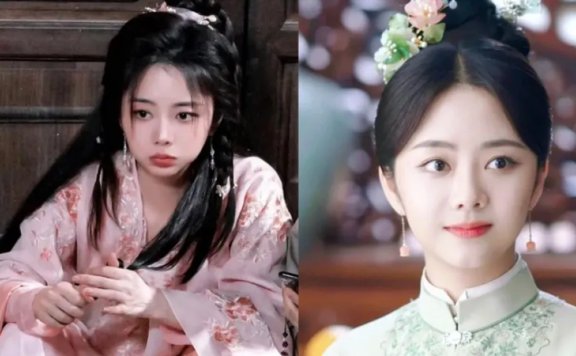
A Hairstyle Transformed Tan Songyun’s Look
When actress Tan Songyun (谭松韵) appeared in the new historical drama Against The Current (兰香如故), audiences were stunned. Her look wasn’t just different—it felt like a revelation. Gone were the structured, heavy styles of her previous Ming-era roles. In their place was something lighter, more poetic, and deeply rooted in classical Chinese aesthetics. This transformation wasn’t accidental. It was the result of deliberate, historically-informed styling centered around an ancient Han Dynasty hairstyle known as Ji Huan (髻鬟). This style did more than just change her appearance—it redefined her character’s grace, elegance, and inner strength, proving that sometimes, the smallest details carry the deepest meanings. The Ji Huan Ji Huan is a traditional hairstyle where hair is arranged into hollow, ring-shaped buns secured at the crown. The term breaks into two parts: Ji, meaning a coiled knot of hair, and Huan, referring specifically to the circular, ringlet form. Unlike solid buns, the hollow design of the Huan creates a sense of volume without weight, giving the hairstyle a floating, almost ethereal quality. This style became popular from the Han Dynasty onward and is frequently depicted in classical court paintings. Its beauty lies in its versatility. It could be worn as a…- 133
- 0
-
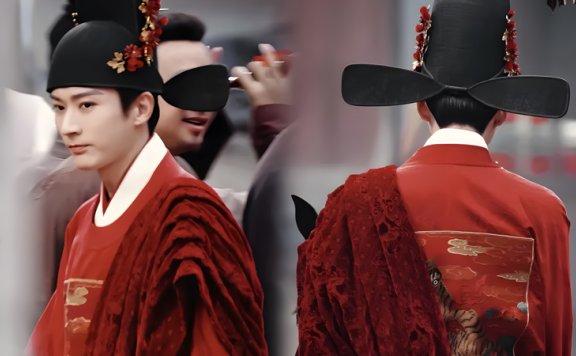
The Significance of Liu Xueyi’s Pihong in Against the Current
Why is Liu Xueyi (刘学义) wearing a red velvet drape in his wedding scene? This question has sparked curiosity among viewers of the period drama Against the Current (兰香如故), where the actor’s costume features a striking crimson cloth over his left shoulder. Rather than a costume mishap, this detail is deeply rooted in historical tradition—a symbol of celebration known as Pihong (披红), or “draping red.” Symbol of Achievement During the Ming and Qing dynasties, Pihong was predominantly worn by scholars who had passed imperial examinations. Achieving the title of Zhuangyuan (状元) or Jinshi (进士) was met with great honor, and the draping of red cloth symbolized joy and intellectual triumph. The phrase “spring breeze” captures this euphoric moment—a scholar riding through the capital, admired by all. The fabric used for Pihong was typically lightweight silk, brocade, or fine satin, avoiding bulkiness. In Against the Current, the velvet-like material may seem unusual, but it stays true to the concept of ceremonial draping. Originally reserved for academic achievements, the practice gradually extended to other significant life events. Historical records, such as the Ming novel Joyful Feuds (欢喜冤家·二十三回), describe scholars wearing Pihong with floral headpieces—a duo of honor. This combination highlighted one’s social…- 195
- 0
Against the Current


Scan to open current page
-
$CouponsLimitation of use:Expired and UnavailableLimitation of use:
before
Limitation of use:Permanently validCoupon ID:×Available for the following products: Available for the following products categories: Unrestricted use:Available for all products and product types