-
Top 10 Must-Watch Chinese Period Dramas of 2025
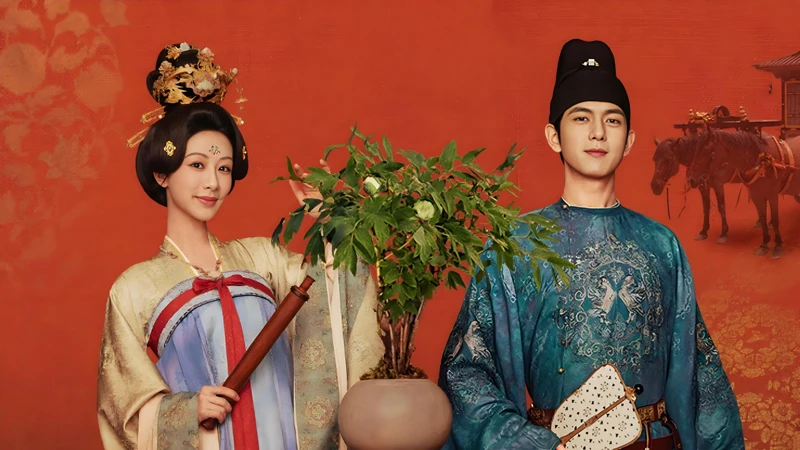
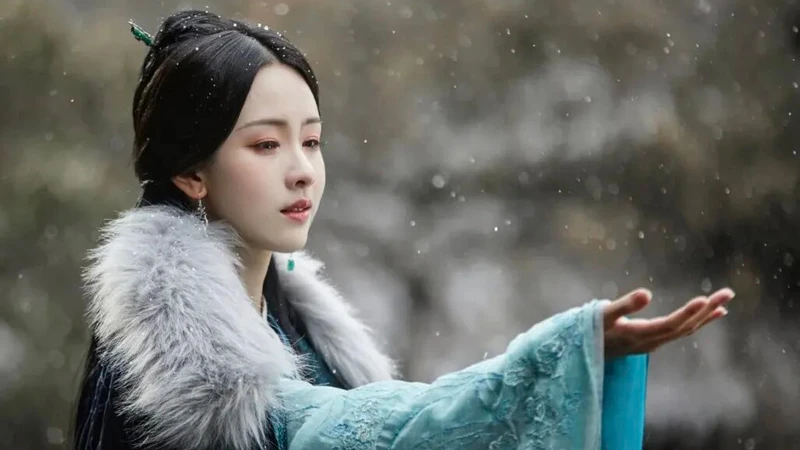
This year, historical series have transformed television with their inventive approaches. The Legend of Zang Hai immediately captivated viewers, setting a precedent for narrative depth. It blends suspense with emotional arcs that keep audiences engaged. Another standout, The Demon Hunter's Romance merges the supernatural into ancient settings, offering a fresh perspective. Meanwhile, Strange Tales of Tang Dynasty Ⅲ: Chang'an delves into Tang dynasty enigmas, where each revelation builds tension. These productions highlight a shift toward complex storytelling, resonating with fans who seek more than mere escapism. Flourished Peony (国色芳华) Aired: 2025 Douban rating: 7.8 Period Background: A fictional ancient dynasty reminiscent of the Tang era, focusing on urban commerce and aristocratic circles. Genres: Historical Drama, Business, Female Empowerment, Political Intrigue Main Roles: Yang Zi portrays He Weifang (何惟芳), a determined merchant's daughter; Li Xian appears as Jiang Changyang (蒋长扬), a clever official with a hidden agenda; supporting actors include Wei Zheming, Zhang Yaqin, and Tu Songyan. Adapted from: The novel by Yi Qianzhong (意千重), which originally serialized online. Plot Deep Dive: He Weifang enters a marriage of convenience to aid her ailing mother, only to encounter coldness and deceit from her husband's family. After discovering fraudulent medicinal practices, she courageously…- 24
- 0
-
Rabbit Ear Hairstyle in Tang Dynasty Ⅲ
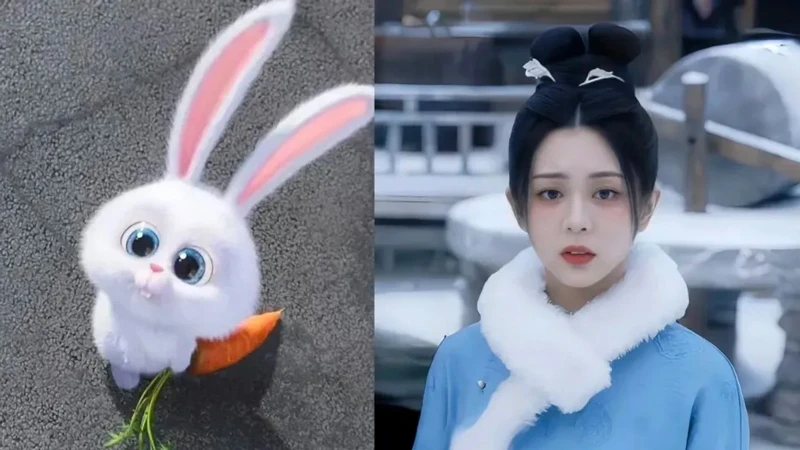
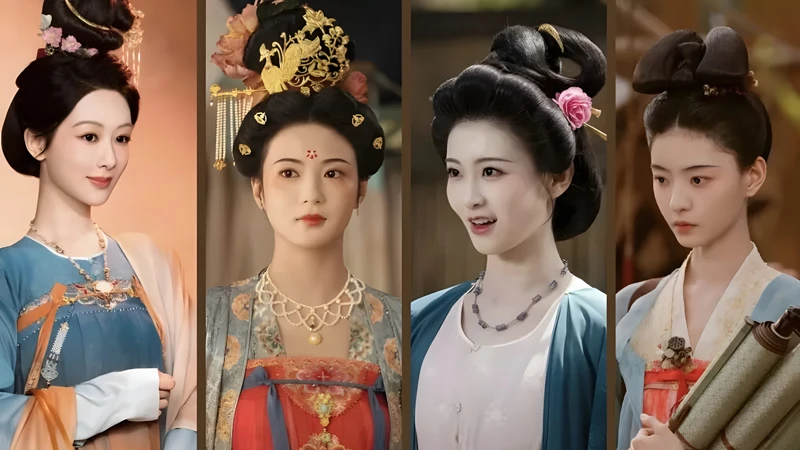
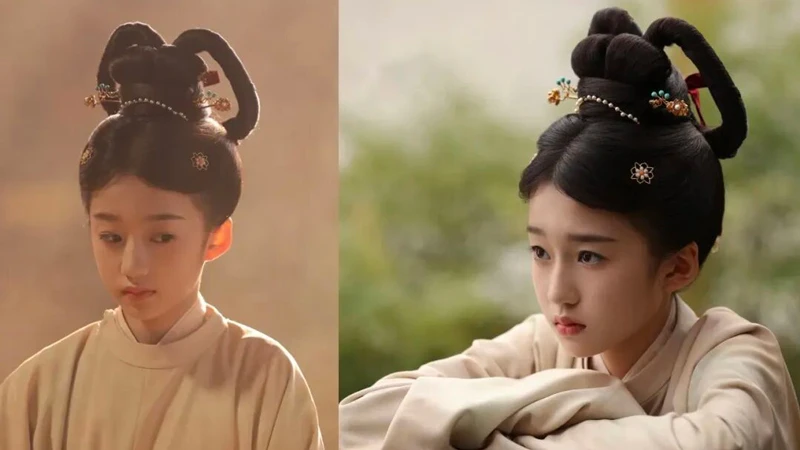
In the popular series Strange Tales of Tang Dynasty Ⅲ: Chang'an (唐朝诡事录之长安), the character Xi Jun (喜君) captivates audiences with her charming hairstyle that resembles rabbit ears. This look has sparked curiosity and admiration online, with many viewers wondering about its name and origins. Far from being a modern invention, this hairstyle has deep roots in Tang Dynasty fashion, where it symbolized youth and vitality. It frequently appears in historical dramas, often paired with traditional attire like Qixiong Shanqun (齐胸衫裙), enhancing the playful and innocent aura of female characters. This article delves into the history, variations, and enduring appeal of this distinctive style, revealing how ancient beauty standards continue to influence today's media. Ancient Origins The rabbit ear hairstyle is broadly categorized as Shuangji (双髻), meaning "double bun." This style was especially popular during the early to high Tang period, characterized by two buns positioned on the head, sometimes with a central gap or crossed sections. Historical records, such as those from the Five Dynasties period, note its prevalence among young women, reflecting societal norms where hairstyles indicated age and marital status. For instance, unmarried girls often wore Shuangji to showcase their youth, while mature women opted for more elaborate…- 15
- 0
-
The History of China's Sheng Hair Ornament
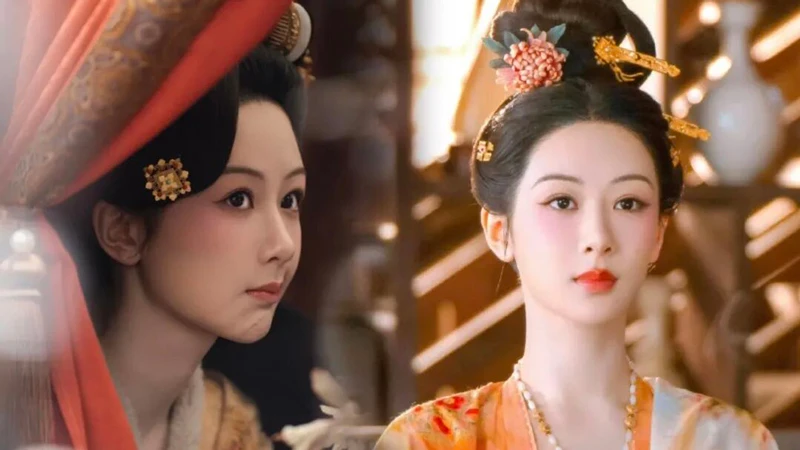
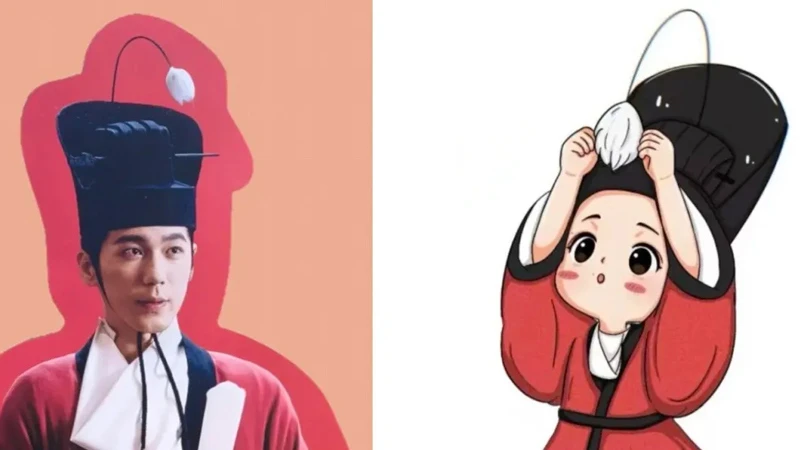
Have you ever been watching a historical Chinese drama and noticed something strange on a character's head? In the series Flourished Peony (国色芳华), the actress Yang Zi, who plays the character He Weifang (何惟芳), is often seen wearing a curious square-shaped hair ornament. It looks so modern and geometric that viewers might mistake it for a pixellated mosaic. This is no costume designer's error, but a revival of an ancient tradition. This distinctive accessory, also spotted on characters of noble birth, is a real historical artifact known as a Sheng (胜). Its journey from a practical tool to a sacred symbol and finally a fashionable hairpin is a fascinating story woven through centuries of Chinese culture. Mythical Origins The story of the Sheng begins not on a dressing table, but in the realm of myth. Its earliest association is with the powerful goddess Xiwangmu (西王母), the Queen Mother of the West. Ancient texts like the Classic of Mountains and Seas (山海经·西山经) describe her appearance: she resembles a human but has a leopard's tail and tiger's teeth, with disheveled hair and a Sheng upon her head. She was a deity who governed celestial punishments and disasters. Later interpretations, however, linked her…- 21
- 0
-
The Story of Weimao and Mili in Tang Dynasty China
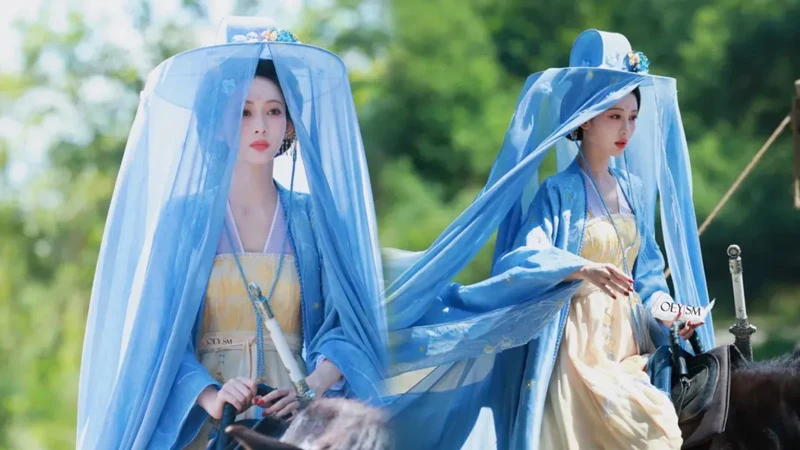
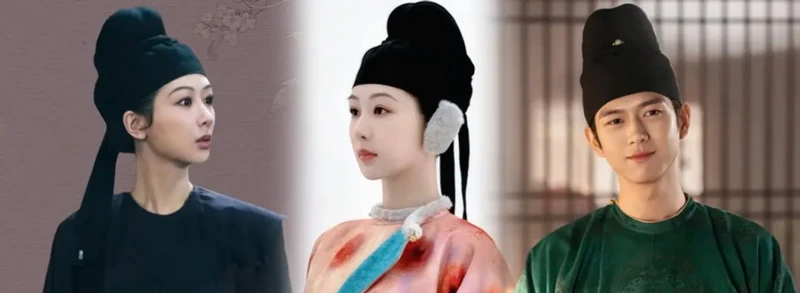
When watching Tang Dynasty-set dramas, have you ever wondered why some female characters wear hats with long veils covering their faces—or even their entire bodies? These headpieces, often called "face-covering hats" in period shows, come in varying styles: some veils drape to the shoulders, others sweep down to the ankles. But what lies behind these differences? Were ancient women truly hidden so thoroughly, or was there more to these hats than meets the eye? Let’s uncover the stories woven into Tang Dynasty headwear—Weimao (帷帽) and Mili (羃篱). Weimao vs Mili: Fabric, Length, and Timeline First, a quick clarification: Weimao and Mili are distinct, though often confused. Weimao, made of cloth or thin silk, features a wide brim with short veils that typically reach the neck—just enough to "lightly cover" the face, as Tang records describe. Mili, by contrast, is crafted from bamboo with longer veils that can shroud the entire body. Their popularity also shifted over time: Mili dominated in the early Tang (618–649 CE), while Weimao rose to fame during Empress Wu Zetian’s reign (690–705 CE) before fading in the Kaiyuan era (713–741 CE). For example, Yang Zi’s Weimao in the drama Flourished Peony (国色芳华) aligns closely with historical… -
Yang Zi's New Hanfu Look: Like a Cone
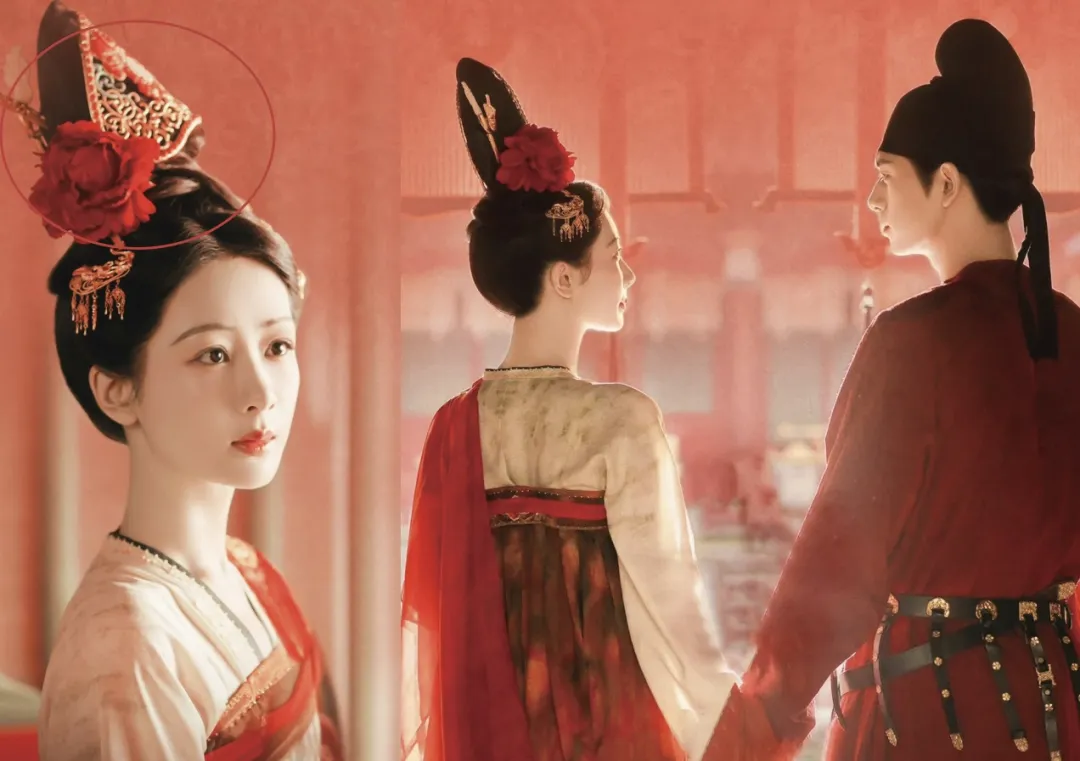
The posters of the second part of Flourished Peony called In the Name of Blossom have revealed the new looks of Yang Zi and Li Xian. Yang Zi's hair bun on the top of her head resembled an upright cone. Some netizens joked, "Is this the so - called ‘cone - shaped hair’ in the Tang Dynasty?" First, let me conclude that this hairstyle is the single - blade half - flipped hair bun that was popular in the Tang Dynasty. Although it looks like a cone, its structure is actually much more complex than you might think. Let's break it down. The Chinese meaning is very clear: Single - blade means that when the hair bun is spread out, it looks like a single blade of a knife, and "half - flipped" means that the blade of the knife bends and flips inward halfway, resulting in the shape we see. Now, let's see how to visually identify the single - blade half - flipped hair bun. The two pictures on the left are from the Tang Dynasty, and the rightmost picture is from the Sui Dynasty. We can see that this hair bun, popular during the Sui and Tang…
❯
Profile
Check-in
Message
Message
Search
Contact Us
Scan to open current page
Top
Checking in, please wait
Click for today's check-in bonus!
You have earned {{mission.data.mission.credit}} points today!
My Coupons
-
$CouponsLimitation of use:Expired and UnavailableLimitation of use:
before
Limitation of use:Permanently ValidCoupon ID:×Available for the following products: Available for the following products categories: Unrestricted use:For all products
No available coupons
Daily tasks completed: