
Quanzhou’s 22 UNESCO World Heritage sites aren’t mere ruins; they’re the beating heart of a 13th-century global trade metropolis where cultures converged like monsoon currents. When Marco Polo dubbed this port "Zaiton," he witnessed a city orchestrating maritime commerce from China to East Africa. The legacy lives in the moss-covered bridges where Arab traders once walked, the Taoist shrines where Song dynasty merchants prayed for fair winds, and the Islamic tombs whispering tales of Persian navigators. Each stone here is a page in humanity’s first playbook of globalization.
Engineering Marvels That Defied Tides
The Bridge Builders’ Legacy
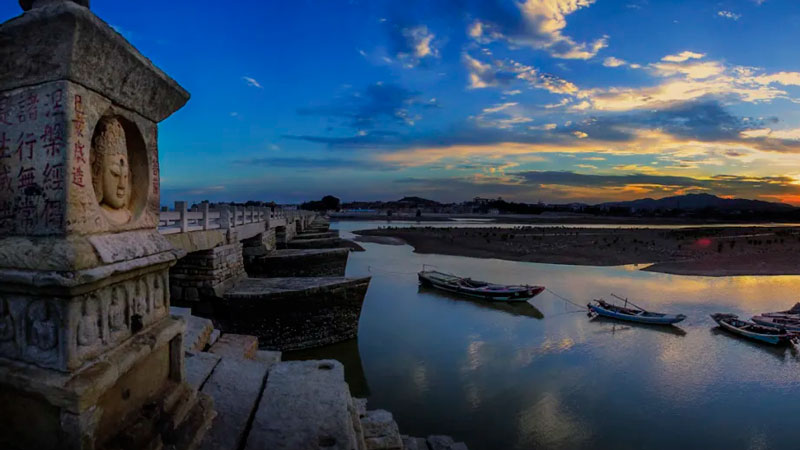
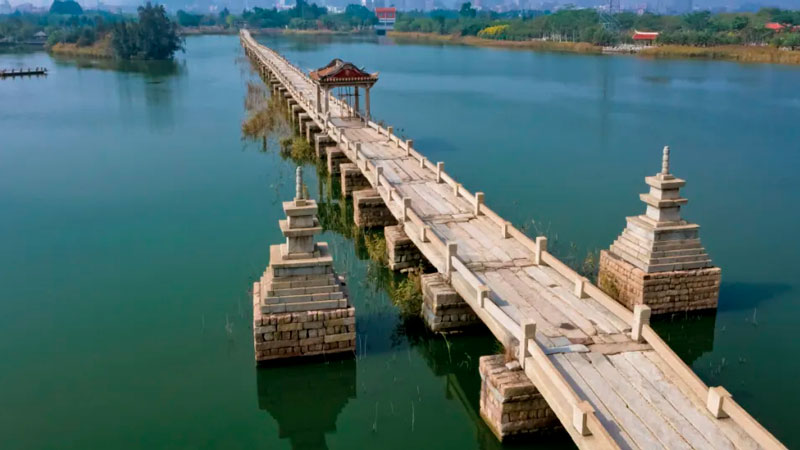
At Luoyang Bridge, engineers pioneered "raft foundations" and oyster-reinforced piers—medieval biotechnology enabling a 120-meter span across the roaring Luoyang River. Its "Moonlight Bodhisattva" carving still gazes seaward, guarding secrets of Song-era ingenuity. Nearby, Anping Bridge stretches five li (2.5 km), an engineering Everest using tide-assisted "floating beam" techniques. These arteries pulsed with silk and porcelain, linking hinterland kilns to waiting dhows.
Ports That Tamed Oceans
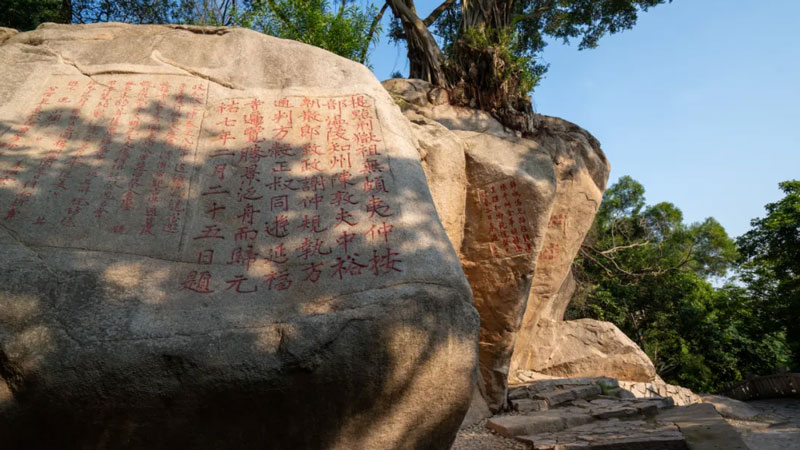
Shihu Dock’s trapezoidal stone platforms and Cizao Kiln’s dragon-shaped furnaces reveal an industrial ecosystem. Archaeologists uncovered Ming-era celadon shards beneath wharf stones—proof that docks doubled as bustling markets. At Zhenwu Temple, the 1533 "Devourer of Seas" stele looms where officials performed wind-summoning rites, blending bureaucracy with celestial diplomacy.
Navigating by Faith and Stone
Twin sentinels guarded maritime traffic: Liushuang Pagoda’s Buddhist carvings guided night voyages, while Wan Shou Pagoda ("Sister-in-Law Tower") became a lighthouse for heartsick families awaiting sailors. Their stones bore witness when typhoons spared ships carrying Song celadon to Calicut.
Where Gods Shared Neighborhoods
Sacred Stones, Global Souls
Qingjing Mosque’s qibla wall—aligned to Mecca with geometric perfection—rose beside Taoist Laojunyan’s serene granite sage. Both heard the same harbor bells. At Kaiyuan Temple, Hinduapsaranymphs dance on Buddhist pagodas while Manichean light-worship echoes in Cao’an Temple’s rainbow-hued prophet statue—a theological kaleidoscope unmatched until modern Singapore.
Imperial Threads in Urban Fabric
Southern Clan Bureau’s lotus-patterned tiles reveal exiled Song royalty overseeing tax collection. Their "official" bricks mingled with Arabic-script tombstones in alleys smelling of frankincense and dried squid. By Confucius Temple’s 96-column hall, scholars debated Zhu Xi while Persian merchants haggled over iron ingots from Qingyang Furnace.
Gateways to Forgotten Worlds
Dejimen Gate’s rubble yielded Nestorian crosses and Tamil merchant seals—a cultural palimpsest. When Mongol horsemen stormed these walls in 1276, they found Hindu goldsmiths bartering beside Quanzhou’s indigenous Minnan traders.
Craftsmanship That Fueled Empires
Kilns That Lit the Maritime Silk Road
Cizao’s dragon kilns birthed emerald-glazedkendis(water vessels) for Java’s royalty, while Dehua’s "ivory porcelain" glowed in Abbasid palaces. Excavations prove it: a shattered Filipino kendi base fits perfectly with Shihu Dock finds. These weren’t exports; they were currency.
Iron That Built Continents
Qingyang Furnace’s slag heaps testify to Song China’s steel supremacy. Its high-phosphorus iron—unbreakable by monsoon waves—became anchor chains for junks sailing to Zanzibar. Archaeologists found Ming coins in furnace ash: workers paid in cash, not rice.
Stone Over Water, Water Under Stone
Shunji Bridge’s 30 surviving piers showcase "boat-shaped" bases dispersing tidal force—an innovation later borrowed for Venetian canals. When Portuguese carracks arrived in 1517, they docked at relics already 300 years old.
The Harbor Still Breathes
Today, fishermen at Shihu Dock mend nets where Song customs officers once stamped porcelain manifests. The wind carries ghosts of Arabic prayers from Islamic tombs, blending with temple gongs. Quanzhou’s stones aren’t silent; they’re dialogue—between ocean and mountain, pragmatism and devotion, memory and modernity. To walk these 22 sites is to tread the deck of history’s greatest multicultural ship, still sailing through time.