Article
搜索结果:
-
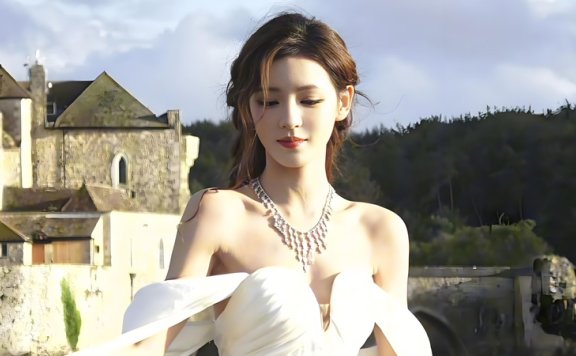
Zhang Yuxi's Castle Photoshoot Evokes Disney Princess Fantasy
When Zhang Yuxi's (张予曦) latest photoshoot surfaced online, it didn't just trend—it rewrote the rules of celebrity allure. Dressed in an elegant white gown against the backdrop of an ancient castle, she didn’t just pose; she brought a fairytale to life. Netizens couldn’t help but draw comparisons to a Disney princess who’d stepped right out of an animation and into reality. But beyond the dazzling visuals lies a story of grit, growth, and grace—one that challenges the very notion of what it means to be a star in today’s entertainment world. The Castle Fantasy Set against stone walls and vintage arches, the photoshoot is a masterclass in aesthetic storytelling. Zhang Yuxi has sharp features, porcelain skin and a poised demeanor, and she embodies the "runaway princess" vibe. This is not a gimmick; it is a natural extension of her presence. The setting amplifies her elegance, making it easy to imagine her as the heroine of a classic romance or a modern-day Cinderella. Social media exploded with praise, with fans and critics alike calling it one of the most visually stunning celebrity moments in recent memory. What sets these images apart is their authenticity. In an era of heavy editing and… -
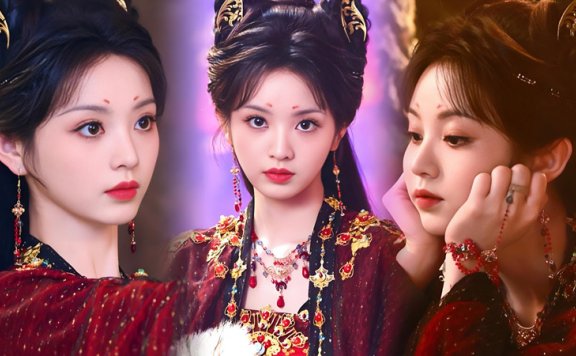
Tian Xiwei’s Chinese Styles in Moonlit Reunion
Who hasn’t been mesmerized by Tian Xiwei’s (田曦薇) stunning looks in the hit drama Moonlit Reunion (子夜归)? From the flowing Qixiong Shanqun (齐胸衫裙) to the intricate updos adorned with hairpins, let’s uncover the Chinese aesthetic secrets behind these viral styles that have taken the internet by storm. Clothing: Timeless Hanfu Silhouettes Qixiong Shanqun is a signature skirt style for women during the Sui, Tang, and Five Dynasties. Its defining feature is an extremely high waistline—usually positioned above the chest—which elongates the figure and creates a graceful, flowing effect when walking. Tanling Banxiu (坦领半袖) is a standout short outer layer in the Hanfu system. “Tanling” refers to its wide, curved or square neckline, which gracefully reveals the neck and collarbone, while “Banxiu” denotes short sleeves that end at the elbows. Worn over a short inner shirt, it adds depth and layers. Its origins trace back to the upper jacket of the Wei and Jin dynasties, evolving over time into its current form. Duopo Jianse Qun (多破间色裙) gets its name from the number of fabric panels—terms like “six-panel skirt” or “twelve-panel skirt” highlight its complex sewing technique. In the Sui and Tang dynasties, multi-panel skirts were all the rage with high-chest long… -
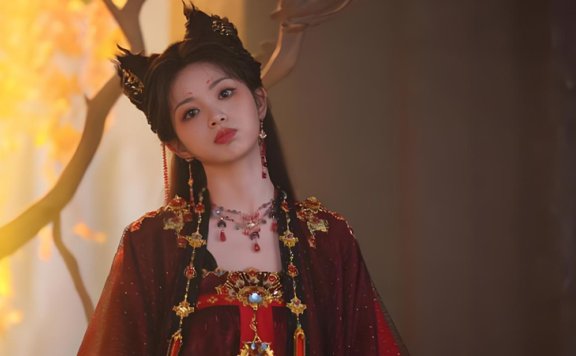
The Cat Lord's Path to Balance in a World of Humans and Demons
In the fantasy world of Moonlit Reunion (子夜归) , where humans and demons coexist, Wu Zhen’s (武祯) growth isn’t a sudden “power-up” story—it’s a gradual, cat-like transformation: shedding the fragility of a kitten to grow sharp claws and unwavering resolve. From hiding behind a facade of recklessness to facing her identity crisis, from evading responsibility to embracing it, she finally finds balance between her human and banyao (半妖) selves. Once a girl hiding in armor, she becomes a light for herself and others. Hiding in Dual Lives Wu Zhen’s early self was fragmented and vague. As the second young lady of the Yu State Duke’s Mansion, she faced the constraints of being a “proper lady.” As the Mao Gong (猫公), she bore the responsibility of protecting demons. The conflict between these two identities made her use pretense as armor. By day, she was the famous “reckless county lord” of Chang’an—wearing men’s clothes, visiting music halls, teasing her husband—using irreverence to rebel against the expectation that “women must be dignified.” “Since they think I’m reckless, I’ll play the part so no one forces me to do what I hate,” she thought. This facade protected her from societal pressure but blinded her… -
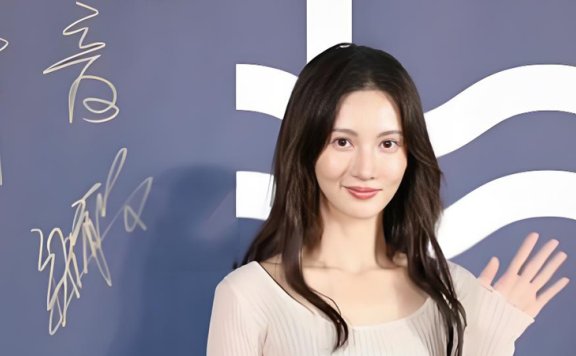
Jin Chen's Unplanned Red Carpet Stroll in Aranya
When a star steps onto the red carpet in vacation clothes, it does more than surprise—it challenges an entire culture of glamour. On September 7, Chinese actress Jin Chen (金晨), affectionately known as Da Xi (大喜) to her fans, made headlines not for a designer gown but for her ordinary outfit at the closing ceremony of the Waves Film Week in Aranya. Unlike other celebrities who spent hours preparing, she appeared in a casual crop top, jeans, flat shoes, and a simple LV scarf tied around her waist. Her makeup was light, almost bare-faced, as if she had just been strolling along the beach. The reason? She wasn’t even scheduled to attend. She was there as a tourist, invited last minute to walk the carpet. Her unpreparedness became her greatest asset. The Unplanned Walk Jin Chen’s team responded with humor and honesty. Her studio posted on social media, “The red carpet was a last-minute decision, and so was our notification. This is so Da Xi!” Instead of hiding behind excuses, Jin Chen embraced the situation. She joked that she was her own stylist, photographer, and makeup artist that day. A video of her leaving the event went viral—she was seen… -
How Meng Ziyi Stole the Spotlight at a Wuling Car Launch
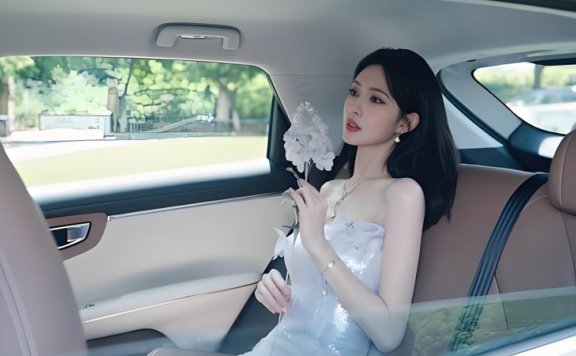
When Meng Ziyi (孟子义) appeared at a recent Wuling (五菱) car launch, no one expected the event to become a viral moment celebrating authentic beauty in China’s entertainment industry. Without heavy editing or dramatic styling, she captivated the public not just with her looks, but with her poise and confidence. In an industry often dominated by curated images and aggressive marketing, her appearance felt like a quiet revolution—a reminder that true presence comes from within. The Unfiltered Moment On a warm day under bright lights, many attendees might have struggled with discomfort or fading makeup. Yet Meng Ziyi remained composed, seated in the center of the event. Each time the camera turned to her, she responded with a calm smile and effortless grace. She wore a simple, elegant bustier dress that highlighted her natural silhouette without relying on extravagant design. Her ease was palpable, as though she had nothing to prove. What made the moment extraordinary was the absence of retouching. The images circulating online were raw and unedited, showing her skin texture and subtle expressions exactly as they were. In a world where celebrity images are often perfected, this authenticity resonated deeply. People praised not just her beauty, but… -
Dilraba: A Qipao Meets Knee-High Boots
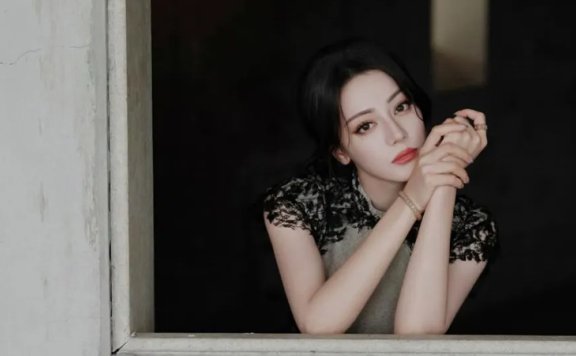
When traditional elegance meets modern edge, a unique fashion statement is born. Chinese actress Dilraba's latest photoshoot masterfully demonstrates this fusion, creating a visual dialogue between the classic Qipao and contemporary, bold footwear. Her styling choices transcend mere trend-following, instead offering a narrative on how heritage and innovation can coexist in a single, powerful image. This is not just a photoshoot; it is a testament to the evolving language of global fashion, where boundaries are blurred and new definitions of beauty are constantly being written. Garment as Canvas The centerpiece of this sartorial story is a lace Qipao. Its light brown base provides a soft, elegant canvas, while intricate black lacework sprawls across the shoulders and sides like delicate ivy. This design choice is deliberate, preserving the dress's inherent classical grace while injecting a layer of modern mystique and allure. The garment hugs the figure, celebrating the timeless silhouette that has made the Qipao an enduring icon, yet the lace detailing ensures it feels entirely of-the-moment, a piece designed for a contemporary muse who respects but is not bound by the past. Dilraba’s interaction with the dress is equally thoughtful. In one frame, she lounges lazily on a wooden chair,… -
Creating Bold and Harmonious Looks with Amber's Warm Glow
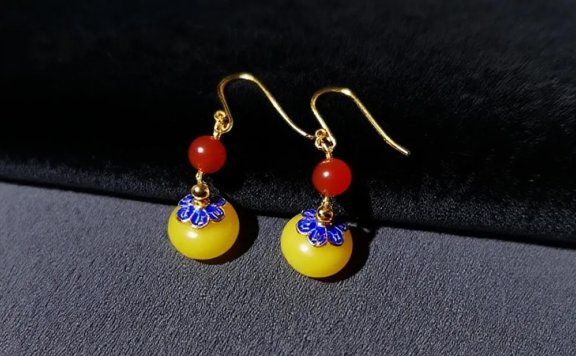
Have you ever wondered how a single piece of amber jewelry can transform your entire look? Amber, a gemstone as ancient as time itself, carries a warm, organic energy that resonates deeply. Unlike heavier gemstones, it is remarkably lightweight and versatile, making it a favorite among jewelry enthusiasts. Its most common hues are varying shades of yellow and white, though the pristine white amber is a rare and costly find. This article will guide you through innovative ways to style this beautiful resin, moving beyond conventional pairings to create stunning, personalized statements that are uniquely you. Bold Color Clash For those who love to make a statement, the color clash technique is a powerful tool. This approach relies on pairing amber with gemstones in contrasting colors to create a dynamic and eye-catching visual impact. The goal is to achieve a balance where the warmth of the amber is both complemented and challenged by cooler or more vivid tones. Selecting the right companion beads is crucial for this style to work effectively and harmoniously. Excellent choices for this bold style include deep reds like Nanhong agate (南红玛瑙) or Zhanguohong (战国红), rich blues from Lapis Lazuli, and vibrant greens from turquoise or… -
A Hairstyle Transformed Tan Songyun’s Look
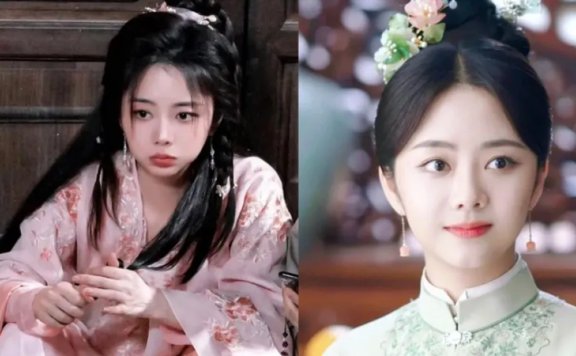
When actress Tan Songyun (谭松韵) appeared in the new historical drama Against The Current (兰香如故), audiences were stunned. Her look wasn’t just different—it felt like a revelation. Gone were the structured, heavy styles of her previous Ming-era roles. In their place was something lighter, more poetic, and deeply rooted in classical Chinese aesthetics. This transformation wasn’t accidental. It was the result of deliberate, historically-informed styling centered around an ancient Han Dynasty hairstyle known as Ji Huan (髻鬟). This style did more than just change her appearance—it redefined her character’s grace, elegance, and inner strength, proving that sometimes, the smallest details carry the deepest meanings. The Ji Huan Ji Huan is a traditional hairstyle where hair is arranged into hollow, ring-shaped buns secured at the crown. The term breaks into two parts: Ji, meaning a coiled knot of hair, and Huan, referring specifically to the circular, ringlet form. Unlike solid buns, the hollow design of the Huan creates a sense of volume without weight, giving the hairstyle a floating, almost ethereal quality. This style became popular from the Han Dynasty onward and is frequently depicted in classical court paintings. Its beauty lies in its versatility. It could be worn as a… -
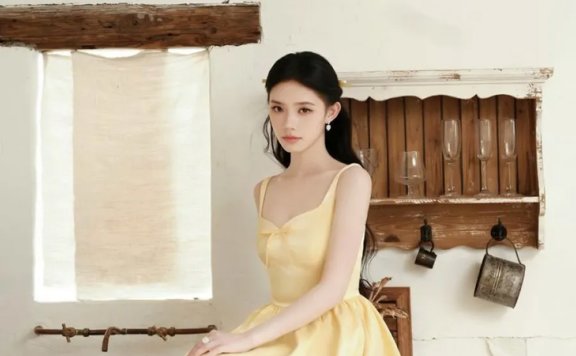
31-Year-Old Lin Yun’s Custard Bun Glow
In 2016, Lin Yun (林允) became an overnight sensation as the lead in The Mermaid (美人鱼), cementing her status as a “Stephen Chow Muse.” But in an industry where fame fades fast, the 31-year-old recently reclaimed the spotlight—not with a new movie, but a live stream look that’s been dubbed “custard bun sweet.” Raw photos and unfiltered moments have left netizens asking: “Is this really the same Lin Yun? She looks 10 years younger than her age!” The “Custard Bun” Aesthetic Lin’s live stream was a burst of spring warmth. She chose a satin dress in a soft yellow shade—shiny, smooth, and nearly identical to a freshly steamed custard bun. Her hair, styled in a half-up “princess do” with loose, face-framing waves, added to the dessert-like charm. Netizens flooded the chat: “She’s not a custard bun—she’s a custard fairy!” The look was youthful without being cloying, a balance many of her 30-something peers struggle to achieve. The dress itself stole the show. A light luxury brand’s fall new arrival, its satin texture caught the studio lights perfectly, making Lin look like she was wrapped in sunlight. “Even the fabric glows for her!” one user joked. “I’d never wear this color—I’d… -
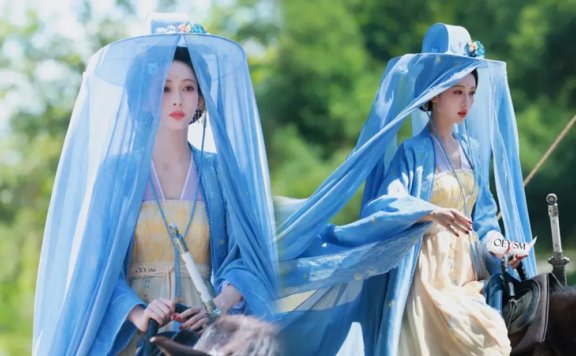
The Story of Weimao and Mili in Tang Dynasty China
When watching Tang Dynasty-set dramas, have you ever wondered why some female characters wear hats with long veils covering their faces—or even their entire bodies? These headpieces, often called "face-covering hats" in period shows, come in varying styles: some veils drape to the shoulders, others sweep down to the ankles. But what lies behind these differences? Were ancient women truly hidden so thoroughly, or was there more to these hats than meets the eye? Let’s uncover the stories woven into Tang Dynasty headwear—Weimao (帷帽) and Mili (羃篱). Weimao vs Mili: Fabric, Length, and Timeline First, a quick clarification: Weimao and Mili are distinct, though often confused. Weimao, made of cloth or thin silk, features a wide brim with short veils that typically reach the neck—just enough to "lightly cover" the face, as Tang records describe. Mili, by contrast, is crafted from bamboo with longer veils that can shroud the entire body. Their popularity also shifted over time: Mili dominated in the early Tang (618–649 CE), while Weimao rose to fame during Empress Wu Zetian’s reign (690–705 CE) before fading in the Kaiyuan era (713–741 CE). For example, Yang Zi’s Weimao in the drama Flourished Peony (国色芳华) aligns closely with historical… -
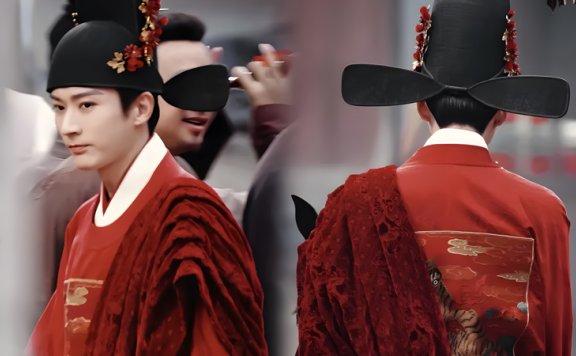
The Significance of Liu Xueyi’s Pihong in Against the Current
Why is Liu Xueyi (刘学义) wearing a red velvet drape in his wedding scene? This question has sparked curiosity among viewers of the period drama Against the Current (兰香如故), where the actor’s costume features a striking crimson cloth over his left shoulder. Rather than a costume mishap, this detail is deeply rooted in historical tradition—a symbol of celebration known as Pihong (披红), or “draping red.” Symbol of Achievement During the Ming and Qing dynasties, Pihong was predominantly worn by scholars who had passed imperial examinations. Achieving the title of Zhuangyuan (状元) or Jinshi (进士) was met with great honor, and the draping of red cloth symbolized joy and intellectual triumph. The phrase “spring breeze” captures this euphoric moment—a scholar riding through the capital, admired by all. The fabric used for Pihong was typically lightweight silk, brocade, or fine satin, avoiding bulkiness. In Against the Current, the velvet-like material may seem unusual, but it stays true to the concept of ceremonial draping. Originally reserved for academic achievements, the practice gradually extended to other significant life events. Historical records, such as the Ming novel Joyful Feuds (欢喜冤家·二十三回), describe scholars wearing Pihong with floral headpieces—a duo of honor. This combination highlighted one’s social… -
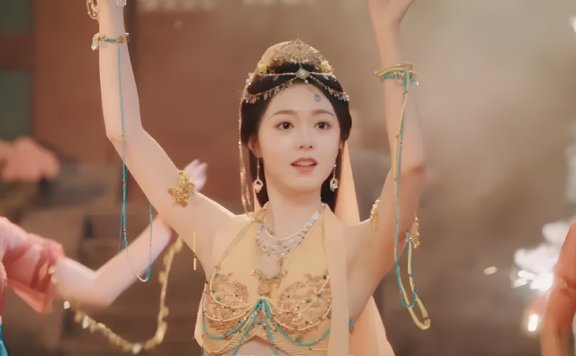
The Lost Diversity of Ancient Chinese Dance Attire
Have you ever noticed how often chest-baring dresses dominate dance scenes in today"s historical dramas? This singular style, frequently referred to as the "Dunhuang style," has become a ubiquitous visual shorthand. But a glance through history"s rich tapestry reveals a far more diverse and fascinating story of dance attire, where each dynasty expressed its unique aesthetic and cultural values through movement and fabric. Warring States Elegance During the Warring States period, the ideal of a slender, graceful figure was paramount. This is perfectly captured in the carved "Yu Wu Ren (玉舞人)" figurines. These artifacts depict dancers in long, trailing Zhiju (直裾) robes with flowing sleeves, their hair styled in intricate buns. The emphasis on a tiny waist was not merely aesthetic; it was a cultural reflection of the Chu kingdom"s famous preference for slender figures, a trend so influential it was said the kingdom"s people would starve themselves to achieve it. The dance movements from this era aimed for an ethereal, floating quality. Dancers used their elongated sleeves and heavy skirts to create beautiful, sweeping motions, making their bodies seem almost weightless. This connection between costume and choreography was intrinsic, with the clothing designed to enhance and amplify the dancer"s… -
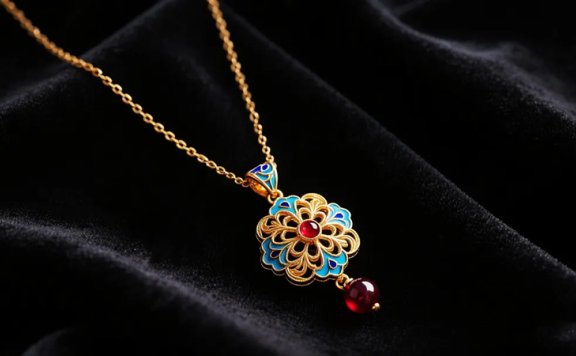
The Art of Garnet and Cloisonne Jewelry
In the world of accessories, few stones carry the versatile charm of garnet. Its deep, wine-red hue acts not just as a color but as a bridge—connecting eras, styles, and materials with effortless grace. When paired with the vivid, artisan-crafted beauty of Cloisonne, garnet doesn’t just accessorize; it tells a story. This is not merely about wearing jewelry; it’s about curating a look that resonates with elegance, cultural richness, and personal expression. Whether you're dressing for a casual day out or a formal event, the combination of garnet and Cloisonne offers a unique blend of warmth and sophistication, making every outfit not just worn, but experienced. Bracelet Designs Imagine a bracelet where deep red garnet beads play the leading role, accented by small, intricate Cloisonne pieces. The contrast is striking—the organic richness of the stone against the crafted brilliance of enameled metal. This combination works beautifully with traditional attire like Qipao or modern linen ensembles. For an added touch of elegance, consider attaching a delicate tassel or pendant. It’s a piece that draws the eye and sparks conversation, blending classic aesthetics with wearable art. What makes this pairing so special is its flexibility. Garnet’s color is warm and neutral enough… -
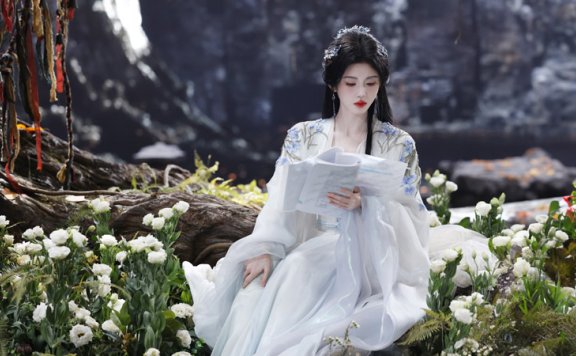
Styling Story of Ju Jingyi's Lace Headpieces in Lai Zhan
When photos from the set of the new historical drama Lai Zhan (来战) surfaced online, they sparked an unexpected debate. Actress Ju Jingyi (鞠婧祎) was seen wearing a headpiece adorned with lace, a detail that quickly divided netizens. Some compared it to a childhood costume accessory, while others posed a more profound question: Is lace purely a Western concept, or does China possess its own ancient tradition of delicate, openwork fabric? This seemingly simple fashion critique opened a door to a much larger conversation about cultural heritage, perception, and the untold stories woven into the very threads of history. Lace's Journey East The word "lace" itself is derived from the Latin "laqueus," meaning noose or snare, later evolving through English and French to describe intricate openwork fabric. Historically, the lace we recognize today is indeed a European innovation. It blossomed in the sixteenth century within the workshops of Italy and Flanders, transforming from simple cords into a luxurious art form created by looping, twisting, or knitting thread. Intricately made by hand from linen thread, it was exceedingly valuable. This European lace was introduced to China during the late Ming Dynasty, most likely by Western missionaries like Matteo Ricci. These missionaries… -
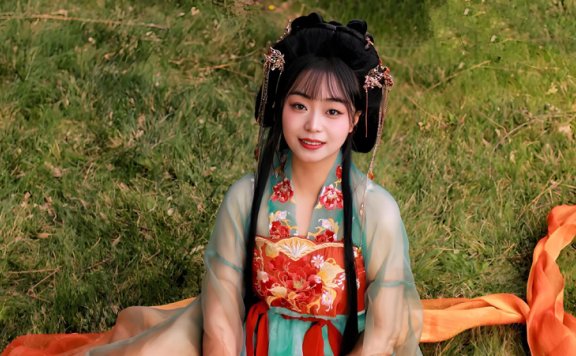
How The Ming Dynasty's Costume is Captivating the Modern World
Have you ever wondered what makes a garment more than just fabric? In the bustling streets of modern China, a style from centuries past is making a stunning comeback. This is not merely a fashion trend; it is a journey into an era where clothing was a language of its own, speaking volumes about status, artistry, and identity. The sartorial legacy of the Ming Dynasty offers a unique window into a world of sophisticated aesthetics and social order, a world that continues to captivate designers and cultural enthusiasts today. Its appeal lies in a powerful combination of structured elegance and deep symbolic meaning, providing a rich source of inspiration far beyond the history books. Iconic Silhouettes Several key elements define Ming attire, making it instantly recognizable. The most famous is arguably the Mamianqun (马面裙), or "horse-face skirt." This ingenious design featured four overlapping panels—two in the front and two in the back—with pleated sides. When the wearer walked, the skirt created a graceful, flowing wave-like motion. Its design was both slimming and practical, allowing for ease of movement. Today, it remains a cornerstone of any Hanfu enthusiast's wardrobe, celebrated for its timeless elegance. Another defining feature was the stand-up collar,… -
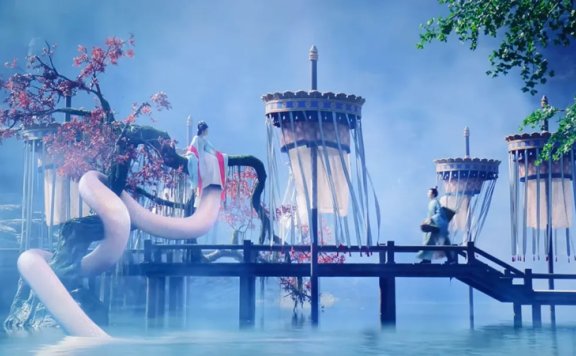
Could a Two-Thousand-Year-Old Hairstyle Inspire Today's Fashion?
In the new historical drama Moonlit Reunion (子夜归), actress Wang Jiayi (王佳怡) captivates audiences with a striking hairstyle resembling coiled serpents. This unique look is not a modern invention but draws from ancient Chinese traditions. While viewers express astonishment at such boldness, they are actually witnessing the revival of a legendary hairstyle known as the Spiritual Snake Bun. This intricate design, with its twisting and looping forms, seems to defy gravity and conventional aesthetics. Its origin, rooted in myth and historical records, reveals a fascinating blend of artistry and cultural expression. The Legend Uncoiled Legend tells of Zhen Mi (甄宓), a renowned beauty who became an empress during the Wei dynasty. After she entered the palace, a mystical green snake appeared. It was not a creature of fear but an omen of good fortune, often seen holding a red pearl in its mouth. Every morning, as Zhen Mi sat at her dressing table, the serpent would coil itself into different shapes before her. Intrigued by these ever-changing forms, she began to replicate them in her hair. Each day brought a new design, so intricate and unique that no one could duplicate them exactly. Thus, the Spiritual Snake Bun was born.… -
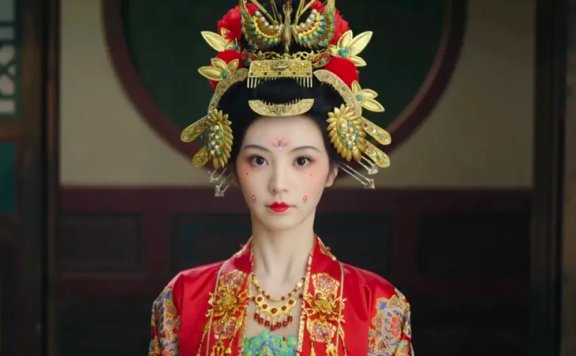
Tian Xiwei's Bridal Look in Moonlit Reunion
Beyond mere decoration, the elaborate bridal makeup and headdress worn by actress Tian Xiwei (田曦薇) in the historical drama Moonlit Reunion (子夜归) are deeply rooted in the symbolic visual language of the late Tang and Five Dynasties periods. Beyond Makeup: Symbols on Skin Tian Xiwei's striking bridal look in the historical drama Moonlit Reunion sparked heated debate. Many viewers questioned the elaborate floral patterns adorning her face and the large, distinctive ornaments flanking her temples. Rather than random excess, this aesthetic authentically channels late Tang Dynasty (618-907 AD) and Five Dynasties (907-960 AD) artistry. The intricate facial designs, known collectively as Mian Ye (面靥), transformed skin into a canvas for symbolic meaning. Different motifs—Niao Ye (鸟靥), Hua Ye (花靥), or Xing Ye (星靥)—served as auspicious emblems, reflecting an era where multicultural exchange and Buddhist influences permeated beauty ideals. The application method fascinated historians. Beyond painted designs, historical texts like Ling Biao Lu Yi (岭表录异) document using dried botanicals adhered with fish-glue. This practice evolved into lavish displays during the late Tang, where nobles competed in ornamental excess. Mian Ye expanded beyond traditional cheek placements, climbing to foreheads and framing noses. While visually dense, these arrangements followed deliberate compositional rules, creating an… -
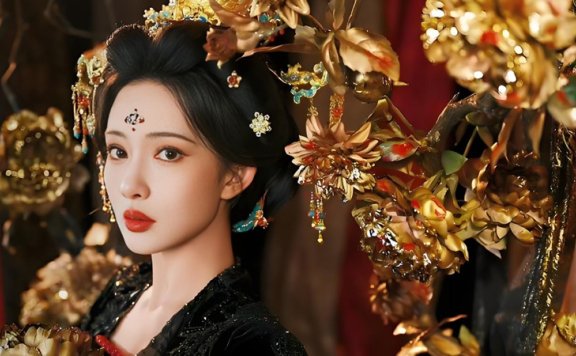
The Makeup Mask: Why Meng Ziyi's Look Never Changes?
Open any historical drama starring Meng Ziyi (孟子义) from the past few years, and you might experience unsettling a sense of familiarity. Whether she portrays a warrior in Blossom (九重紫), or a princess in the newly announced Tigers Sniff the Rose (尚公主) , her face presents a strikingly identical canvas. The same sharply winged eyeliner, the same meticulously separated lashes, the same pronounced under-eye brightness, the same matte blush placement, and, invariably, the same bold crimson lips. This signature "Meng Ziyi makeup" appears permanently affixed, transcending dynasties and disregarding character backgrounds, leaving audiences bewildered and increasingly critical. It prompts a blunt question: has the entire Hengdian (横店) film studio adopted a single downloadable makeup template? The Carbon-Copy Controversy Public reaction to Meng Ziyi's consistent look ranges from weary sighs to sharp critiques. Many viewers find the unchanging, heavily contoured makeup aging and uninspired, clashing violently with the historical settings. "Does she own only one shade of lipstick?" some ask pointedly online. Others lament that her appearance feels less like authentic period styling and more like a series of personal glamour shots, utterly devoid of the visual cues needed to distinguish different eras or social standings within the narratives. Comparisons inevitably… -
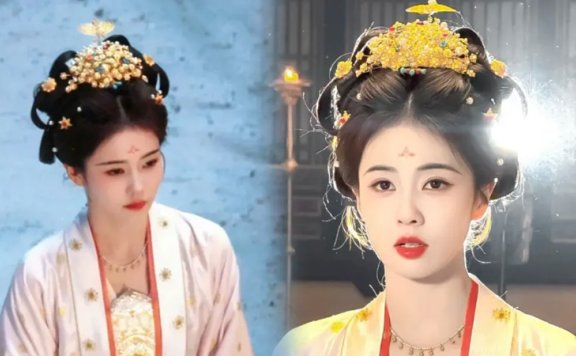
The Golden Moth: How a 1,400-Year-Old Hairpin Captured Modern Hearts?
In the bustling world of historical dramas, a tiny golden insect has taken flight from ancient tombs to modern screens. The appearance of a distinctive moth-shaped hairpin in the popular series Unveil: Jadewind (唐宫奇案) , worn by actress Bai Lu (白鹿) as her character Li Peiyi (李佩仪), sparked instant recognition among viewers. "I’ve seen that in a museum!" exclaimed countless fans, pinpointing its origin to a real artifact excavated decades ago. This exquisite piece, known as the Nao'e (闹蛾) hairpin, transcends its role as a costume prop. It represents a breathtaking fusion of Tang Dynasty artistry, cultural symbolism, and a poignant human story, connecting audiences across centuries through its delicate, shimmering wings. Its journey from an elite child’s grave to a television phenomenon reveals the enduring power of historical craftsmanship and the timeless desire to adorn oneself with meaning. Artisan's Legacy Unearthed in 1957 from the tomb of Li Jingxun (李静训) in Xi'an, Shaanxi Province, this Nao'e hairpin now resides in the National Museum of China. Classified as a Buyao (步摇), a type of hairpin designed to tremble gracefully with movement, it exemplifies the pinnacle of Sui Dynasty goldsmithing. Renowned scholar Shen Congwen (沈从文) identified similar pieces in his work… -
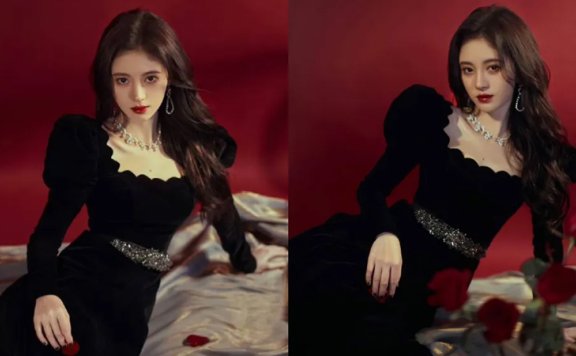
How Ju Jingyi Masters Focused Beauty and Strategic Styling
Once hailed as the undisputed "aesthetic queen" of China's entertainment industry, Ju Jingyi (鞠婧祎) has long captivated audiences not only with her talent but also with her meticulously crafted public image. Her appearance at the 2019 Weibo Night became an iconic internet moment, setting a new standard for celebrity styling and sparking countless tutorials. Yet, recent photos suggest subtle but noticeable shifts in her signature look, which have sparked debates among fans and beauty enthusiasts alike. Some argue her current style lacks the initial wow factor, while others find her evolution even more mesmerizing. What remains undeniable, however, is her status as a self-made beauty icon, celebrated for her strategic and learnable approach to aesthetics. This article delves into the three core pillars of "Ju Xue" (鞠学)—the art of Ju Jingyi's style transformation: her precisely focused makeup philosophy, her mastery of mature yet delicate dressing, and her overarching styling strategies that extend beyond facial features. From weightless eye makeup and refined brow shaping to strategic color harmony and architectural hair volume, her methods demonstrate how deliberate refinement can enhance natural features without overwhelming them. Her journey offers valuable insights into building a cohesive and elevated personal style through control, balance,…
