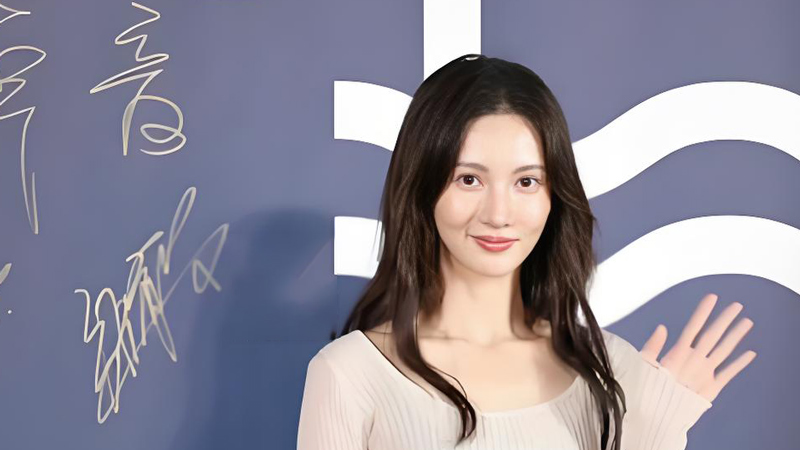
When a star steps onto the red carpet in vacation clothes, it does more than surprise—it challenges an entire culture of glamour. On September 7, Chinese actress Jin Chen (金晨), affectionately known as Da Xi (大喜) to her fans, made headlines not for a designer gown but for her ordinary outfit at the closing ceremony of the Waves Film Week in Aranya. Unlike other celebrities who spent hours preparing, she appeared in a casual crop top, jeans, flat shoes, and a simple LV scarf tied around her waist. Her makeup was light, almost bare-faced, as if she had just been strolling along the beach. The reason? She wasn’t even scheduled to attend. She was there as a tourist, invited last minute to walk the carpet. Her unpreparedness became her greatest asset.
The Unplanned Walk
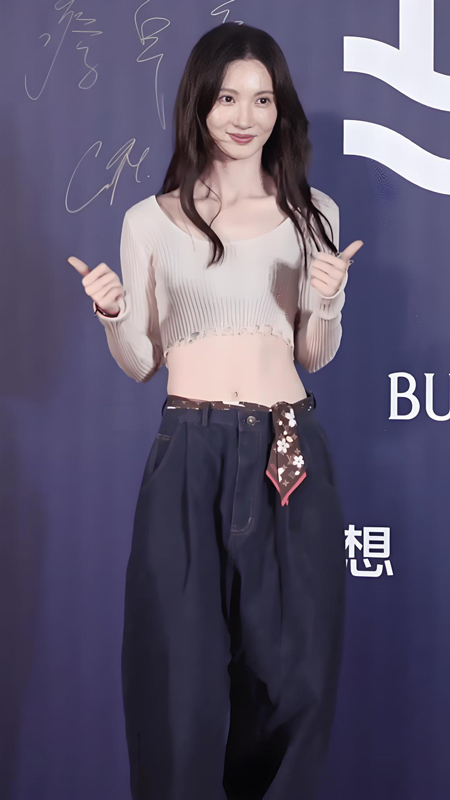
Jin Chen’s team responded with humor and honesty. Her studio posted on social media, “The red carpet was a last-minute decision, and so was our notification. This is so Da Xi!” Instead of hiding behind excuses, Jin Chen embraced the situation. She joked that she was her own stylist, photographer, and makeup artist that day. A video of her leaving the event went viral—she was seen smiling brightly and almost skipping away, a moment netizens described as “refreshingly real.”
Many compared her to an office worker sprinting after clocking out. Comments like “Others compete on beauty; Da Xi races for speed” flooded social media. The image resonated deeply with young people who value authenticity over perfection. In an industry where every red carpet is a battlefield of aesthetics, Jin Chen’s run became a symbol of freedom.
What could have been a fashion faux pas turned into a triumph. Her lack of preparation was not seen as disrespectful but as charmingly genuine. People praised her confidence, with one fan noting, “With her charm and good looks, she shines in anything.” The incident highlighted how the public is growing tired of overly orchestrated celebrity moments.
Redefining Red Carpet Rules
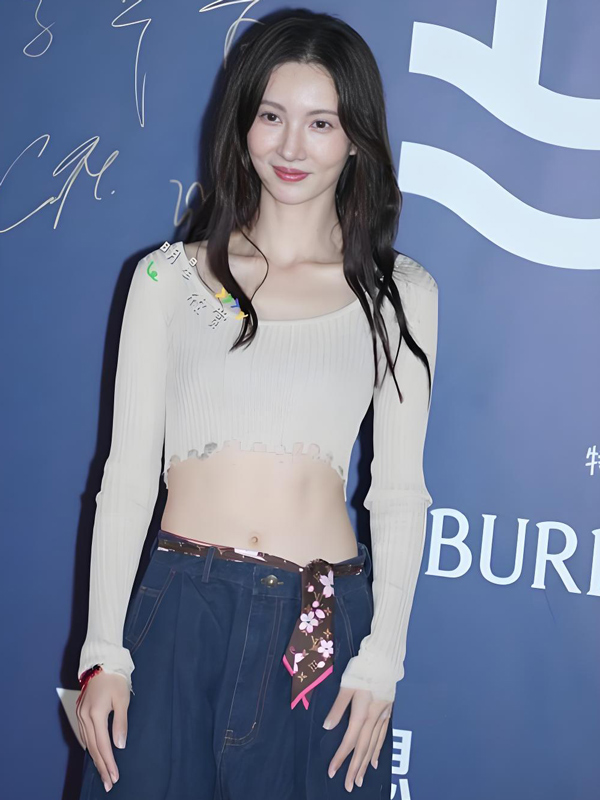
Jin’s casual appearance broke the unspoken rules of red carpet culture. Traditionally, female stars are expected to wear luxurious gowns, striking jewelry, and dramatic makeup. These elements are not just fashion choices—they are symbols of status, brand endorsements, and media currency. Yet Jin’s jeans and sneakers disrupted this pattern.
Critics who called her outfit “too informal” were quickly overshadowed by supporters. Fashion commentators observed that her look aligned with a new aesthetic shift—one where comfort and authenticity outweigh opulence. “Beauty doesn’t have to be defined by extravagant clothing,” one wrote. “Sometimes, just being yourself is enough.”
This isn’t the first time Jin Chen has been at the center of red carpet discourse. In 2023, she was criticized at the Golden Rooster Awards for a gown that netizens said made her look “like a ceremony hostess.” This time, the same audience celebrated her. The contrast reveals a changing attitude in entertainment culture: natural humanity is becoming more valued than polished perfection.
A Cultural Change
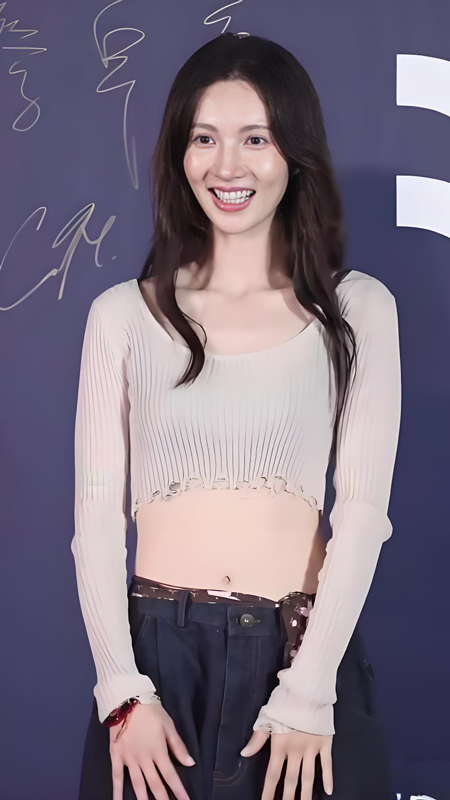
Jin Chen’s two red carpet moments tell a story of transformation. From being mocked to being admired, her journey mirrors a broader cultural change. Audiences today, especially younger generations, prefer relatable personalities over distant icons. They want to see the person behind the celebrity—someone who laughs, runs, and occasionally wears flats on the red carpet.
This shift is part of what some call the “Guochao”movement, where local cultural confidence grows and global norms are questioned. But it goes beyond fashion—it’s about mindset. When a star like Jin Chen can disrupt expectations with a scarf and a smile, it signals that authenticity is the new luxury.
Her actions quietly challenge an industry often bound by tradition. No official rule requires evening dresses on red carpets—only custom does. By breaking that custom, Jin Chen didn’t just make a style statement; she redefined what it means to be glamorous. In her own words, it was full package of makeup, hair, styling, and photography—all done by herself. And perhaps that’s the most powerful message: true star power requires no filter.