The resurgence of Republican-era aesthetics in contemporary Chinese cinema has become a visual feast, where costumes transcend mere clothing to embody character essence. Leading actresses of the post-85 generation are redefining historical narratives through meticulously crafted wardrobes, blending tradition with modern sensibilities.
Wang Churan’s (王楚然) haunting elegance, Liu Yifei’s (刘亦菲) timeless grace—each ensemble stands as a silent narrator of turbulent times. This sartorial renaissance not only revitalizes period dramas but elevates them into cultural conversations, proving that fabric and silhouette can articulate emotions words often fail to capture.
Visual Poetry in Motion
Wang Churan’s transformation in Zhe Yi Miao Guo Huo (这一秒过火) epitomizes the power of Republican-era costuming. Her midnight-black gown and wide-brimmed hat create a chiaroscuro effect, sharpening delicate features into ethereal relief . Yet it’s her moon-white qipao that etches itself into memory: silk whispering against grey-brick backdrops, slit skirts revealing pearl-hued stockings, and jade bracelets clicking like metronomes to her movements. The ensemble merges restraint with sensuality—a collar clasped to the throat contrasting with the fluidity of draped sleeves.
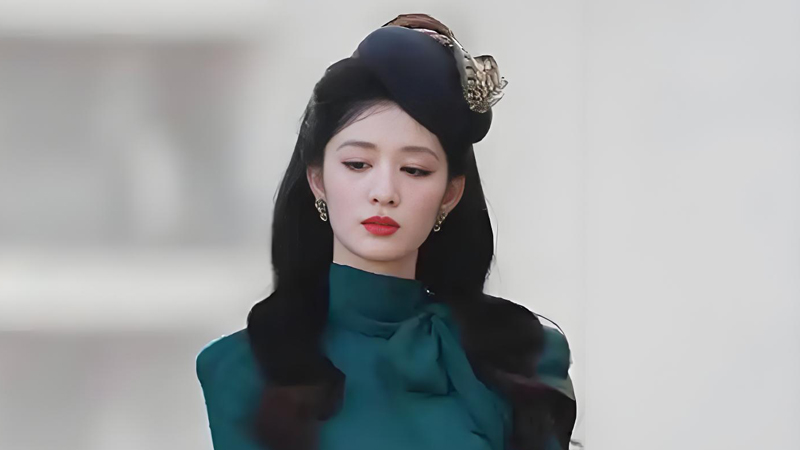
Liu Yifei’s legacy as Bai Xiu-zhu (白秀珠) in The Story of a Noble Family (金粉世家) remains unmatched, her teenage portrayal still shaping Republican archetypes. Decades later, her ability to command attention through minimalist design persists. A stark white gown transforms her into an untouchable ice deity, while onyx velvet and a feathered toque conjure art-deco mystique . Though yet to revisit the era as an adult, whispers of her casting in Xian Xue (咸雪), set in late-Qing turmoil, suggest new sartorial milestones await.
Veterans' Style Evolution
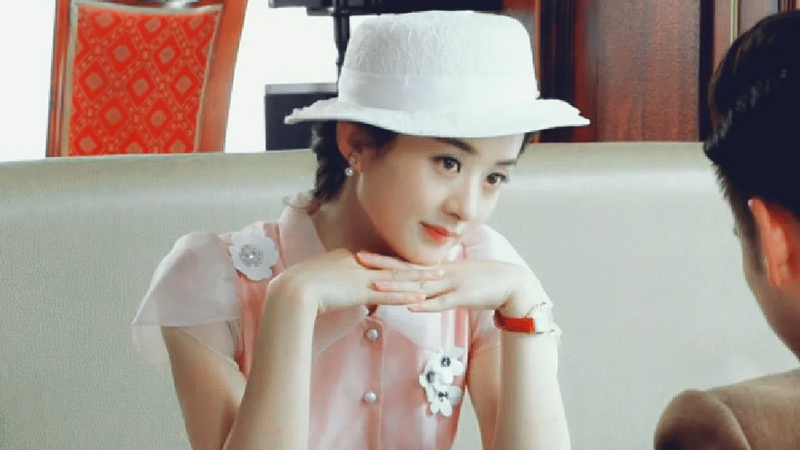
Zhao Liying’s (赵丽颖) journey through Republican fashion mirrors her artistic growth. In Rouge (胭脂), candy-pink dresses and straw boater hats framed her as porcelain-doll innocence —a deliberate counterpoint to her later metamorphosis into a steely spy. That duality peaks when military trench coats clash with floral-print dresses, proving costuming’s role in narrative whiplash.
Yang Mi’s Harbin 1944 (哈尔滨1944) role dismantles gendered expectations. As spy-master Guan Xue (关雪), her androgynous tuxedo suits and masculine fedoras reframe power dynamics in occupied Manchuria. The costume’s sharp lines mirror her character’s calculated ruthlessness—a departure from her earlier, frill-laden Republican cameos. Every pocket watch chain and epaulet whispers espionage, proving that in wartime, clothing is camouflage and declaration.
New Generation's Promise
Tang Yan’s (唐嫣) legacy resides in Republican extravagance—beaded flapper dresses, cloche hats tilted at reckless angles, and fur-trimmed opera coats . Her ensembles celebrated excess in an era of scarcity, making her the definitive heiress archetype. While contemporary roles diverge, her sartorial flamboyance in period pieces remains a masterclass in character-through-clothing.
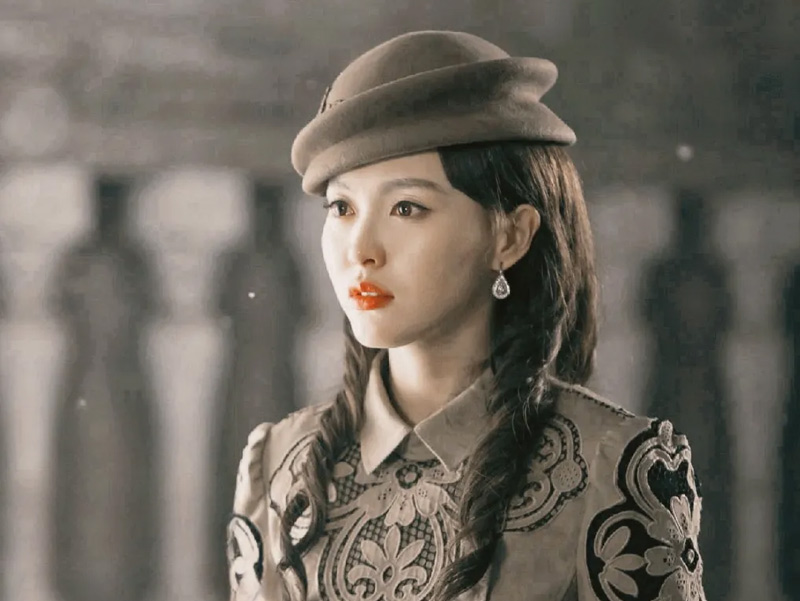
Liu Shishi’s (刘诗诗) ice-queen aura finds perfect expression in black lace veils and crystal-embellished headpieces. Yet recent critiques of her "distant" gaze highlight costuming’s limits: no amount of silk organza can compensate for emotional disconnect. Her challenge lies in matching visual poetry with performative depth.
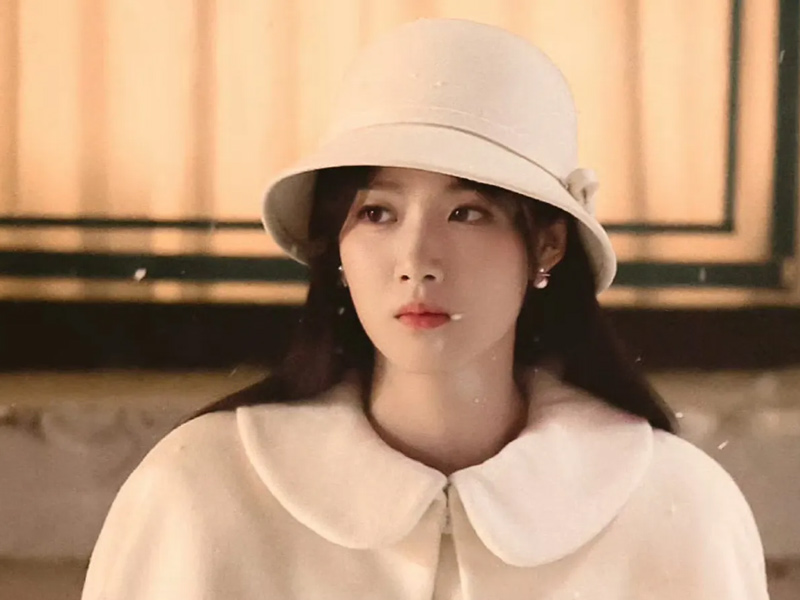
Emerging star Lu Yuxiao’s (卢昱晓) Ga Xi (轧戏) introduces whimsy to the genre. Her ivory cape and feathered toque evoke Snow White reimagined in 1930s Shanghai—a deliberate fairy-tale juxtaposition against gritty narratives. Off-set, her dreamy social media previews fuse Korean drama aesthetics with Republican silhouettes, hinting at fresh hybrid interpretations for Gen-Z audiences.
The enduring appeal lies in this seamless blend. The "85 Flowers" don't merely wear costumes; they embody an era's spirit. Their portrayals capture the delicate tension between tradition and burgeoning modernity—a hallmark of Republican China. Modern audiences connect with this timeless elegance and the subtle strength it conveys . This stylistic revival underscores the period's unique cultural significance, proving its aesthetic remains powerfully resonant today.