Article
Search results:
-
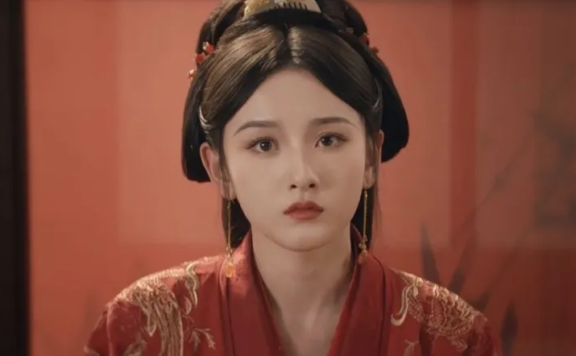
Song Zuer's Iconic Curved Eyebrows
Song Zuer's eyebrows are truly iconic! In ancient - costume TV dramas, her Han - style makeup and styling as Xiao Qiao have once again won praise from netizens. Chinese classical eyebrow shapes are incredibly appealing! Let me first state that this kind of eyebrow shape is called a "curved eyebrow" in ancient times. It's one of the traditional eyebrow shapes that enjoyed the longest popularity in ancient China. The main features of the curved eyebrow are thick at the brow head and thin at the brow tail. The brow head gently rises to the brow peak and then smoothly falls. The boundary of the eyebrow shape is indistinct, and the color is like a stroke of ink, lighter at the brow head and darker at the brow tail, exuding a sense of fragility. Some netizens dug out Song Zuer's childhood look as Nezha, which also had thick curved eyebrows. They joked that even her eyebrows have grown proportionally! Now, about curved eyebrows, it's a general term. Any eyebrows with a curve can be called "curved eyebrows". Logically, the classic willow eyebrows in history are also a type of curved eyebrows. The willow eyebrows are thinner and longer than the… -
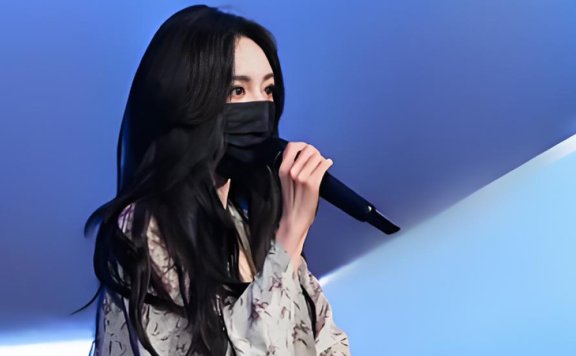
Yang Mi Sparks Hanfu Renaissance: Chinese-Style Fashion's New Trend
A single red carpet moment at the Shanghai Cooperation Organization Film Festival ignited an unprecedented cultural phenomenon. Chinese actress Yang Mi’s choice to wear a Jin Dynasty "Zhu Jie Yi" (Bamboo-Pleat Garment) didn’t just captivate fashion critics; it triggered a seismic shift in consumer behavior and revitalized a niche traditional craft. Within 48 hours, sales for the previously obscure Hanfu brand Ting Lan Song exploded from 50 monthly orders to over 35,000, forcing the small workshop to implement a 45-day pre-order system. This event transcends celebrity endorsement—it represents a pivotal case study in how cultural heritage can explosively intersect with modern influence, democratizing ancient aesthetics for contemporary life. Red Carpet Revolution Yang Mi’s ensemble fused meticulous historical accuracy with effortless modernity. Based on artifacts from the China National Silk Museum, the garment featured signature bamboo-stripe patterns and expansive sleeves characteristic of Wei-Jin aesthetics. Yet her styling—pairing it with a plain white tee, black trousers, and minimalist sneakers—transformed academic reconstruction into street-ready elegance. This deliberate fusion shattered perceptions of Hanfu as impractical costume, proving its adaptability for everyday wear. The visual impact resonated instantly. Paparazzi shots of Yang Mi during festival rehearsals, her hair loosely styled and face partially masked, radiated… -
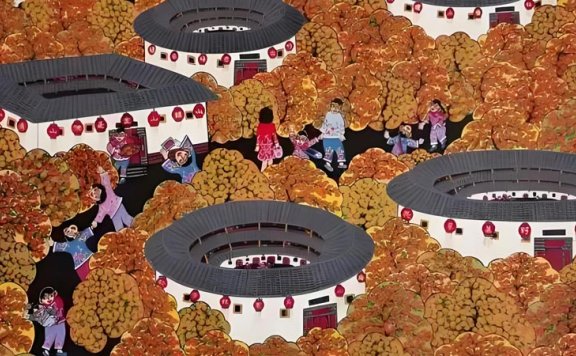
Vibrant Strokes: The Rebirth of Zhangping Folk Art
When the monumental folk painting Fujian’s Jubilant Song (3.23m × 2.51m) debuted at China’s inaugural Rural Art Exhibition, its crimson hues and dynamic scenes—from ancient Tulou buildings to lion dances—captured the essence of Fujian’s spirit. Created by seven artists from Zhangping, this work symbolizes the revival of a 400-year-old tradition nearly lost to urbanization. Wu Yuhuan (吴玉环), a master painter, describes the style: "Bold colors, whimsical figures, and auspicious themes that radiate sincerity." Once fading, Zhangping’s folk art now thrives through innovation and community effort. Roots in Resilience Zhangping’s painting legacy began in Xin’qiao Township during the Ming-Qing transition. Local artisans blended folk customs with daily life observations, developing a distinct aesthetic recognized as Fujian’s intangible cultural heritage. By the 1980s, "The Zhangping Phenomenon" emerged—a golden era where artists won national awards for works bursting with rural vitality. Yet by the 2000s, economic pressures drove painters toward commercial replica art. Chen Yongfeng (陈永凤), director of Zhangping Art Museum, recalls, "The exodus left villages silent. We feared the tradition would vanish." The 2010 founding of Zhangping Folk Painting Academy reversed this decline. Veteran artists like Wu Yuhuan and Liu Wenying (刘文英) led free workshops, attracting teachers, farmers, and artisans. Lan Yanping,… -
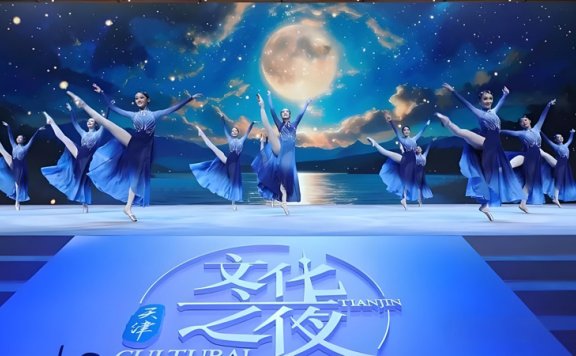
Tasting Tianjin Style Cuisine and Exploring Chinese Aesthetics
The warm June breeze carried a whisper of salt from the Bohai Sea as delegates stepped into a realm where time folded. Inside the Davos Cultural Night Pavilion, the vibrant pulse of global economics softened, replaced by the quiet authority of Chinese aesthetic philosophy. Here, under a ceiling washed in oceanic blues—a hue mirroring both Tianjin’s maritime soul and the infinite sky—an intricate dialogue unfolded. It wasn’t spoken in financial forecasts or policy debates, but through strokes of porcelain brushes, the geometry of steamed dough, and petals arranged with cosmological precision. Tianjin, a city often eclipsed by its neighbors, emerged not just as a host, but as a curator of cultural gravity, proving tradition isn’t static; it’s a living conversation between centuries. Culinary Brushstrokes Tiny, flaky pastries shaped like blooming roses captivated British delegate Ramy Shelbaya. "A delicate sweetness, familiar yet entirely new," he marveled, holding a Xianghe Bobo shortbread. This centuries-old craft, passed down through generations, carried the warmth of home—both his own in England and the Tianjin kitchens where rose petals are folded into dough like secrets. Nearby, the air steamed with ambition. Chef Dong Lei (东磊) of Weidingxuan deftly pleated translucent wrappers into floral pouches, revealing jewel-toned… -
Li Yunrui's Soaring Stardom: 3 Major Endorsements Announced in 4 Days
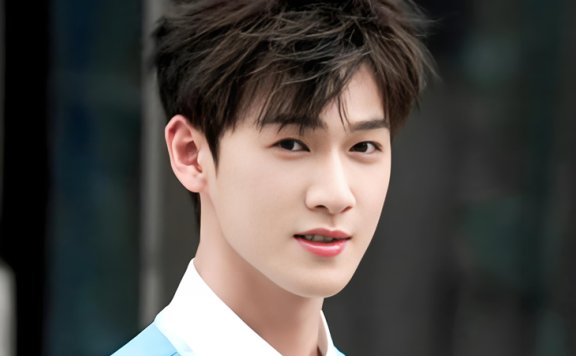
In a defining moment on July 4th's episode of China's blockbuster variety show Keep Running, Li Yunrui didn't just leap across a 7-meter gap – he vaulted into a new stratosphere of fame. Perched on a swing high above a swimming pool, the actor-athlete released his grip at the perfect apex, landing flawlessly on the distant mat. The feat, captured in countless viral clips and met with stunned reactions from co-stars like Zheng Kai and Fan Chengcheng, sent social media into overdrive, amassing over 400 million engagements overnight. This gravity-defying jump wasn't merely a stunt; it crystallized a trajectory years in the making, showcasing the potent blend of physical prowess, disciplined preparation, and magnetic screen presence that defines his burgeoning career. As audiences marveled at his "legendary core strength," Li was simultaneously orchestrating another kind of leap: a commanding sweep across the commercial landscape and a deepening commitment to his craft, all while building fervent anticipation for his upcoming historical drama, Feast Encounter in Yong'an (宴遇永安). The Athletic Engine Li Yunrui's 7-meter swing jump wasn't an isolated flash of brilliance; it was the latest eruption of a long-simmering athletic volcano. Viewers familiar with his past instantly recalled his dominance at… -
Li Bai's Poetry Showdown Unites Ancient Verse and Modern China
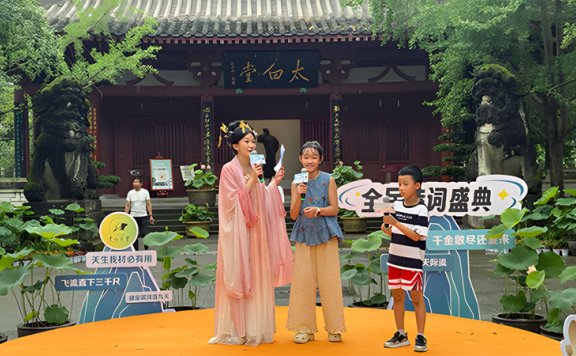
The air in Jiangyou, Sichuan, vibrates with recited verses as a nine-year-old’s clear voice delivers Li Bai’s "Quiet Night Thoughts." This simple recitation, radiating pure emotion, captures the essence of the "Li Bai Calls You for a Poetry Showdown" festival unfolding in the great poet’s birthplace. Orchestrated by the China Media Group under guidance from the Chinese Poetry Association and Jiangyou’s Municipal Party Committee Propaganda Department, this grand celebration transcends mere competition. It’s a nationwide awakening to classical poetry’s enduring power, inviting everyone—from seasoned scholars to curious children—to rediscover the beauty of Tang Dynasty verse within Jiangyou’s deeply poetic landscape. The festival weaves together fierce poetic challenges, creative expression, and immersive cultural tourism, proving Li Bai’s spirit is very much alive in modern China. Where Poetry Lives Jiangyou’s Li Bai Memorial, the festival’s vibrant heart, buzzes from dawn. Long queues form early, gathering silver-haired couples, eager children, delivery riders in uniform, sanitation workers, and Hanfu-clad youth. They debate Li Bai’s meter and imagery, their shared passion transforming the space into a living library of verse, the very air thick with literary anticipation. Inside, the energy crescendos. Participants dive into intense "Flower Passing Challenges", battling wits using keywords like "moon" or… -
International Internet Celebrities Meet Slightly Tipsy Yantai
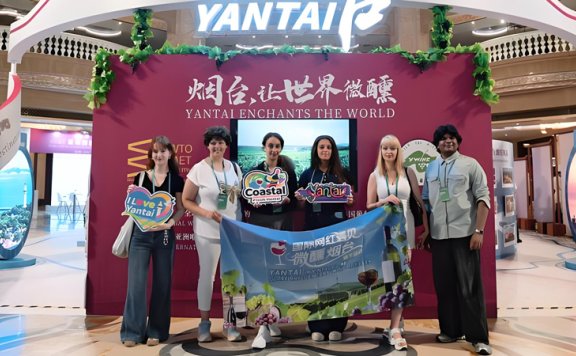
International voices echo through Yantai's sun-drenched valleys, drawn by the allure of its burgeoning wine culture. From July 2nd to 4th, a diverse cohort of global social media influencers and cultural enthusiasts descended upon Shandong's coastal gem, invited by China Daily, the Yantai Municipal Publicity Department, and the Commerce Bureau. Their mission: to experience firsthand the unique character of this "International Grape and Wine City." Representing nations like the United States, France, Russia, Italy, and Sri Lanka, these digital storytellers embarked on a journey beyond mere tasting, seeking the essence of Yantai's terroir and its people's passion. This immersive exploration promises to ripple across global platforms, showcasing a region rapidly carving its niche on the world wine map. Yantai's credentials are formidable: a foundational pillar of China's wine industry, its international stature was cemented in 2022 with its pioneering "Partnership" status in the Global Wine Tourism Organization (GWTO), followed by the prestigious "Global Wine Tourism Destination" award in 2023. Vines, Views, and Vinous Character The heart of the discovery lay in the rolling landscapes of Penglai's Qiushan Valley. At Longting Vineyard, the morning mist mingled with focused breaths as guests followed instructors in the graceful movements of Ba Duan Jin,… -
Huangshui National Resort Invites You to 21℃ Summer
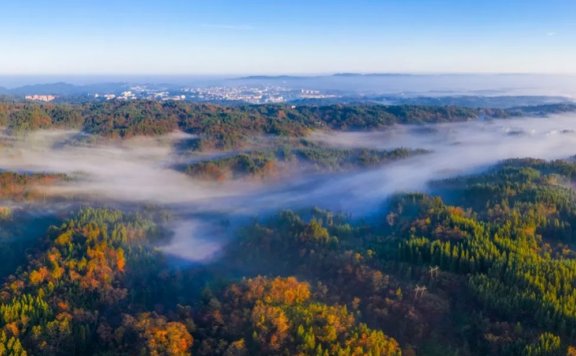
Nestled high in Chongqing's mist-shrouded peaks, Huangshui National Tourist Resort emerges as an antidote to scorching summers. At 1500 meters above sea level, this alpine refuge maintains a perpetual 70°F (21°C) embrace, earning its "Natural Air-Conditioned City" moniker. Beyond temperature relief, it unfolds a tapestry of crystalline lakes, primeval forests, and vibrant Tujia traditions, transforming escape into profound discovery within its UNESCO-designated latitude. Nature's Masterpieces Moon Lake mirrors the heavens like liquid jade, its 57-acre surface reflecting dense pine forests. Morning transforms the reservoir into an ethereal landscape where kayakers glide through mist veils. As dusk paints the water gold, photographers capture shimmering light patterns unique to these highlands. Each paddle stroke reveals new perspectives on this human-made marvel. Sun Lake's vast 667 acres claim the title of Southwest China's highest freshwater body. Its transparent waters meet stringent Class I quality standards, revealing submerged rock formations. Visitors skim across the surface on motorboats or pedal water cycles along reed-fringed shores. The surrounding trails invite cyclists to explore microclimates where mountain breezes carry wildflower scents. The Emerald Forest (Bizika Green Palace) envelops travelers in 2,165 acres of old-growth woodland. Giant firs form natural cathedrals where sunlight filters through canopy layers. This… -
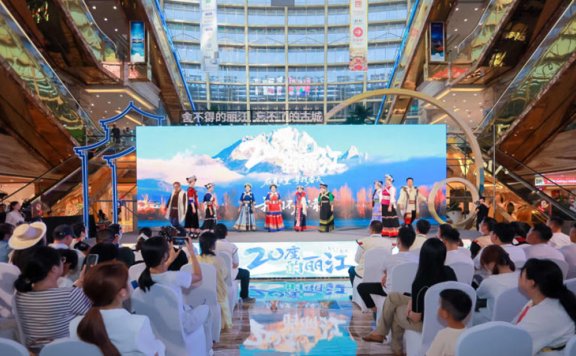
Escape the Sizzle: Discovering Lijiang’s 20°C Summer Sanctuary
As Chengdu's streets pulse with the fervor of the World Games and summer heat shimmers above spicy hotpot cauldrons, a playful "apology" echoes from the northwest. "Sorry, we only have 20 degrees!" declares Lijiang, China's ancient mountain jewel, extending an irresistible invitation to Sichuan's sweltering residents. This witty marketing campaign, blending humor with genuine hospitality, unveils a meticulously curated summer escape. Beyond the clever posters lies a tangible promise: mist-shrouded peaks, cobblestone lanes echoing with Naxi melodies, and a meticulously crafted "tourism gift box" designed exclusively for Sichuan travelers seeking refuge in nature's perfect climate. The Art of the "Cool" Apology Lijiang’s campaign masterstroke was framing its climatic advantage as a humorous mea culpa. Nine-panel posters playfully "regretted" the city’s inability to match Chengdu’s scorching temperatures or the thunderous energy of the World Games. Instead, they boasted of cool mountain breezes and ancient rhythms – a juxtaposition that sparked laughter and immediate connection. This viral "apology" transcended mere promotion. It acknowledged Chengdu’s vibrant summer energy while positioning Lijiang as its refreshing counterpart. Xu Lei, member of the Lijiang Gucheng District Party Committee, emphasized the deep kinship between Sichuan and Yunnan, framing the campaign as an act of familial hospitality rather… -
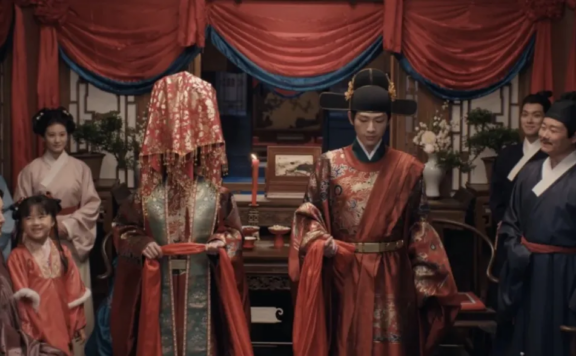
Why Did the Ancients Prefer to Hold Weddings at Night?
Nowadays, many people hold their weddings at noon, and some even insist on finishing before 12:00. However, in ancient times, weddings were usually held at night, and this is often shown in well - made ancient costume dramas. Is there any special significance that we don't know? When faced with such questions, many people around us may be informed that weddings were formerly called "hun li" (昏礼). Since ancient people often held weddings at dusk, it was named so. But this seems to just replace one conclusion with another, without explaining why weddings were held at dusk or close to night. Let me state the conclusion first. There are two main reasons for holding weddings at night: one is related to the theory of yin and yang and the five elements; the other is the evolution of the custom of bride - abduction. Now let's elaborate. The Theory of Yin and Yang and the Five Elements Since men belong to yang and women belong to yin, the intersection of yin and yang is "hun" (昏). According to "The Book of Rites", "A man takes a wife at dusk. Since a woman belongs to yin, it is called 'hun' (marriage)." Here,… -
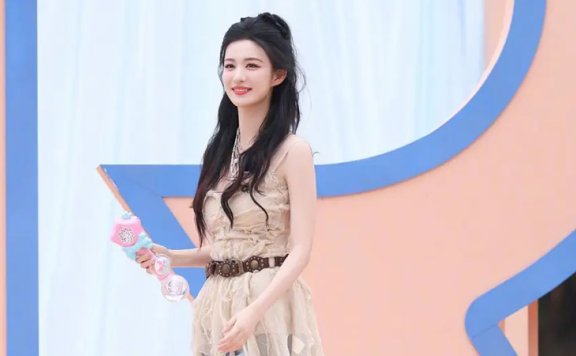
Wang Churan Voices Audience's Long-Held Sentiments
The landscape of Chinese variety shows has exploded from niche entertainment to a dazzling array of options, catering to every conceivable taste. Among this vibrant ecosystem, Keep Running stands as a titan, a thirteen-season veteran celebrated for its chaotic energy and star-studded lineup. Its current ensemble – Li Chen, Zheng Kai, Sha Yi, Zhou Shen, Bai Lu, Fan Chengcheng, Song Yuqi, and Zhang Zhenyuan – represents a potent mix of veteran charm and youthful exuberance, seemingly guaranteeing entertainment gold. Yet, the show’s latest episode, featuring a glamorous squadron of female guests including Wang Churan, Zhang Liangying, Zhang Meng, Zhang Ruonan, and Song Xuan, sparked unexpected controversy, exposing a tension between audience expectations and perceived celebrity privilege. The culprit? A sanitized mud pit that left viewers, and one guest, profoundly disappointed. A Cast Built to Run Keep Running thrives on the combustible chemistry of its core eight. Li Chen and Zheng Kai, the undisputed elder statesmen, provide continuity and a tangible link to the show’s history, anchoring loyal viewers with their familiar presence. Their experience is the bedrock upon which the chaos unfolds. Sha Yi, the show’s comedic linchpin, delivers laughs with effortless timing and self-deprecating charm. His ability to find… -
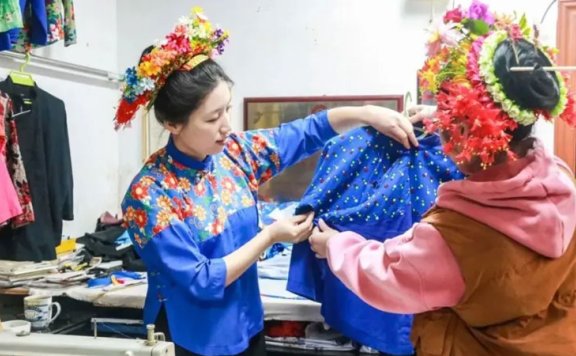
The Hairpin Flower Enclosure Captures the Elegance of a Millennium
The salty breeze carries the scent of jasmine and the sea through the ancient lanes of Xunpu Village in Quanzhou, Fujian. Here, amidst houses adorned with oyster shells, a vibrant cultural ritual has transformed into a global tourism phenomenon. Visitors from across China and beyond are drawn not just to observe, but to become part of the living heritage, adorning their hair with elaborate crowns of fresh blooms known as Zanhuawei. This once-intimate custom, deeply rooted in the lives of Xunpu women, now offers travelers a unique, immersive passport into centuries of tradition, turning quiet village streets into bustling open-air studios where history is worn proudly, one flower at a time. Petals Through Time Zanhuawei is far more than an aesthetic accessory; it’s the vibrant heart of theXunpu women’s intangible cultural heritage, recognized nationally in 2008. For generations, Xunpu women have meticulously pinned fresh flowers – jasmine, magnolias, chrysanthemums – into their hair as a daily ritual and a symbol of joy, resilience, and connection to the sea. This practice evolved from heartfelt traditions where flowers were exchanged as precious gifts during celebrations and significant life events. The intricate hairstyle, anchored by a distinctive circular bun secured with bone or… -
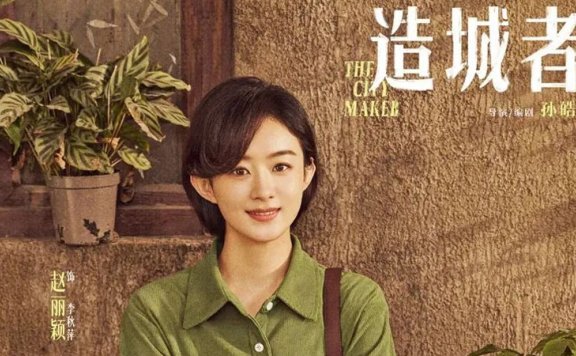
Short Hair, Zhao Liying's Second Line
In Zhao Liying's transformative acting journey, hair has evolved beyond mere aesthetics into a powerful narrative device. Her radical shift to ultra-short styles in recent roles—notably as grassroots cadre Li Qiuping (李秋萍) in The City Maker (2025) and feminist writer Xilin (西林) in She's Got No Name (酱园弄)—transcends fashion statements. These deliberate coiffures function as "second dialogue," visually articulating her characters' resilience against societal constraints. This sartorial semiotics marks a career-defining metamorphosis for the actress, where every clipped strand whispers revolutionary subtext about womanhood in changing eras. Steel and Silk in The City Maker Li Qiuping’s cropped silhouette, grazing the ear lobes, channels 1980s China’s pragmatic ethos. Unlike ornamental hairstyles, this utilitarian cut—paired with minimal makeup—mirrors her character’s mission: literally building cities from tidal flats. The sharp angularity of the cut contours her jawline like architectural blueprints, symbolizing socialist construction’s unyielding progress . When Li shoulders construction materials alongside Huang Xiaoming’s (黄晓明) character, wind-swept strands cling to sweat-dampened temples, rendering sweat equity visible. Director Chen’s visual language uses Li’s hair as a barometer of struggle. In boardroom confrontations, neatly combed strands reflect bureaucratic precision; at muddy worksites, disheveled tufts escape hairpins to dance with dust motes. This duality embodies reform-era… -
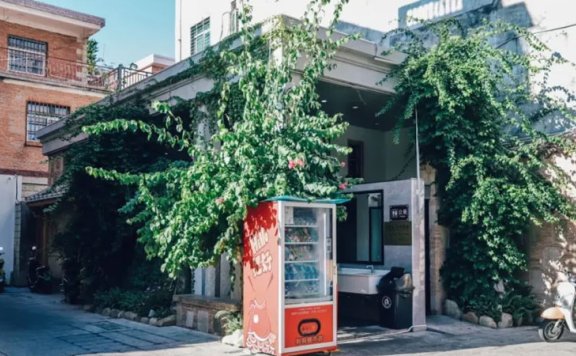
Public Restrooms in Quanzhou Become Cultural Canvases
Nestled within the ancient alleys of Quanzhou, a city steeped in maritime Silk Road history, an unexpected transformation is unfolding. Far from mundane utilities, 11 newly renovated public restrooms have emerged as cultural landmarks, seamlessly blending heritage craftsmanship with modern functionality. These structures—scattered across historical districts like Kui Xia Lane and Guan Dong Lane—reimagine urban sanitation as a dialogue between past and present, proving that even the most utilitarian spaces can embody a city’s soul. Architectural Poetry in Brick and Stone The bathrooms in Quanzhou pay tribute to the traditional culture of Fujian Province with exquisite craftsmanship. In Kuaijiang Lane, the walls display "out brick into stone", an ancient technique that embeds recycled bricks and local granite into the earthen walls.Each irregular pattern tells a story of demolition and rebirth, with materials sourced from dismantled ancestral homes—their weathered surfaces bearing witness to centuries of history. Nearby, Guan Dong Lane’s facility features the iconic "yan wei ji" (燕尾脊, swallowtail ridge), a curved roof silhouette symbolizing Minnan architecture. Bamboo lattices adorn its facade, casting dappled shadows that merge privacy with ventilation. This design transcends practicality: sunlight filtering through bamboo creates a meditative interplay of light and texture, inviting visitors to experience nature’s… -
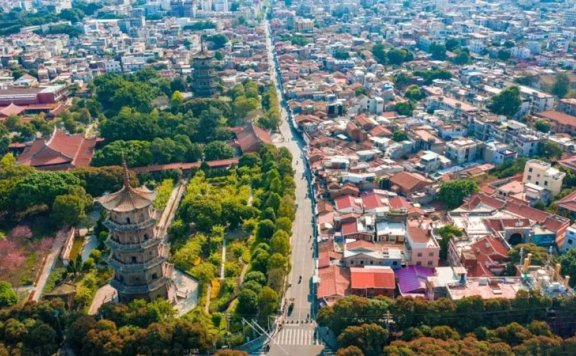
Classic Two-day Tour Route of Quanzhou Ancient City
Stepping into Quanzhou is like entering a living theater where history and modernity dance in harmony. As a former hub of the world's maritime trade and the eastern starting point of the Maritime Silk Road, this ancient port city in China's Fujian province offers a captivating blend of cultural heritage, vibrant street life, and culinary delights. With its UNESCO World Heritage status, featuring 22 sites that narrate tales from the Song and Yuan dynasties, Quanzhou invites travelers on an immersive two-day adventure. Wander through centuries-old temples, bustling markets, and serene alleys, all while riding the iconic "little white" electric carts that whisk you between landmarks. Whether you're a history buff, a foodie, or a seeker of tranquility, this compact yet rich itinerary promises unforgettable moments—from dawn prayers at Taoist shrines to twilight feasts under lantern-lit skies. Embrace the city's rhythm, where every corner reveals stories of emperors, traders, and artisans, making it a perfect escape for a short getaway that feels timeless and transformative. Historic Landmarks Explored Begin your journey by arriving at Quanzhou Jinjiang International Airport or the high-speed rail station, easily accessible by public buses that drop you in the heart of the ancient city. Check into one… -
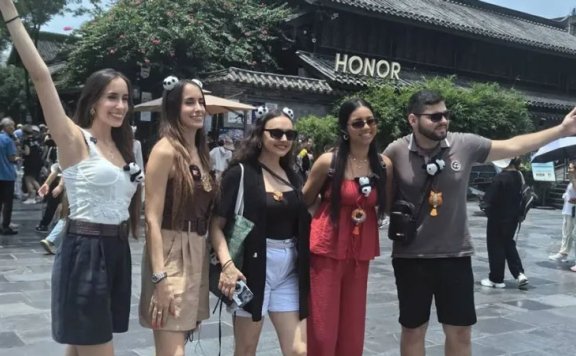
Chengdu's Cultural Symphony Leaves Greek Influencers Spellbound
Five prominent Greek content creators embarked on an unforgettable journey through Chengdu this week, immersing themselves in the vibrant tapestry of Sichuan's capital. Their five-day odyssey, commencing July 1st, offered a sensory feast blending ancient traditions with modern dynamism. From the tranquil morning rituals in People's Park to the dazzling lights of Chengdu’s futuristic skyline, the group documented their encounters with Chengdu's unique blend of relaxation and exhilaration. Their cameras captured moments steeped in heritage and buzzing contemporary energy, consistently punctuated by exclamations of "amazing" as they delved into the city’s renowned laid-back charm and profound cultural depths. This exploration promises to showcase Chengdu's allure to their vast European audience. Ancient Arts Come Alive The pulse of Chengdu’s daily life greeted the influencers at People's Park. By 9 AM, the park hummed with activity: groups practiced the graceful movements of Baduanjin, while others reclined in bamboo chairs at the iconic Heming Teahouse, savoring steaming cups of tea. The creators instantly connected with this embodiment of Chengdu’s famed leisure culture. A traditional sugar painting artist captivated them, deftly transforming molten sugar into intricate shapes like a delicate butterfly with swift strokes of a copper ladle. Later, at Heming Tea house, the… -
2025 Yangtze River Delta Hefei Hanfu Carnival
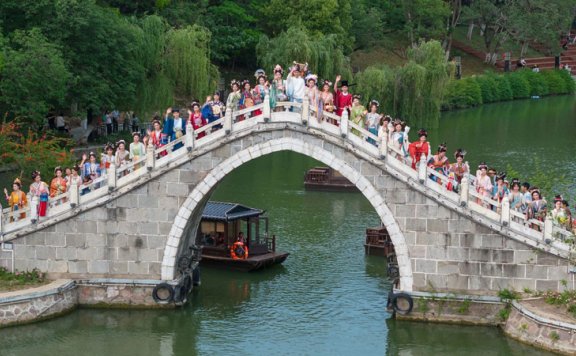
Stunning! When Hanfu meets Hefei, you can “travel through time” in a second! “I dream of her gowns as I dream of gorgeous flowers”. When the ancient Hanfu travels through thousands of years and meets modern Hefei, a dreamy cultural feast unfolds. Walking on the streets of Hefei, it's increasingly common to see people in Hanfu. They either look elegant with their fluttering robes or valiant and heroic, adding a unique ancient charm to the city. As more and more Hefei residents take up Hanfu as a hobby, the city has witnessed a “Hanfu craze”. The trend of traditional Chinese culture is on the rise. Hanfu Boom in Scenic Spots Hefei's major scenic spots are experiencing a “Hanfu boom”. On April 26 this year, the “Glorious New Scenes, Graceful Hanfu” — 2025 Yangtze River Delta (Hefei) Hanfu Carnival was held at the Bao Park Scenic Area. At the event, the Hanfu parade team walked through the park, attracting tourists to stop and take photos wherever they went. As the venue of this event, the Bao Park Scenic Area has been renovated and upgraded this year. Many scenic spots such as the red walls, Fuzhuang (Floating Village), and ancient - style… -
Hanfu Contest in Hanzhong: A Cultural Feast
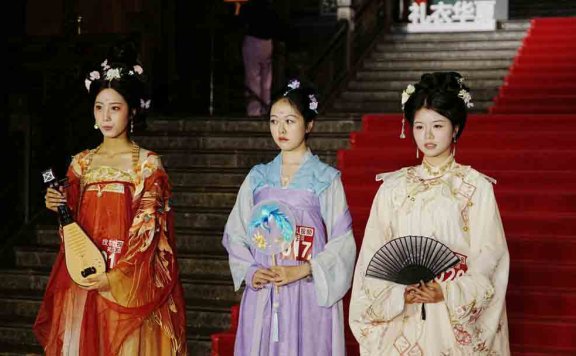
The first competition in the Northwest Division of the 2025 Sohu Video Li Yi Huaxia (礼衣华夏) Hanfu Model Contest was held at the Xinghan Shengjing Scenic Area in Hanzhong. Hanfu enthusiasts transformed into "time - travelers", presenting a visual feast with their gorgeous costumes and elegant postures. Using Hanfu as the brush and postures as the ink, they outlined a stunning visual event. This event not only pays pious respect to the traditional cultural context but also pushes the aesthetic realm to the extreme. Every stitch of the embroidery tells the texture of civilization, and every swaying step is a modern expression of Eastern charm, enabling a philosophical dialogue about beauty between tradition and fashion in the interplay of light and shadow. Star - studded Guests The guests for the Hanzhong division of Li Yi Huaxia included elites from various fields such as cultural production, hosting, event organization, and Hanfu culture promotion. They, with their professionalism and enthusiasm, provided a high - quality platform for the contestants, jointly promoting the inheritance and development of Hanfu culture. This event has become an important milestone in the development of Hanfu culture in Hanzhong and even across the country, leading more people into… -
Renmin University & Nanping Hanfu Unveiled
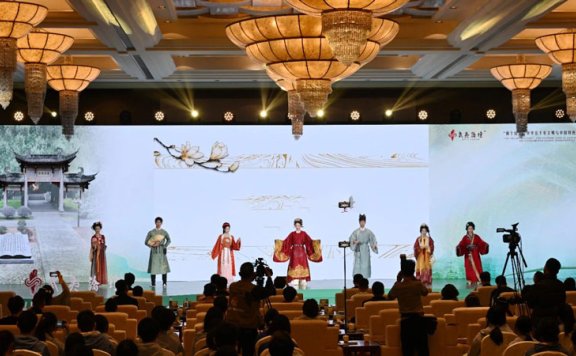
When the red walls and grey tiles blend with the Danxia red rocks, and when the school motto of Renmin University of China meets Zhu Xi's Neo - Confucianism, a cultural dialogue spanning thousands of miles, from Mingde Building of Renmin University of China to Wuyi Mountain in Fujian, is 'unfolding' with Hanfu as the carrier. On March 22, the parallel sub - forum with the theme of 'Cross - strait Youth Continuing the Chinese Cultural Context' of the Second Wuyi Forum was successfully held in Wuyi Mountain, Nanping, Fujian. At the event, the youth creative achievement of 'Hanfu Customized by Renmin University of China and Nanping' was officially released! 'Zhu Mo Qing Jin' Set The 'Zhu Mo Qing Jin' set is inspired by the red ink and the aspiration of scholars. It combines the solemnity of the red walls of Renmin University of China and the red rocks of Wuyi Danxia, and inherits the profundity of Zhu Xi's Neo - Confucianism and the lasting meaning of the school motto of Renmin University of China. Female Sanjian Skirt Suit: The female style of the 'Zhu Mo Qing Jin' set is a Sanjian skirt suit, which consists of a Song -… -
China's tourism industry is setting an example in these areas
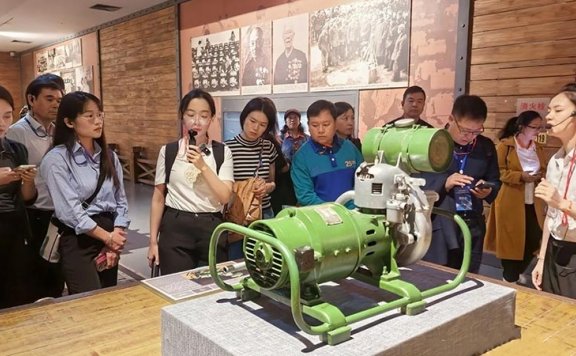
The global tourism landscape is undergoing a seismic shift, and China stands firmly at its epicenter. With a strategic pivot from scale-driven growth to quality-centric experiences, China’s tourism sector is redefining travel paradigms through policy innovation, cultural revitalization, and sustainable practices. As international authorities like Reuters and Travel & Tourism World highlight, the nation welcomed 1.32 billion international visitors in 2024, generating $94.2 billion in revenue—a testament to its soaring influence. By 2025, projections suggest inbound tourism could contribute ¥880 billion ($121 billion) to the economy, cementing China’s role as both a powerhouse and pioneer in shaping travel’s future. Industrial Renaissance Industrial heritage has emerged as an unexpected star in China’s tourism constellation. The nationally designated sites—122 industrial tourism demonstration bases and 232 protected industrial relics—now transform assembly lines into immersive storytelling venues. Visitors explore Guangxi’s machinery museums or Shanghai’s textile mills, where tactile exhibits bridge historical craftsmanship with modern innovation. This resurgence isn’t merely nostalgic; it’s economically transformative. Industrial tourism injects vitality into urban regeneration, turning dormant factories into hubs for education and entertainment. Cities like Shenyang repurpose smokestack districts into art precincts, attracting younger demographics while preserving collective memory. Beyond economics, these sites foster societal reconnection. Tours showcasing…