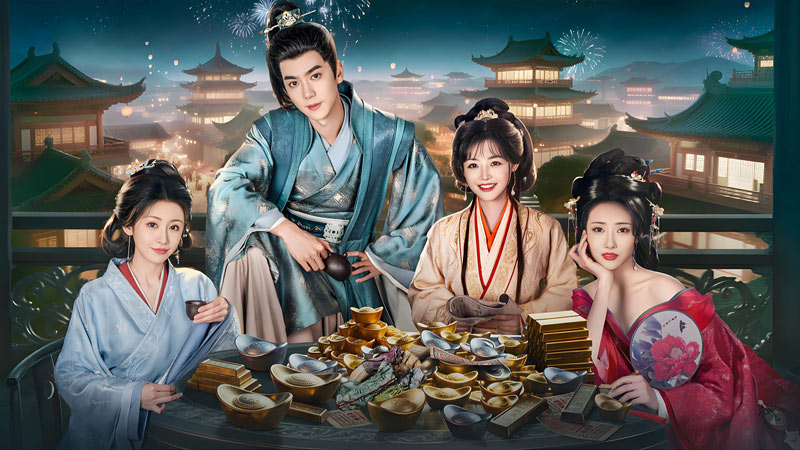
Xian Xu (贤胥) injects fresh energy into historical dramas by merging commerce, comedy, and time travel. This 2025 release follows a modern underachiever who revolutionizes a fictional dynasty with bubble tea tactics and audacious business gambits.
From Zero to Bubble Tea Hero Xiao Ning (Pan Yihong), a disillusioned contemporary slacker, wakes up in the Great Jing Dynasty as a despised son-in-law. Mocked by his wife’s family and stripped of dignity, he spots an opportunity in the untapped beverage market. Leveraging 21st-century insights, Xiao Ning (萧宁) crafts "ancient-style bubble tea"—a fusion of tea aromas and fermented rice wine—that ignites a local frenzy. His stall queues snake through market streets, turning copper coins into silver and humiliation into reverence.
This ascent isn’t frictionless. Noble clans initially dismiss his "peasant brew," but skyrocketing demand forces them to acknowledge his disruptive influence. Xiao Ning’s triumph lies not in royal decrees but grassroots capitalism—transforming street hawking into an empire. His journey mirrors modern entrepreneurship: identifying gaps, scaling micro-ventures, and battling elitist gatekeepers who fear the power of popular taste.
Comedy as a Business Strategy
Xian Xu is cards the solemnity of classics like The Grand Mansion Gate (大宅门). Instead, Xiao Ning weaponizes absurdity against ancient rigidity. In one scene, he baffles scholars by calculating profits with Arabic numerals; in another, he auctions "limited-edition" teacups to inflate demand. These gags underscore a thematic twist: commerce thrives when rigidity dissolves.
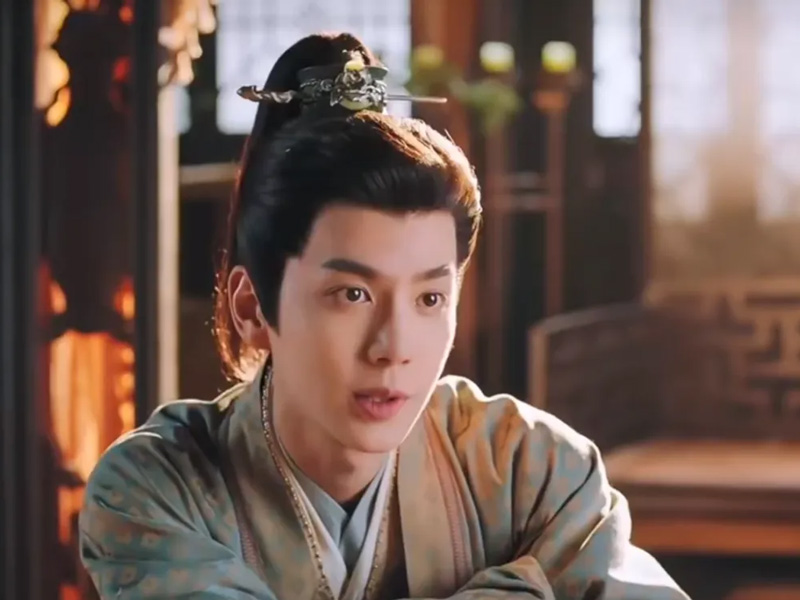
The humor extends to power dynamics. Princess Jiangyun (Zhu Rongjun), tasked with refilling the dynasty’s coffers, partners with Xiao Ning for a 70% revenue cut. Their negotiations—mixing feudal hierarchy with corporate jargon—highlight the clash between tradition and innovation. Even Xiao Ning’s romantic entanglements (including a scholarly ex-fiancee and a mercenary noblewoman) unfold through witty banter, ensuring emotional stakes never overshadow the satire.
Redefining Power Beyond the Throne
Xiao Ning’s newspaper venture—a tool to sway public opinion—challenges aristocrats who equate lineage with authority. His academy recruits outcasts and commoners, suggesting meritocracy can dismantle birthright privilege.
Yet the series avoids utopianism. When nobles sabotage Xiao Ning’s tea shipments, he retaliates not with swords but supply-chain tactics: redirecting cargo routes, hoarding ice for preservation, and undercutting rivals’ prices. These maneuvers frame commerce as both weapon and shield—a quiet rebellion against systemic inequality. Even Princess Jiangyun’s (姜云) alliance with Xiao Ning reveals her pragmatism: she leverages his genius while navigating court patriarchy.
Micro-Innovations, Macro Impact
Xian Xu ’s brilliance lies in scaling down ambition. Xiao Ning’s goals aren’t dynastic overthrow but personal agency—earning respect, protecting his ventures, and choosing love freely. His bubble tea empire symbolizes incremental change: one innovation altering livelihoods, then communities, then power structures.
The finale teases his boldest move yet—a "joint-stock" teahouse inviting commoners to invest. This nod to modern finance in an antique world crystallizes the drama’s vision: progress blooms where tradition and audacity collide. As Xiao Ning toasts his investors, viewers witness not just a character’s rise, but a genre’s evolution—from palatial grandeur to the revolutionary potential of a single teacup.
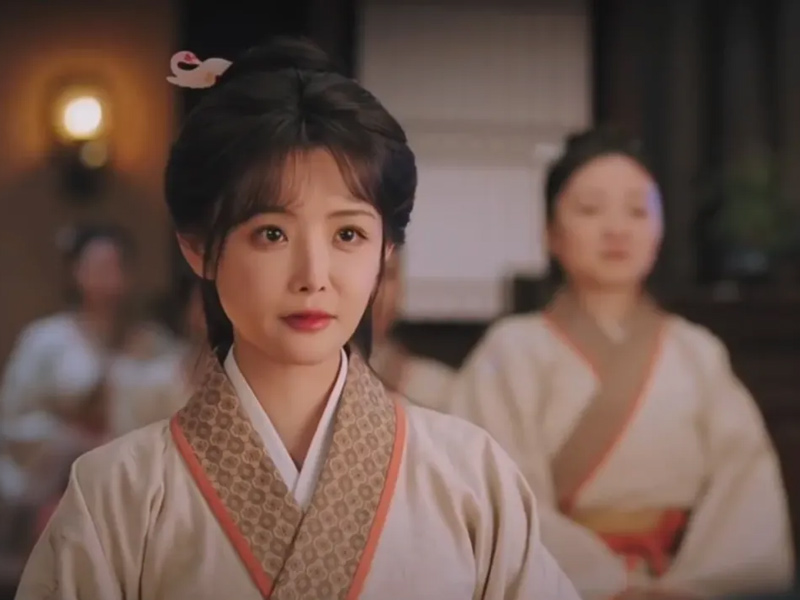
The drama masterfully balances heartwarming family bonds with razor-sharp social commentary. Audiences witness Lin Tao navigating elaborate family dinners where subtle power dynamics unfold, his modern ideals clashing with entrenched traditions in quiet yet explosive moments.
Particularly compelling is his evolving relationship with the stern matriarch, Mrs. Chen, portrayed with formidable nuance by veteran actress Zhang Li—a relationship transforming from icy distrust to grudging respect.
Beyond the familial friction, Xian Xu offers a surprisingly witty lens on urban class mobility and the sacrifices demanded by societal expectations. Each episode delivers both laughter and poignant reflection, cementing its status as a culturally resonant hit.