Riyadh's July heat met a different kind of fire on the Esports World Cup (EWC) red carpet. Wang Junkai, stepping onto Saudi soil as China's exclusive ambassador for the 2025 tournament, ignited global attention. His appearance transcended the expected celebrity cameo, becoming a statement of evolving artistry and cultural convergence. Gone was the familiar "National Little Brother" image; in its place stood a figure radiating controlled power and international sophistication.
The EWC's choice of ambassador signaled more than star power—it marked a deliberate fusion of entertainment, competitive gaming, and cultural diplomacy on the world's newest mega-stage.
Sartorial Metamorphosis
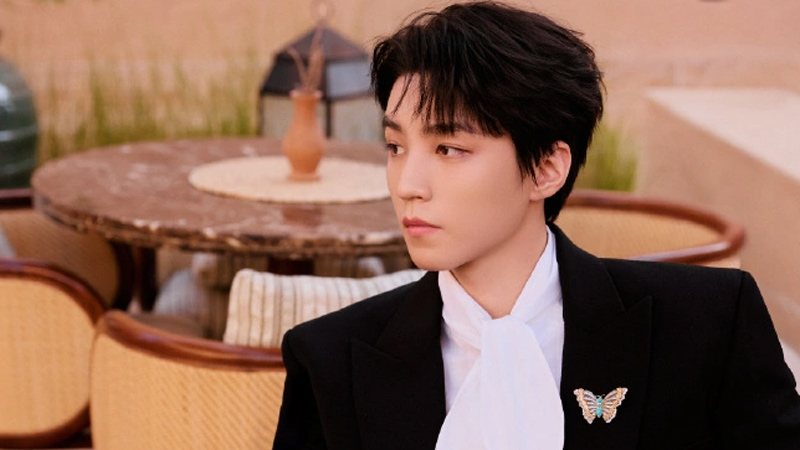
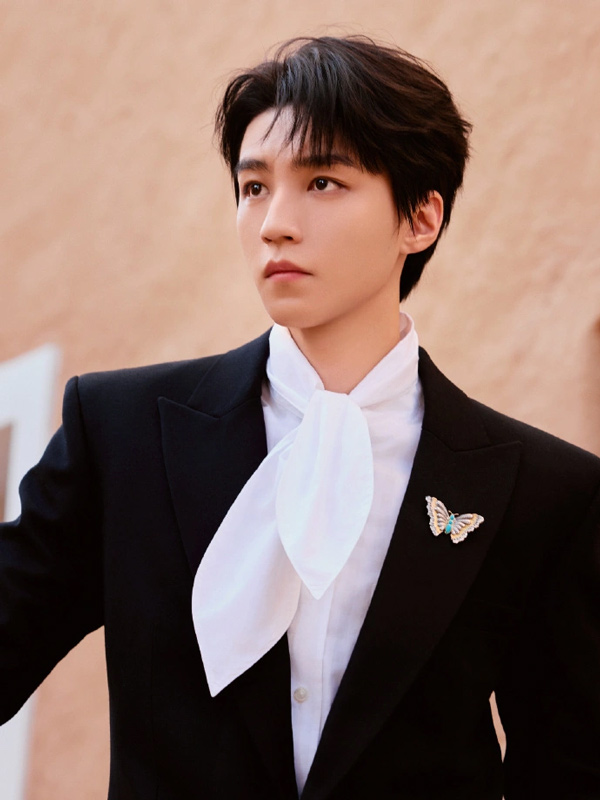
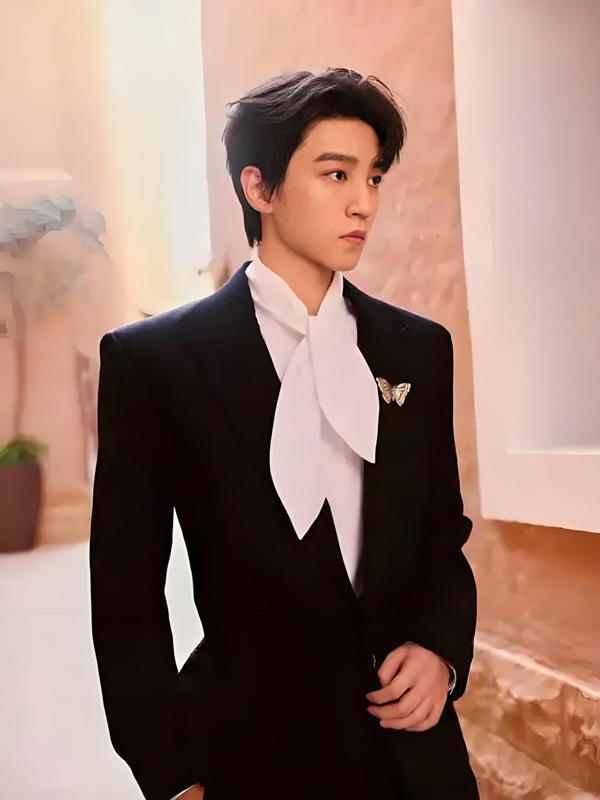
Wang Junkai commanded the EWC entrance in head-turning precision. A sharply tailored black Balmain single-breasted suit, defined by its assertive peak lapels, formed the foundation. It spoke of authority, meticulously crafted. Beneath it, a crisp white AMI shirt offered minimalist contrast. Christian Louboutin's signature red soles punctuated his stride with subtle luxury. Yet, the true focal point was the Buccellati gold butterfly brooch pinned near his heart. This intricate piece, far from delicate, possessed an unexpected edge—a metaphor for Wang’s own artistic transformation.
His grooming completed the evolution. A severely swept-back hairstyle exposed clean, strong features, amplifying a newfound maturity. Dark sunglasses added an air of enigmatic detachment. This visual shift wasn't mere styling; it was a deliberate shedding of past perceptions.
The calculated ensemble resonated instantly. International media scrambled for descriptors, landing on titles like "Eastern Prince" and highlighting "daddy-level charm." Social media commentary exploded, with fans declaring his visual impact a "dimensional attack" on global beauty standards.
Red carpet moments crystallized his new aura. Witnessing him calmly partake in the traditional Saudi incense welcoming ceremony, his posture remained regal, composed. The contrast between youthful energy and this acquired gravitas was striking.
Diplomat of Digital Arenas
Wang Junkai's role extended far beyond ceremonial duties. The EWC announcement hailed him as China's "sole official ambassador," a title emphasizing unique responsibility. Their statement highlighted his artistic journey: "From screen to stage, expanding boundaries with consistent focus and skill... Now, joining EWC 2025 as ambassador, sharing his passion for esports." This framed his appointment as a natural progression of his dedicated work ethic.
His presence alongside Tengjing Sports co-CEO Jin Yibo (金亦波) underscored the significance of this cultural bridge. They received high-level access throughout the event, indicating Saudi recognition of China's growing influence in the global esports ecosystem. Wang represented not just himself, but the rising legitimacy of Chinese gaming culture internationally.
The EWC's selection criteria became clear. Wang embodies the youthful dynamism and cross-cultural appeal essential for an event seeking mainstream legitimacy. His personal evolution—from idol group member to multifaceted artist—parallels esports' own trajectory from niche pastime to mainstream phenomenon.
Global impact was immediate. Unfiltered images showcasing his sharp features and balanced proportions circulated widely, prompting viral acclaim for his "unretouched dominance." Saudi official social channels amplified his presence, propelling "EWC China Ambassador Shines in Saudi Arabia" onto multiple national trending lists.
Beyond the Screen: Cultural Crossroads
Wang Junkai’s Riyadh debut signifies a pivotal moment intersecting multiple powerful currents. His meticulously crafted image shift—from youthful idol to a figure commanding "daddy-level charm"—isn't superficial rebranding. It signals a strategic positioning for broader international ventures, where presence and perception hold tangible value.
The EWC itself is a manifestation of ambitious global strategy. Hosted in Riyadh from July 7th to August 24th, 2025, the tournament represents Saudi Arabia's massive investment into becoming a global "esports capital." Choosing Wang aligns perfectly with this vision, leveraging his massive Chinese fanbase and growing international recognition to attract viewership and legitimacy.
His effectiveness as a cultural conduit is undeniable. The overwhelming positive reception, both online and in traditional media, demonstrates his ability to project Chinese soft power in a relatable, contemporary context. He translates cultural nuances through accessible style and genuine engagement.
This moment hints at future trajectories. The seamless blend of high fashion, elite competition, and cultural diplomacy witnessed in Riyadh suggests fertile ground for Wang's continued exploration. His proven ability to captivate diverse audiences makes ventures deeper into global entertainment or strategic brand partnerships seem inevitable.
Wang Junkai at EWC 2025 wasn't merely an appearance; it was a declaration. It showcased an artist confidently owning his evolved identity, a nation's cultural footprint expanding through modern channels, and the potent synergy possible when entertainment and esports converge on the global stage. The Riyadh red carpet marked a beginning, not an endpoint.