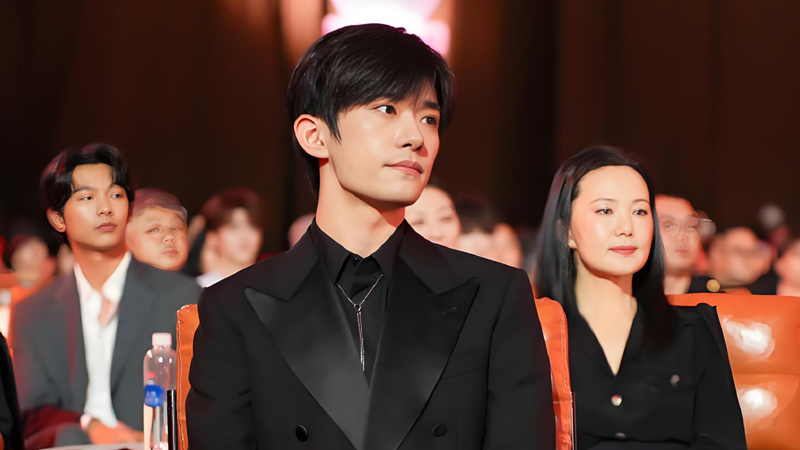
The unexpected resonated through Beijing on July 15th. Jackson Yee, became the youngest recipient ever of the Best Actor award from the China Film Directors' Guild (2024). His transformative performance as Liu Chunhe (刘春和), a young man navigating life with cerebral palsy in the film Big World (小小的我), secured unanimous approval from the judging panel, a rarity that silenced lingering doubts about young performers' capabilities.
This victory transcended personal achievement, signalling a shift in industry expectations and audience appreciation for actors emerging from idol backgrounds.
Unanimous Acclaim: A Defining Performance
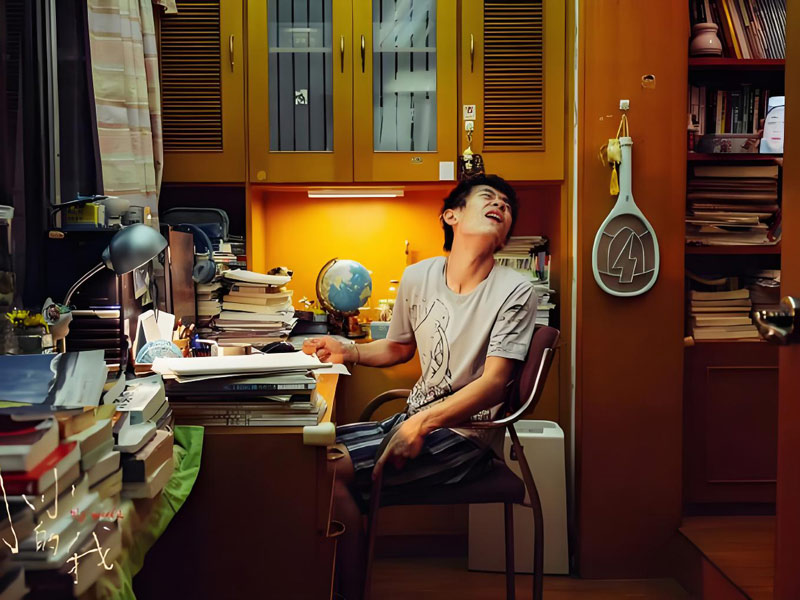
Directors, including industry veterans like Wuershan (乌尔善), described Yee's portrayal as simply "too outstanding" to ignore. The audacity of a 23-year-old embracing such a physically and emotionally demanding role immediately set him apart. His Liu Chunhe communicated volumes not through grand gestures, but through meticulously crafted micro-expressions and constrained, authentic physicality. He captured the character's internal landscape – the simmering frustration, quiet resilience, and profound vulnerability – with a depth that rendered his pop idol origins a distant memory. The role demanded more than acting; it required immersion.
Preparation was relentless. Months before filming commenced, Yee dedicated himself to understanding cerebral palsy. He observed individuals living with the condition, studied their movements, their interactions, their unspoken struggles. Off-set, he deliberately practiced movements that felt unnatural, cultivating the specific physical language of Liu Chunhe. This commitment manifested starkly during a grueling scene requiring Liu Chunhe to crawl through rain.
Take after take, Yee pushed himself, refusing a stunt double despite accumulating painful bruises on his knees. His director later shared Yee's driving principle: he didn't aim merely to look the part, he sought to be Liu Chunhe in those moments.
A Courageous Acceptance Speech
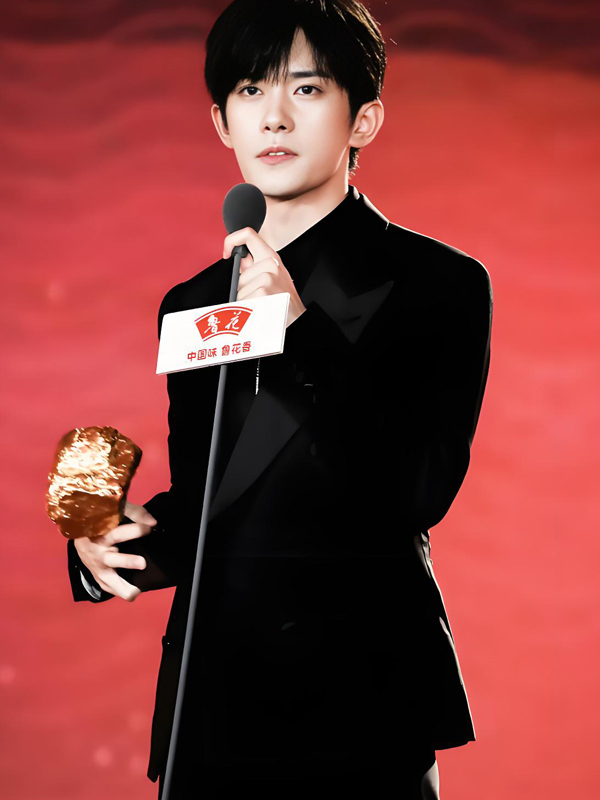
Stepping onto the stage to accept the award, Yee offered more than gratitude; he delivered a candid reflection on the anxieties and convictions driving his generation of performers. He acknowledged the palpable silence within his team when the challenging role of Liu Chunhe was first proposed. The potential for failure, and the harsh backlash that could follow from a skeptical public, was a tangible fear. "If I messed up, what awaited me could have been ridicule across the entire internet," he admitted.
Yet, the fear of stagnation proved stronger than the fear of failure. His choice was deliberate: "I'd rather make mistakes than be boring," he stated, urging audiences to embrace the risks inherent in sincere artistic creation.
His tribute to the film's director was particularly poignant. "The director is the actor's first audience," he shared emotionally, "the one who embraced my shortcomings and moments of hesitation." This raw acknowledgment of the collaborative trust essential to great performances resonated deeply.
Social media amplified his words, with many noting the uncommon sincerity and palpable sense of reverence Yee brought to his craft. His studio's official post-award message, stating "Time favours the earnest cultivator," felt like a quiet, powerful response to ongoing conversations about his transition from pure popularity to respected artistry.
Impact Beyond the Trophy
Filmed when Yee was just 22, Big World matured over two years before its impactful release. The film, and Yee's performance within it, mark a definitive turning point in his career trajectory, solidifying his path beyond the confines of teen idol status. His journey – marked by critically acclaimed roles in Better Days (少年的你), the monumental The Battle at Lake Changjin (长津湖), and now the profoundly intimate Big World– serves as a case study in intentional career evolution for young artists navigating the pressures of fame and artistic ambition.
The influence of Liu Chunhe extended far beyond cinema screens. The character's authenticity became a catalyst, actively contributing to the implementation of the "Moss Flower Convention," an initiative focused on securing rights and improving conditions for individuals with cerebral palsy and other motor disabilities. This tangible societal impact sparked discussions internationally, highlighting the potent dual force of entertainment and meaningful advocacy that art can wield. As one sociologist observed, Yee's work exemplifies "the essential power of cultural works: achieving both mass appeal and significant social value".
Veteran actress Lin Xiaojie, who portrayed Liu Chunhe's grandmother in the film, publicly celebrated Yee's win, declaring "Chunhe deserves this! Yee absolutely earned it!" Yee's playful online response, "How about a hug?", captured the genuine warmth within the production team, endearing them further to audiences. This collaborative spirit and dedication stand in stark contrast to practices like over-reliance on body doubles or green screens sometimes associated with less committed performers. Yee’s trajectory underscores a clear choice: prioritizing profound character exploration over commercial safety.

The unanimous decision by the Directors' Guild carries immense weight. By specifically highlighting Yee's "active dismantling of idol limitations," the judges underscored the exceptional nature of his choices within his peer group. His win is more than personal recognition; it's interpreted as a significant industry signal, a validation of depth over superficial appeal for the new generation of actors.
As online commentators succinctly put it, the narrative needs updating: "It's not that popularity precludes talent; it's that some rest on its laurels." Jackson Yee's path forward, guided by his own philosophy articulated on that Beijing stage, seems clear: courage in artistic choice, embracing the possibility of stumbling in pursuit of something genuine, remains paramount . This award celebrated not just one young actor's exceptional work, but the collective belief in the potential for serious, transformative artistry within a new generation.