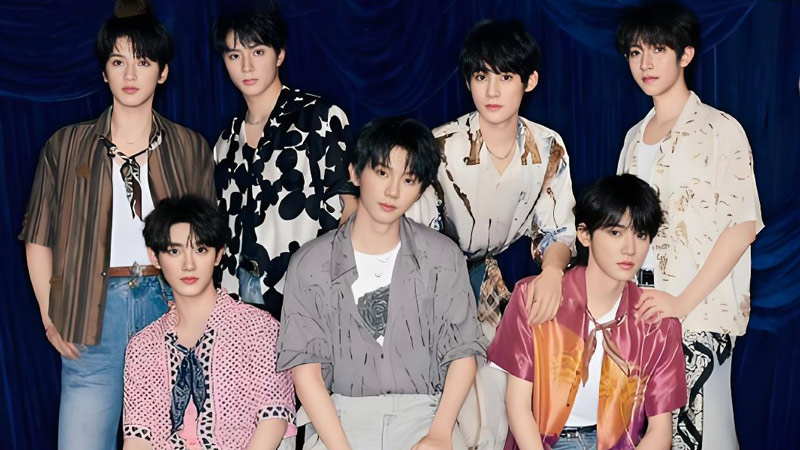
The whispers ripple through fan forums and entertainment news: is the era of Teens in Times (时代少年团), the junior sibling group to TFBOYS, nearing its end? Fueled by rumors of individual studios and perceived career sacrifices, the desire for solo flight burns brightly among segments of their massive fandom. Yet, beneath the surface drama of academic controversies, fledgling acting attempts, and variety show hustle, lies an unyielding reality.
Teens in Times remains fundamentally bound, not just by contract, but by the intricate machinery of China's idol industry and the strategic imperatives of their powerhouse agency, Time Fengjun Entertainment (时代峰峻). Dissolution isn't on the horizon; it's a distant mirage obscured by the group's undeniable commercial synergy and the individual members' current reliance on the collective brand.
The Fragile Wings of Solo Ambition
Scanning the landscape of Teens in Times members' individual pursuits reveals a stark picture: potential exists, but proven, standalone stardom remains elusive. Ma Jiaqi (马嘉祺), despite gaining recognition on Singer 2025, remains tethered to the public memory of his past academic controversy. His journey on the show, often placing near the bottom, fueled speculation rather than solidifying a solo music identity.
Song Yaxuan (宋亚轩), navigating his final year at the Central Academy of Drama, has yet to debut in a single film or television project. His variety presence on shows like Let's Go Now 2 (现在就出发2) offers visibility but falls short of crafting a distinct, marketable persona beyond the group. The songs he creates resonate within the fandom bubble but haven't cracked the mainstream.
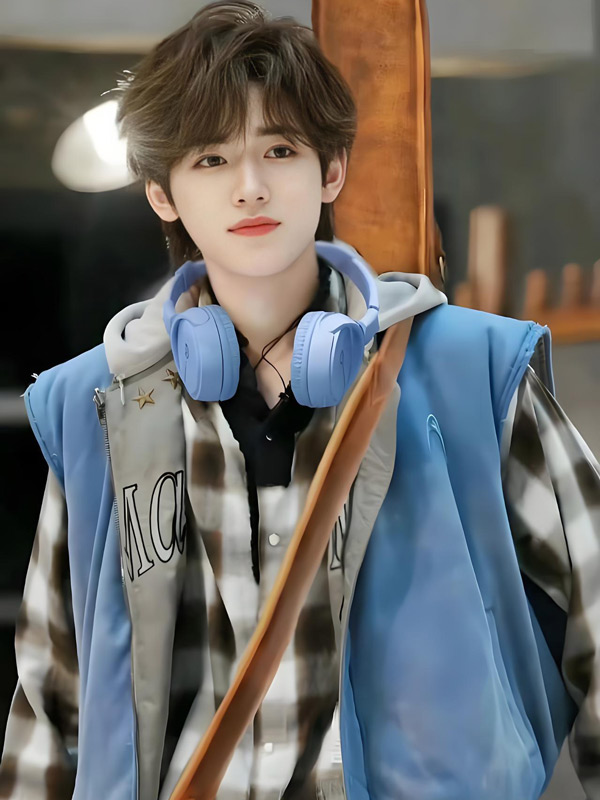
Liu Yaowen's (刘耀文) foray into film, notably a minor role in Zhang Yimou's Article 20 (第二十条), represents a promising step. However, the delayed release of his anticipated project Blades of the Guardians (镖人), coupled with acknowledged developmental needs in his acting craft, highlights the gap between opportunity and established capability. Comparisons to his senior, the critically acclaimed box-office draw Yi Yangqianxi (易烊千玺), underscore the distance he must still travel. Other members like Ding Chengxin (Hello, Saturday) and Zhang Zhenyuan (Keep Running) maintain steady visibility but lack breakout individual momentum.
Their recognition is often intrinsically linked to their group affiliation, a prefix they cannot yet shed without diminishing returns. These fragmented attempts, while valuable for experience, lack the cohesive power to launch true solo careers in the competitive Chinese entertainment market.
The Unbreakable Chain of Collective Power
The fervent fan desire for solo careers often stems from perceived injustices: Ma Jiaqi missing Singer segments, Song Yaxuan skipping the finale of Let's Go Now 2 for group rehearsals, or whispers of Liu Yaowen's alleged declined film festival invitations. Fans see these as company-mandated sacrifices hindering individual potential. Time Fengjun Entertainment, however, operates from a different calculus. The bitter lessons learned from TFBOYS' early shift towards individual activities, which arguably limited the group's peak monetization period, loom large. Teen Times represents a crucial, lucrative asset to be maximized in its current form.
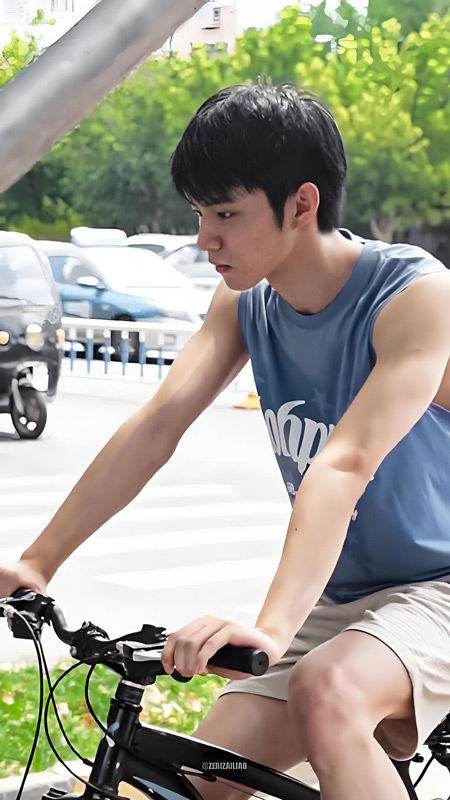
The evidence of their collective power is undeniable. Concert tickets vanish within seconds, like their recent Dalian shows, with rumors of a four-day Shanghai stadium run brewing – a testament to immense, bankable demand only the complete unit generates. As a group, they command premium seating at major events like Weibo Night and Harper's Bazaar Night, symbols of their status as "China's Top Male Group."
This positioning vanishes if they fracture into individual entities, likely relegating members to the less lucrative second or third tier. Financially, the group model is a juggernaut: albums, merchandise, and blockbuster tours generate revenue streams far exceeding what most members could currently achieve alone.
Teens in Times is the cornerstone of Time Fengjun Entertainment's meticulously constructed "nurturing system empire," bridging the legacy of TFBOYS to the newer generations like the recently debuted "Unbridled Youths." Maintaining the group's integrity is essential for cross-generational promotion and sustaining the entire ecosystem. Even the delicate dynamics of fan service, including popular member pairings ("CPs"), require the group's physical togetherness to thrive.
The Solo Gateway of Variety Survival
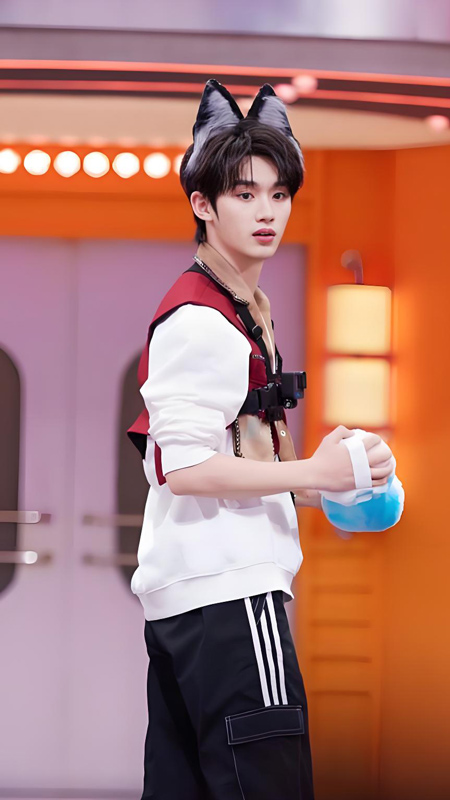
Ironically, while a full group split remains improbable, the path to building individual recognition increasingly runs through solo ventures, particularly in the competitive world of Chinese variety shows. Here, members are finding traction and proving their worth to producers. Ma Jiaqi's journey on Singer 2025, despite ending in elimination, garnered significant attention and shifted public perception. Yan Haoxiang's (严浩翔) role as a young mentor on The Rap of China 2025, though initially controversial, is credited by some within the industry with helping the season achieve record-breaking premiere viewership numbers. His confident stage presence, declaring his prowess, sparked debate but undeniably drew eyes.
Ding Chengxin (丁程鑫) holds a steady spot on Hello Saturday, Zhang Zhenyuan (张真源) brings youthful energy to Keep Running, and Song Yaxuan leverages his chemistry with established stars like Shen Teng (沈腾) across Ace vs Ace and secured his return for the next season of Let's Go Now. Production teams actively seek them out.
Teens in Times members offer a fresh option," notes variety show producer He Qi (何棋). "Casting’s getting harder—we need diverse personas, and finding cross-generational appeal is tough. A-listers are booked solid, while unknown-led shows flop in promotion." He highlights their reliable fan engagement and metrics—key in today’s market. For solo bookings, he adds a practical upside: "Logistically, single members simplify sponsorships. Dodging endorsement conflicts is easier than untangling the group’s tangled commercial restrictions. Revenue-wise, individual deals often outperform group projects—those rely too much on title sponsors, while solo work excels in niche segments."
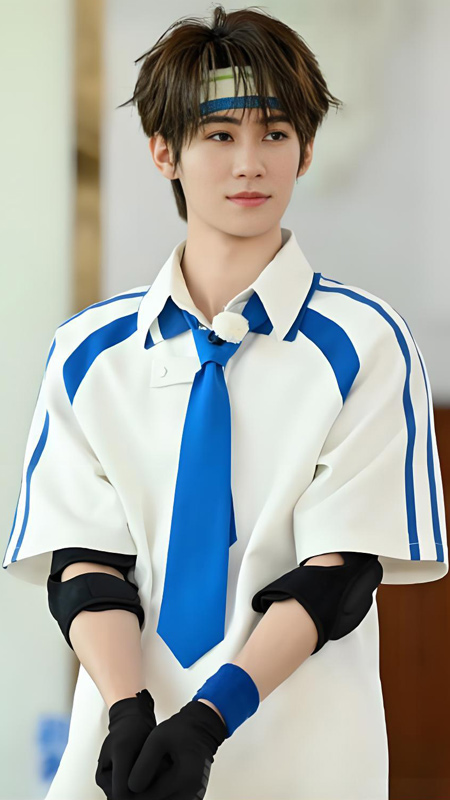
This "divide and conquer" strategy in variety allows members to cultivate personal brands and demonstrate unique appeal outside the strictures of the full group dynamic. It's a vital pressure valve and development channel, carefully managed by Time Fengjun Entertainment, not a precursor to dissolution.