Article
Search results:
-
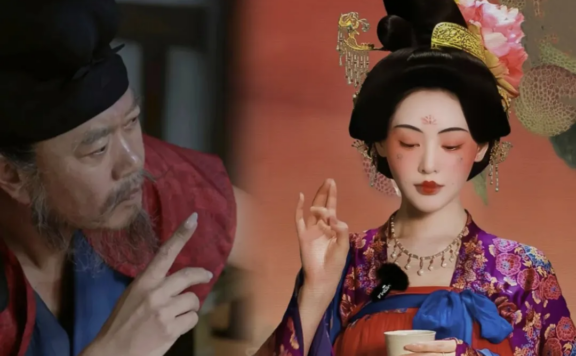
Nail Art is So Fashion in Tang Dynasty
In the cdrama The Lychee Road, not only women but also men are into manicures. He Cishi, a seemingly rugged man, and some officials have well - manicured nails, which challenges many people's modern thinking. What's going on? Were the Tang people more progressive than us? Actually, ancient men also liked growing nails. But it wasn't for beauty. It was a symbol of upper - class status, showing they didn't do manual labor. We can see long nails in some portraits. Take Zhuge Liang, a well - known figure in the Three Kingdoms period. In a Yuan - Dynasty portrait of him (collected in the Palace Museum in Beijing), he has long nails, and the ruyi in his hand is delicate. His black - and - white - and - red clothes are still fashionable today. Nail Art in Tang Dynasty The trend of manicures became more popular in the Tang Dynasty. There were 'nail - dyeing' techniques and a specialized manicure industry. Similar to today, nail - dyeing was a sign of beauty and noble status, especially favored by noble women. In ancient times, 'Koudan' referred to dyed nails or delicate hands with dyed nails. Balsam flowers, also known… -
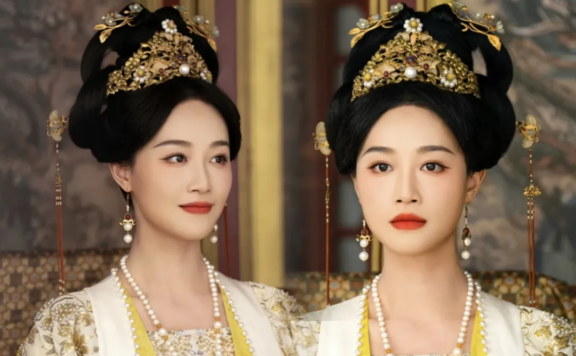
Lan Yingying Wears Song Style Hanfu
In the cdrama Perfect Match, Lan Yingying (蓝盈莹) played the role of an imperial concubine, a legitimate daughter favored by the emperor. She also planned for her family, and we witnessed her growth and transformation. Let's start with the conclusion. The outfit Lan Yingying wore was a style of the large-sleeved shirt and skirt in Song Dynasty clothing. This kind of large-sleeved shirt was usually worn by women. It had a straight collar and a front-opening design and was mainly used as an outer garment. From Tang Dynasty paintings and unearthed clothing from the Song and Ming dynasties, we can see that the large-sleeved shirt was popular in the Tang, Song, and Ming dynasties. In the Song Dynasty, it developed into an important formal dress for noble women, especially as the daily wear for concubines. By the Ming Dynasty, the way of wearing the large-sleeved shirt was similar to that in the Song Dynasty. It was also listed as the regular clothing for queens and noble women. Typical styles included the bright red large-sleeved shirt and the bright yellow large-sleeved shirt. This evolution of the style reflects the historical continuity of traditional formal dress culture. The exquisite materials and elaborate… -
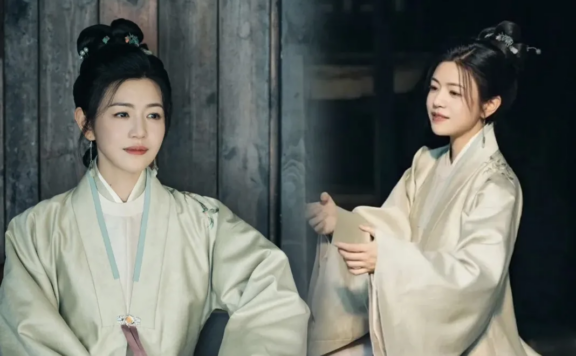
Chen Yanxi's Mother Costume in The Legend of Zang Hai
In the ancient cdrama The Legend of Zang Hai (藏海传), although Chen Yanxi only appeared in a few scenes, she left a deep impression. She played the mother of Zang Hai (played by Xiao Zhan), wearing a Ming-style cape, showing a different kind of mature charm from before. Let's first talk about the outfit on the left side of the main picture. Chen Yanxi wore a front-buttoned narrow-sleeved cape, with a round-collared shirt and a cross-collared middle garment inside, and a horse-faced skirt below. The whole set was in the Ming style. The overall color of this outfit was a combination of light blue and light colors, so it looked gentle and elegant. Her hair was simply styled in double buns or a single bun, making her look fresh, elegant, and refined. The cape is a relatively formal style in Ming Dynasty clothing. Its style features a straight collar and slits on both sides. It evolved from the Bei Zi in the Song Dynasty. In some Ming Dynasty books, the terms 'Bei Zi' and 'cape' were often used interchangeably. The main difference between them is that in the middle and late Ming Dynasty, the collar of the cape was mostly… -

Yang Mi's Qipao: Sneakers and Pigtails in Daily Fashion?
A recent street style photo of actress Yang Mi (杨幂) ignited social media. She wore a thigh-length Qipao paired with crisp white sneakers, her hair styled in high pigtails tied with pink ribbons. This unexpected fusion radiated youthful energy, sparking widespread debate: Can this trio—short Qipao, sneakers, and pigtails—breathe new life into everyday wardrobes? While fans marveled at her seemingly ageless glow, others questioned its practicality for average women. The image sharply contrasted with conventional Qipao associations, challenging decades of formal styling norms overnight. Street Style Sensation Yang Mi’s ensemble shattered Qipao stereotypes. Traditionally reserved for weddings or galas, the garment demanded heels and updos to maintain solemnity. Her version, however, stopped mid-thigh, featuring subtle floral embroidery near the hem instead of the usual dense upper-body patterns that age wearers. Vibrant red piping along the collar and sleeves injected vitality into the soft pink fabric. The high pigtails, slightly curled at the ends, coordinated seamlessly with her Qipao’s hue through matching ribbons. Completing the look, minimalist sneakers grounded the outfit in accessibility. "Is she bringing Qipao to college campuses?" netizens joked, acknowledging its sudden shift from ceremonial wear to casual chic. The look’s brilliance lies in its deliberate informality. By… -
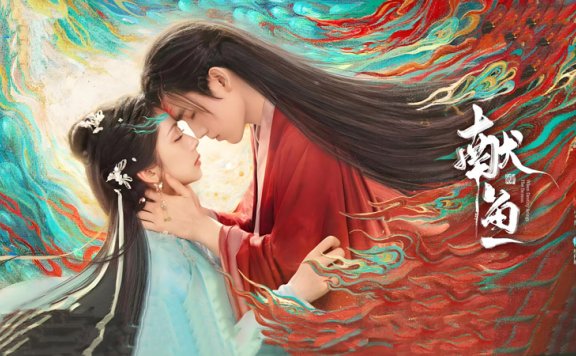
Who Tamed Ancient When Destiny Brings The Demon? A Xianxia Rom-Com Rewrites Romance!
The highly anticipated When Destiny Brings The Demon (献鱼) premiered today on Youku, offering a refreshingly quirky take on the Xianxia genre. Starring rising talents Chen Feiyu (陈飞宇) and Wang Yinglu (王影璐), this series throws a modern slacker into the heart of ancient immortal politics, sparking an unlikely romance with a volatile powerhouse. Think workplace comedy meets high-stakes fantasy, where survival trumps saving the Three Realms. Get ready for laughter, heart, and a complete genre shake-up. Mismatched Souls Collide Imagine zoning out at your desk one moment, then waking up branded a traitor in an immortal sect the next. That’s the bewildering reality for modern-day office worker Zou Yan (邹雁), unexpectedly thrust into the body of Liao Tingyan (廖停雁), a disciple of the Gengchen Immortal Manor (庚辰仙府) suspected of being a spy from the Demon Realm. Her assignment? Serve the Manor’s legendary, terrifyingly powerful Ancestor, Sima Jiao (司马焦), newly awakened after 500 years sealed within Three Sacred Mountains. Their first encounter is electric with tension. Sima Jiao, radiating intimidating energy, instantly sees through Liao Tingyan’s disguise. He probes her motives relentlessly, expecting treachery. She, clinging to her "work-to-live" philosophy, just wants to avoid getting incinerated. Yet, a bizarre connection forms.… -
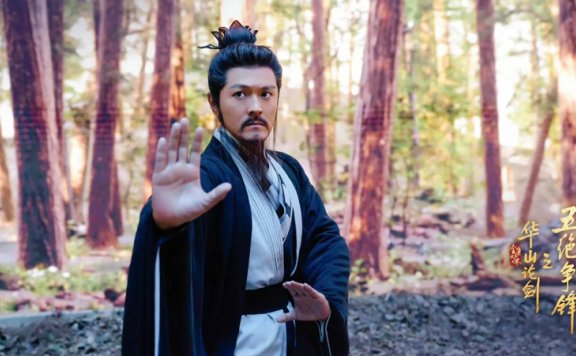
What Made Duel on Mount Hua's Finale Truly Resonate?
The grand finale of the Wuxia drama Wujue Zhengfeng (五绝争锋) delivered its last six episodes, culminating the series' intricate saga. This concluding segment resolved the central conflict surrounding the legendary Nine Yin True Sutra (九阴真经) and the fate of Zhong Juesheng (钟绝圣), the ambitious leader of the Ming Cult. The resolution wasn't merely about victory over evil; it offered a poignant, character-driven denouement that resonated deeply, moving beyond predictable tropes to find warmth and quiet closure amidst the martial world's chaos. Unmasking the Scheme The climactic gathering at Mount Hua, intended as a decisive contest for possession of the coveted Nine Yin True Sutra, took a shocking turn. When the sacred text's container was finally opened, it stood empty. This pivotal moment revealed an elaborate deception masterminded by Zhong Juesheng. His plan was insidious: dangle the promise of ultimate power to ignite a destructive war among the martial sects. Amidst the ensuing conflict, he aimed to advance his radical doctrine of "learning martial arts to destroy martial arts," believing his path was one of necessary, righteous purification. The revelation shattered the expectations of the gathered heroes. Zhong Juesheng's motives, while extreme, stemmed from a warped sense of purpose, challenging the… -
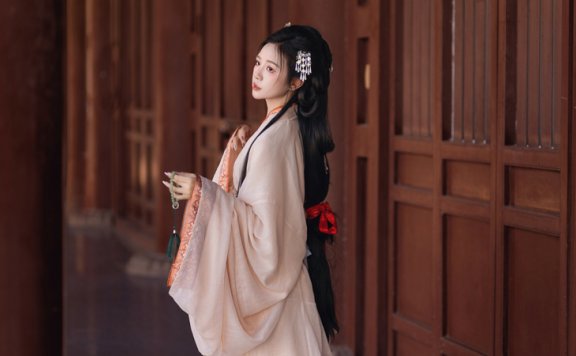
How Hanfu and Ancient Architecture Echo China’s Soul
Silk whispers against stone. Graceful sleeves dance with upturned eaves. Across centuries, Hanfu and ancient Chinese architecture engage in a silent, breathtaking dialogue. These two pillars of Chinese civilization embody shared principles of balance, symbolism, and profound respect for nature. Walking through a courtyard in flowing robes isn't merely a photo opportunity; it's stepping into a living canvas where fabric and form converse in the language of heaven, earth, and humanity. This encounter reveals the deep, interwoven roots of China’s aesthetic soul. Shared Foundations Both Hanfu and ancient structures spring from the core principle of Tian Ren He Yi (天人合一) – harmony between heaven and humankind. The classic Shenyi (深衣) garment, with its distinct upper and lower sections, mirrors the division between sky and land. Its wide sleeves symbolize boundless capacity, embracing the universe's vastness. Similarly, imperial palaces stand as testaments to cosmic order through strict axial symmetry, reflecting the belief in a central, governing power. The iconic swooping rooflines, known as Feiyan (飞檐), defy their earthly anchors, reaching skyward with dynamic elegance. Observing a figure in a Ruqun (a short jacket over a long skirt) within the Forbidden City reveals uncanny visual echoes. The layered skirt echoes the tiered… -
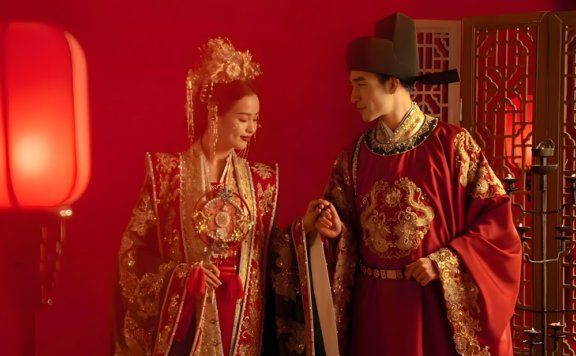
How Does Ancient Chinese Wedding Attire Captivate Modern Hearts?
Under the bright lights of contemporary weddings, a bride steps forward adorned in Fengguan Xiapei (凤冠霞帔), her ceremonial headdress and cape shimmering with jewels that chime softly like ancient wind chimes. This ensemble transcends mere clothing; it embodies millennia of Chinese tradition, weaving together ideals of love, ritual, and exquisite craftsmanship. More than a bridal costume, it represents a profound cultural legacy where every stitch whispers stories of devotion and artistry passed down through generations. Today, this iconic attire is experiencing a vibrant resurgence, captivating modern couples seeking a connection to their heritage and a deeply symbolic start to their union. Beyond Bridal Wear The Fengguan, or "phoenix crown," stands as a masterpiece of adornment. Traditionally reserved for noblewomen, its complexity signified rank. Crafted from precious metals, it features intricate phoenix motifs – symbols of grace and virtue – adorned with gleaming pearls, vibrant gemstones, and delicate tassels that sway with movement. Its brilliance was unmatched in traditional court regalia. Complementing the crown is the Xiapei, the "rosy-cloud cape." This long, rectangular garment drapes elegantly from the shoulders to the chest, its name inspired by the radiant hues of dawn. Embroidered meticulously onto rich fabrics like silk or brocade are… -
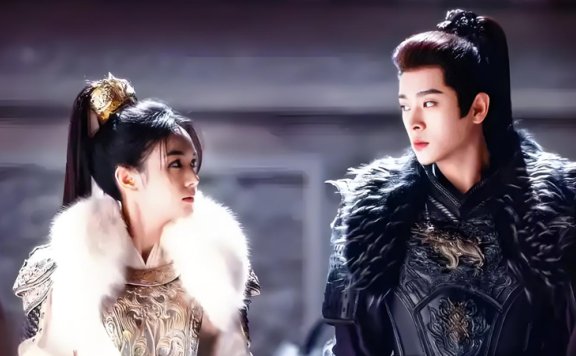
Can Love Survive the Sword? Betrayal and Redemption
Xiao Jue (肖珏) stands frozen, his blade trembling as its point rests near the throat of the woman he cherished. He knows everything now. The revelation crashes over him: He Yan (禾晏) wasn't merely a victim of circumstance when she assumed the identity of He Rufei (何如非); her delayed arrival at the Battle of Ming Shui directly caused the catastrophic loss that claimed his father and thirty thousand comrades. This truth, sharp as the steel he holds, cuts deeper than any battlefield wound. The woman before him, her eyes reflecting the same devastation he feels, embodies the source of his deepest grief and the most profound betrayal. Yet, tangled within the fury is a thread of agonizing confusion – could there be more to this tragedy than he yet understands? Broken Trust He Yan sees the finality in Xiao Jue's eyes. Explanations die on her lips; words are useless against the mountain of his pain and anger. She understands her deception, born of necessity during her time disguised as a man studying at Xianchang Academy, is unforgivable in his eyes. The revelation, inadvertently triggered by her friend Hua Youxian, shattered the fragile trust they had built. Now, a chilling distance… -
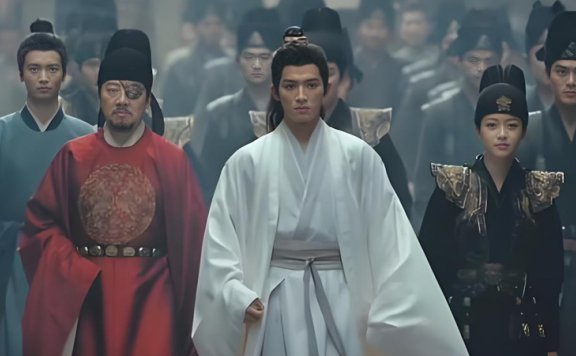
Brothers Torn Between Justice and Revenge in The Wanted Detective Finale
The 36-episode saga The Wanted Detective (定风波) concluded its intricate dance of suspense, supernatural intrigue, and perilous adventure, masterfully framed by striking visuals rooted in Chinese gothic aesthetics. Its finale brilliantly wove seven distinct cases into a cohesive whole, akin to a celestial alignment, leaving viewers profoundly satisfied yet haunted by its lingering power. The culmination wasn't merely about solving crimes; it exposed the raw nerves of fate, loyalty, and the devastating cost of vengeance spanning decades, centered on the fates of two orphans from Cliffside Bay. The Haunting of Cliffside Bay The chilling events at Cliffside Bay formed the origin point for the entire narrative, making its resolution paramount in the final act. Following the map provided by Wu Lie (武烈), the Bo Bo team (波波队) journeyed towards the cursed location. Villagers along the way recoiled in terror at the mere mention of "Cliffside Bay," their faces betraying deep-seated fear, yet all clues inevitably led there. Upon arrival, the team discovered a man bearing savage bite wounds – a grim harbinger of the truth about to surface. This perilous expedition finally unraveled a mystery buried for thirty-six years. The source of the horror was the Tempest Pill, developed by… -
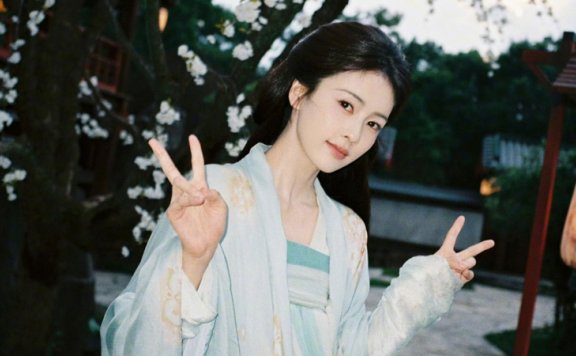
Bai Lu's Weight Loss: Health vs. Career Debate in Entertainment
Bai Lu's (白鹿) dramatic physical change has become a national talking point since spring 2024. Between March sightings on the Tang Gong (唐宫) set, where she appeared with soft, rounded cheeks, and August glimpses from Mo Li (莫离) filming revealing a drastically thinner frame, the 28-year-old actress reportedly shed over ten pounds, now weighing just 80 pounds. This places her well below a healthy BMI range. Public reaction swings between concern over her visible fragility and uncomfortable questions about the extreme demands placed on actresses. This transformation wasn't accidental. During Tang Gong filming in March, she radiated a vibrant, healthy energy, her face full and her complexion glowing. Her historical costumes emphasized a noble elegance. Fast forward to August on the Mo Li set, where her character, strategist Ye Li (叶璃), requires an ethereal thinness. Costumes hang loosely on her frame; her facial structure appears sharply defined, almost severe. Initial fan reactions weren't admiration, but alarm: "Could she faint?" While Bai attributed the weight loss to stomach issues, the sheer speed and extent suggest more than simple dietary sensitivity. Seeing an actress who once embodied youthful vitality now struggling to fill small-sized clothing is deeply unsettling. Industry's Unspoken Rulebook The… -

5 Actors That Shaped The Immortal Ascension
The portal shimmered, swallowing Han Li (韩立) whole as he escaped certain doom. In that instant, The Immortal Ascension (凡人修仙传) cemented its core truth: ascension demands sacrifice. Yang Yang's protagonist shed innocence, leaving loved ones like Mo Caihuan (墨彩环) behind, yet gained a harsh new world. This finale resonated deeply, a testament not just to the epic cultivation battles and sweeping Xinjiang landscapes, but crucially, to the actors who breathed life into its intricate characters. Their journeys, marked by grueling physical trials and emotional depth, were as compelling as the Han Li's own path. 1. Jin Chen (金晨) Portraying the revered Nangong Wan (南宫婉), Jin Chen possessed the requisite ethereal stature and displayed impressive martial prowess. Her fight sequences were executed with precision, a testament to months of arduous training. However, her performance became a focal point for audience critique. The disconnect stemmed largely from her altered appearance. The sharp contours of her face and an unusually defined nose proved distracting for viewers expecting the novel's "forbidden beauty." A persistent tendency to speak and smile with a pronounced tilt to her mouth, dubbed the "Crooked Smile Goddess" online, further broke immersion. This was especially jarring during the crucial "dual cultivation"… -
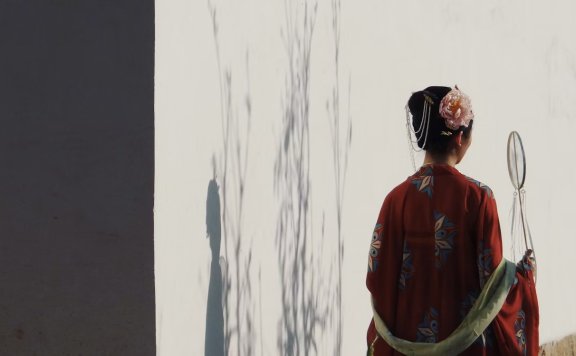
How to Turn Your Love of Hanfu into a Career
Over the past few years, hanfu has transformed from a niche hobby into a growing market worth billions. The number of people who wear traditional looks not only at festivals but also in their everyday lives is growing all over the world. According to NewHanfu, by 2028, the Chinese market is expected to have grown from its current valuation of 13.7 billion yuan (about $1.9 billion) to 33.4 billion yuan. Inspiring stories from designers, stylists, photographers, and event planners prove that a love for hanfu can become more than just a hobby, but a full-time job. The only question is how to take the first step. Why hanfu became a global trend The Hanfu revival began in China in the early 2000s as part of a movement for cultural identity. Young people were looking for ways to express their connection with history, and traditional clothing became a vivid symbol of this. Online communities quickly united fans around the world: some shared patterns, others shared photos from festivals. Pop culture projects also played a role. TV series like “The Palace” or “The Legend of Hao Lan” brought back the fashion for complex costumes and accessories. Against the backdrop of globalization, viewers… -
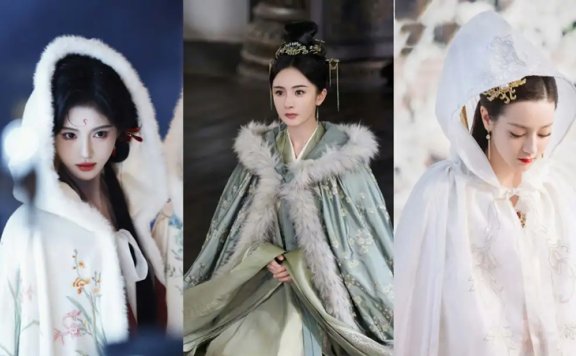
Why Do Hooded Cloaks Dominate Every Historical Drama?
From celestial beings in fantasy epics to noblewomen in palace intrigues, one costume piece silently reigns supreme: the hooded cloak. This garment, seemingly simple in design, has become an indispensable visual shorthand across Chinese historical film and television. Its sweeping presence raises questions – is this a nod to historical authenticity, a practical filmmaking choice, or pure aesthetic enchantment? The answer weaves together threads of function, symbolism, and modern creative license, transforming the hooded cloak into far more than just a covering. Power, Mystery, and Practicality on Screen In Zhong Kui: Snow Girl and the Dark Crystal (钟馗伏魔:雪妖魔灵), the snow spirit Xue Qing (雪晴), portrayed by Li Bingbing (李冰冰), glides through icy landscapes enveloped in a pale blue hooded cloak adorned with intricate snowflake embroidery and fur lining. This exemplifies one core function: elemental protection. The cloak shields her from the biting wind and snow, a practical barrier against harsh weather. Similarly, in the acclaimed series Empresses in the Palace (甄嬛传), the protagonist Zhen Huan (甄嬛) dons a light-colored hooded cloak for discreet warmth during a nighttime visit to the Plum Garden. It allows her to move outside undetected while staying comfortable. Beyond warmth, the hooded cloak serves as the… -
What Secrets Lurk in Haiya City's Shadows?
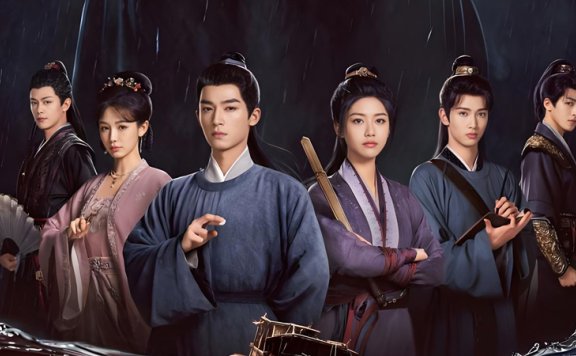
Move over predictable plots! The Wanted Detective (定风波) throws viewers into a whirlwind of shocking twists. Its latest arc, triggered by the discovery of a hidden chamber beneath Haiya City, rips open the sealed horrors of the Ningtai (宁泰) Thirty-Six Incident. At the heart of this storm stands Xiao Beiming (萧北冥), the brilliant detective of the Daqi Empire, whose own tragic origin is inextricably bound to the city's gruesome fate. His quest for justice becomes a desperate journey into his own nightmarish history. Orphan of Haiya Revered across Daqi, Xiao Beiming carries a hidden burden few suspect. Raised by the famed constable Zhong Yun Chi (钟云赤), he is, in truth, the sole known survivor of Haiya City's massacre. His very name whispers of his fractured past: "Xiao" honors his mother's lineage, while "Bei" in "Beiming" is a haunting inheritance from his father, Bei Hai (北海). This layered identity hints at deeper wounds. Just when the mystery seems complex enough, a seismic revelation shakes everything: Xiao Beiming has an older brother. This sibling remains a ghost in the narrative, a figure of immense power and terror hinted to be the elusive assassin known as the Night Wraith. Could the detective's own… -
What Secrets Do Your Clothes Whisper About the Seasons?
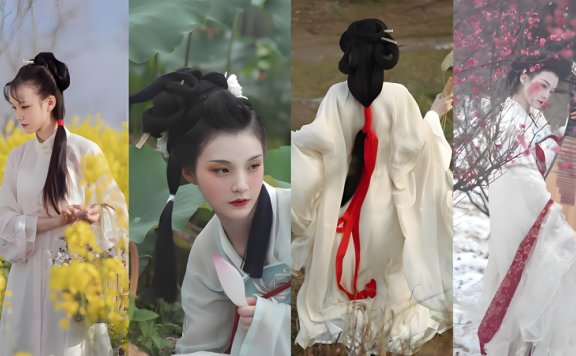
Beyond mere fabric and thread, traditional Hanfu served as ancient China's sophisticated dialogue with nature. Each season dictated distinct choices in material, cut, and decoration—a wearable language of weather wisdom. Far from rigid costume, it embodied practical adaptation: breathable linens for scorching summers, layered warmth for biting winters, and motifs celebrating nature's cyclical dance. These weren't random choices; they were intentional, elegant responses to the rhythm of the year, woven into the very soul of the attire. This intricate system transformed clothing into a living almanac, where Ramie signaled spring's arrival and padded Zhidanyi whispered of winter's chill. Spring's Light Embrace As winter's grip loosened, wardrobes shifted towards airy renewal. Ramie, a natural fiber prized for its coolness and breathability, became the cornerstone for short Ru jackets. This allowed ease of movement for tending fields or enjoying vibrant festivals. Soft hues like budding willow green and tender peach blossom pink dominated the palette. Delicate embroidery adorned collars and hems—slender willow branches unfurling or clusters of cherry blossoms in full bloom. Wearing this was like draping oneself in the season's essence, a tangible echo of the poetic sentiment, "spring robes are complete". The lightness wasn't just physical; it embodied the spirit… -
Tan Songyun: A White Silk Photoshoot at 35
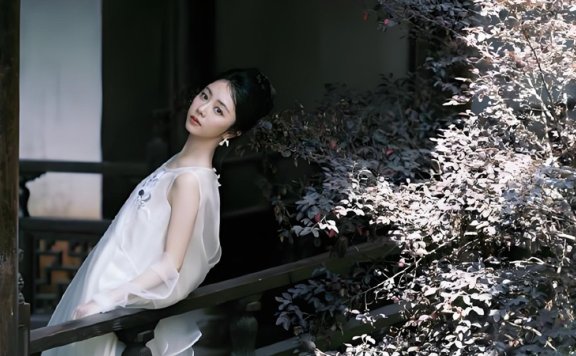
In the crisp autumn of 2025, Tan Songyun (谭松韵) unveiled a series of ethereal photos in white silk, blending traditional Chinese elegance with modern simplicity. Captured in a serene classical garden, these images sparked a social media frenzy, with fans clamoring for wallpapers and praising her timeless grace. At 35, she defies industry norms, showcasing how authenticity trumps artificial enhancements. This piece explores her stunning visuals, the viral response, and the broader conversation on age and beauty in entertainment. The Enchanting Visuals Tan Songyun appeared in flowing white silk robes, her hair elegantly tied back, embodying a goddess-like aura in a tranquil courtyard setting. Unlike flashy red-carpet styles, this minimalist approach featured no heavy makeup or extravagant accessories, highlighting her radiant skin and soft features. The photos exuded a calm, almost poetic vibe, with sunlight filtering through ancient trees as her gown billowed gently in the breeze. This choice emphasized natural beauty over digital perfection, resonating deeply in an era dominated by filters and edits. Her look drew sharp contrasts with past appearances, where elaborate outfits often overshadowed her innate charm. Here, the simplicity amplified her elegance, making every gesture feel authentic and unforced. Fans instantly noted how the ensemble… -
Power Plays Ignite Forbidden Passion in Legend of The Female General
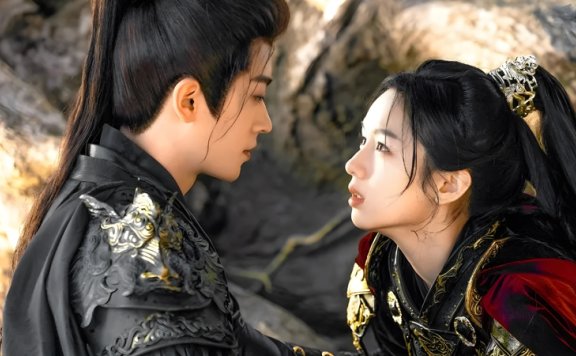
Political intrigue cuts deeper than swords in the riveting historical drama Legend of The Female General (锦月如歌). At its core lies the electrifying dynamic between military strategist Xiao Jue (肖珏) and disguised warrior He Yan (禾晏)—a dance of suspicion and desire where every glance holds lethal potential. Their connection thrives in the dangerous space between calculated manipulation and undeniable attraction, making their journey a masterclass in tension. Viewers find themselves ensnared not just by the plot's twists, but by the exquisite agony of two formidable souls navigating treacherous waters where vulnerability could mean death. This isn't mere romance; it's high-stakes emotional warfare waged under the watchful eyes of a crumbling dynasty. Masquerade of Trust He Yan's survival hinges on deception. Forced into male disguise after familial betrayal, she enters the military garrison of Ye Zhou (掖州), her delicate appearance belying lethal combat skills. Xiao Jue, scarred by his father's death at the Battle of Ming River, sees spies in every shadow. He targets the enigmatic new recruit, probing for weakness. Their enforced proximity becomes a crucible. A life-or-death underwater breath-sharing forces mouth-to-mouth contact—survival instinct blurring into awakening desire. A drunken stumble becomes an accidental embrace, physical collisions sparking unexpected heat… -
Mo Li: Bai Lu's Royal Power Play with Sharp Strategy
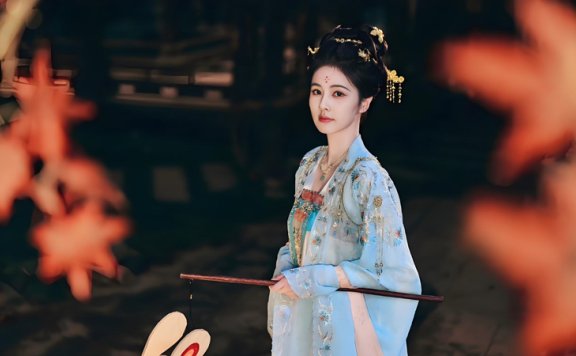
The buzz surrounding Mo Li (莫离) is impossible to ignore. Long before filming even wrapped, this historical political drama racked up over 500,000 reservations on Tencent Video, a testament to its white-hot anticipation. Adapted from the popular novel Sheng Shi Di Fei (盛世嫡妃), it thrusts a modern special forces operative into the treacherous court of ancient China. She finds herself reborn as Ye Li (叶璃), the legitimate daughter of a high minister, entangled in a political marriage with a seemingly docile prince, Mo Xiuyao (墨修尧). Directed by the acclaimed Lin Yufen (林玉芬), the series promises intricate power struggles, a fierce "power couple" dynamic, and a collision of modern wit against ancient intrigue. With Bai Lu (白鹿) taking on her first true scheming heroine role and Cheng Lei (丞磊) as her enigmatic counterpart, Mo Li isn't just aiming to be popular; it's poised to dominate. War Hero to Royal Game Player For Bai Lu, Ye Li represents a significant and welcome departure. While a staple in historical dramas, her recent roles often leaned towards ethereal "goddess" figures, particularly after the success of One and Only (周生如故). Mo Li shatters that mold. Ye Li is no passive beauty; she's a strategic powerhouse,… -
Liu Shishi’s Crimson-Haired Declaration of Self at 38
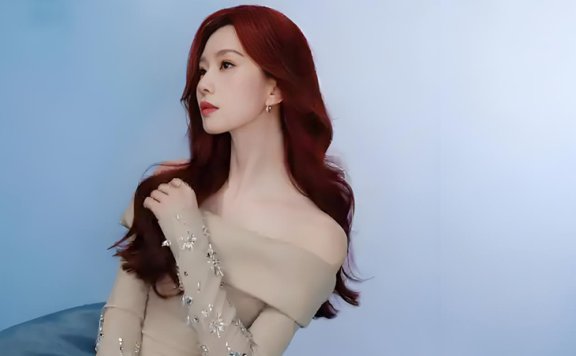
Imagine the shockwaves: Liu Shishi (刘诗诗), long synonymous with ethereal grace and porcelain-doll elegance, standing transformed. Gone was the delicate white gown, replaced by a vision of crimson hair cascading like liquid fire over bare, luminous shoulders – a stunning declaration as the "Ocean Princess." This wasn't a stylist's fleeting experiment; it was a deliberate, personal detonation within her carefully curated world. It whispered a question louder than any headline: What happens when the quietest force decides to roar? The Crimson Unveiling Witnesses describe a charged stillness settling over the set as she prepared. A soft smile, then the deliberate shrug of an outer garment. The shock of vibrant red tumbling down, framing shoulders exposed not for mere provocation, but as a canvas for raw power. Photographers froze, recalibrating their lenses to capture this unexpected eruption. This wasn't the gentle Liu Shishi of collective memory; this was a force emerging from the deep. Her mastery lay in minimalism. No theatrical gestures, just eyes holding depths as mysterious and potent as the sea itself. A subtle arch of the brow, a curve of the lip held in perfect tension – radiating a contained ferocity reminiscent of mythic sirens. This calculated restraint…