
What if a single brushstroke could rewrite reality? This is the foundational question at the heart of The Demon Hunter (沧元图), a phenomenon spanning web novel and animated series that has redefined the parameters of the Xuanhuan (玄幻) genre. Instead of traditional swords or elemental magic, its protagonist wields an ink-laden brush, turning the serene art of Shui Mo (水墨) painting into a devastating and beautiful form of combat. This fusion of classical Eastern aesthetics with high-stakes cultivation narratives creates a world where every battle is a masterpiece and every masterpiece is a battle, offering a visual and philosophical departure from the well-trodden paths of fantasy storytelling.
The Brush as Blade
At its core, The Demon Hunter is built on a revolutionary premise: artistic creation is the highest form of cultivation. The protagonist, Meng Chuan (孟川), does not simply learn spells; he internalizes the principles of composition, flow, and intent. His power is not drawn from an external well of energy but manifested directly from his artistic vision. A sweeping stroke might conjure a mountain range for defense, while a sharp, precise dot of ink could pierce an enemy's spiritual core. This system elevates the entire narrative, making every conflict a test of creativity and mental fortitude as much as raw power.
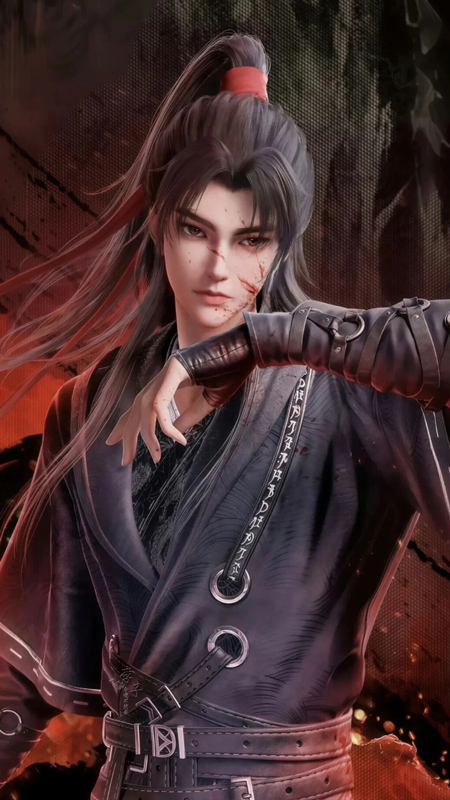
The visual language of the animation is its most direct tribute to this concept. Battles unfold not with blinding flashes of generic energy, but with the elegant, spreading patterns of ink on parchment. Defensive techniques resemble unfolding landscape scrolls, and attacks carry the sharp, deliberate grace of calligraphy. This approach grounds the fantastical action in a tangible, culturally rich aesthetic, providing a fresh sensory experience for audiences saturated with more conventional special effects. It is a world where beauty is not separate from power; it is power.
This "painting cultivation" system also serves as a powerful metaphor for personal growth. Meng Chuan's progression as a cultivator is intrinsically linked to his maturity as an artist and an individual. His early works might be straightforward and forceful, but as he experiences loss and gains wisdom, his artistic expressions—and thus his combat abilities—become more nuanced, layered, and profound. His journey suggests that true strength lies not in domination, but in understanding and mastering the subtle rules that govern both art and life.
A Tapestry of Lives
While Meng Chuan's quest provides the central thread, the world of The Demon Hunter is richly embroidered with compelling secondary characters who command their own narrative weight. The story deliberately shifts perspective, allowing the audience to inhabit the struggles and motivations of figures like Mei Yuanzhi (梅元知). Her story arc, marked by past tragedy and present resolve, is handled with a depth that transcends the role of a mere supporting character, generating profound emotional resonance with the audience.

This focus on a character ensemble prevents the narrative from becoming a monotonous chronicle of a single hero's invincibility. The conflicts feel larger because they are shared; the victories are more meaningful because they are collective. The animation, in particular, excels at using quiet, intimate moments to flesh out its cast, giving them distinct personalities and moral compasses that sometimes align and sometimes clash with Meng Chuan's own. The world feels lived-in and authentic because it is populated by individuals with their own dreams and destinies.
This approach creates a dynamic where the central theme of protecting the Cang Yuan Jie (沧元界) is not an abstract concept but a mission shouldered by a community. We see the cost of this struggle on different people, from different walks of life. It is this human element, this "temperature" of shared existence, that elevates the story beyond a simple power fantasy and into a more compelling exploration of sacrifice, loyalty, and what it truly means to belong to a world worth fighting for.
A Divided Legacy
The journey of The Demon Hunter from page to screen is a tale of two receptions. The original web novel, penned by the renowned author Wo Chi Xihongshi (我吃西红柿), concluded in a manner that left a segment of its dedicated readership dissatisfied. Many felt the narrative's rapid conclusion left numerous plot threads and foreshadowed elements unresolved, a casualty of the intense pressures serialized online writers often face. This "unfinished" feeling created a palpable divide in the fanbase.
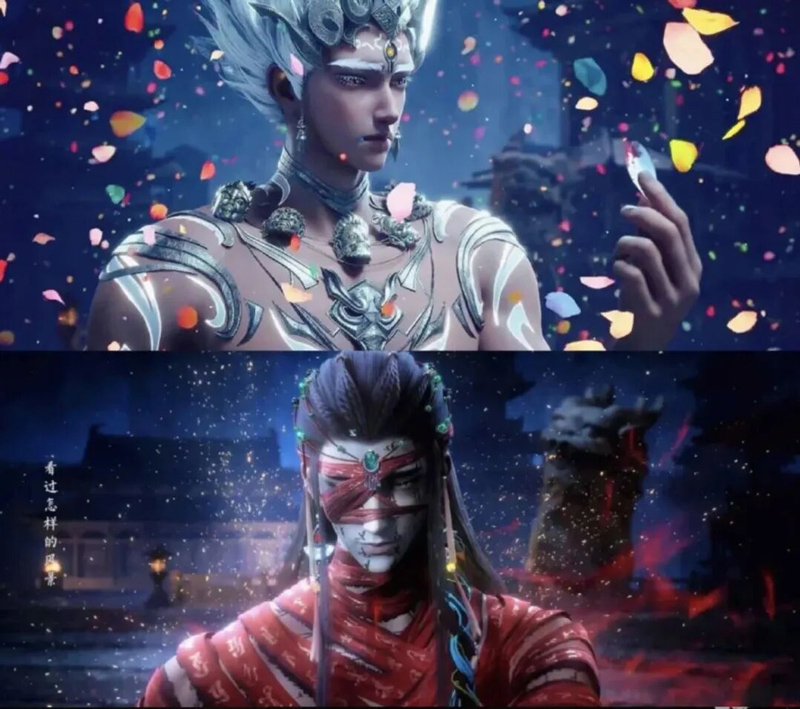
Yet, in a remarkable turn, the animated adaptation managed to reclaim the narrative. The producers recognized the unique visual potential of the source material and leaned heavily into the ink-wash aesthetic, transforming a perceived weakness into its greatest strength. The animation did not just illustrate the story; it reinterpreted and enhanced it, with pacing that heightened tension and a cinematic quality that made every episode feel like a curated visual experience. For many, the screen became the definitive version of the story.
This divergence between the novel and its adaptation presents a fascinating case study in modern IP development. It highlights how a story can be simultaneously flawed and brilliant, and how different mediums can serve to highlight or remedy different aspects of the same core idea. The success of the The Demon Hunter animation stands as a testament to the power of artistic vision in adaptation, proving that a faithful heart is sometimes more important than a slavishly literal translation, ultimately redeeming the world and its characters for a new and wider audience.