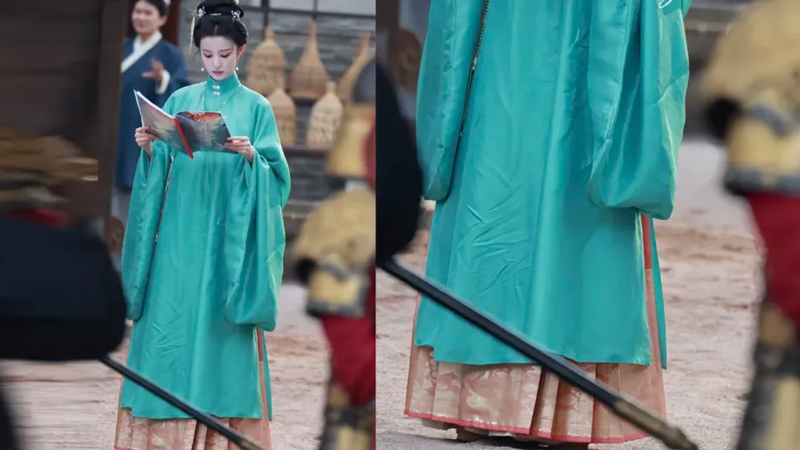
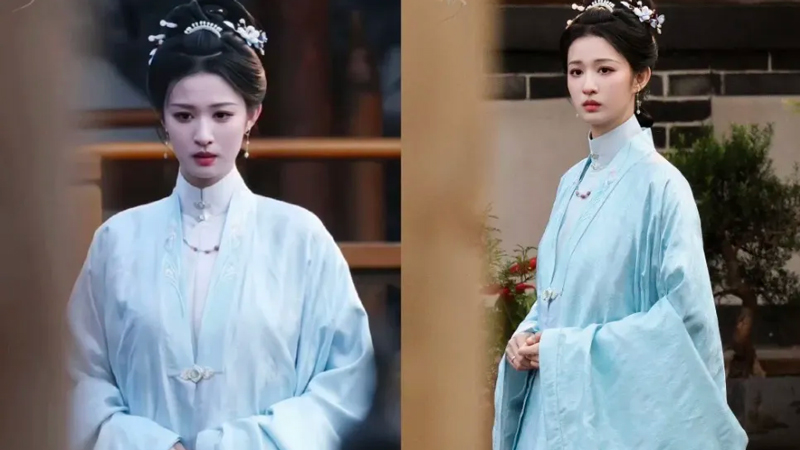
In the popular period drama The Ming Dynasty Youth (明月录), actress Wang Churan (王楚然) wears a long, flowing top that extends to her ankles, nearly obscuring the skirt beneath. This styling choice has sparked online debates about historical accuracy and fashion sense. Viewers question whether such lengthy garments were common in ancient times and if they diminish the visual appeal of traditional attire like the horse-face skirt. The discussion highlights a broader curiosity about how historical clothing influences contemporary costume design in television. This article explores the origins and significance of these elongated tops, tracing their roots to the late Ming Dynasty and examining their modern reinterpretations.
Historical Roots
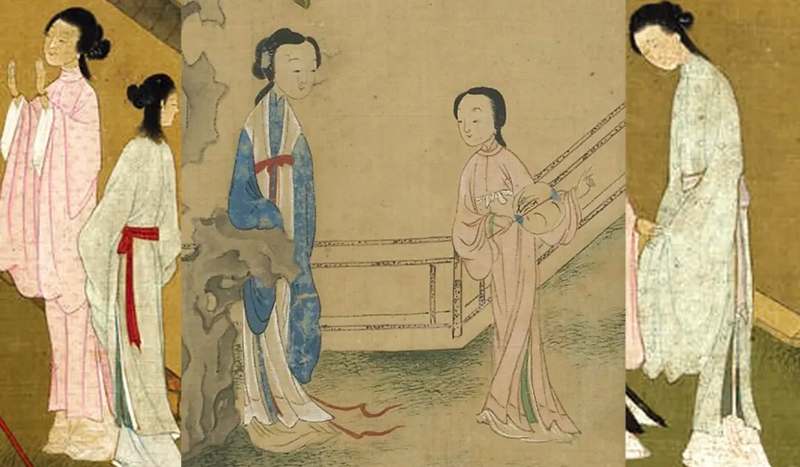
During the late Ming period, particularly after the mid-Jiajing (嘉靖) era, women's fashion saw a shift toward longer, more subdued garments. Historical records, such as those by scholar Yang Shen (杨慎) in his work Sheng'an Waiji (升庵外集), note that women's tops resembled men's attire in length, often hanging just above the ground. This style emphasized a slender, effortless silhouette, with sleeves so wide they could span over a meter. The trend reflected societal changes, as economic pressures led to a preference for simplicity over opulence. Garments from this era, like those preserved in the Kong Family Mansion (孔府) collection, typically measured between 110 and 135 centimeters, tailored for heights similar to modern women.
Archaeological studies, including research on tombs in the Jiangnan (江南) region, confirm that long robes dominated women's wardrobes in the mid-to-late Ming Dynasty. Shorter jackets, ranging from 56 to 96 centimeters, were reserved for outer layers or specific occasions. This variation in length illustrates how clothing served both practical and symbolic purposes, adapting to daily life while conveying social status. The elongation of tops was not merely aesthetic but also a response to evolving cultural norms, where women embraced garments that offered comfort and a sense of individuality amid changing times.
The late Ming preference for longer tops aligned with a broader cultural shift toward understated elegance. Unlike the vibrant, intricate designs of earlier periods, these garments featured muted colors and minimalist details. This transition mirrored the dynasty's gradual decline, as people sought solace in fashion that emphasized personal expression over collective display. The style's endurance in artifacts and texts underscores its importance in understanding Ming society, where clothing became a canvas for reflecting inner resilience and adaptability.
Visual Appeal
The elongated top creates a striking visual effect, enhancing the wearer's height and imparting a graceful, languid aura. In The Ming Dynasty Youth, Wang Churan's costume drapes naturally, with sleeves cascading to her sides, evoking the "A-line" shape described in historical accounts. This design contrasts with shorter styles seen in other productions, such as Chen Duling's (陈都灵) attire in The Glory (雁回时), where some critics felt the proportions were less balanced. The precise tailoring in The Ming Dynasty Youth achieves a harmonious look, highlighting how historical accuracy can enhance modern storytelling.
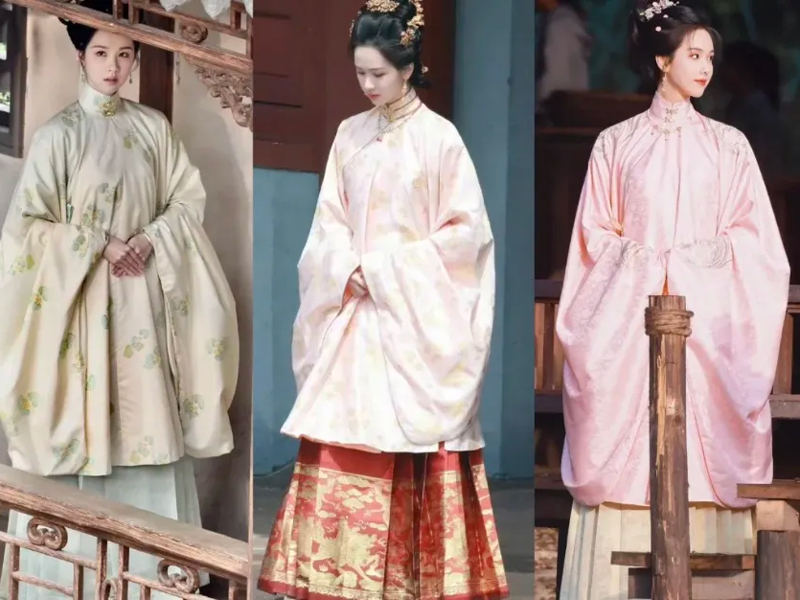
Audience reactions to these costumes often focus on their aesthetic balance. The long top, paired with subtly visible skirts, draws attention to movement and form, creating an illusion of effortless elegance. This approach resonates with contemporary fashion trends that prioritize fluid lines and minimalist silhouettes. By integrating historical elements, costume designers bridge past and present, allowing viewers to appreciate the artistry behind each garment without sacrificing visual engagement.
Moreover, the color palette in late Ming fashion—often soft, earthy tones—complements the elongated cuts, reinforcing a sense of tranquility. This subtlety allows the clothing to speak through its shape rather than ornate decorations, making it relatable to modern audiences who value understated style. The visual harmony achieved in these designs demonstrates how historical fashion can inspire current creative expressions, fostering a deeper connection to cultural heritage.
Modern Interpretations
Today, the influence of late Ming fashion extends beyond screen costumes into everyday style. Designers and enthusiasts draw inspiration from these elongated tops, adapting them for contemporary wear that emphasizes comfort and sophistication. The trend appeals particularly to those with taller, slender frames, as the vertical lines create a flattering, elongated effect. Social media platforms buzz with discussions about how to incorporate such historical elements into modern outfits, blending tradition with personal flair.
In television and film, the revival of Ming-style costumes reflects a growing interest in authentic historical representation. Shows like The Ming Dynasty Youth educate viewers on past fashion while entertaining them, sparking curiosity about broader cultural contexts. This engagement encourages a reappraisal of how clothing shapes identity, both in history and today. By showcasing these styles, media productions contribute to a renewed appreciation for traditional craftsmanship and its relevance in the digital age.
Ultimately, the debate over Wang Churan's top symbolizes a larger conversation about cultural continuity. As audiences question and explore these designs, they participate in keeping history alive, transforming ancient aesthetics into living art. This dynamic interplay between past and present ensures that fashion remains a powerful medium for storytelling and self-expression, inviting everyone to find beauty in evolution.