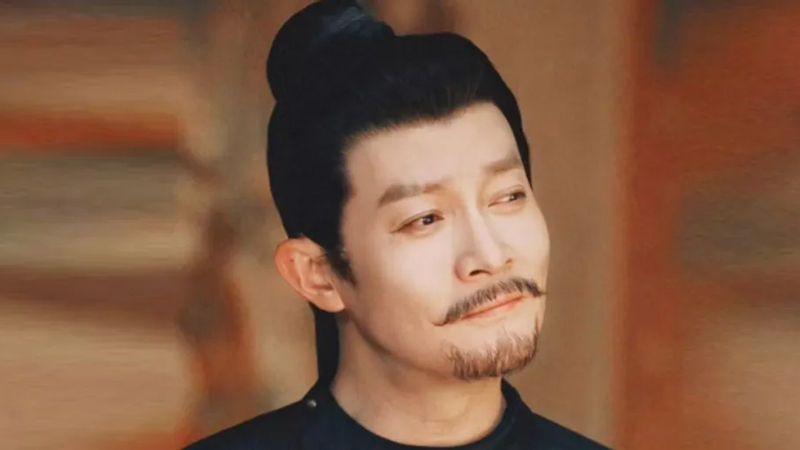
In ancient China, a luxuriant beard was the ultimate symbol of masculine maturity and charm. Historical portraits and literary classics are filled with descriptions of venerable men distinguished by their impressive facial hair. Yet in contemporary China, from the bustling streets of Shanghai to the screens of popular television dramas, the bearded face has all but disappeared. This shift raises a compelling question about the evolution of male aesthetics. Why has a feature once so central to a man's identity fallen so dramatically out of favor? The answer lies at the intersection of changing beauty standards, media influence, and a fundamental redefinition of what constitutes male attractiveness today.
Historical Significance
For centuries, facial hair was far more than a simple biological trait; it was a powerful social signifier. In the hierarchy of classical aesthetics, a fine beard indicated wisdom, virility, and social standing. Historical texts and paintings consistently depict revered figures, from scholars to generals, adorned with beards. The legendary warrior Guan Yu (关羽), a central character in the Romance of the Three Kingdoms (三国演义), is famously remembered as the "Gentleman with the Beautiful Beard." His long, flowing beard was an integral part of his formidable and honorable image, a direct reflection of his character and strength.
The cultivation of facial hair was treated with the same care as a woman's hairstyle. Men would meticulously groom, trim, and even style their beards. During the Wei (魏) and Jin (晋) dynasties, it became fashionable for aristocrats to braid their beards into intricate plaits. This practice was not about neglect but about conscious adornment and personal expression. A well-kept beard was a mark of refinement and self-respect, a crucial element of a gentleman's public presentation.
The importance placed on beards is starkly illustrated by its symbolic power for those who could not grow one. In some historical dramas, eunuch characters, in certain situations, might wear false beards to project an image of masculine normalcy and authority they otherwise lacked. This fictional trope underscores a painful truth: for these individuals, the beard was not just an accessory but a potent emblem of a male identity that was permanently out of reach, making its symbolic value all the more profound.
Shifting Ideals
The dramatic change in perception began with the slow erosion of the beard's traditional symbolic meaning. As China modernized and globalized, its aesthetic ideals were influenced by new, international standards of beauty. The rugged, mature masculinity represented by a beard was gradually supplanted by a preference for youthfulness, neatness, and a more "clean-cut" appearance. This new ideal prioritized a smooth, boyish charm over the weathered visage of a patriarch, reflecting a broader cultural pivot towards modernity and vitality.
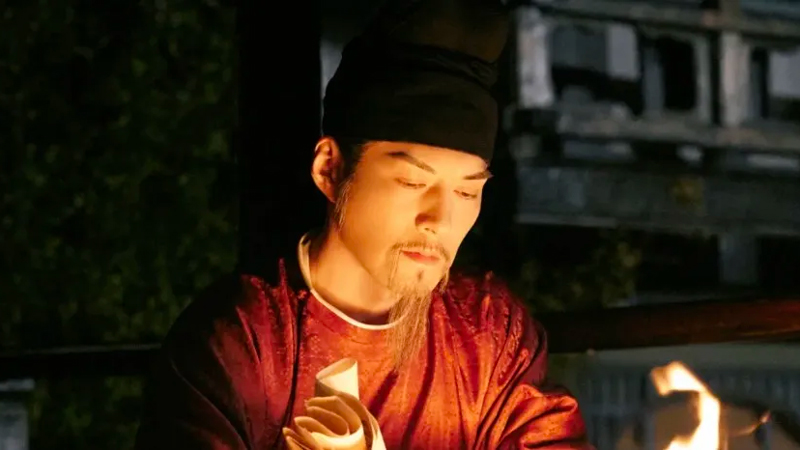
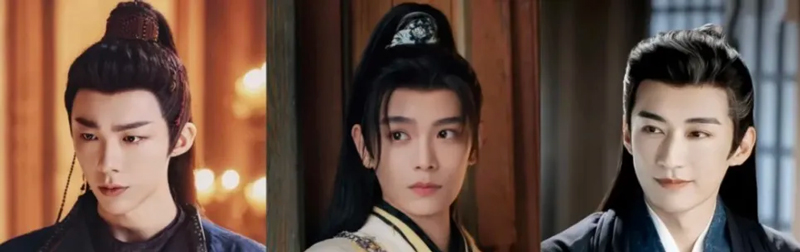
This visual transformation is most evident in the world of entertainment. Contemporary historical and Wuxia series, such as the hit drama Nirvana in Fire, almost exclusively feature male protagonists with completely smooth, chiseled jaws. These characters, despite their roles as hardened soldiers or cunning strategists, maintain an impeccably groomed look. The production choice is deliberate, designed to appeal to a young audience that associates attractiveness with a specific type of polished, almost ethereal, male beauty, leaving no room for the grittiness of stubble.
When beards do appear on screen, they are often relegated to older, secondary characters or used as a temporary marker of a protagonist's distress, such as during a period of imprisonment. However, even this portrayal is inconsistent. It is common to see a character emerge from days or weeks of captivity without a single visible hair, their flawless complexion intact. This inconsistency reveals a deep-seated anxiety among producers that facial hair might detract from the actor's appeal, making the character appear unkempt or older than intended, thus breaking the audience's immersion in the character's youthful heroism.
Modern Portrayals
The pressure to remain clean-shaven extends far beyond the screen into everyday life. In corporate China and most professional settings, a beard is often viewed as unprofessional or sloppy. The expectation for men to present a neat, controlled appearance is paramount, making daily shaving a non-negotiable ritual for many. This societal preference reinforces the idea that beards belong to a bygone era, incompatible with the sleek, efficient image of modern China. The message is clear: to be successful and integrated, a man must be bare-faced.
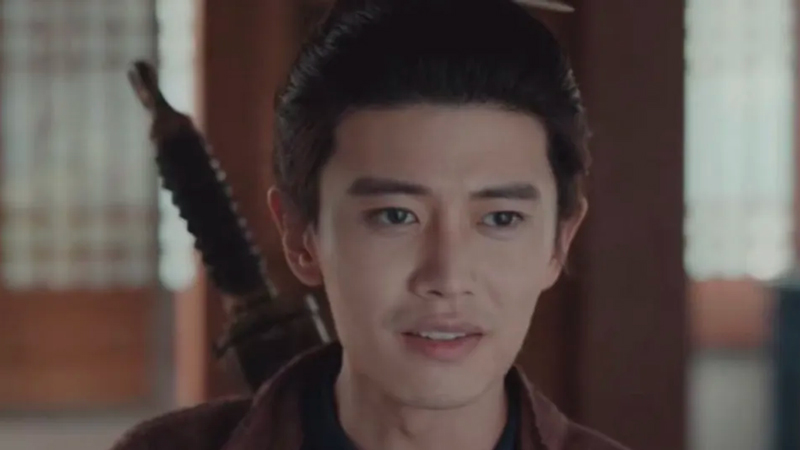
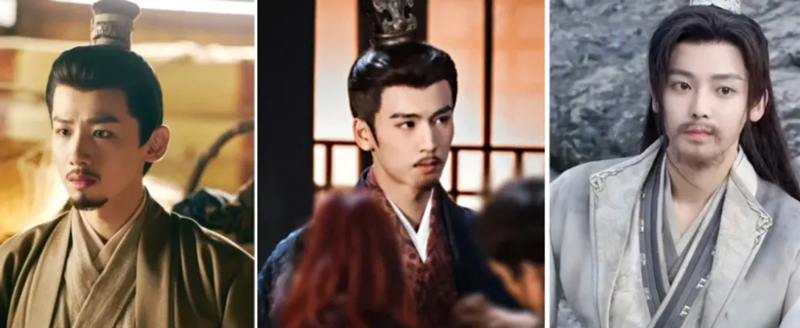
There are, however, small signs of a potential shift. A handful of critically acclaimed productions that rely less on pure "eye candy" appeal have begun to experiment with more realistic character designs. In these series, a protagonist might sport stubble or a short beard, and it is presented not as a flaw but as a natural part of his character's journey. This subtle change demonstrates that facial hair, when well-integrated, can add depth, texture, and a touch of rugged realism to a character without diminishing their appeal, suggesting a possible avenue for broader aesthetic acceptance in the future.
Ultimately, the near-disappearance of the beard from the Chinese male face is a story about the changing face of masculinity itself. It marks a move away from the Confucian ideal of the wise elder and towards a globalized standard of perpetual youth and polished perfection. While the bearded generals of antiquity may gaze down from ancient scrolls with silent dignity, their modern counterparts have traded facial hair for a razor, reflecting a new chapter in the long and evolving story of Chinese male identity.