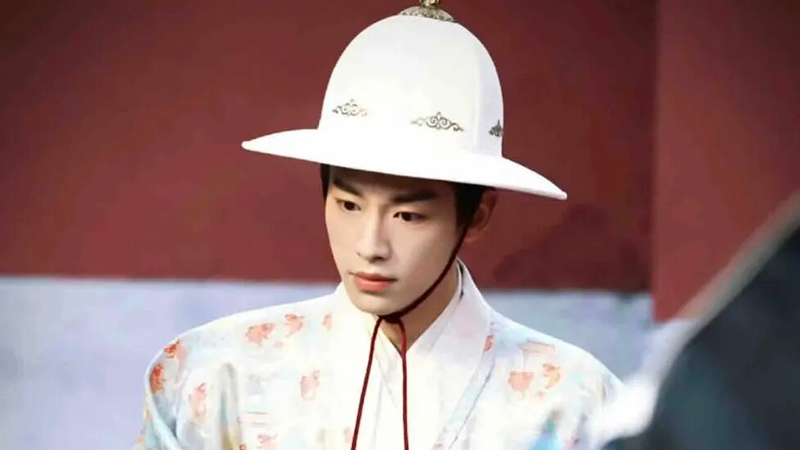
When Xin Yunlai (辛云来) appeared in behind-the-scenes photos for the new historical drama The Ming Dynasty Youth (明月录), set in Ming Dynasty China, social media erupted with comments about his costume. Many users claimed his wide-brimmed hat resembled styles from Korean historical dramas, igniting a debate over cultural influences. However, this headwear is actually a traditional Chinese item known as Damao (大帽), commonly worn by scholars and officials during the Ming era. This misconception highlights a broader issue where media portrayals can blur historical origins, leading audiences to misattribute cultural elements.
As historical shows gain global popularity, understanding the authentic roots of such attire becomes crucial for preserving heritage and fostering accurate cultural appreciation. The drama, starring Xin Yunlai and Wang Churan (王楚然) in their first Ming-era collaboration, serves as a reminder that entertainment can shape perceptions, making it vital to delve into the facts behind the fashion.
Hat Origins
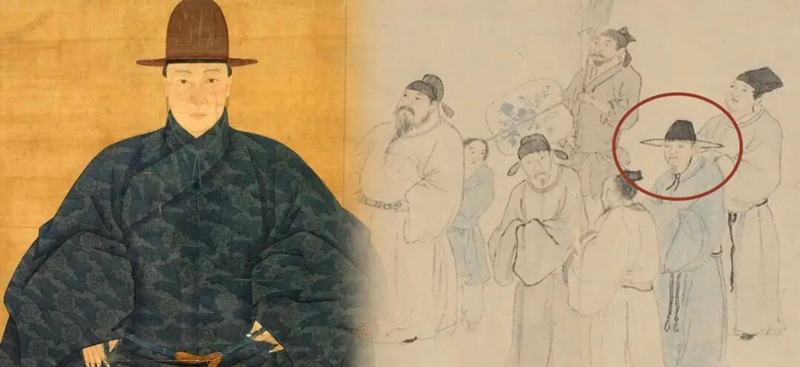
The Damao featured in The Ming Dynasty Youth is characterized by its broad, straight brim and varied shapes, from tall to short, and round to nearly square. Crafted from materials like bamboo, palm leaves, or felt, it was designed for practicality, offering protection from sun and wind during outdoor activities. This hat became a staple for Ming scholars, symbolizing elegance and status. Its design traces back to the Yuan Dynasty, evolving under Ming rule to reflect Han Chinese identity. Unfortunately, many viewers associate it with Korean dramas due to similar hats in those shows, but the Damao's origins are firmly Chinese, not imported.
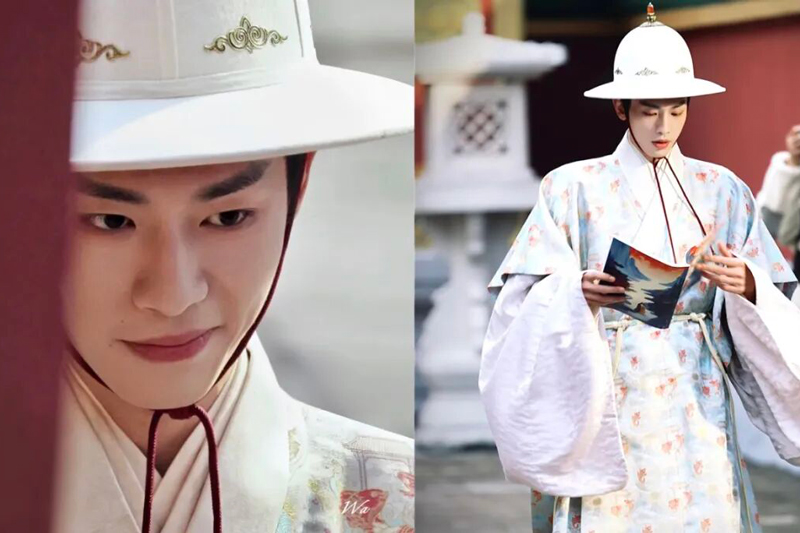
During the early Ming period, the Damao often included decorative bead strings that hung near the chin, but these were abolished by Emperor Yingzong's (英宗) reign as part of efforts to distance from Mongol influences. Instead, ropes or ties were used to secure the hat, marking a shift in cultural expression. In contrast, Korean adaptations, such as the black hats seen in historical series, retained and even embellished these beads, creating a distinct look that now dominates popular imagination. This divergence explains why some mistake Xin Yunlai's hat for Korean style, but historical records confirm its Chinese pedigree.
Other hat variants add depth to this narrative. The Zha Yan Mao (奓檐帽), with its inwardly folded brim, was popular in early Ming times, while the Xuan Mao (宣帽) emerged later as a cylindrical style often worn by military figures. Some versions featured feathers on the sides, a decoration that dates to the Eastern Han Dynasty and was reserved for Wu Bian Grand Crown (武弁大冠), or military caps. Although Korean dramas sometimes depict higher-crowned hats with straight feathers, these elements originated in China, demonstrating how cultural exchanges can lead to lasting misconceptions without proper context.
Style Evolution
Ming Dynasty fashion extended beyond hats to include garments like the Tieli (贴里) and Dahu (搭护), which Xin Yunlai's character wears in The Ming Dynasty Youth. These items were typical for scholars, combining functionality with refined aesthetics to convey social rank. The Tieli, a long robe, and Dahu, an outer coat, were part of a cohesive ensemble that emphasized harmony and propriety. As Chinese culture flourished during the Ming era, its influence radiated across East Asia, with neighboring regions like Korea adopting and adapting these styles into their own traditional wear.
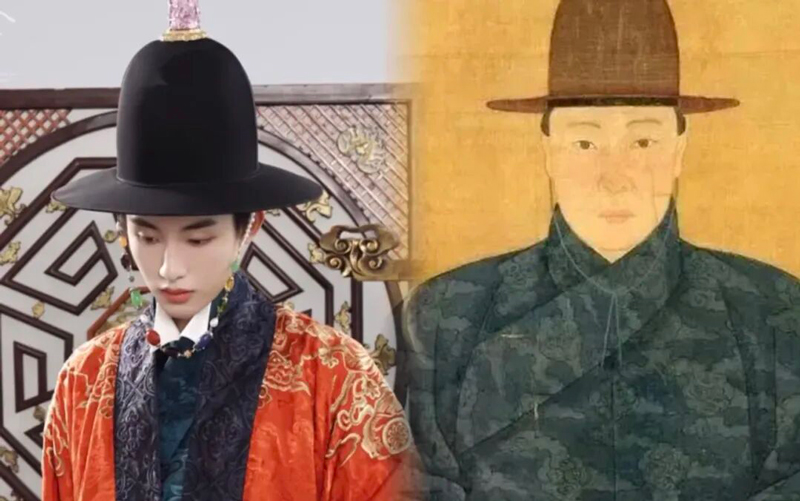
Korean historical dramas, which gained early international traction, have played a significant role in shaping modern perceptions of East Asian attire. Audiences now often link specific hats and robes to Korea, unaware that many designs stem from Ming China. This isn't about claiming ownership but about recognizing historical accuracy. The Ming Dynasty, as a cultural powerhouse, exported fashion trends that were integrated into local practices, yet media dominance has sometimes reversed this narrative in the public eye.
In The Ming Dynasty Youth, the production team's attention to detail, from hats to full costumes, aims to recreate authentic Ming aesthetics. By consulting historical texts and artifacts, they counter simplistic or hybridized designs that appear in other shows. This effort not only enhances the drama's visual appeal but also educates viewers about a pivotal era. As global interest in Chinese history grows, such accurate representations help rectify misunderstandings and celebrate the richness of Ming cultural contributions.
Audience Impact
Television and digital platforms have transformed how people learn about history, especially for younger generations who absorb visual information quickly. When children watch series like The Ming Dynasty Youth, they form impressions of the past based on what they see, making accurate costume design more than just aesthetic—it's educational. The controversy over Xin Yunlai's hat underscores how entertainment can influence cultural awareness, potentially reinforcing errors if not addressed with care.
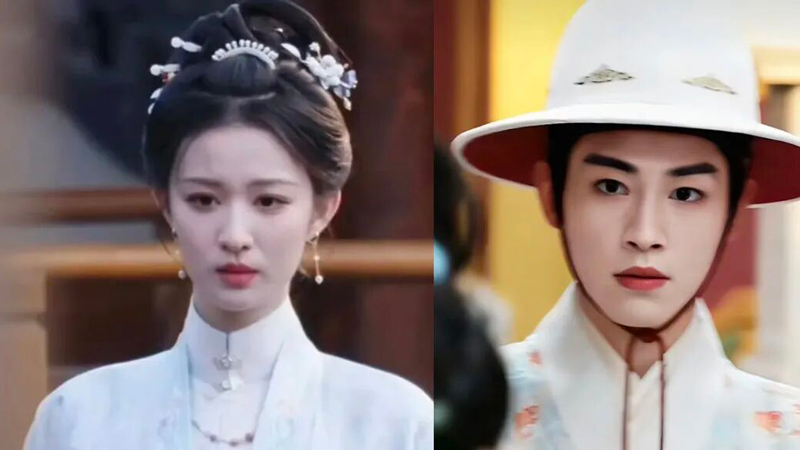
To combat misconceptions, filmmakers and viewers can work together to prioritize historical fidelity. Investing in research for costumes and sets acts as a form of cultural preservation, turning dramas into tools for enlightenment. As stories from the Ming Dynasty reach wider audiences, they offer chances to explore authentic traditions, sparking curiosity beyond the screen. For instance, discussing the Damao's evolution in online forums can lead to deeper discussions about Chinese history and its global connections.
Ultimately, the debate surrounding The Ming Dynasty Youth reflects a larger dialogue about identity in a connected world. By accurately portraying elements like the Damao hat, the entertainment industry helps reclaim narratives that might otherwise be lost or misrepresented. This approach encourages viewers to engage critically with media, transforming passive consumption into active learning. As we enjoy these dramas, supporting efforts to highlight true cultural roots ensures that diverse histories are honored and remembered for future generations.