Article
Search results:
-
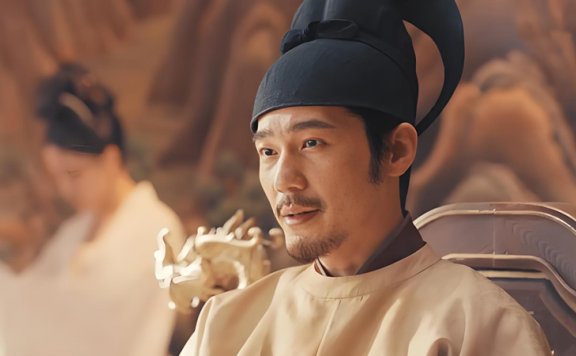
The Agony of Peace in Swords into Plowshares
For weeks, viewers have been glued to the historical drama Swords into Plowshares (太平年), watching the tense political standoff between the Song Dynasty and the Wuyue Kingdom. As the series barrels toward its finale, all eyes are on Qian Hongchu (钱弘俶), the King of Wuyue (吴越), and his monumental decision to surrender his land and power. But beneath the surface of grand ceremonies and imperial favor, a darker game of ambition and betrayal was being played. The final episodes reveal that the true master of strategy was not the charismatic Emperor Zhao Kuangyin (赵匡胤), but his seemingly loyal brother, Zhao Guangyi (赵光义). His act of holding the reins for Qian Hongchu was not a sign of respect, but a calculated move in a decades-long plan for absolute power. The Impossible Decision: Surrendering a Kingdom Qian Hongchu’s journey toward Natu Guisong (纳土归宋), the act of surrendering his territory to the Song Dynasty, was paved with immense personal and political turmoil. For the King of Wuyue, this was not a simple handover but a heart-wrenching choice between the pride of his ancestors and the safety of his people. He knew that resistance would mean rivers of blood, yet submission felt like a… -
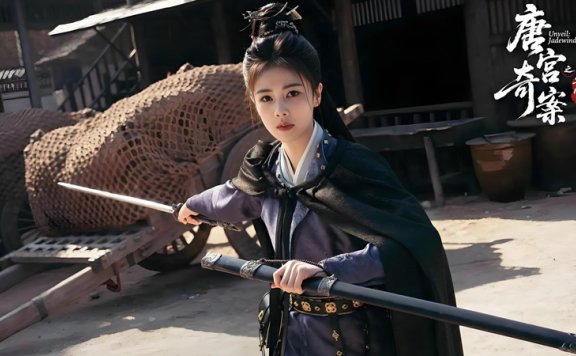
Success or Just Style Over Substance in Unveil: Jadewind?
In a television landscape saturated with period dramas that often feel like they rolled off an assembly line—complete with interchangeable plots, sugary romances, and a heavy dose of déjà vu—a new contender has arrived making some serious noise. Unveil: Jadewind (唐宫奇案之青雾风鸣) has stormed onto Youku and CCTV-8, immediately capturing attention with blockbuster premiere data. But as the initial excitement settles, a more complicated picture emerges. The series finds itself at the center of a heated debate: is it a refreshingly innovative entry that raises the bar for the ancient drama genre, or is it simply the same old formula dressed up in expensive new clothes? The answer, much like the mysteries within the show, requires a closer look beyond the surface. Data vs. Debate: A Tale of Two Realities The numbers don't lie, and for Unveil: Jadewind, they tell a story of undeniable success. The drama premiered to a peak CCTV-8 viewership rating of 1.3% and crushed platform expectations by surpassing 9500 in popularity on Youku within hours . Attracting 54 sponsors across just four episodes, its commercial appeal is crystal clear. This isn't just fan service; these metrics point to a broad audience base willing to stay up late… -
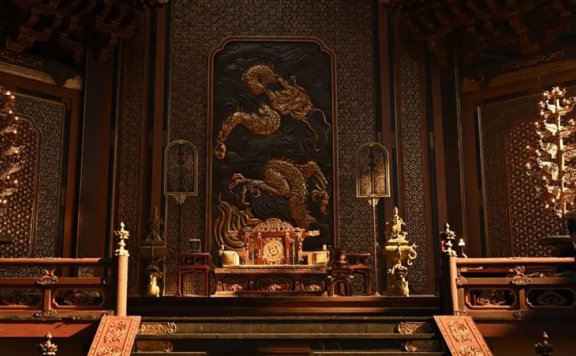
How Dare You: Two Modern Souls Trapped in a Novel World
What if you woke up one day not just in another time, but inside a story where everyone is watching you? The new Chinese costume drama How Dare You (成何体统) takes this idea and twists it into something fresh. Starring Wang Churan (王楚然) and Cheng Lei (丞磊), the show initially looks like a light-hearted romantic comedy with time-travel elements. However, beneath its humorous surface lies a surprisingly poignant story about loneliness and identity. The series has captured attention not only for the leads' stunning historical attire but also for a unique narrative hook: the moment when the female lead, Yu Wanyin (庾晚音), speaks a single sentence that brings the male lead, Xiahou Dan (夏侯澹), to tears. It is a story about two modern souls finding each other in the most unexpected and desperate of circumstances. Alone in a Strange World: A Boy Forced to Become a Tyrant The brilliance of How Dare You lies in its backstory. The male lead, Xiahou Dan, is not a typical emperor. He is, in fact, a modern middle school student who inexplicably traveled into this novel world during his youth. Imagine a child, armed only with a basic modern education and a sense of… -
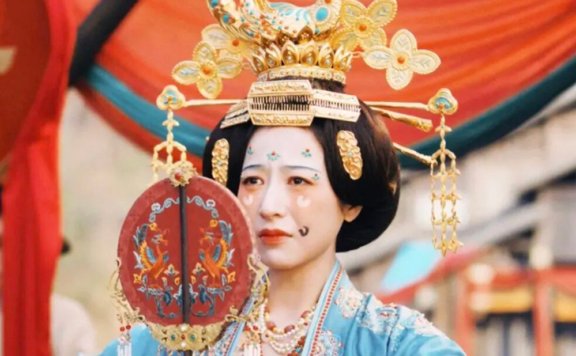
The Wardrobe Controversy of Swords into Plowshares
Can a 10th-Century Drama Get 10th-Century Costumes Right? A Look at Swords into Plowshares's (太平年) Wardrobe Controversy Period dramas walk a tightrope between historical authenticity and artistic license, but when a production explicitly promotes itself as a showcase for traditional Chinese clothing, the stakes become much higher. The recent buzz surrounding the drama Swords into Plowshares offers a fascinating case study. Viewers were deeply moved by the wedding scene of characters Jiu Lang (九郎) and Sun Taizhen (孙太真), yet eagle-eyed history enthusiasts quickly spotted a glaring problem: the costumes on display seemed to span three centuries of fashion history. This isn't just a minor quibble for pedants; it gets to the heart of how we represent the past on screen. The scene features Yu Daniangzi (俞大娘子), a figure based on a late Tang dynasty (唐朝) personality, wearing a headpiece popular during the Sui (隋) to early Tang periods, while Sun Taizhen (孙太真) herself is adorned in the style of a mid-to-late Five Dynasties and Ten Kingdoms period donor from the Dunhuang (敦煌) Murals. The visual effect, as one commenter noted, is akin to a relative in 1920s attire congratulating someone dressed in modern fashion. This jarring combination undermines the very… -
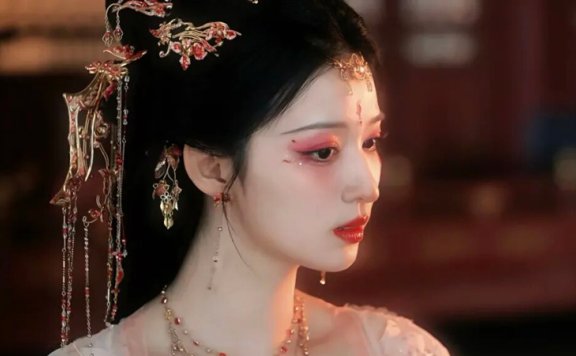
The Visual Art of Yu Wanyin’s Iconic Look
After roles like the gentle Liu Miantang (柳眠棠) in Are You the One (柳舟记) and the fiery Zhang Bihan (张妼晗) in Serenade of Peaceful Joy (清平乐), actress Wang Churan (王楚然) seemed to many viewers like the quintessential "pleasant white rabbit" of Song dynasty aesthetics. Her image was one of clean lines, delicate beauty, and a certain approachable elegance. This made her latest transformation all the more shocking. In the new hit series How Dare You (成何体统), she emerges not as a demure maiden, but as Yu Wanyin (庾晚音), a character the internet has unanimously dubbed a "seductive concubine" or Yao Fei (妖妃). This isn't just a new role; it's a complete visual and persona overhaul. How did the creative team behind the series and Wang Churan herself engineer this mesmerizing metamorphosis from approachable Song-style beauty to an unforgettable, almost otherworldly seductress? The answer lies in a deliberate and masterful deconstruction of her previous image, using bold makeup, unique accessories, and a strategic embrace of visual extravagance. The Eyes of a Fox Spirit The most immediate and arresting change is in her eyes. In How Dare You, Wang Churan's eye makeup is a departure from the clean, understated looks of her… -
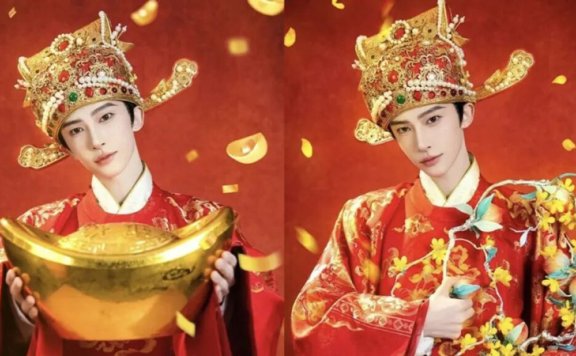
Liu Yu's Cai Shen Outfit on Spring Festival Gala
When Liu Yu (刘宇) appeared on Henan (河南) Satellite TV's Spring Festival Gala dressed as Cai Shen (财神), the God of Wealth, social media lit up. It wasn't just his performance that caught the eye, but the outfit itself. With a glittering hat adorned with golden coins, a vibrant red round-collared robe, and a gleaming gold ingot in hand, the look was unmistakable. This costume raises a fascinating question: Where did this instantly recognizable image of the God of Wealth come from? It's a uniform look we see on TV, in folk art, and on New Year paintings. Yet, a deep dive into history reveals this "classic" look is a relatively modern invention, shaped by centuries of artistic imagination and theatrical flair. Gods Dressed by Imagination To understand the God of Wealth's hat, one must look at ancient religious art. The signature hat isn't a historical official's cap but a creative evolution of the Ming-style Fu Tou (幞头) headwear. In Yuan and Ming dynasty religious paintings like the famous Court Procession (朝元图), artists depicted deities in spectacular, otherworldly attire. While they borrowed elements from real-life clothing, they amplified them with imaginative details. These paintings show gods wearing crowns adorned with… -
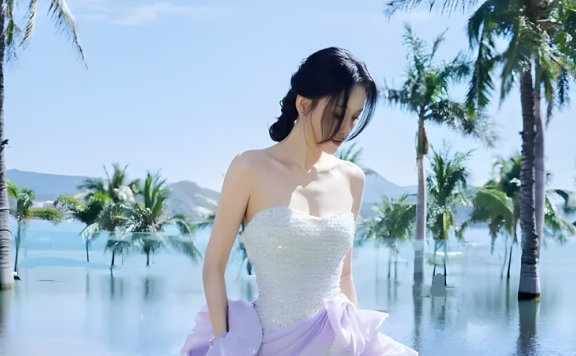
Joe Chen’s Stunning White & Purple Mermaid Gown in Hainan
At 46, Taiwanese actress Joe Chen has once again captured the public's attention, not with a new drama, but with a stunning beach look that has sparked widespread discussion. In an industry obsessed with ageless beauty, she presents a compelling case study: how does a star maintain relevance and freshness after decades in the spotlight? Her recent appearance in Hainan, featuring a white and purple mermaid dress, offers more than just a fashion moment. It reflects a deliberate evolution in personal style, a shift in life priorities, and the palpable influence of a fulfilling marriage. A Symphony in White and Purple The setting was a sun-drenched Hainan island, with swaying coconut palms and clear blue waters providing a natural backdrop. But the real spectacle was Joe Chen. She wore a custom-fit, strapless mermaid gown, its silhouette hugging her form before flaring gently at the hem. The dress was covered in shimmering silver crystals that caught the sunlight, making her appear as if she had gathered fragments of the beach's sparkle. Yet, the masterstroke was the large, three-dimensional purple gauze flower adorning her waist. This soft lavender element tempered the dress's inherent glamour, adding a layer of ethereal grace. It was… -
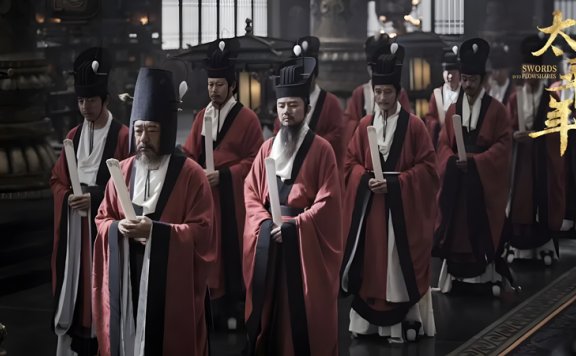
Swords into Plowshares: The Brainy Historical Epic Worth the Effort
Starting Swords into Plowshares (太平年) feels less like leisure and more like an abrupt dive into a historical labyrinth. It opens with a brutal scene that grabs attention, but soon swaps simplicity for dense, semi-classical dialogue and a whirlwind of political factions. Viewers find themselves in the tumultuous Five Dynasties and Ten Kingdoms, a period so briefly taught that even dedicated students feel lost. This complexity splits audience opinion. On Douban (豆瓣), criticism centers on confusion, while praise highlights intellectual reward. Meanwhile, Xiaohongshu users fervently exchange explanatory notes, treating each episode as a puzzle. Its top-tier ratings, including from CVB, show a curious trend: many embrace the mental exertion. The drama questions modern viewing habits. Instead of passive consumption, it insists on engagement, making its difficulty not a barrier but a distinctive, debated feature of its identity. Patience Rewarded: Chaos Unveils Historical Depth Many television shows try to make viewing easy. The new series Swords into Plowshares does the opposite. It presents a sprawling, complex narrative set in a tumultuous historical period, demanding focus and patience from its audience. This initially daunting approach has divided viewers, but for those who persist, a rich and rewarding story unfolds. The Confusing Opening… -
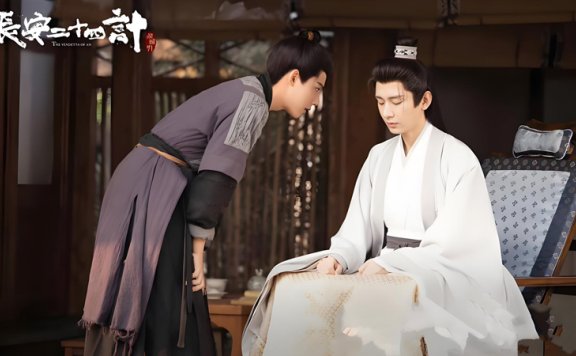
5 Must-Watch Chinese Costume Dramas Shaping a New Narrative Trend
The landscape of Chinese costume drama is undergoing a quiet but significant evolution. As evidenced by five recent standout series, the genre is moving beyond epic battles and fantastical romance toward a new paradigm defined by intellectual depth and narrative precision. These shows—from investigative procedurals to historical political dramas—prioritize specialized knowledge, mature character dynamics, and sophisticated genre blending. Their collective success, often fueled by word-of-mouth rather than sheer promotional might, signals a discerning audience appetite for substance. This trend marks a maturation of the genre, where compelling storytelling is built not on scale, but on the solid foundations of logic, character integrity, and innovative conceptual hooks. The Imperial Coroner 2 (御赐小仵作2) The sequel to the sleeper hit The Imperial Coroner demonstrates that a loyal audience awaits well-crafted stories. The Imperial Coroner 2 reunites the original cast after five years, a rare move that pays off by preserving the unique dynamic fans loved. The series follows the married forensic examiner Chu Chu (楚楚) and her husband, the imperial official Xiao Jinyu (萧瑾瑜), as they lead the judicial department. Their partnership now operates on both professional and personal levels. What sets this show apart is its effortless blend of a tightly-plotted investigative… -
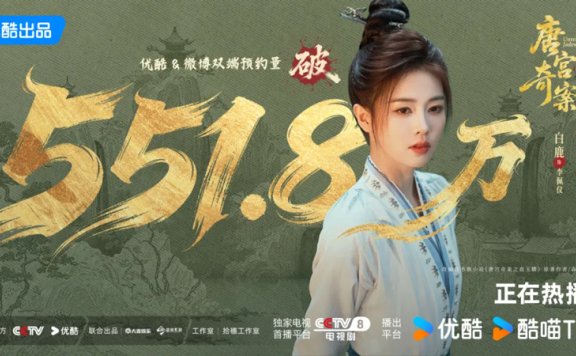
A Tang Palace Mystery Rooted in Female Grit in Unveil: Jadewind
Amidst a sea of predictable plots, Unveil: Jadewind (唐宫奇案之青雾风鸣) introduces a compelling shift by anchoring its story in procedural realism and female expertise. Set within the intricate bureaucracy of the Song (宋) dynasty, it follows Zhao Ming (赵明), a meticulous investigator whose authority stems from her deep understanding of court protocols. She dissects clues without supernatural aid, relying instead on astute observation and logical deduction. Here, the palace operates as a structured institution, with clear roles and responsibilities. Zhao Ming's collaboration with Scholar Li (李学者) emphasizes professional synergy over romantic entanglement, reflecting a modern approach to partnership. The narrative avoids sensationalism, focusing instead on the subtle mechanics of power and perception. This series transforms historical setting into a lens for examining systemic dynamics, offering viewers a nuanced perspective on agency and hierarchy. Its grounded storytelling provides a refreshing alternative to ornate dramas, proving that depth can arise from simplicity and intelligence. Tang Dynasty Shadows: A Palace of Truth and Illusion In a landscape saturated with historical fantasy, one series dares to reimagine the past not as a backdrop for romance, but as the intricate, breathing machinery of a mystery. This is not merely a costume drama; it is an architectural… -
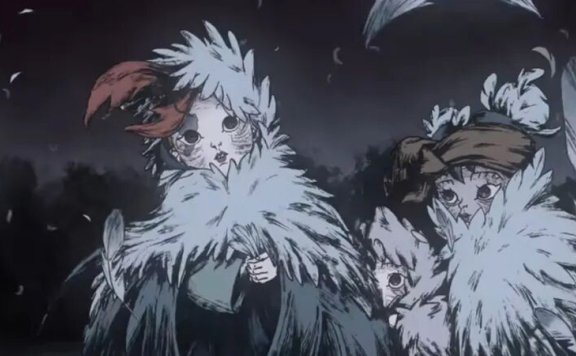
The Great Bird – Two Worlds, One Truth in a War-Torn Fable
A child’s bed, tucked in a corner of a war-torn world, holds a universe of desperate fantasy. This is the haunting core of The Great Bird (大鸟), one of the most visually striking and narratively complex episodes from the animated anthology Yao-Chinese Folktales 2 (中国奇谭2). Set against the grim backdrop of the late Song and early Yuan dynasty transition, the short film weaves a tale that is equal parts dark fable and painful historical allegory. It follows two characters: a young girl named Zhen’er (珍儿), and Bao Shan (保山), the man who cares for her. Their story is not told through clear declarations, but through a stunning, somber palette and a narrative split between a child’s imaginative escape and a man’s grim reality. The film uses the metaphor of a great bird and its feathers to explore loss, complicity, and the fragile hope for redemption in a time when humanity itself is under threat. A Visual Lament The world of The Great Bird is painted in mournful shades. The dominant palette is one of dense forest greens and murky grays, against which the stark white of feathers and ghostly visions sharply contrast. This is not a vibrant fairytale landscape, but… -
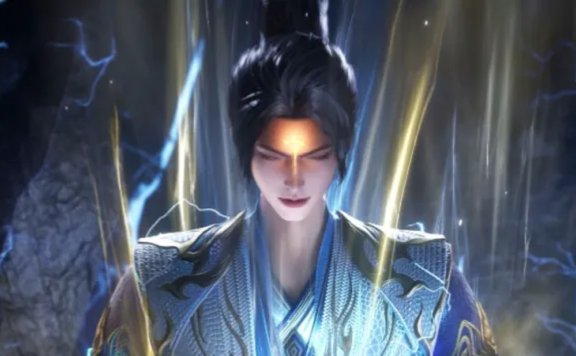
The Great Ruler 2: Conquering China and the World
The social media storm was instant and immense. After a three-year wait, the return of The Great Ruler 2 (大主宰2) in early 2026 didn't just meet expectations; it shattered them. Securing a permanent spot in the top five trends on Weibo, generating billions of views on Douyin, and breaking ten thousand simultaneous comments on Bilibili, the series claimed seventh place on the monthly domestic animation chart with 107 million views. Yet its most surprising achievement was becoming a new benchmark for Chinese animation's global reach. This deeply rooted Eastern fantasy series sparked a "Thai-dub viewing craze" across Southeast Asia, landing high on iQIYI's international non-drama popularity charts. In an era dominated by short-form video snippets, how did a weekly serialized animation achieve this trifecta of fandom celebration, broader cultural penetration, and international success? The answer lies not in nostalgia alone but in a fundamental evolution of the industry itself. The Evolving IP Ecosystem The moment Xiao Yan (萧炎) appeared at Beicang (北苍) Academy with his daughter Xiao Xiao (萧潇), and Lin Dong's (林动) figure flashed within a spirit array, the internet erupted. The long-awaited reunion of author Tiancan Tudou's (天蚕土豆) three iconic protagonists was a masterstroke in fan service. However,… -
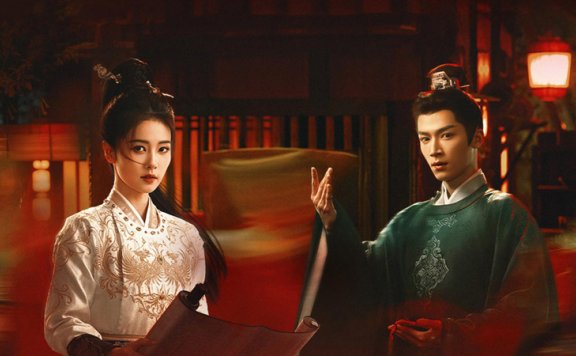
Unveil: Jadewind Tang Palace Mystery Unfolds
The glow of lanterns during the Shangyuan (上元) Festival illuminates a scene of celebration, yet shadows of conspiracy and death stretch long within the The Inner Court of the Tang Dynasty. This is the captivating world of the new historical mystery drama, Unveil: Jadewind (唐宫奇案之青雾风鸣). Premiering recently, the series plunges viewers directly into the opulent yet treacherous heart of the Tang Dynasty court, where a princess's public, fiery death is merely the first thread in a vast and sinister tapestry. The task of unraveling this mystery falls to an unlikely pair: the coldly determined investigator Li Peiyi (李佩仪) and the methodically brilliant astronomer-official Xiao Huaijin (萧怀瑾). From its opening moments, the show establishes a tone of palpable tension and intrigue. It deftly blends classic detective work with elements of atmospheric, almost gothic, suspense. The audience is not merely observing a procedural investigation but is immersed in a world where every corridor whispers secrets, every smile might hide a dagger, and the glorious facade of the empire conceals festering wounds from the past. The central case of the murdered princess is a gateway, promising to expose hidden networks of power, long-buried grievances, and a conspiracy that threatens the very stability of… -
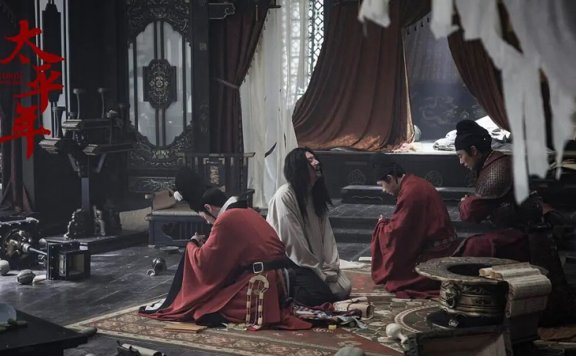
Swords into Plowshares: A Brilliant Historical Epic Marred by Flawed Lead Roles
As the flagship historical drama for China Central Television's new year, Swords into Plowshares (太平年) has made a significant impact. Set against the turbulent backdrop of the Five Dynasties and Ten Kingdoms period, it demonstrates a cinematic quality often reserved for film, from its meticulous costume and set design to its sprawling, visceral battle sequences. In an era dominated by short-form content, this series makes a compelling case for the enduring power and depth of long-form television. It ambitiously attempts to weave a complex tapestry of a fractured era, where power shifted like sand and heroes and villains rose and fell with dizzying speed. The narrative successfully creates a palpable, grim atmosphere of instability, using multiple perspectives to explore the brutal mechanics of history and the intricate souls caught within it. The Ensemble's Triumph The drama's greatest strength lies not in its protagonists, but in its richly drawn supporting cast. The chaotic historical period provides fertile ground for vivid portraiture, and the series seizes this opportunity. Even characters with minimal screen time are imbued with startling clarity and memorability. This meticulous casting and performance have led viewers to claim that certain portrayals have "monopolized" the image of these historical figures… -
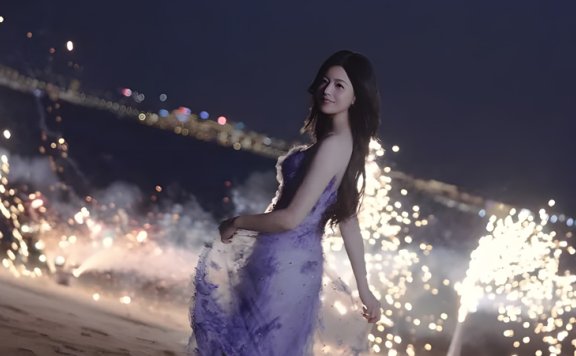
Chen Yanxi in a Petal-Adorned Lilac Gown
The glow of camera flashes often illuminates more than just fabric and sequins; it can cast a new light on an entire public persona. When Chen Yanxi (陈妍希) stepped onto the event floor recently, the conversation shifted. Gone were the dated comparisons and past critiques. In their place was a singular, captivating vision: a woman enveloped in the soft, dreamlike haze of pale purple, her gown a blooming garden of delicate petals. This was not merely a red carpet appearance. It was a statement, a quiet but powerful recalibration of her aesthetic identity that resonated far beyond the event's walls. The image of her in that exquisite dress instantly became a focal point, challenging previous narratives and inviting a fresh appreciation for her evolving presence in the public eye. The Vision in Violet The immediate impact of the look was visual and emotional. The gown’s color, a delicate whisper between lilac and heather, possessed an innate serenity. It did not scream for attention but rather emanated a gentle authority. This shade, notoriously difficult to wear, acted as a perfect complement to her complexion, creating a harmonious and luminous effect. The choice felt both modern and timeless, tapping into the season's… -
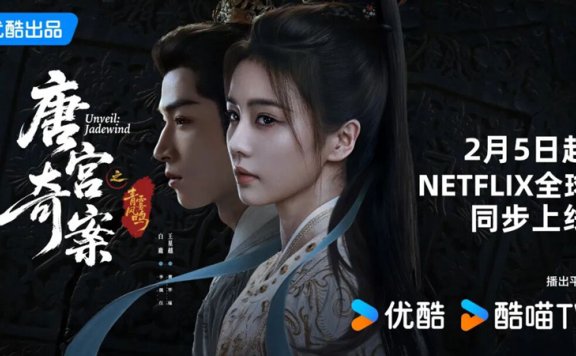
Unveil: Jadewind Premieres Globally on February 5
This February, a new historical mystery series is making waves even before its global debut. Unveil: Jadewind (唐宫奇案之青雾风鸣), starring Bai Lu (白鹿) and Wang Xingyue (王星越), premiered domestically on CCTV-8 and Youku. Its simultaneous global release on Netflix marks a significant step for Chinese period dramas. At its heart, this isn't just another palace tale. It follows Li Peiyi (李佩仪), a county magistrate's daughter burdened by a past family massacre, who becomes an investigator in the Inner Bureau. Her path crosses again with Xiao Huaijin (萧怀瑾), a man who saved her life in childhood. Together, they unravel intricate cases—"The Guest Star Over the Maiden," "The Flower on the Wall," "The Bloody Talent"—that expose the hidden plights of women within the palace's deep walls. The producers at Killer Whale Entertainment's Gleaner Studio aim to guide viewers into the story through a "her perspective," creating a bridge between modern audiences and the struggles of women from over a millennium ago. The Power of a "Her Perspective" Breaking from tradition, this series consciously shifts the narrative focus. For too long, historical detective stories have been dominated by male protagonists. Unveil: Jadewind places a complex female character at its center. Li Peiyi is not… -
Tang-Song Crowns Collide in Swords into Plowshares
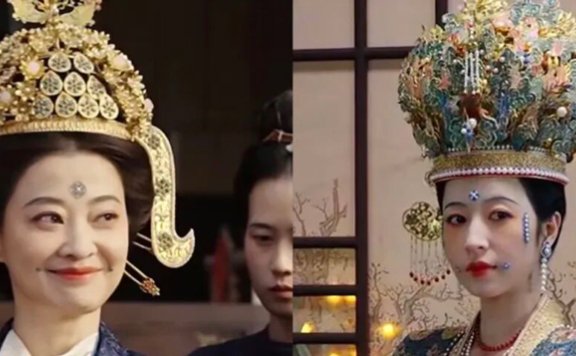
Why do two very different historical crowns keep appearing in the same Chinese dramas? In the recent series Swords into Plowshares (太平年), eagle-eyed viewers noticed the simultaneous presence of two distinct, ornate headdresses for noblewomen. While both are stunning, they hail from different centuries, raising questions about historical timelines and costume design choices in period television. This isn't an isolated case; these crowns have become frequent guests in shows spanning various dynastic settings, from Tang to Song. Their recurring appearance offers a fascinating glimpse into how Chinese television visualizes the past, often prioritizing visual grandeur over strict chronological accuracy. Understanding their real-world origins reveals a rich history of ritual, status, and aesthetic evolution. The Blossoming Headdress The first type, the Flower Hairpin Crown, finds its roots in the Sui and Tang dynasties. It was a formal headdress for noblewomen and high-ranking female officials. This crown is not a single solid piece but a sophisticated assembly. Its core components include a base frame, wing-like Bobin (博鬓) that frame the face, delicate gold floral diadems, and numerous hairpins and "flower trees" adorned with gems and pearls. The number of these floral elements was strictly regulated to indicate the wearer's rank, with an… -
How Swords into Plowshares Gets Traditional Headdress Right
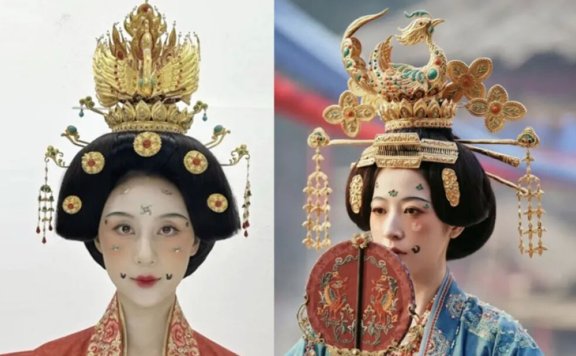
In the historical drama Swords into Plowshares (太平年), viewers were treated to a visual feast of intricate costumes. One detail, in particular, has sparked curiosity: the majestic bird crowns worn by characters He Zhen (贺贞) and Sun Taizhen (孙太真) during their wedding scenes. While both headpieces are stunning, their orientation differs. He Zhen's crown sits perfectly straight and forward-facing, while Sun Taizhen's appears to be worn at a slight angle. This isn't a random stylistic choice or an error, but a deliberate nod to historical accuracy and the deep-seated principles of traditional Chinese adornment. This distinction opens a window into the forgotten rules governing ceremonial dress, where every element carried weight far beyond mere decoration. The Problem with Props The design of these crowns finds its primary inspiration in donor portraits from the Five Dynasties period. A common issue in modern costume design arises when referencing these historical sources. The original portraits often depict figures in profile, making their elaborate headdresses appear sideways due to perspective. Many contemporary designers, however, misinterpret this visual effect and create crowns intended to be worn at an angle. This is a fundamental misunderstanding. The standard and historically correct method was to wear such significant… -
10 Standout Actors Who Shine in Swords into Plowshares
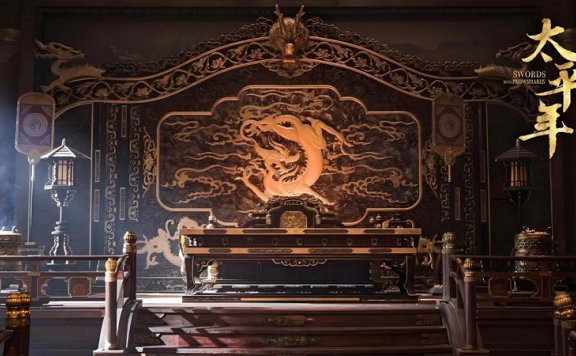
Historical dramas often live or die by the strength of their performances. When the backdrop is a chaotic period like the Five Dynasties and Ten Kingdoms, the task for an actor becomes not just to portray a person, but to embody an entire philosophy of survival. The series Swords into Plowshares (太平年) offers a masterclass in this regard, presenting characters who navigate treacherous political waters with a subtlety that demands equally nuanced acting. The most compelling figures are not those who shout the loudest, but those whose power resides in a glance, a hesitation, or a calculated silence. Dong Yong (董勇): The Still Center of the Storm As the legendary minister Feng Dao (冯道), whose service spanned four dynasties, Dong Yong delivers what may be the series' definitive performance. His achievement lies in conveying immense political weight through profound restraint. Feng Dao is a man for whom every word and gesture is a carefully weighed transaction. In one early scene, as the emperor prepares to reprimand a general, Feng Dao clears his throat. It is a simple, bodily sound, yet in Dong Yong’s execution, it becomes a full statement. The glance that accompanies it holds warning, counsel, and an inscrutable… -
Why Scare Out is the Must-See Thriller of the Year
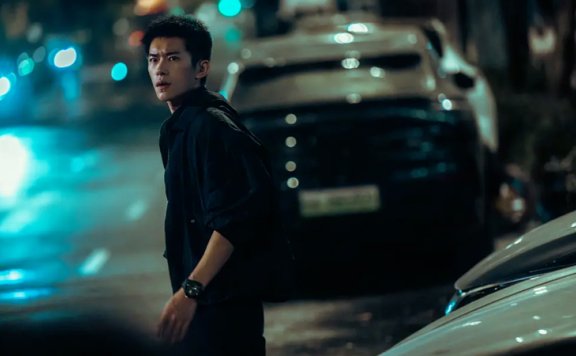
On a seemingly ordinary morning, the cinematic landscape for the upcoming Lunar New Year holiday was electrified by a major announcement. Legendary director Zhang Yimou (张艺谋) revealed his latest film, Scare Out (惊蛰无声), would join the fiercely competitive holiday box office fray. This move has injected a potent dose of anticipation into a season often dominated by comedies and family fare. Zhang Yimou's unparalleled track record for both critical acclaim and commercial success makes this project an automatic contender. However, Scare Out is more than a director's prestige piece; it is a meticulously crafted, contemporary spy thriller that promises to grip audiences from its first frame to its last. With a narrative that delves into the shadowy world of espionage and national security, the film positions itself not just as entertainment, but as a resonant cultural moment for Chinese cinema and its viewers. Star Power & Narrative Intrigue The released trailer for Scare Out immediately establishes its high-stakes tone. It showcases a powerhouse cast led by Jackson Yee and Zhu Yilong (朱一龙), two of China's most compelling young actors. Their first scene together, confined within a car, crackles with unspoken tension. A line about the "first spring thunder" giving voice…