Article
Search results:
-
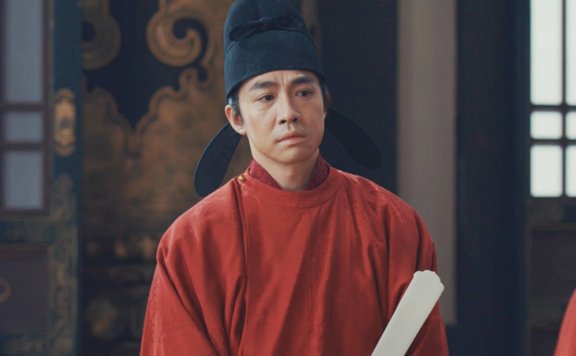
Swords into Plowshares: The Irreplaceable Youthful Spirit
What makes us hold fast to our beliefs when the world seems to demand we let them go? The historical drama Swords into Plowshares (太平年) offers no easy answers, but instead immerses viewers in the turbulent final days of a fictional dynasty. Through the eyes of its young nobles-turned-soldiers, the series poses difficult questions about sacrifice, duty, and the cost of integrity. It is not the intricate political machinations or grand battle scenes that resonate most deeply, but rather the persistent, flickering flame of idealism within the characters—a quality that feels both achingly familiar and tragically distant to the modern viewer. This intangible spirit, this youthful refusal to accept a compromised world, forms the heart of the narrative. As the walls of the capital strain under siege and loyalties are tested, the story becomes less about saving an empire and more about what one chooses to preserve within oneself. The Last Day of Xiaosui (小岁) The chill of a winter siege grips the capital. Three young men, Jiu Lang (九郎), Da Lang (大郎), and Guo Rong (郭荣), find a moment of respite. Exhausted yet defiant, they warm themselves with wine. The night marks Xiaosui, an ancient tradition where one speaks… -
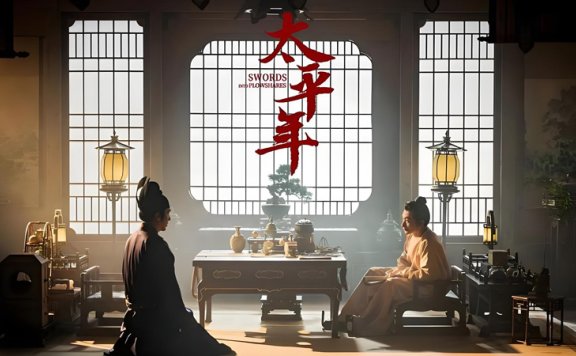
Swords into Plowshares: Fear and Legacy in the Five Dynasties Turmoil
The historical drama Swords into Plowshares (太平年) presents a gripping portrait of the Five Dynasties and Ten Kingdoms period, an era notorious for its political volatility. Thrones changed hands with dizzying speed; a reign lasting more than a few years was an exception. Against this backdrop of relentless upheaval, the series focuses on the fates of eleven monarchs. It traces the intricate history leading to the eventual incorporation of the Wuyue (吴越) kingdom into the Song (宋) dynasty. This narrative spans 37 tumultuous years, beginning with the death of one king and concluding with a peaceful surrender that altered the map of China. A King's Demise Among these rulers is Qian Yuanguan (钱元瓘), the second king of Wuyue. His death, as portrayed in the series, is shockingly mundane yet deeply psychological. He does not fall in battle or to an assassin's blade. Instead, a catastrophic fire that ravages the palace treasuries reportedly frightens him to death. This event serves as the dramatic catalyst for his downfall, highlighting the fragile mental state of a ruler living in perpetual anxiety. Though historically a seasoned leader, the dramatized Qian Yuanguan is consumed by paranoia. He rules a relatively stable southeastern kingdom, yet news… -
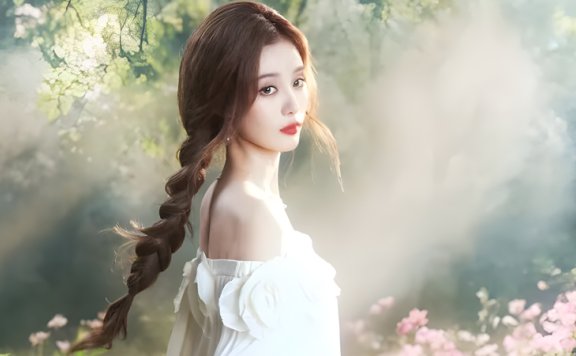
How Xu Yiyang's Forest Spirit Photoshoot Became a Modern Fairytale
The internet recently paused to admire a series of images featuring singer and actress Xu Yiyang (徐艺洋). More than just photographs, they presented a vision: a contemporary nymph seamlessly woven into a sun-dappled woodland scene. This photoshoot transcended typical celebrity glamour, capturing instead a specific, coveted mood—a blend of ethereal grace and natural, untouched beauty that resonated deeply with audiences. It felt like stumbling upon a hidden chapter of a modern fairytale. The Look Central to the visual narrative was an off-the-shoulder gown in a soft, creamy shade. Its construction was key to the fantasy. Layers of delicate tulle formed a skirt that seemed to float with every imagined breeze, while the bodice featured subtle floral embellishments and fine pleating. This careful texture avoided appearing overly ornate, instead suggesting the organic intricacy of nature itself. The neckline gracefully framed her shoulders, combining a hint of romance with an air of lightness, perfectly supported by puff sleeves that balanced playfulness with elegance. The styling extended beyond the dress. Her hair was arranged in a half-up style, with braids loosely woven and small blossoms tucked gently into the strands. This wasn't a stiff, formal updo but something deliberately soft and effortless, as… -
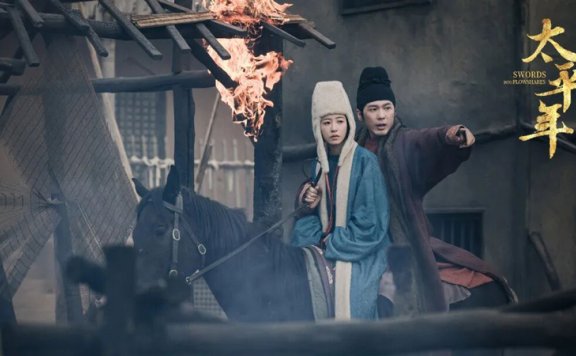
5 Historical Treasures to Spot in Swords into Plowshares
A new television experience is captivating audiences. It’s not just about following the plot twists of a period piece, but about embarking on a treasure hunt within the frame. As viewers watch the popular series Swords into Plowshares (太平年) on CCTV-1, a fascinating secondary activity has emerged: spotting the real historical artifacts meticulously recreated by the production team. From a merchant’s stringed instrument to the intricate design on a wine warmer, each detail is a deliberate nod to a tangible piece of history, waiting to be discovered in museums across China. Fans are thrilled, feeling they’ve been treated to a refined cultural feast, and are taking to social media to compare screenshots with photos of ancient relics. 1. Guqin (古琴) - A Melody in Wood The merchant Cheng Zhaoyue’s (程昭悦) entrances in the drama’s first episode are accompanied by the quiet presence of a Guqin. This isn't just any prop. Its distinct shape closely mirrors classical designs preserved for centuries. The Guqin, a seven-stringed zither, is one of China's oldest plucked instruments. Its basic form was largely standardized by the end of the Han Dynasty, yet it evolved into numerous styles, each with its own name and character. Viewers with… -
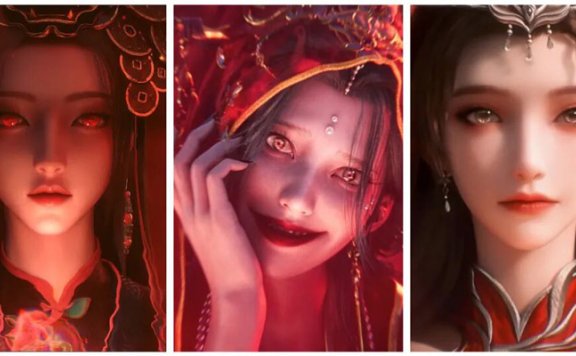
3 Red Wedding Gown Ghosts Define Chinese Anime Horror
Why are Chinese animations suddenly mastering the art of haunting beauty? A recent wave of popular shows has audiences captivated, not by generic scares, but by a deeply unsettling and emotionally resonant brand of horror. Central to this movement is a powerful, recurring image: the female spirit clad in a vibrant red wedding gown. This figure transcends simple fright, weaving together visual poetry, tragic backstories, and cultural weight to create moments that linger long after the screen goes dark. Let's look at how three recent series have used this icon to stunning effect. 1. Beyond Time's Gaze (光阴之外) - Tao Hong (桃红) In the animation Beyond Time's Gaze, the segment featuring Tao Hong represents a pinnacle of visual storytelling. The scene operates without dialogue, relying entirely on editing, cinematography, and score to build an atmosphere of profound loss. It begins within a decayed, oppressive space, the visual equivalent of a whispered threat. The character Xu Qing (许青) radiates desperation, while the older Lei Dui (雷队) wears a look of complex yearning. A haunting melody sets the tone. Then, a breathtaking transition occurs. The scene shifts to a sun-dappled pavilion under a shower of peach blossoms. Here, a young Lei Dui… -
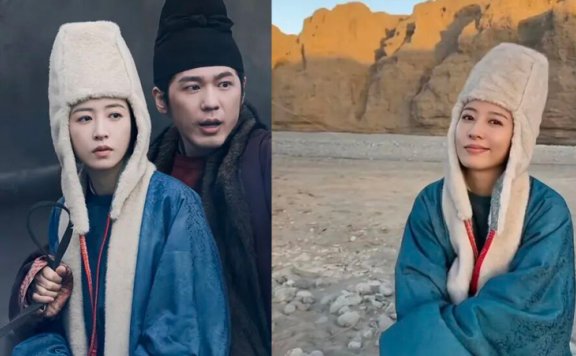
Why Does Zhou Yutong's Hat Look So Modern in a Historical Drama?
The costume design in the period drama Swords into Plowshares (太平年) has sparked lively discussion, particularly one striking accessory. Actress Zhou Yutong (周雨彤) wears a distinctive, seemingly modern-looking hat with ear flaps. Its appearance prompts a question: can such a design be historically accurate, or is it a creative anachronism? This piece of headwear is far from a modern invention. It is a faithful representation of a Feng Mao (风帽, wind hat), a practical and stylish item with deep roots in China's sartorial past. Its journey from the northern steppes to the wardrobes of the Central Plains is a story of cultural exchange, adaptation, and enduring utility. Northern Origins The Feng Mao finds its origins with the nomadic peoples of the northern frontiers. Designed for survival, its primary function was to shield the wearer from the harsh, biting winds and extreme cold of the steppes. The defining feature was its extended "skirt" that could be drawn to cover the ears, neck, and shoulders, creating a protective cocoon against the elements. This practical design was gender-neutral, worn by both men and women for warmth. Early versions of this hat were not a single piece. Archaeological evidence from figurines of the Northern… -
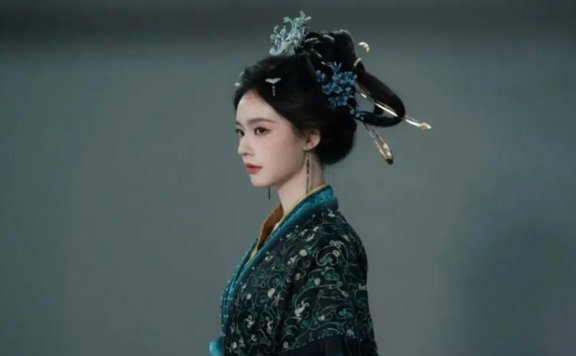
Lin Yun's Wei-Jin-Inspired Look in The Road to Glory
The recent unveiling of actor Lin Yun's (林允) official look for the upcoming historical series The Road to Glory (归鸾) has sparked more than just casual discussion; it has ignited a wave of enthusiastic approval online. In an era where period dramas often favor fantasy-inspired, anachronistic designs, her ensemble stands out for its deliberate grounding in the historical aesthetics of the Wei and Jin dynasties. This choice resonates deeply with an audience increasingly weary of generic "Xianxia" (仙侠) fairy costumes that, while visually pleasing, lack cultural roots. The design philosophy here is clear: true ethereal beauty stems from historical authenticity, not from arbitrary layers of sheer fabric and elaborate hair ornaments. Lin Yun's look, therefore, is being celebrated not merely as a pretty costume, but as a statement of intent—a call for costume design to reconnect with its source material. The Silhouette of History The core of the ensemble is a Banxiu Ruqun (半袖襦裙), a style of short-sleeved jacket and skirt that adheres closely to Wei-Jin tailoring. The wide sleeves and crossed collar are classic elements, but the inclusion of the documented "half-sleeve" design is a meticulous touch. The skirt, constructed from trapezoidal fabric panels, creates a unique, fluttering movement… -
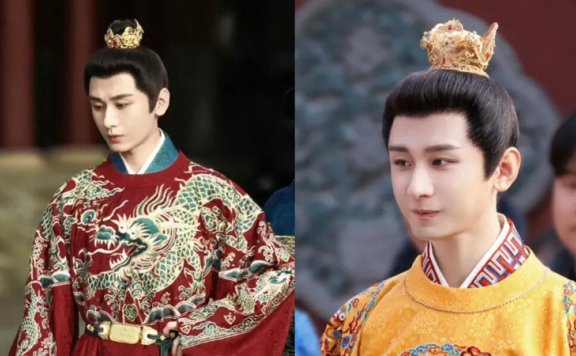
Cheng Yi’s Ming Dynasty-Inspired Regalia in Liang Jing Shi Wu Ri
The recent reveal of actor Cheng Yi's (成毅) costumes for the upcoming historical drama Liang Jing Shi Wu Ri (两京十五日) has sent the Chinese internet into a deep dive. A particular photo showcasing his elaborate headpiece and belt sparked instant recognition among history enthusiasts. "I've seen that crown! In a museum!" exclaimed one comment, leading many to question: Are historical dramas finally getting the intricate details of court attire right? This focus on material accuracy marks a shift in production design, moving beyond sheer visual spectacle to engage with the tangible artifacts of China's past. The specific items in question are not mere fabrications but are inspired by prestigious Ming Dynasty relics, offering a fascinating glimpse into the world of imperial regalia and the strict sartorial codes that governed it. A Crown Fit for a King The headpiece attracting so much attention is modeled after the Double Dragon Cavorting with Pearl Ribbon Crown, a significant artifact. This crown holds the distinction of being Object No. 1 at the Hong Kong Palace Museum, the first item officially accessioned into its collection. It was part of a monumental donation of 946 ancient gold and silver items from the Mengdiexuan collection. The original… -
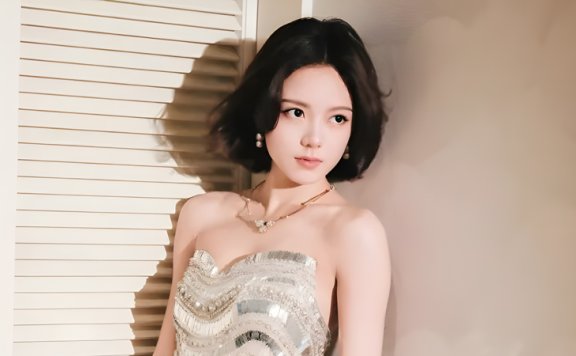
Zhao Jinmai Shines in Gold Scale Gown
In a dazzling display of transformative style, young actress Zhao Jinmai (赵今麦) recently captivated the fashion world. She stepped out in a stunning silhouette that fused retro glamour with futuristic flair: a shimmering gold scale-patterned gown. The look, featuring a sleek bandeau top and a short, chic bob hairstyle, radiated an aura of sophisticated charm. It was a bold departure from her usual youthful image, signaling a confident stride into a more mature yet vibrant aesthetic. This wasn't just another red carpet appearance; it was a statement. The gown's intricate design and her poised presentation created a powerful visual narrative, instantly setting social media ablaze with admiration and analysis. It marked a pivotal moment in her evolving public persona, demonstrating how a single, well-executed outfit can become a cultural talking point. The Dress: A Modern Armor The centerpiece of the look was the gown itself—a masterpiece of texture and light. Constructed on a classic black dress foundation, it was entirely transformed by thousands of overlapping metallic scales. Each scale acted like a tiny mirror, catching and throwing light with every movement to create a liquid, molten-gold effect. The bandeau cut presented a clean, sharp line that elegantly framed her shoulders… -

Tang Yan Embraces Ice-Blue Muse Aura in Sequin-Embellished Gown
When images of actress Tang Yan (唐嫣) in a shimmering ice-blue gown flooded social media, they did more than capture attention—they told a story. This wasn't merely a red carpet appearance; it was a statement of evolved grace. In an industry where trends flicker and fade, her ability to consistently present a refined, authentic image has cemented her status as a style icon. Her latest look serves as a perfect lens through which to view her journey from a popular actress to a symbol of sophisticated womanhood, reflecting a personal narrative that resonates far beyond the flashbulbs. The Blue Muse The specific dress that sparked admiration is a masterclass in balanced design. The ice-blue hue, reminiscent of glacial waters, complements Tang Yan's serene demeanor perfectly. Its Moxiong (抹胸) or sweetheart neckline showcases her collarbone and shoulders with elegant discretion, avoiding overt exposure for a more refined effect. The body-skimming silhouette honors her natural figure, proving that powerful style often lies in precise, respectful tailoring rather than dramatic excess. Details transform the gown from beautiful to memorable. The delicate sequins catch light like scattered frost, offering a subtle sparkle that avoids any hint of gaudiness. This careful modulation of shine demonstrates… -
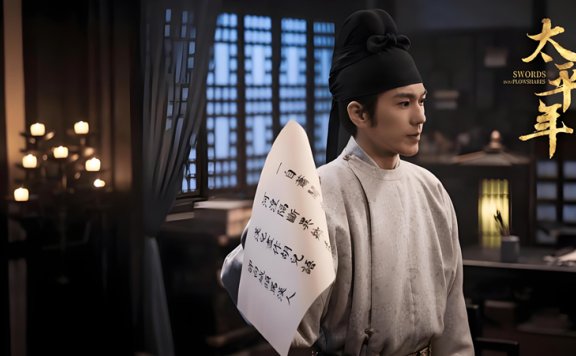
Swords into Plowshares: Why Wuyue Voluntarily Surrendered to Song
As the credits roll on the latest episodes of the historical drama Swords into Plowshares (太平年), viewers are left with a lingering heaviness, a profound emotional residue that transcends typical period-piece entertainment. The show’s stunning visual tapestry, depicting the brutal yet poetically rendered era of the Five Dynasties and Ten Kingdoms period, is merely the gateway. The true power lies in its exploration of a chilling historical paradox: why would a powerful, prosperous kingdom voluntarily dismantle itself? The story of the Qian (钱) family and their fateful decision to surrender the realm of Wuyue (吴越) to the rising Song (宋) dynasty in 978 AD is not just ancient history. It feels like a stark, uncomfortable mirror held up to the fundamental human yearning for peace, posing questions about power, legacy, and the cost of stability that resonate deeply today. A World Drenched in Blood The drama opens a window to an era modern minds can scarcely comprehend. The 53 years of the Five Dynasties and Ten Kingdoms were an unending nightmare of chaos. With regimes rising and falling like waves, warlords proclaimed themselves emperor based solely on military strength. The phrase "the Son of Heaven should be the one with… -
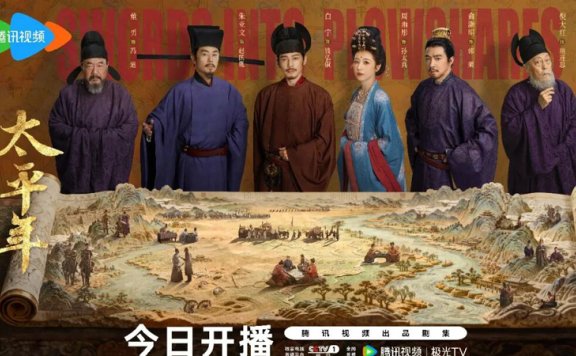
Swords into Plowshares: Humanity in Five Dynasties Chaos
A new drama begins not with a crown, but with the mud on a soldier's boot. Swords into Plowshares (太平年) paints the chaotic transition from the Five Dynasties and Ten Kingdoms era to the Song Dynasty not as a dry chronicle, but as a visceral experience of survival. It focuses on the stark realities faced by people, weaving together the brutal military campaigns of the Central Plains with the tense political machinations in places like Wuyue (吴越). The series has quickly captivated its first viewers. They praise its uncompromising texture and its ambitious narrative scale, which follows the intricate fates of numerous characters and factions. This approach makes the period feel immediate, allowing the audience to sense the precarious turning points of history rather than just observe them from a distance. For a genre often considered difficult, Swords into Plowshares finds its strength in granular detail and human-scale stakes. It sidesteps grandiose pronouncements, instead building its epic stature through the cumulative weight of countless choices made in times of turmoil. The result is a compelling, grounded entry into a seldom-portrayed chapter of the past. When History Breathes Again The screen does not flinch. It presents a world where humanity's thin… -
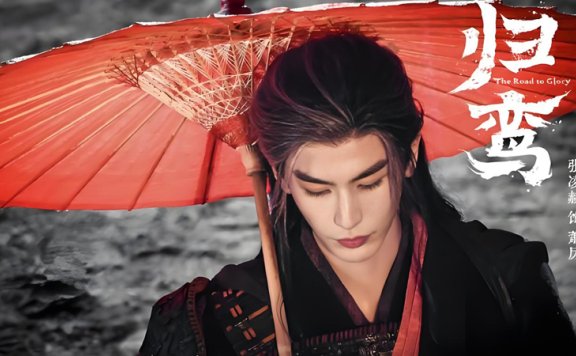
8 Unreleased Epics: Ancient Power & Untold Stories
Step beyond the ornate palaces and into the fractured, ambitious heart of ancient realms with this season's most anticipated historical dramas. This collection of eight series offers a masterclass in narrative diversity, reimagining the past through lenses of gritty political ascent, supernatural destiny, and intellectual rivalry. From the war-torn docks where a bandit king forges an empire with a vengeful princess in The Road to Glory, to the mystical courts where a blind hostage's songs unveil terrifying futures in Chasing Dream, these stories are united by complex characters defying their fates. Whether it’s the meticulous craft of ink-making becoming a woman's weapon in Zhen Niang Zhuan, or two modern souls using office politics to survive a deadly palace in How Dare You, each drama promises a unique entry point into richly woven worlds. Prepare for journeys where love is tempered by strategy, legacy is fought for in markets and mansions, and history becomes a playground for suspense, revenge, and revolutionary partnerships. The Road to Glory (归鸾) Period Background: A fictional era of warring states and fractured dynasties Genres: Political Intrigue, Revenge, Warfare, Romance Main Roles: Zhang Linghe (as Xiao Li), Lin Yun (as Wen Yu) Adapted from: Original script The… -
Glory: Family Sorrow Behind Rong Shanbao’s Protection?
In the misty tea hills of Southern Song Dynasty Jiangnan (江南), the illustrious Rong family is revered as the undisputed sovereigns of tea. Their legacy, however, rests upon a fragile and painful paradox: a matriarchal line where women inherit power and men marry in, and a spiritual cornerstone known as the "Tea Bone." This rare, innate gift for discerning and crafting tea is both their divine right to rule and the source of a generational agony. The new matriarch, Rong Shanbao (荣善宝), exhibits a fierce, almost obsessive protection over her sixth sister, Rong Yunwan (荣筠纨). This is far more than sisterly devotion; it is a desperate defense against a secret that could shatter their world. For Yunwan, the true and unwitting bearer of the "Tea Bone," is a pure soul trapped in a childlike state of mind, her priceless gift making her a pawn in a ruthless game for control of the family's destiny. The Weight of the Crown Rong Shanbao’s authority is built on a foundation of sand. The family's rule demands its leader possess the "Tea Bone" to legitimize their command over vast tea gardens and imperial trade licenses. The aging matriarch, knowing the true heir could never… -
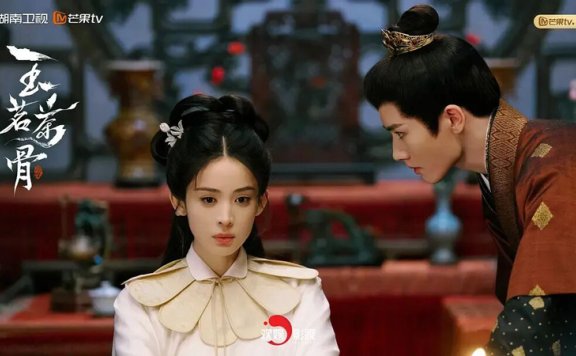
Glory: Bond and Trust in Conspiracy’s Web
In the world of Glory (玉茗茶骨), the delicate aroma of tea leaves intertwines with the sharp scent of conspiracy. At the heart of this drama set in Jiangnan's tea empires lies the complex relationship between Rong Shanbao (荣善宝), the heiress to the Rong family tea legacy, and Lu Jianglai (陆江来), a disgraced scholar. Their story is not one of simple romance but a meticulous dance of suspicion and alliance, forged in the kilns of family power struggles and imperial court machinations. From master and servant to unlikely allies, their journey questions whether trust can ever truly blossom when every hand seems turned against them. A Calculated Beginning Their connection began not with warmth, but with cold utility. After surviving an assassination attempt that left him with lost memories, Lu Jianglai found himself at the mercy of Rong Shanbao. Seeing an opportunity in his plight and a potential pawn in her family's internal wars, she relegated him to the lowest station: a stable hand. He, in turn, played the part of a subservient amnesiac, hiding his keen intellect to avoid further danger. This initial dynamic was pure transaction. She tested his limits, searching for weakness or use. He observed her maneuvers,… -
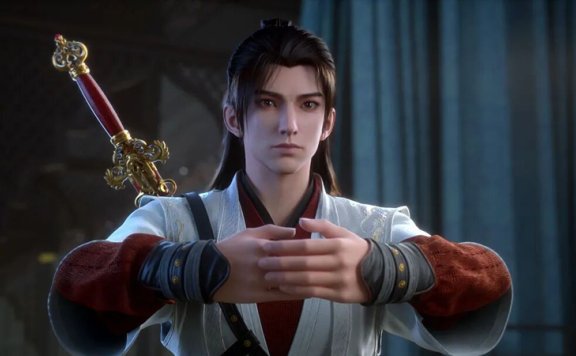
Why Fang Han in Immortality Fails to Win Audience Hearts
In the sprawling world of Immortality (永生), a fantastical Xianxia universe filled with cultivators and ancient secrets, the narrative shines in its complex plot and rich ensemble cast. Yet, for many viewers, a central point of contention remains: the protagonist himself, Fang Han. While the show's overall quality is undeniable, Fang Han's (方寒) character design presents a significant hurdle to audience connection. His actions, particularly within the unforgiving expanse of the Vast Desert, reveal a personality that is often difficult to root for, creating a fascinating disconnect between the story's appeal and its leading figure. A Desert of False Virtue The Vast Desert arc critically exposes Fang Han's problematic nature. His behavior toward Liu Kang (刘康) is a prime example. After defeating an enemy, he chooses to save him, an act initially seeming noble. However, when Liu Kang later betrays him, using secrets as blackmail, Fang Han refuses to retaliate, citing vague "fellow disciple sentiment." This inaction directly ignores the imminent danger this poses to both himself and his steadfast companion, Hong Yi (红怡). His passivity is not righteousness; it is a performative kindness that forces others to clean up the mess. Ultimately, it is Hong Yi who makes the… -
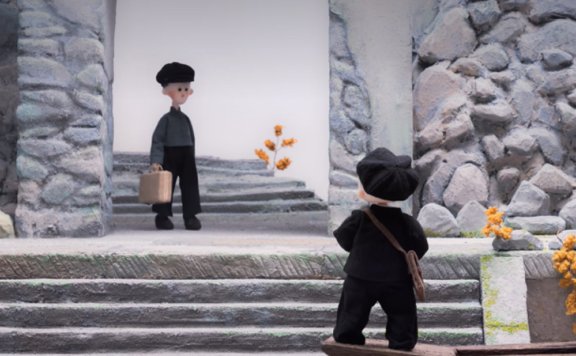
How Xiao Xue Weaves a Silent, Felt-Tipped Tale of Letting Go
In the vast landscape of contemporary animation, a quiet storm has emerged from the second season of Yao-Chinese Folktales 2 (中国奇谭2). The latest episode, titled Xiao Xue (小雪), has captivated audiences not with epic battles or witty dialogue, but with its profound silence and tactile warmth. Directed by Chen Lianhua (陈莲华), this short film employs felt stop-motion animation to explore the intricate dance of love, expectation, and release within a Chinese mother-son relationship. Without a single spoken word, it delivers an emotional resonance that has left countless viewers reflecting on their own familial bonds, making it a standout piece of modern storytelling that feels both intimately personal and universally understood. A World of Wool The immediate charm of Xiao Xue lies in its meticulous craft. The choice of felt, a material shaped by persistent molding and care, becomes a powerful metaphor for the central relationship. The mother’s hands smoothing ointment, the precise folds in the child’s clothing, the glowing lanterns—each detail is rendered with a tangible, textured love. This softness visually cushions the story’s more poignant themes, inviting the viewer into a world that feels handmade and heartfelt. This material is placed against backgrounds with the fluid elegance of ink… -
Did a Single Sword Strike Just Change Chinese Animation Forever?
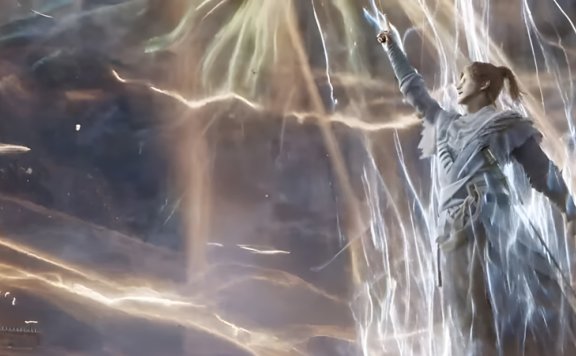
The number 22,000 glowed with an almost physical intensity on the screen of Tencent Video. This wasn't just a view count; it was a historic SVIP Heat Value score, a metric reserved for paid content, crowning the latest episode of Sword of Coming 2 (剑来2). In the world of Chinese anime, or Donghua (动画), breaking 10,000 is an achievement. Shattering 20,000 was once a distant myth. This episode, titled by fans "Aliang's Sword Cleaves White Jade Capital," didn't just break the ceiling—it vaporized it, setting a new commercial and cultural benchmark that has sent ripples through the entire industry. More Than Just Hype What could compel millions to not only watch but actively pay to unlock a single 20-minute episode? The answer lies in a perfect convergence of anticipation, craft, and cultural resonance. The scene of the rogue swordsman Aliang confronting the celestial fortress is a legendary climax in the original web novel, dreamed of by readers for years. The animation studio understood this weight of expectation. They channeled resources into making this sequence not an adaptation, but a definitive visual event. The result is a masterclass in animated spectacle. The fluidity of Aliang's drawstroke, the devastating, crystalline shatter of… -
4 Iconic Loser-to-Leader Arcs in Chinese Animation
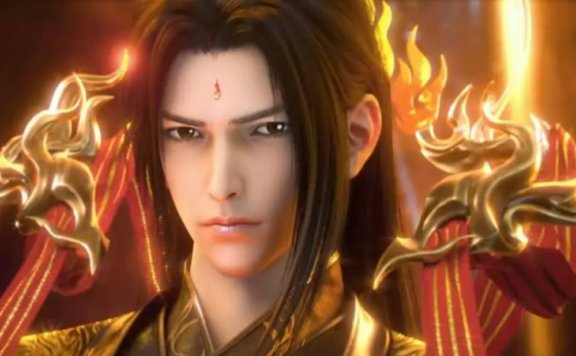
In the world of Chinese animation, a particular kind of hero has captured the hearts of millions. They don't start with incredible power or a glorious destiny. Instead, they begin at the very bottom, labeled as failures, weaklings, or embarrassments. Their journey from utter weakness to unimaginable strength forms a narrative spine known as the 'Underdog Arc.' This storytelling method, rooted in web literature, thrives on extreme contrast. By making protagonists suffer humiliation and hardship early on, it makes their eventual victories feel intensely personal and deeply satisfying for the audience. Even as the trope becomes familiar, these stories continue to deliver an unmatched thrill. Let's look at four iconic characters who define this path, exploring how their profound weakness makes their ultimate power so compelling. 1. Xiao Yan's (萧炎) Fall and Rise Battle Through the Heavens (斗破苍穹) is often credited with popularizing the underdog template. Its protagonist, Xiao Yan, is introduced as a fallen genius. Once a prodigy, his Dantian (丹田) – his core for energy cultivation – becomes crippled. He faces public disgrace, even a humiliating annulment of his engagement. At his lowest, he defiantly declares, "Thirty years to the east of the river, thirty years to the… -
How Did Song Yi's New Chinese Outfit Ignite a Fashion Style?
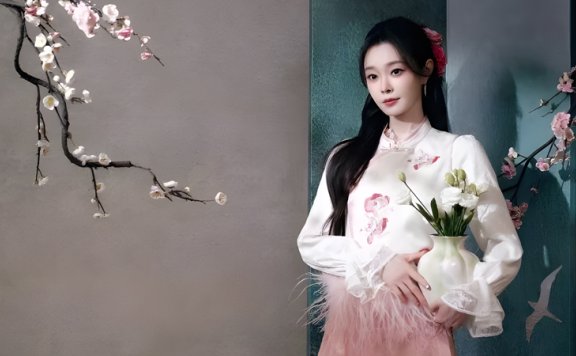
When actress Song Yi (宋轶) recently appeared in a stunning New Chinese Style ensemble, the internet erupted with admiration. Her look, featuring a pink-white embroidered blouse with a ruffled collar and a misty pink satin skirt, evoked the grace of a classical Chinese beauty while radiating contemporary charm. Accessories like a delicate hairpin, a celadon vase, and bow-adorned shoes completed the vision of a refined gentlewoman from a scholarly family. This outfit wasn't just clothing; it became a symbol of how traditional aesthetics can seamlessly merge with modern design, captivating fashion enthusiasts and cultural observers alike. The immediate viral response highlighted a growing fascination with styles that bridge historical elegance and present-day creativity, setting the stage for a deeper exploration of this trend. Design Details The brilliance of Song Yi's attire lies in its meticulous details. The blouse's embroidery features flowing patterns that showcase artistic craftsmanship, with the ruffled collar and lantern sleeves adding a touch of ethereal movement. The skirt's drape and subtle side embroidery align with Eastern aesthetics, accentuating a slender silhouette. Color coordination in soft pinks and whites creates a gentle, sweet palette that complements the overall theme. Designers often draw from classical paintings and textiles, reimagining…