Article
Search results:
-
Is Chen Duling's Costume Too Conservative?
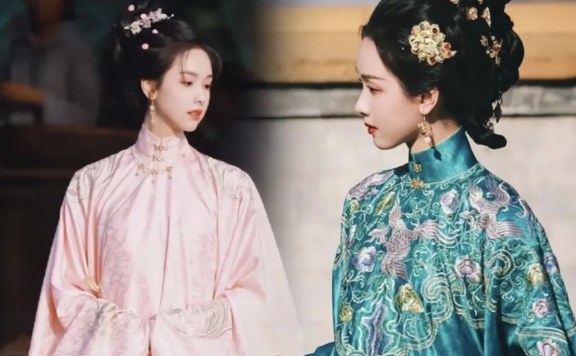
Netizens are raising questions: Is Chen Duling's costume in Noble Lady too conservative? New stills from Noble Lady have emerged, once again presenting the high - collar, vertical - front Hanfu. Some netizens have commented that Ming - style Hanfu seems overly conservative, as it almost entirely covers the body. Looking back at the history of Chinese clothing, during the mid - to - late Ming Dynasty, high collars became a popular choice among the nobility. Some netizens have noted that Ming - style high collars can make the neck appear shorter, the face rounder, and add an aged look. As a result, many people tend to prefer the more widely flattering Tang - style Hanfu. However, this actually shows a misunderstanding of traditional Ming - style Hanfu. After all, delicate beauty is one form of aesthetics, while elegance and dignity are another. The development of high collars in the Ming Dynasty was not simply about 'conservatism'. At that time, China was experiencing the Little Ice Age, which led to a sudden drop in temperature. Consequently, the clothing culture changed to adapt to the weather. Ming - style high collars evolved from the cross - collar and parallel - front… -
Wearing Hanfu as a Hijabi: Modesty, Style, and Cultural Fusion
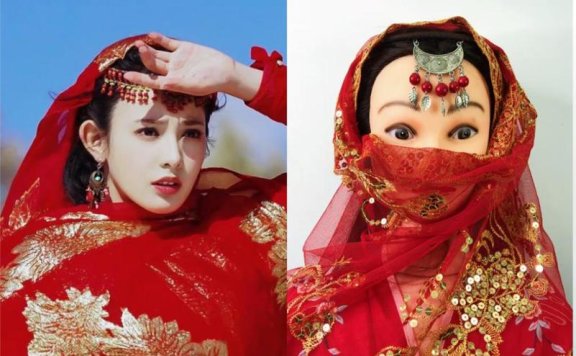
One of the joys of wearing hanfu is discovering how effortlessly it can be adapted to different lifestyles, beliefs, and personal preferences. As a hijabi, one of my biggest considerations when choosing clothing is modesty. Thankfully, many hanfu styles already cater to this ideal with their long, flowing silhouettes, layered structures, and elegant designs. In fact, I’ve found hanfu to be one of the easiest traditional outfits to wear while staying true to both my modesty and aesthetic preferences. Although some hanfu styles are more fitted around the waist or involve shorter sleeves or lower necklines, there are many that work beautifully for hijabis without needing any extra modifications. Personally, I’m especially drawn to Ming dynasty style hanfu. These often feature a mamianqun skirt paired with either a shorter shirt (duijin shan) or a longer robe-style shirt (aoqun or dachang), both of which are generously cut and non-revealing. The fabrics drape naturally, the overall silhouette is loose, and the layering makes it feel effortlessly modest. The added bonus? Mamianqun prints are just stunning. The way the pleats open and close as you walk, revealing flashes of the pattern, creates a sense of movement and beauty that makes me feel elegant… -

Wearing Hanfu to Work: A Practical Guide for Women
In recent years, there’s been a surge of interest in hanfu, not just as traditional attire, but as something that can be part of everyday life—including the workplace. For women who love hanfu and want to express that part of their identity in professional settings, there are more options now than ever before. With both modernised and traditional hanfu being widely available online, it’s becoming increasingly realistic to integrate this historical clothing into our weekday wardrobes. Modern hanfu—sometimes referred to as “fashion hanfu”—has already been adapted for casual social use. According to NewHanfu, it “inherits the elements of traditional Hanfu, and through long-term innovation and development, it is well adapted to the convenient social life in today's modern times.” This means pieces are typically more streamlined, accessible, and comfortable, often made with materials and cuts that suit daily wear. As a result, many modern hanfu outfits can already pass for smart-casual in a workplace setting. Pairing these with accessories like a structured purse, a watch, or a blazer can easily help elevate the outfit to look more professional without compromising the hanfu aesthetic. That said, I personally think there’s also space for more traditional hanfu elements in the workplace—if styled… -
Yang Zi's Hanfu Outfits for Lantern Festival
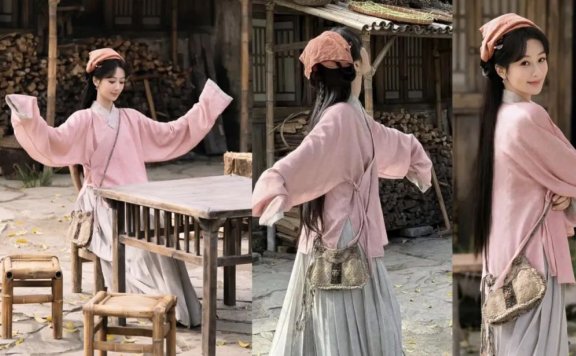
Yang Zi, the renowned Chinese actress, recently shared her Hanfu photos to celebrate the Lantern Festival, sparking widespread admiration online. Fans particularly praised the outfits for their everyday wearability. The Ming Dynasty-Inspired Hanfu Yang Zi showcased two distinct Aoqun (袄裙) styles, a common attire for women during the Ming Dynasty. The first was a pink cross-collar top paired with a gray pleated skirt, while the second featured a green front-closing top with subtle red accents for a contrasting effect. Both looks highlighted the elegance and versatility of Ming-era fashion. Historical Color Palettes The pink and gray combination reflects a timeless aesthetic, popular even during the Tang and Song dynasties. Notably, the Yangfei (杨妃色), a delicate pink hue derived from mineral pigments, adds a touch of historical charm. Similarly, soft greens and watery blues were favored for their understated sophistication. Modern Adaptations For a more formal occasion, Yang Zi’s standing-collar long coat with a Mamian skirt (马面裙) exemplifies Ming-era grandeur. However, the gray-toned ensemble proves that Hanfu can be adapted for daily wear with muted colors and thoughtful accessories. Styling Tips Traditional Hanfu often employs the 'clothing-over-skirt' technique, which, though less slimming than the reverse, offers a flattering fit for various… -
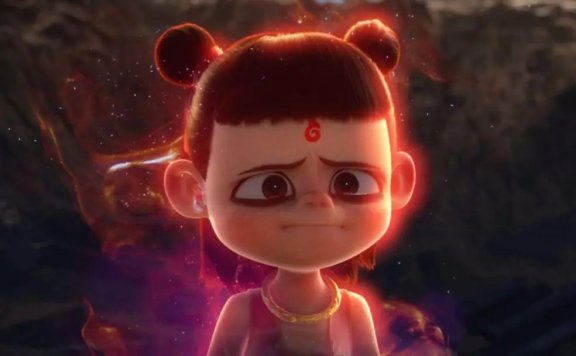
Why Nezha Always Has Bun Hairstyle?
The recent release of 'Nezha: The Devil Boy's Havoc' (Nezha 2) has reignited discussions about the iconic bun hairstyle that seems to define Nezha's appearance across various adaptations. Is it a coincidence or a stereotype? Netizens joke: 'Nezha can change his fate, but not his hairstyle.' The origin of the 'bun hairstyle' can be traced back to ancient China, where it was one of the many hairstyles popular among women. Its roots lie in the 'double bun' style, which was highly fashionable during that era. Excavated pottery figurines vividly depict the societal admiration for delicate feminine beauty. This trend even influenced ancient Japanese fashion, particularly during the Nara period. Historical dramas like NHK's 'The Great Buddha Opening Eyes,' set in Nara, showcase characters adorned with Tang Dynasty - inspired double - bun hairstyles. In Chinese history, children's double - bun hairstyles were referred to as 'Zongjiao.' Ancient texts emphasize the importance of preserving one's hair as a sign of filial piety. From around eight or nine years old, Han children, regardless of gender, would part their hair into two small buns resembling horns, hence the name 'Zongjiao.' Girls' buns were often styled like branching twigs, known as 'Yaji,' which led… -

Why Do Historical Dramas Feature Long Trailing Skirts?
In modern historical dramas, it's common to see characters wearing skirts with extravagant long trains. This naturally raises questions: Are these designs purely for cinematic effect, or were they practical in daily life? Did ancient people really wear such garments without worrying about dirt? Some netizens humorously remark that these skirts could double as mops. Not All Hanfu Had Long Trains First, let's clarify that not all Hanfu (traditional Chinese clothing) features long trains. While there are indeed styles with trailing hems, these were typically reserved for formal occasions or ceremonial wear, not everyday attire for commoners. Even nobles didn't wear such cumbersome skirts daily—they were reserved for grand, formal events. Exceptions Due to Fashion Trends However, there were exceptions driven by fashion trends. During certain periods, especially in the mid - to - late stages of dynasties, affluent families in society embraced extravagant styles, including wide - sleeved robes and floor - length skirts. This phenomenon, often associated with the 'decadent luxuries' of a dynasty's decline, involved garments worn infrequently, frequently changed, and maintained with the help of servants—thus minimizing concerns about cleanliness. Practicality in Daily Wear For daily wear, practicality was key. Historical artifacts reveal that the average… -

The Hanfu Boom: A Guide to Leading Brands
Hanfu (汉服, traditional Chinese clothing) isn’t just a nostalgic trend—it’s a global movement. What began as a niche subculture in China has evolved into a thriving industry, with brands blending historical accuracy with modern wearability. Forget stiff costumes; today’s Hanfu ranges from silk-adorned ceremonial robes to minimalist office-friendly pieces. Here’s a breakdown of the brands driving this revival, their signature styles, and why they resonate with Gen Z shoppers from Los Angeles to Jakarta. 1. Minghuatang (明华堂) Founded in 2007, this Guangzhou-based label has become synonymous with meticulous craftsmanship and eye-watering price tags—think ¥10,000 ($1,400) for a single set, with wait times stretching up to a year. https://www.youtube.com/watch?v=guu1ad17AH8 The Founder’s Obsession Hong Kong-born Zhong Yi (钟毅), a fashion design graduate from Guangzhou Academy of Fine Arts, noticed something odd in the early 2000s: At formal events, Koreans wore hanbok, Japanese wore kimono, but Chinese attendees rarely wore Hanfu. He started designing his own pieces, wearing them daily to normalize the tradition. In 2007, he co-founded Minghuatang with a clear mission: to recreate historically accurate Ming Dynasty (1368–1644) attire with museum-level precision. What Justifies the Price? Minghuatang’s garments aren’t just costumes—they’re wearable history. Every stitch follows 15th-century texts and artifacts, from… -
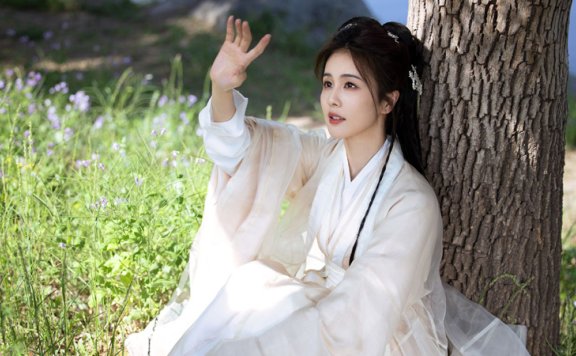
Bai Lu's Top 5 Cdrama Masterclass
Bai Lu's (白鹿) rise in costume dramas isn't just about beauty—it's a masterclass in versatility. From the tender restraint of a noblewoman to the fiery swagger of a rebel queen, she molds each role into something unforgettable. Take The Journey of Chong Zi: her character Cui Shiyi, a reserved heiress bound by tradition, contrasts sharply with The Legends of Lu Zhaoyao, a leather-clad warlord who smirks while swinging a sword. Even within a single series, like Song of Youth, she shifts seamlessly from Ming-dynasty elegance in embroidered silk to comedic chaos in slapstick disguises. Her secret? She leans into extremes. In The Legends, a crimson robe and unapologetic red eyeliner scream "villainess," while in Court Lady, a single red-dress dance scene—all swirling sleeves and defiant glances—cements her as the queen of physical storytelling. No two roles blur; each is a bold, deliberate stroke on a growing canvas of reinvention. This article highlights her top works, blending rich storytelling, cultural depth, and performances that transcend language barriers. One and Only 周生如故 Aired: 2021 Period Background: Set in a fictional dynasty mirroring the Northern and Southern Dynasties (420–589 CE), a turbulent era marked by fractured kingdoms, military coups, and rigid Confucian social… -
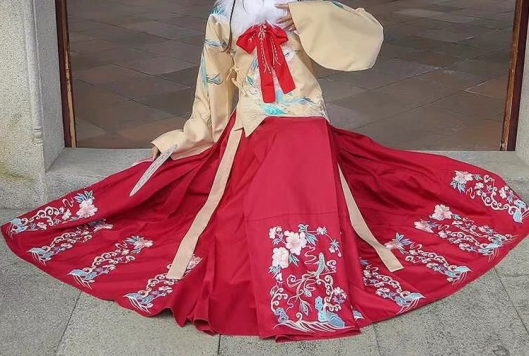
The Architectural Genius of the Horse-Face Skirt
The horse-face skirt (mamianqun) is more than a garment—it’s a feat of engineering that has captivated scholars and designers for centuries. Its enduring appeal lies in a harmonious blend of form and function, anchored by two defining elements: the ingenious four-panel system and an evolving language of pleats. This article explores how these structural innovations shaped the skirt’s identity across dynasties, transforming practicality into artistry. The Four-Panel System At the heart of the horse-face skirt lies its signature four-panel design (si qunmen), a revolutionary concept perfected during the Ming Dynasty. The structure consists of two wider outer panels positioned at the front and back, complemented by narrower inner panels along the sides. When fastened, the outer layers elegantly overlap the inner ones, revealing only two decorative “horse face” sections inspired by the defensive bastions of ancient city walls. This modular system served both aesthetic and practical purposes. The overlapping panels ensured modesty during movement—a critical consideration in Confucian-influenced societies—while allowing wearers to adjust the skirt’s volume for different occasions. Historical records from Jiangnan workshops reveal that affluent Ming households often commissioned interchangeable outer panels, enabling a single skirt to transition seamlessly from daily chores to ceremonial events through strategic fabric substitutions. The Evolution of… -
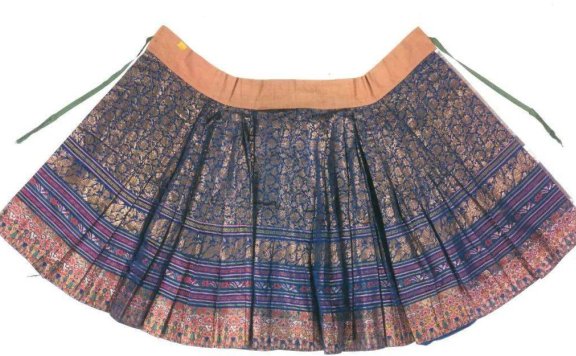
The Historical Evolution of the Horse-Face Skirt
The horse-face skirt (mamianqun), with its distinctive overlapping panels and intricate pleats, stands as a timeless symbol of Chinese fashion ingenuity. For nearly a millennium, this garment evolved alongside dynastic shifts, social norms, and artistic innovations. Today, it’s experiencing a global renaissance, embraced by Hanfu enthusiasts and haute couture designers alike. In this article, we unravel its remarkable journey from the Song Dynasty’s utilitarian xuanqun to the Qing Dynasty’s lavish pleated masterpieces. 1. Song Dynasty Origins: The Birth of the Xuanqun (10th–13th Century) The horse-face skirt’s story begins in the Song Dynasty (960–1279), an era marked by economic prosperity and technological advancements in textile production. Practical Design for Active Lifestyles The early prototype, called xuanqun (旋裙, “rotating skirt”), featured a two-panel split design that allowed freedom of movement. Unlike later elaborate versions, it prioritized functionality: Worn by working-class women for tasks like horseback riding and farming. Lightweight fabrics like silk gauze ensured breathability. Minimal pleating focused on ease of movement rather than decoration. Archaeological Evidence A pivotal discovery came from Huang Sheng’s Tomb (Fuzhou, 1243 CE), where a well-preserved xuanqun was unearthed: Made of sheer silk with simple knife pleats. Waistband secured with fabric ties, lacking the overlapping panels of later designs. 2. Ming Dynasty Standardization (14th–17th Century) The Ming Dynasty (1368–1644) transformed the xuanqun into… -
How Hanfu is Shaping Modern Trends in 2024
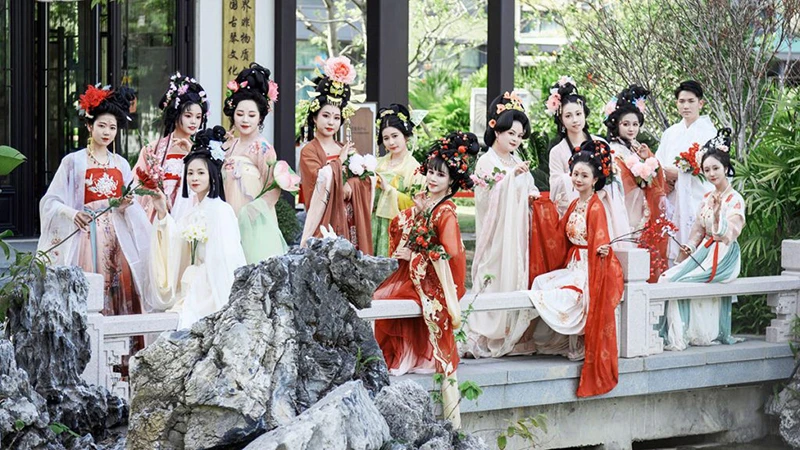
Hanfu, the traditional clothing of the Han Chinese, has experienced a remarkable resurgence. What was once a niche interest among history enthusiasts and cultural purists has now blossomed into a full-blown fashion movement. By 2024, the Hanfu market is not just thriving—it’s evolving, adapting, and influencing modern fashion in ways that few could have predicted a decade ago. The Hanfu Phenomenon The Hanfu revival isn’t just about clothing; it’s a cultural statement. Rooted in over 3,000 years of history, Hanfu represents more than just aesthetics—it’s a symbol of identity and heritage. In 2024, this traditional attire has found its way into the wardrobes of a diverse audience, from young students to working professionals, and even international fashion enthusiasts. The driving force behind this resurgence? A combination of government support, cultural pride, and the rise of China-chic (国潮). Policies promoting traditional culture, such as the "14th Five-Year Plan for the Development of Chinese Traditional Culture," have played a significant role in boosting public interest. Events like China Huafu Day (中国华服日) and Huazhao Festival (花朝节) have further cemented Hanfu’s place in contemporary culture, turning it into a symbol of national pride. The Market Boom: Numbers Don’t Lie The numbers speak for themselves.… -
The Unexpected Modern Appeal of Ming Dynasty Fashion
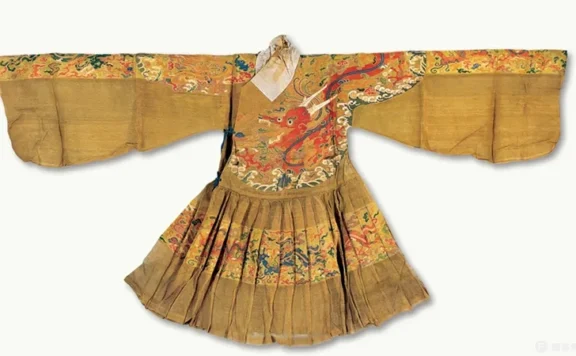
If you spotted a character in a historical drama twirling in a pink, pleated dress and thought, Wow, that looks surprisingly modern, you're not alone. The outfit in question, featured in The Glory (雁回时), closely resembles a contemporary flared dress, but it actually belongs to a category of Ming Dynasty garments known as tieli (贴里). This style, along with the similar yesa (曳撒), reflects a fascinating blend of influences, practicality, and visual appeal—so much so that modern designers could easily take inspiration from it. Tieli vs. Yesa: Not Just for Women At first glance, tieli and yesa might look like elegant, structured dresses, but in the Ming Dynasty, they were primarily worn by men. Both originated under the influence of Yuan-Mongol styles but were later adapted into Han Chinese fashion. The key difference? Yesa features a smooth front panel known as a Mamian (马面), while tieli is characterized by full pleats from top to bottom. These structured garments were designed for mobility, making them popular choices for officials, scholars, and even military figures. While women occasionally wore these garments, it was often as part of cross-dressing trends in dramas or plays, where they took on male roles. Today, it’s not… -
58-Year-Old Carmen Lee Stuns in Hanfu
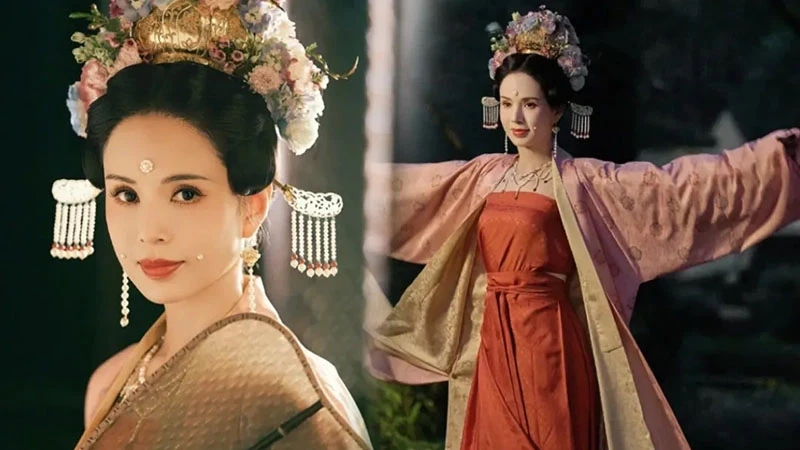
Carmen Lee (李若彤), the actress best known for her iconic role as the "Dragon Girl" in Return Of The Condor Heroes (神雕侠侣), has once again captured the public’s attention—this time, not for her acting, but for her breathtaking appearance in Hanfu, traditional Chinese clothing. At 58, Lee’s grace and poise have left fans in awe, proving that true beauty transcends age. Whether in modern attire or ancient garments, she exudes a blend of elegance and strength that continues to inspire. A Perfect Match for Song Dynasty Style Lee’s recent Hanfu looks draw inspiration from the Song Dynasty, a period renowned for its understated yet sophisticated fashion. Her outfits typically feature a cross-collar blouse paired with pleated skirts, a classic combination that reflects the refined taste of noblewomen from that era. The addition of a pibo (披帛, a long silk scarf) adds a touch of fluidity and grace, enhancing the overall aesthetic. Her makeup, reminiscent of the Tang and Song dynasties’ Feixia style (飞霞妆), involves a light layer of rouge topped with white powder, creating a delicate, rosy glow. This technique, also seen in Liu Yifei’s (刘亦菲) portrayal in A Dream of Splendor (梦华录), complements warm skin tones beautifully, making it… -
Finding Fabrics: "Thrifted" Hanfu Materials
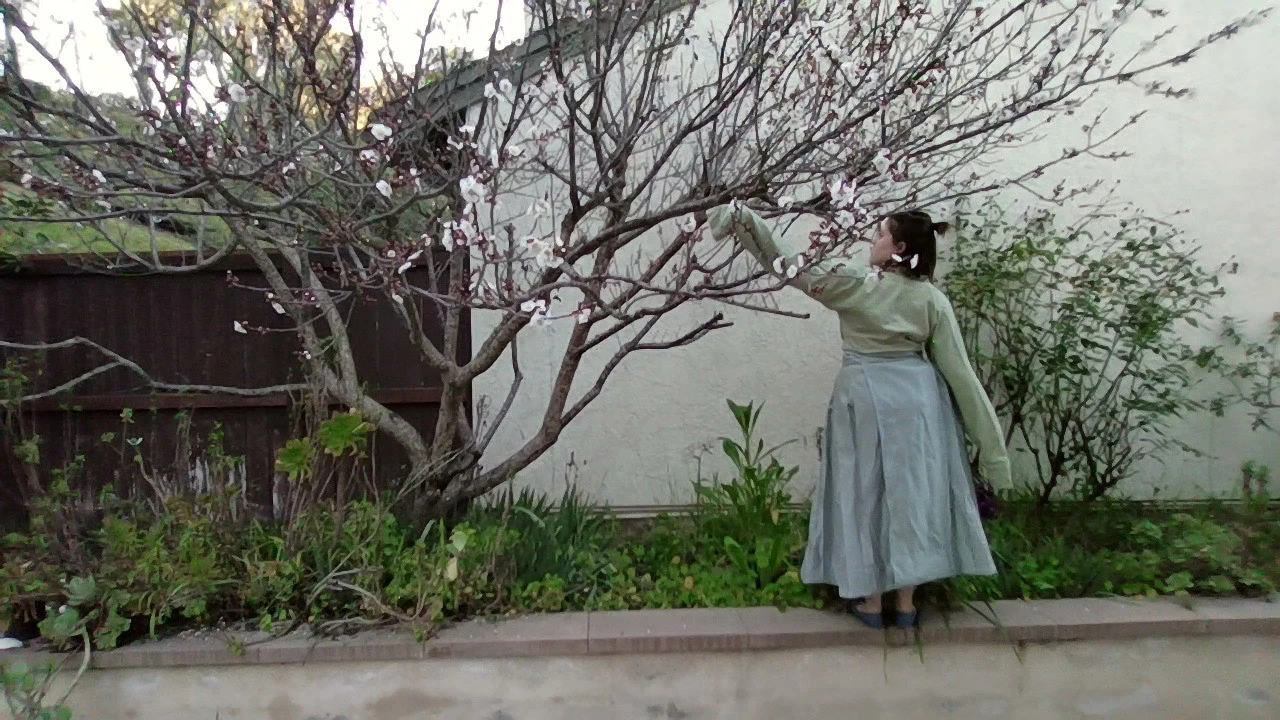
Why should hanfu makers turn to thrift stores? For the deals, of course! -
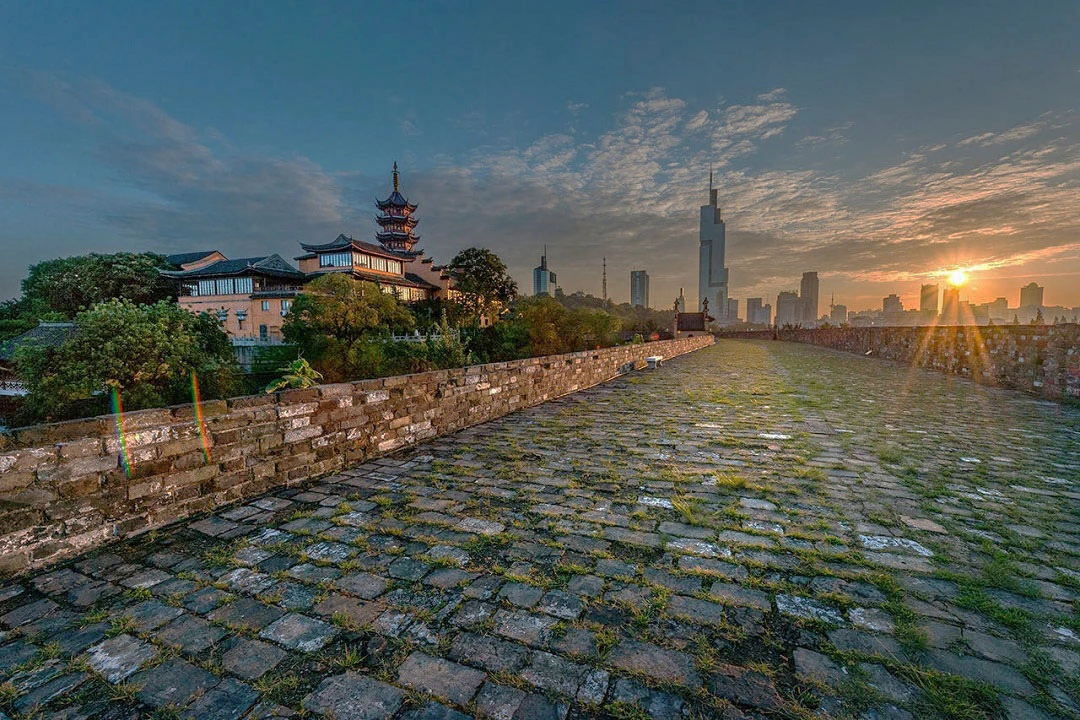
Embracing Oriental Aesthetics: Chinese and American Youths Explore Nanjing
On June 25th, a unique cultural exchange took place as over 40 Chinese and American high school students from the Ricci Young Scholars Program (光启青年学者项目) embarked on an immersive journey through the historic city of Nanjing. This initiative aims to foster deep cultural understanding between youths from both nations, with participants this year focusing on the classical gardens of China. The day began at the renowned Southeast University, a prestigious institution with a rich architectural heritage. Professors Wang Xiaoqian and Gu Kai delivered insightful lectures titled "I.M. Pei and His Suzhou Museum" and "Understanding Chinese Classical Gardens: Beginning with Dianchuny (殿春簃) ," respectively. Through these lectures, the students gained a unique perspective on Chinese architecture and its intricate relationship with nature and history. The morning session concluded with a serene walk through the rain-kissed campus, allowing the students to absorb the historic and contemporary essence of the university. Exploring Nanjing's Majestic City Walls In the afternoon, the group visited the Nanjing City Wall Museum. Here, they engaged with the history and cultural significance of the ancient city walls through a variety of exhibits, including artifacts, digital sand tables, and interactive displays. The highlight of the tour was ascending the iconic… -
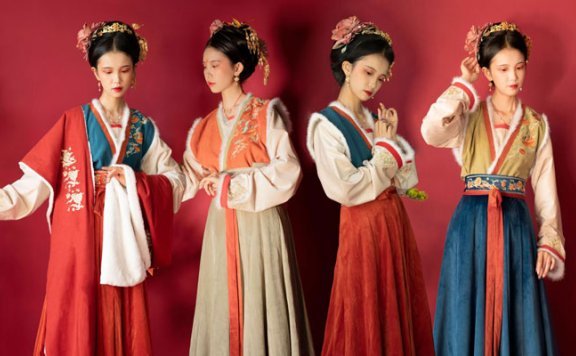
2025 Hanfu Free Giveaways & How to Get Points
Hi everyone, welcome to newhanfu.com, the Newhanfu Community. “To help more people to learn Hanfu costume, Chinese traditional culture and feel the charm of China!” – this is our philosophy, which we have been insisting on many years. And we are so glad that we are still here with all of you. In order to give back to all our readers for their long-term support, we have prepared a variety of fascinating hanfu costume gifts for those who love and give publicity to Hanfu. Starting from 2021, we have officially launched the Hanfu Free Giveaways. We are looking forward to your participation and get your first set of hanfu costume. By 2024, we've given away more than 1,300+ free hanfu for our members (they come from all over the world, and including many social medias, like Facebook, Instagram, Reddit, Tiktok, etc. Thank you all for the love and always support) Hanfu Free Giveaways Points for Discount Start earning points and unlock exciting discounts on our exquisite hanfu collection. Every 100 points earned equals $1 in discounts on future purchases. For example, if you have accumulated 500 points, you can enjoy a $5 discount on your next order in Newhanfu Store. … -
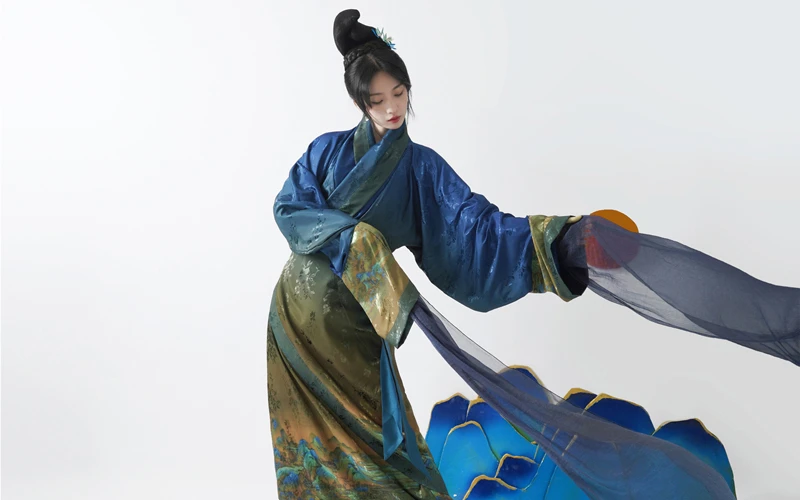
From Dynasties to Daily Wear: The Resurgence of Hanfu Fashion
Mamian skirt, Qixiong dress, and the hundred-pleat skirt; wearing traditional Hanfu has become a new trend in public attire in recent years, whether it be for sightseeing, wedding ceremonies, shopping, friend gatherings, and various other occasions. The "Hanfu craze" continues to rise, blending tradition with modernity, activating cultural resources, igniting the consumer market, and driving industrial development. In recent years, Hanfu has gradually gained popularity among the younger generation, with their youthful expression and fashionable presentation bringing Chinese traditional culture into daily life in a tangible and palpable form. The long-standing Chinese traditional clothing culture embodies a blend of Chinese aesthetic interests, reflecting not only a consumer choice but also the Chinese people's love for outstanding traditional culture. Demand exceeds supply During the Spring Festival and Lantern Festival of the Year of the Dragon, the activity of "wearing Chinese costumes for free to visit the Confucian Temples" in Qufu City, Jining, Shandong, has been well received. Wang Chunling, a visitor from Liaoning, traveled a long distance with friends to play here, attracted by the lively atmosphere of night tours in the ancient city of Qufu and folk performances, and dressed in Hanfu to join the parade. This year, garments… -
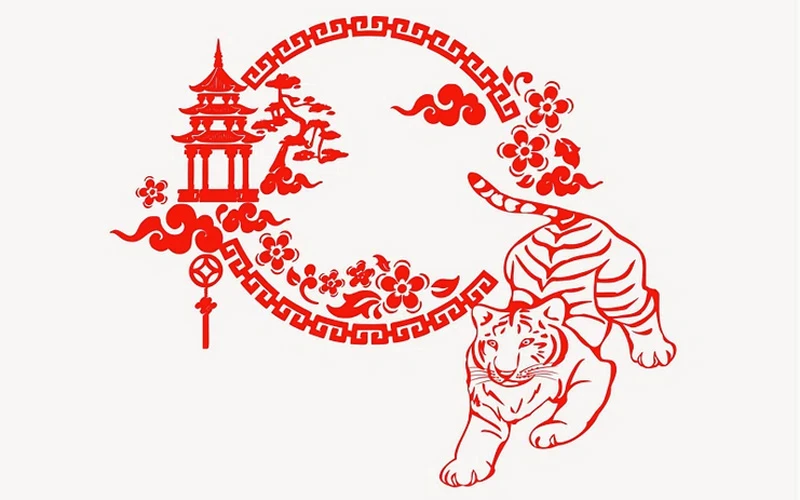
Animal Symbolism In Chinese Culture
Have you ever wondered about the animal motifs on your hanfu and what they stand for? Why are there so many dragons in traditional Chinese art? And what’s up with the monkey statues everywhere? Let's delve into the symbolism of animal motifs. It will only take about 5 minutes of your time, and hopefully, you'll learn something new or revise what you already know! Each hanfu garment is unique. It has various styles and designs, that reflects different historical periods and regional influences. Although the differences are significant, many of them include similar animal embroidery and motifs. Animals that have been deeply intertwined with Chinese culture from its earliest days. Animals in Chinese culture are thought to be symbolic representations of various aspects of life. Understanding the symbolic meaning of an animal will lead to grasping the hidden message of the art. It is not only an important decorative element but also adds meaning, symbolism, and cultural significance to the art, particularly in the context of Hanfu garments. Most commonly used animal motifs are: Birds: Birds are often associated with the sun and allegorical folk-tales. Each bird carries its own unique symbolism, though most are connected to happiness and… -
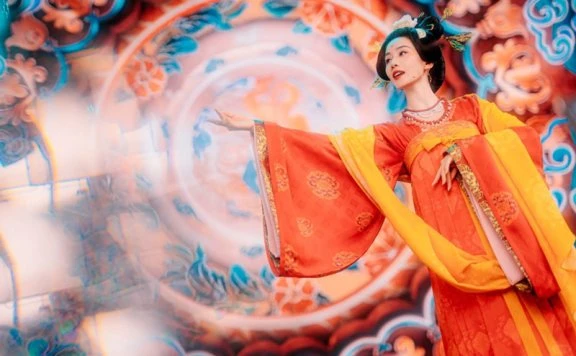
2024 Spring Festival Gala Highlight: Nian Jin - Traditional Hanfu and Ornate Designs
The program "Nian Jin" at the 2024 CCTV Spring Festival Gala showcased the beauty of traditional Hanfu from various dynasties to billions of viewers. Among them, the exquisite patterns connected the vision of a prosperous new year and allowed more people to understand the essence of traditional Hanfu, which is supported by classical patterns and traditional fabrics. From the grandeur of the Warring States period to the elegance of the Ming Dynasty, this stage performance passed down the beauty of China's thousands of years. Liu Tao, Liu Shishi, Li Qin, and Guan Xiaotong led the singing of "Nian Jin", and they represented the splendor of the Han, Tang, Song, and Ming dynasties, HANTIME will share the highlights in detail with us. Liu Tao's outfit consists of a Zhiju robe and a Gui Yi, with yellow as the main color, representing a solemn and grand emotional meaning. The pattern combines the patterns of the Chinese flowering crabapple and clouds, with a cape made of swallowtail gauze. The hem of the robe is made of Changle Mingguang brocade, a Han dynasty brocade discovered in Loulan, Xinjiang. The pattern mainly features animal motifs, with the words "Changle Mingguang" symbolizing auspiciousness, intricately woven with… -
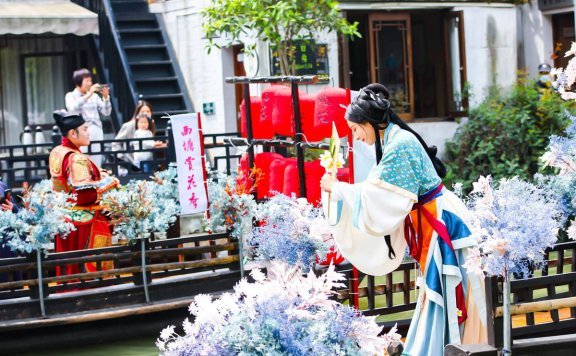
The Popularity of Hanfu Culture: When Traditional Hanfu Dress Comes to Contemporary Life
An increasing number of young people are beginning to experiment with wearing hanfu, these clothing styles, which were widely used in different historical dynasties in ancient China, are now being reintegrated into contemporary life and have become an important part of youth culture. The Origin of Hanfu Culture: From Niche to Popular Typically, the origin of the modern Hanfu culture is traced back to 2003. On November 22nd of that year, a power worker named Wang Letian from Zhengzhou, Henan, walked into a downtown commercial street wearing hanfu. This event was reported by Singapore's Lianhe Zaobao, making Wang Letian the first modern Chinese person wearing hanfu to appear in public. Wang Letian was introduced to hanfu culture through forums Han Wang, and around 2003, the first hanfu enthusiasts gathered around Han Wang and other online hanfu forums, gradually forming the Hanfu circle. At the same time, some offline Hanfu culture communities began to be established. Around 2011, the subculture of adolescent internet culture rapidly developed. With the successive rise of the Lolita and the JK uniform fashion subculture, as well as the development of the cosplay community, hanfu has found its place among various clothing subcultures and has gained…