
On June 17, 2026, the 21st Qingyang Xiangbao (香包, scented sachet) Folk Culture Festival opens at the Qingyang Folk Culture Industry Park in Gansu Province. Running through June 21 — coinciding with the Dragon Boat Festival holiday — the festival themed "High Heaven, Deep Earth, Blessed Qingyang" combines intangible heritage experiences, folk art exhibitions, regional cuisine, and cultural commerce.
The festival is the only national-level folk culture event in China dedicated exclusively to the scented sachet — a traditional embroidered pouch filled with aromatic herbs, worn during festivals for both decoration and health. Qingyang's xiangbao tradition dates back centuries, and the local craft was inscribed as a national intangible cultural heritage item in 2008.
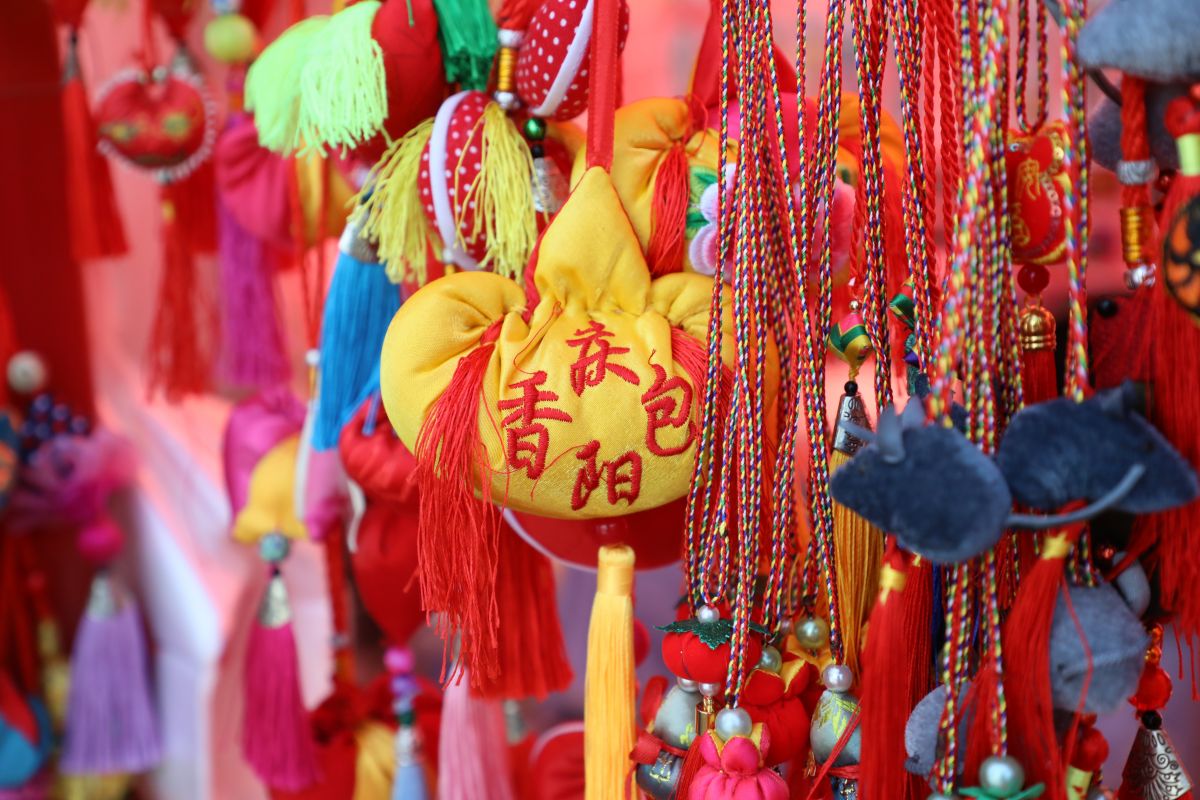
This year's edition features four major zones: an intangible heritage immersive experience area, a folk art and performance stage, a creative cultural product market, and an independent food zone showcasing Gansu regional cuisine — from Qingyang's signature buckwheat noodles to Longdong-style lamb dishes and Dragon Boat Festival seasonal foods.
The intangible heritage zone is the centerpiece. Visitors can watch artisans demonstrate sachet embroidery, paper-cutting, shadow puppetry, and pottery — and then participate in hands-on workshops. The goal, according to the organizing committee, is to move xiangbao from "something you admire" to "something you can make, buy, and use in daily life."
The timing is deliberate: Dragon Boat Festival (June 19) is the traditional season for wearing xiangbao, and the overlap between festival dates and national holiday creates a natural audience surge. Qingyang expects over 500,000 visitors across the five-day run, a 30% increase from 2025.
The festival's economic model has evolved significantly. In its early editions, xiangbao sales were the primary revenue driver — tourists bought sachets as souvenirs and left. The 2026 format integrates the entire value chain: sachet-making workshops charge ¥20–50 per session, the food zone drives meal spending of ¥50–100 per visitor, and the creative product market sells items ranging from ¥30 phone charms to ¥500 framed embroidery pieces. The shift from "buy a sachet and go" to "spend a day experiencing, eating, and shopping" has increased per-visitor spending from an estimated ¥15 in 2015 to ¥80 in 2026.
Xiangbao's cultural significance extends beyond decoration. Traditional Qingyang sachets contain mugwort, realgar, and other aromatic herbs selected according to the wearer's age and health condition — an ancient aromatherapy practice linked to Dragon Boat Festival's disease-prevention logic. In 2026, some artisans have begun offering "custom formula" sachets where visitors choose their herb mixture — a personalized approach that bridges traditional knowledge and contemporary wellness trends.
The festival also serves as a talent pipeline. Young artisans who demonstrate their craft at the event are recruited by Qingyang's growing xiangbao e-commerce sector — over 200 online shops now sell Qingyang sachets year-round on Taobao and Douyin, extending the festival's economic impact far beyond its five-day runtime.
