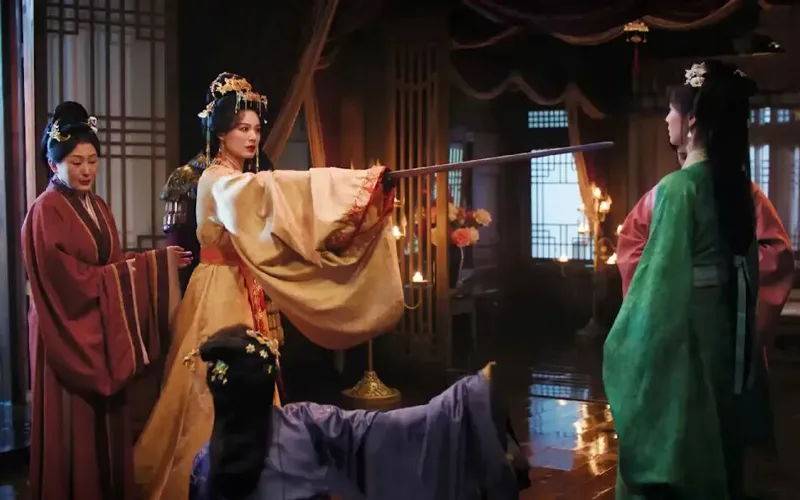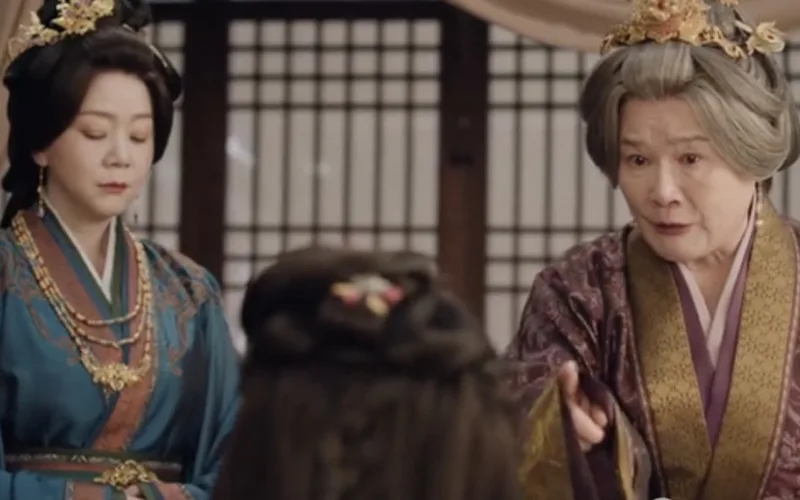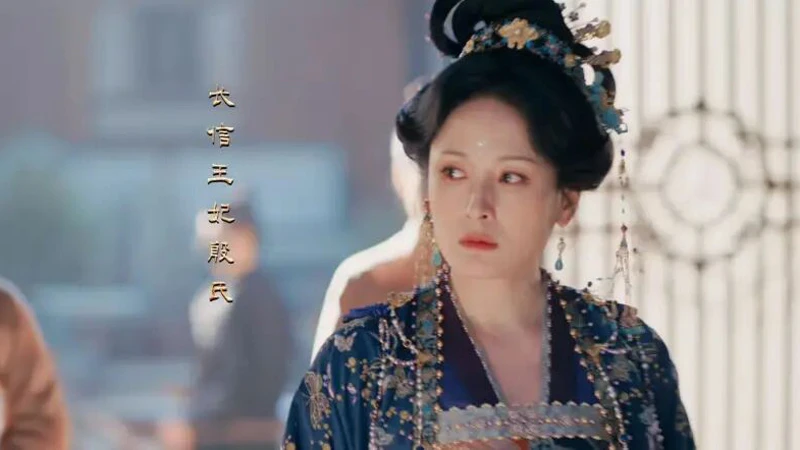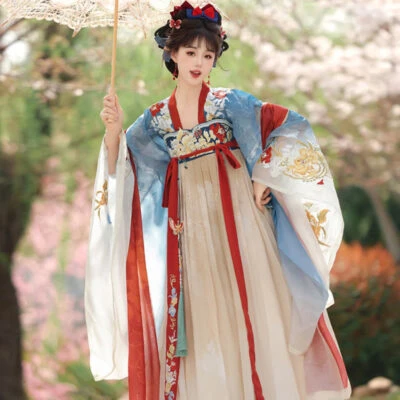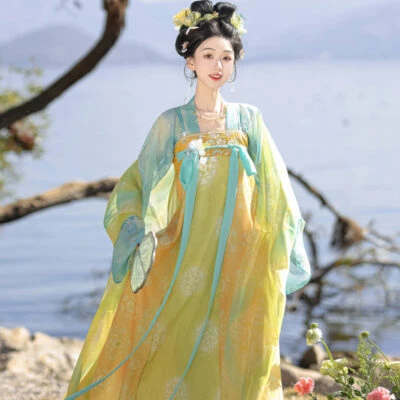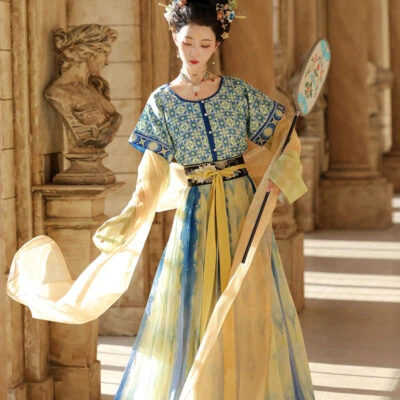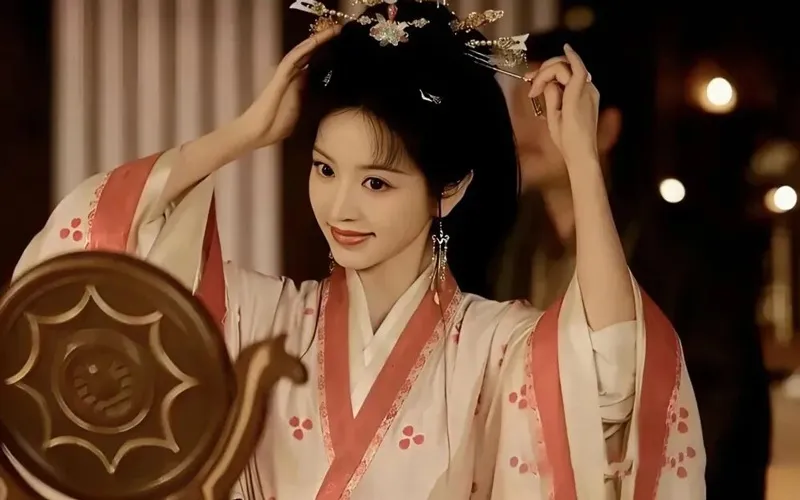
At first glance, the title of Where the Mask Ends (嫁金钗) feels like a riddle. A poor girl, a borrowed name, a rich household: the setup sounds familiar, yet the words refuse to sit still. Halfway through the story, the meaning begins to bite. The hairpin is not simply jewelry. It is a pass, a price tag, and a chain, all at once. The question is not who wears it, but what wearing it costs.
Hairpin as Status
In old China, a girl’s fifteenth year often brought the Ji Li (及笄) rite. Her hair was pinned up, and her adult life began. A single-prong pin was a zan; a two-prong pin was a chai. The difference looked small, but it marked class.
Wealthy girls wore gold, jadeite, or nephrite pins at marriage. Poor girls used thorn twigs. A glance at the head could reveal a whole household. The hairpin spoke before the woman did.
So “Where the Mask Ends” first means a woman puts on luxury and enters a high gate. In the drama, A Chou (阿丑) wears a borrowed pin and takes Jun Dai’s (君黛) place. That is the surface meaning, clear and sharp. It is also the first trap.
The three meanings of Where the Mask Ends are as follows.
1. A Trade, Not Love
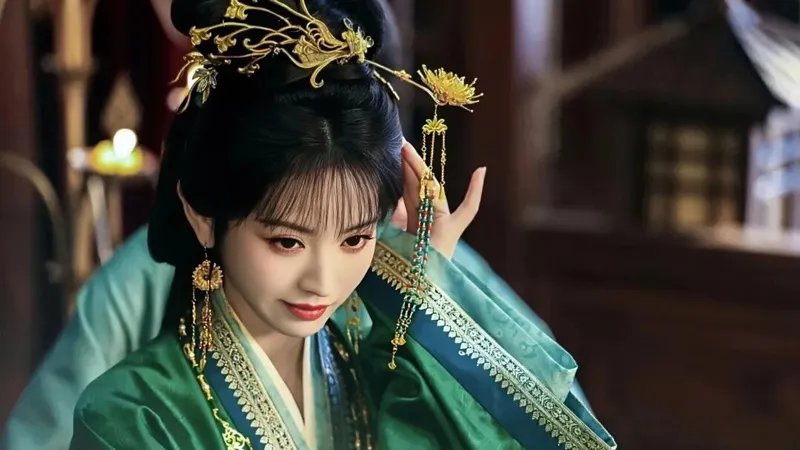
Wei Rao (魏娆) agrees to the swap for cold reasons. She is not chasing romance. She wants to escape death, pay a debt for her foster mother, and shield younger siblings. The pin is a bargain chip.
Jun Dai sees the pin differently. Raised in Bo Manor (伯府), she treats the golden symbol as her only armor. Lose it, and she fears she is nothing. So she schemes against Wei Rao without pause.
Guo Yufeng (郭虞凤) also wears gold in public. The pin wins respect, but it pins her down too. She must smile, stand straight, and hide resentment. Outsiders see glory; she feels the tight wire.
The exchange is brutal because everyone pretends it is festive. Red cloth covers a contract. Bowls of tea hide calculations. Wei Rao’s calm face makes the deal sharper: she knows the pin is rented, not gifted, and rented things can be reclaimed.
2. Marriage as Cage
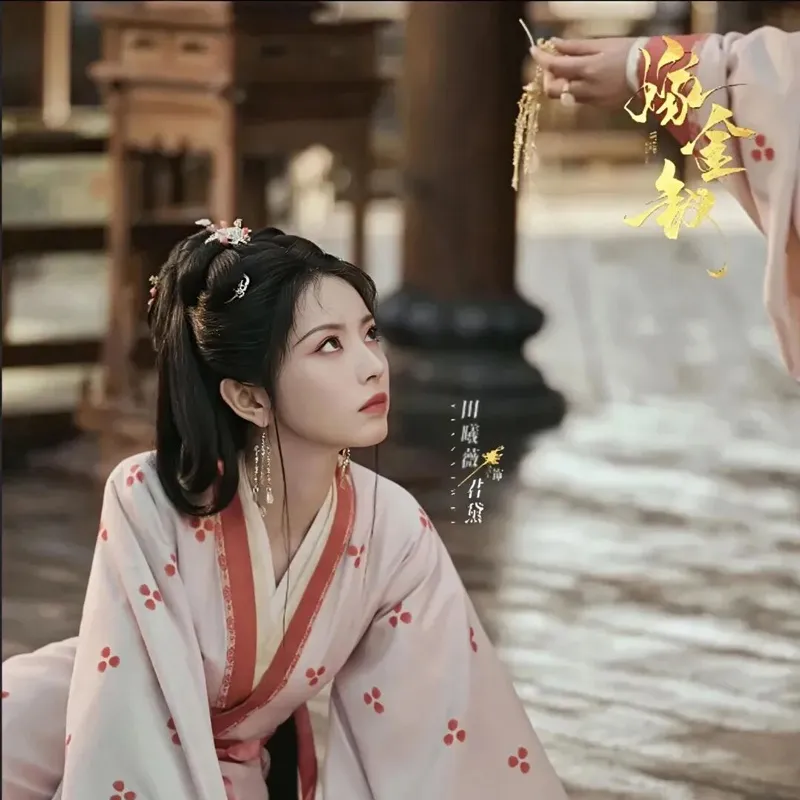
Wei Rao’s wedding looks like a climb. In truth, the marriage is a shell. The real burden is the identity tied to the pin. Once she wears it, she is pulled into fights between Bo Manor and the Duke’s house.
This matches many women in old stories. Family interests decided who married whom. A daughter could become a bridge between clans. The hairpin was a label; the wedding was a tool.
The pin gave women comfort and confinement in the same breath. It opened doors, then locked them from inside. That is the second layer of the title: the golden gate is also a golden cage.
Her new relatives watch her manners, her speech, her every step. One mistake could expose the swap. The pin gives her a seat at the table, but the table is crowded with knives. She must survive by reading faces, not by trusting vows.
3. Two Kinds of Women
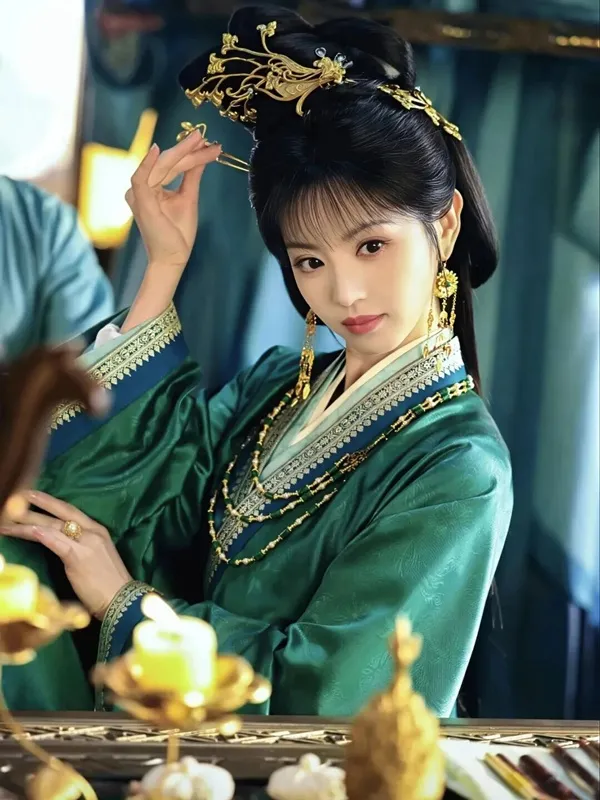
The women in the drama split into two camps. One camp chases the pin as if it were life itself. Jun Dai grabs for it. Guo Yufeng stays trapped inside its rules. Wei Shu (魏姝) wants a bigger pin, a higher chair, more power. Each wants the room that the pin can unlock.
They treat status as the only finish line. Desire tightens around them. Each scheme costs something, and the cost keeps rising. In the end, the pin they protect begins to own them.
Wei Rao stands apart. She never wanted the pin. Wearing it is a temporary move to save herself and her family. She knows the label is outside her skin. She can use it without letting it use her.
No Blame in Gold
The old phrase described a girl growing up and marrying. The drama twists that custom into a tale of true and false daughters. The golden hairpin has no moral value. People give it meaning, then suffer for that meaning.
A rich house has shining pins, but also sharp rules. A poor house has plain clothes, but more room to breathe. Neither life is automatically happy. Comfort and class rarely arrive together. The object is not the problem; the grip is.
Wei Rao’s path offers a plain warning. A borrowed title and public praise cannot name who you are. What traps a person is not the gold on the head. It is the thought that gold must be held forever. That lesson is quiet, but it lasts.