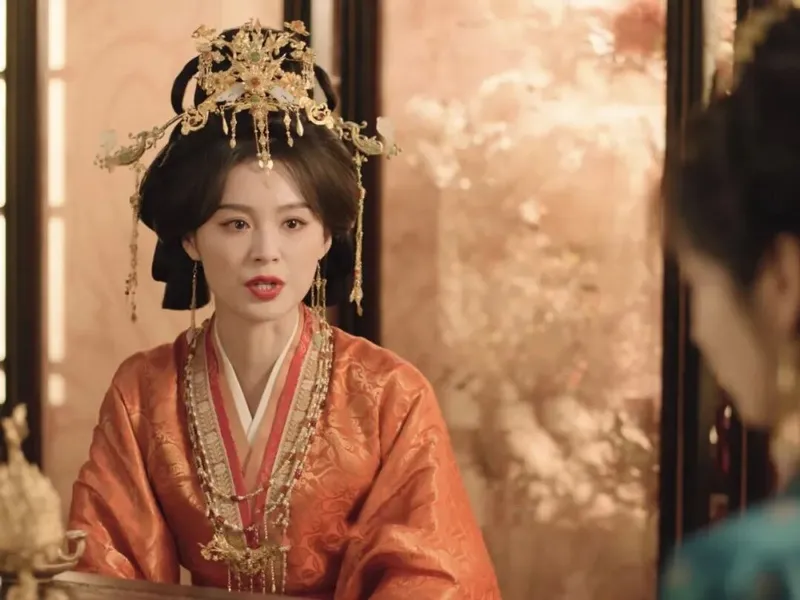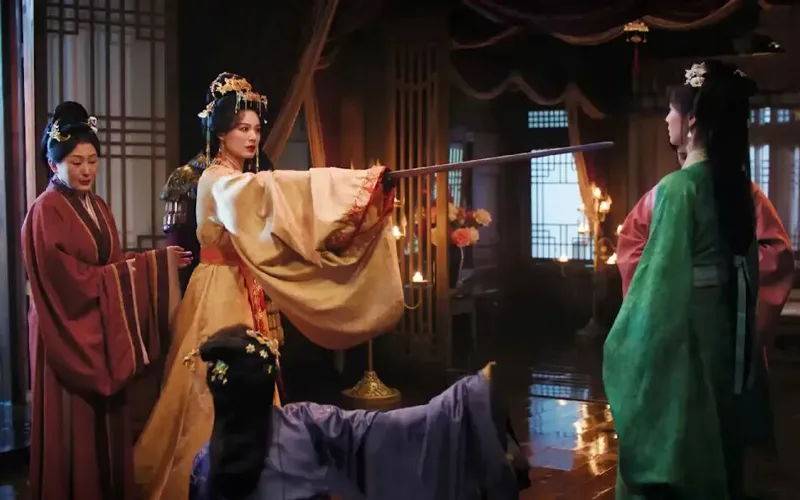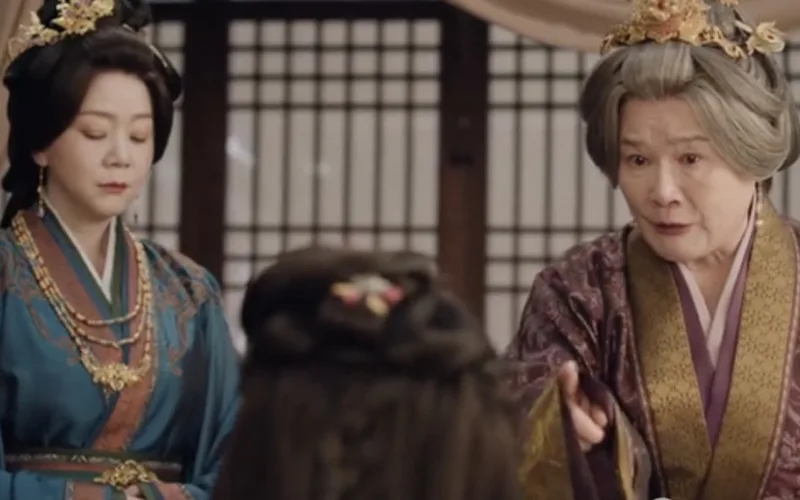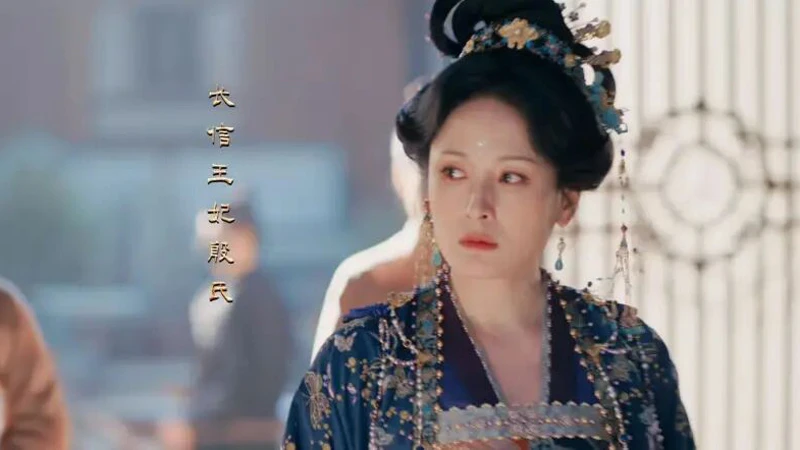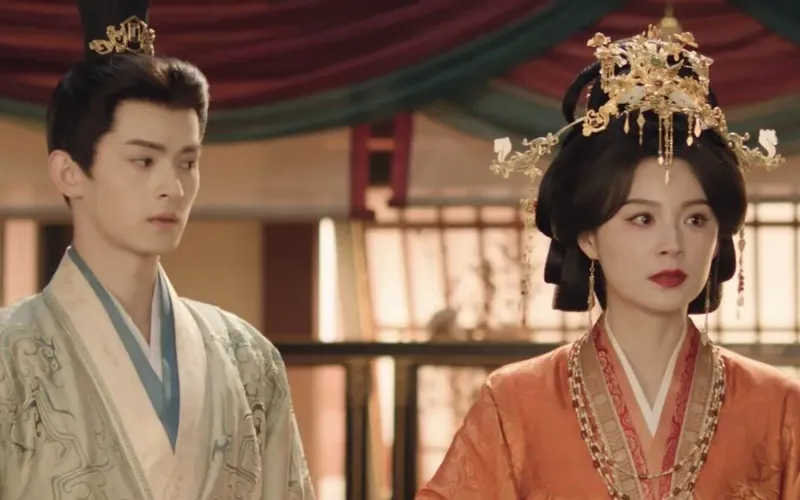
In Where the Mask Ends (嫁金钗), Weiyang Palace (未央宫) rewards smiles and punishes open need. Li Zhaoyi (丽昭仪) holds the emperor’s ear, yet she keeps Liu Shuo (刘朔) away from his sister Wei Rao (魏娆). Courtiers whisper that the boy is spoiled, loud, and useless. A careless mother? Maybe. But every rumor has a cost and a purpose. The drama asks a sharper question: why would a woman chasing the empress’s seat hand her son a tarnished name?
The answer sits in the gap between what the palace sees and what she plans. Inside those walls, affection is rarely simple; it is timed, measured, and sometimes disguised as neglect. The audience sees a mother’s coldness; the court sees a spoiled prince; she sees survival.
Calculated Silence
Li’s favor is real. She can cry before the emperor, even call him “old dog,” and win Wei Rao a divorce letter. That scene stings the empress dowager. Still, charm is not a clan. The empress has the Han (汉) family and the emperor’s mother behind her; her adopted son, the Prince of Jing, gives her another wall. Zheng Jieyu (郑婕妤) has brothers and a father once powerful enough to command armies, plus a son with court respect. Wang Xing’e (王娙娥) lacks official rank but owns mountains of copper and a fortune the throne needs. Li counts these advantages and knows her own ledger is thin. One wrong move could turn her into a warning story.
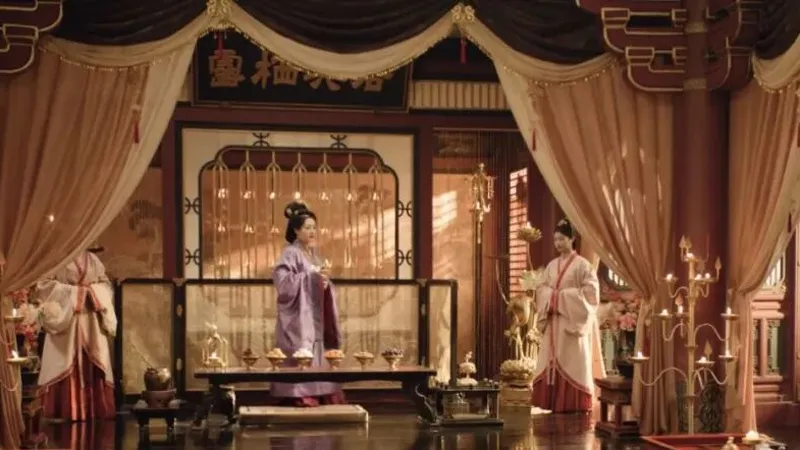
So she hides. Not because she forgot Wei Rao, but because visible love invites a knife. The empress already struck at Wei Rao’s maid and humiliated her in public. If Li’s children looked brilliant, they would become targets for every jealous faction. A dazzling son would alarm the empress; a clever daughter would feed rumors. Li chooses a duller surface. She lets Liu Shuo look unruly and keeps motherly affection behind closed doors. His warm feelings for Wei Rao prove the private story is different: he was told good things about his sister, just not allowed to show them. Public noise becomes a curtain; under it, loyalty can breathe. That choice costs her, but it buys time.
This is not neglect. It is timing. Sixteen years of endurance have taught Li that a favorite without troops, money, or a powerful clan cannot win by applause. She must wait for rivals to overreach. The empress’s temper, Zheng’s schemes, and Wang’s gold are all useful distractions if Li refuses to stand in the light. A mother who truly wanted nothing would not study the board so carefully. Her silence is active. It protects her son, preserves her favor, and keeps enemies guessing about what she values most. Even a small mistake can be collected and used later. She teaches patience by example, not by speeches. The palace remembers every careless boast.
Borrowed Knives
History offers a mirror. Wang Zhi (王娡) of Western Han (汉) entered the palace with little backing. Before her son Liu Che (刘彻) grew powerful, she dreamed of a sun falling into her lap, a lucky sign for a royal mother. She did not attack the proud Consort Li directly. She accepted Princess Liu Piao’s (刘嫖) alliance, let others wound her rival, then waited as Emperor Jing’s (景) patience wore out. When officials suddenly asked that Consort Li be made empress, the emperor saw manipulation, not loyalty. The crown prince fell; his mother’s position collapsed. Wang Zhi stayed calm and rose. Her weapon was delay, not noise. She let ambition look like obedience.
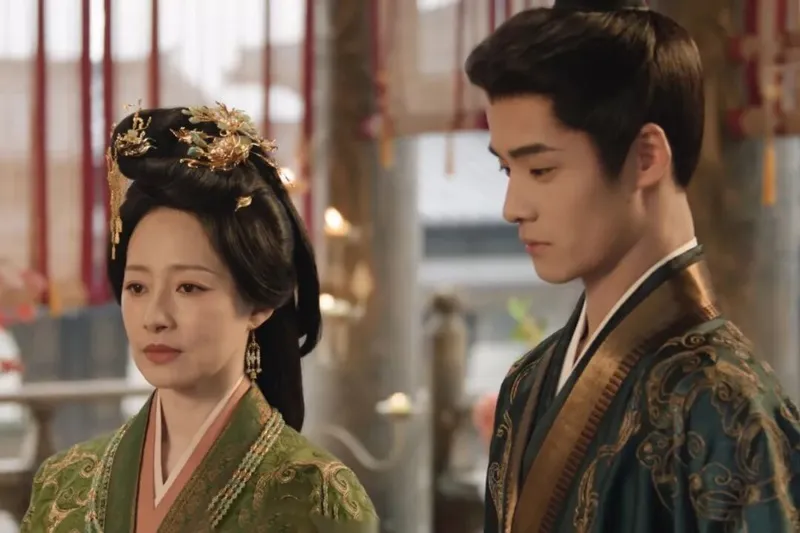
Li Zhaoyi follows a similar instinct. She does not charge the empress’s gate. She lets Liu Shuo’s public reputation sink, because a prince who seems foolish is less urgent to destroy. She lets Wei Rao stand alone in some storms, because a mother’s open rescue can make the daughter a bigger prize. This looks cold from the corridor. From Li’s side, it is a shield. The boy’s affection for Wei Rao remains a private thread; the court sees only a spoiled child. That mismatch is the point. A bad name can be a locked gate, and a locked gate can hide a weapon. It can also hide a favorite son until the hour is right.
The emperor’s love has terms. While Li amuses him, he grants small mercies. If she becomes a problem, he can withdraw faster than he smiled. Li understands this better than her rivals. So she keeps her edge hidden and lets others exhaust themselves. The question in Where the Mask Ends is not why she fails to teach her son. It is why the palace mistakes camouflage for incompetence. A golden hairpin can sparkle, but a dull sheath survives the night. Her ambition does not shout. It waits, watches, and saves its sharpest point for the right throat. When the final move comes, the court may finally see what a bad reputation protected. By then, apology will be too late.