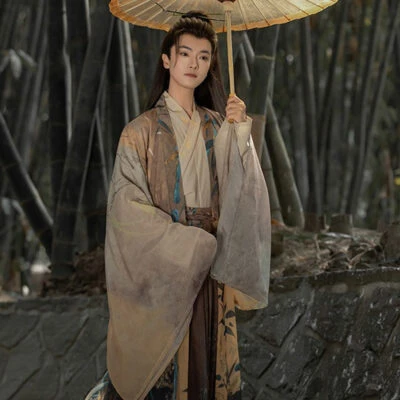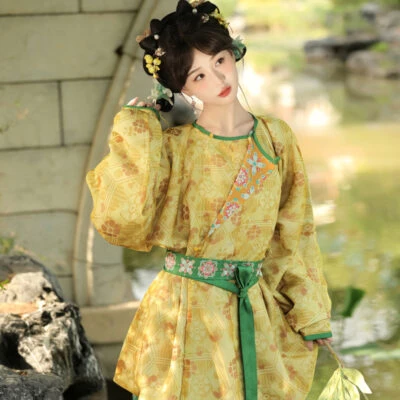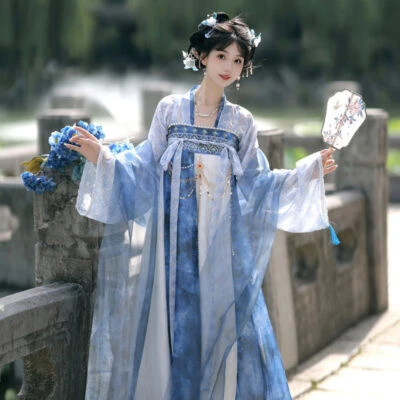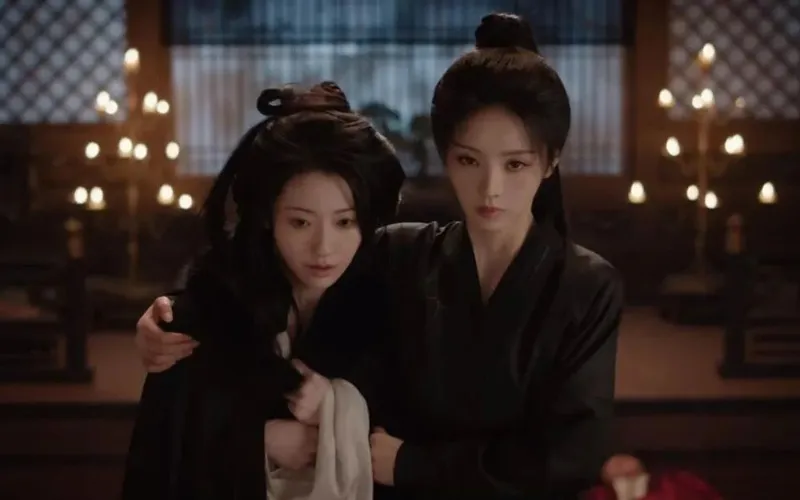
At first glance, Where the Mask Ends (嫁金钗) looks like Wei Rao’s (魏娆) story. She escapes a dangerous family, wins a noble title, removes a queen, and corners a cruel Crown Prince. Yet the quieter arc belongs to Hongxian (红线). She is kidnapped, silenced, rescued, married, widowed, and finally lifted to Empress Dowager. Her path seems pushed by others. Look closer, though, and her choices form a pattern. She does not grab power with a sword. She lets powerful people feel responsible for her, then stays close enough to benefit. The question is not whether she suffers. The question is who turns suffering into a ladder.
Soft Strategy
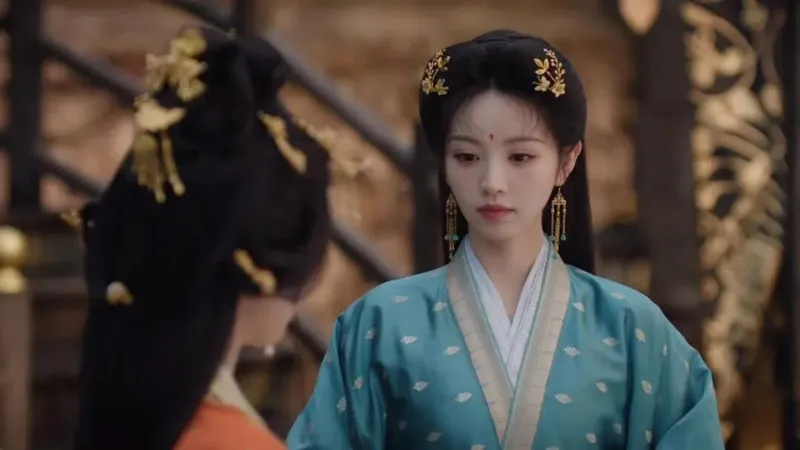
Hongxian’s first lesson comes from her mother Qiao (乔) and brother Runsheng (润生). They depend on Wei Rao after being settled in Shuzhou (舒州). Qiao soon dies; Runsheng loses money. The pair reappears in the capital, supposedly seeking help. That excuse is thin. Wei Rao has watchers around them. Runsheng lacks the discipline to slip away unnoticed. Someone quieter planned the move. Hongxian understood that distance from Wei Rao meant distance from comfort, protection, and attention. A small stall in a busy street sounds humble. It also works as a signal flag. She is not hiding. She is waiting to be found.
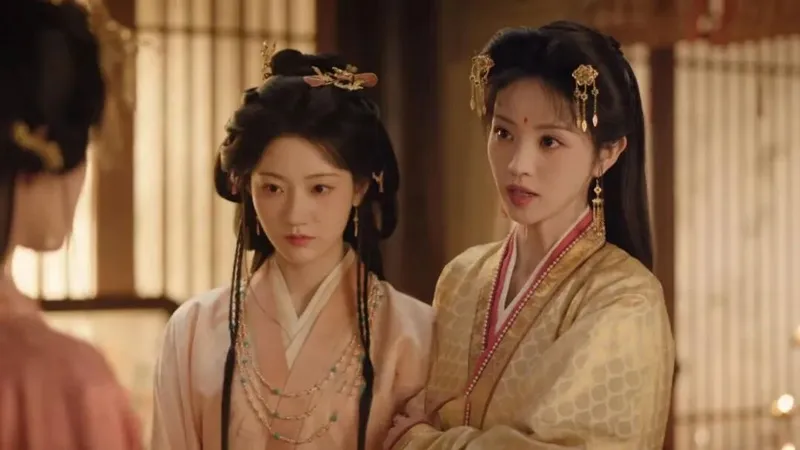
When the Crown Prince seizes her, Hongxian shouts that she is the sister of the Wu’an (武安) Princess. That cry is not only panic. It buys time. A low-ranking captor may fear Wei Rao and release her. A high-ranking enemy may use her as a bargaining chip. Either way, she survives long enough for rescue. Her weakness becomes a message: harm me, and answer to Wei Rao. The rescue then deepens Wei Rao’s guilt. Hongxian is placed in a mountain villa, fed well, guarded closely. She does not need to demand pity. Her bruises speak for her. That is soft strategy, and it works.
Wei Rao’s guilt is useful, but Hongxian also needs a permanent place near the center. The Crown Prince’s threat to make her a concubine creates the opening. Liu Shuo (刘朔), Wei Rao’s half-brother, marries her to block that move. The marriage is political. Liu Shuo loves Xie Hualou (谢画楼), who later becomes queen. Hongxian enters as a minor wife, not a love match. Still, she gains a roof inside the royal machine. She does not complain about the arrangement. She waits. In a house where affection points elsewhere, patience can become leverage.
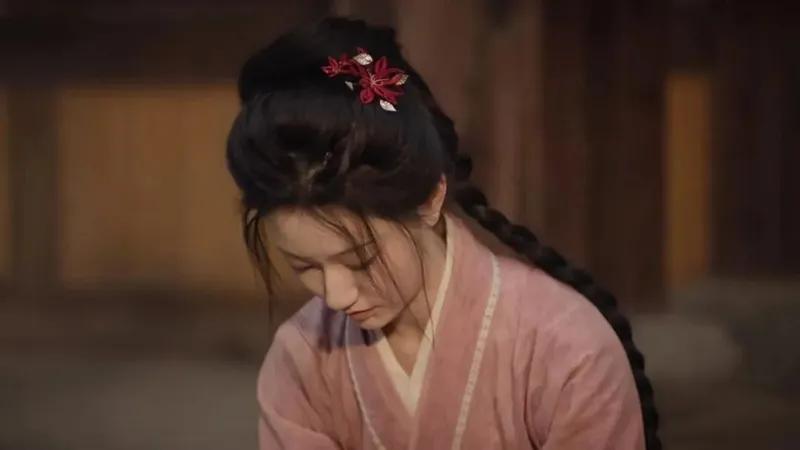
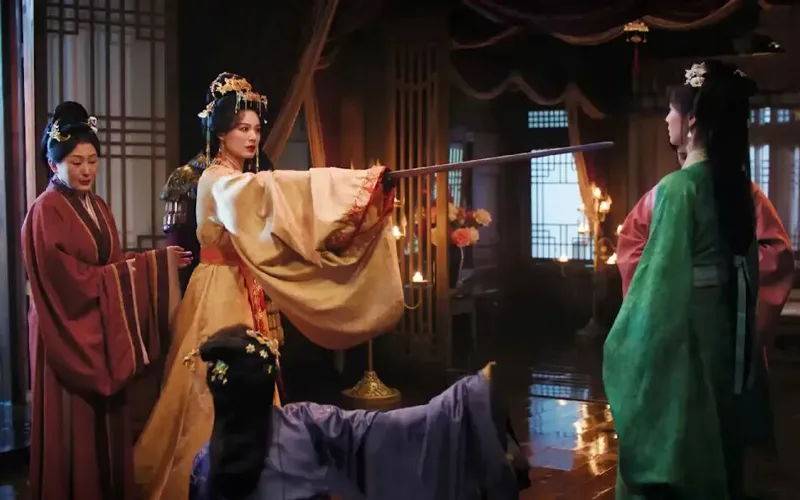
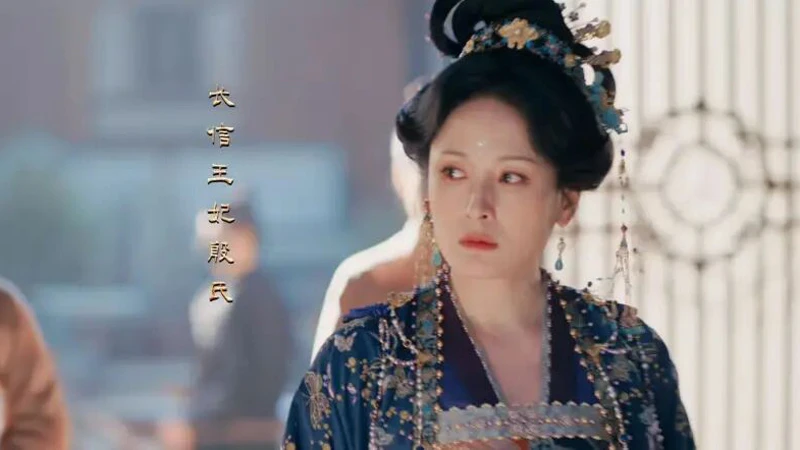
After Wei Rao defeats the Crown Prince and places Liu Shuo on the throne, Xie Hualou wears the queen’s crown. Hongxian remains a consort. Then Liu Shuo dies after three years. Hongxian is pregnant. She gives birth to a posthumous son, and Wei Rao guides the child to the throne. Hongxian becomes Empress Dowager. Wei Rao becomes Princess Regent. To observers, Hongxian is lucky. To anyone watching the earlier steps, luck looks less random. She stayed exactly where power could reach her.
Useful Innocence
Hongxian’s innocence is not fake in every detail. She is kidnapped. She is poisoned into silence. She nearly dies. Those facts matter. But suffering and calculation can share a room. She knows Wei Rao’s secret past, a secret that could destroy Wei Rao. A truly selfless witness would leave the capital and never return. Hongxian returns, opens a food stall, and makes herself visible. She says she wants self-reliance. Yet her version of self-reliance keeps one hand on Wei Rao’s sleeve. It is a careful performance: humble enough to avoid blame, close enough to collect protection.
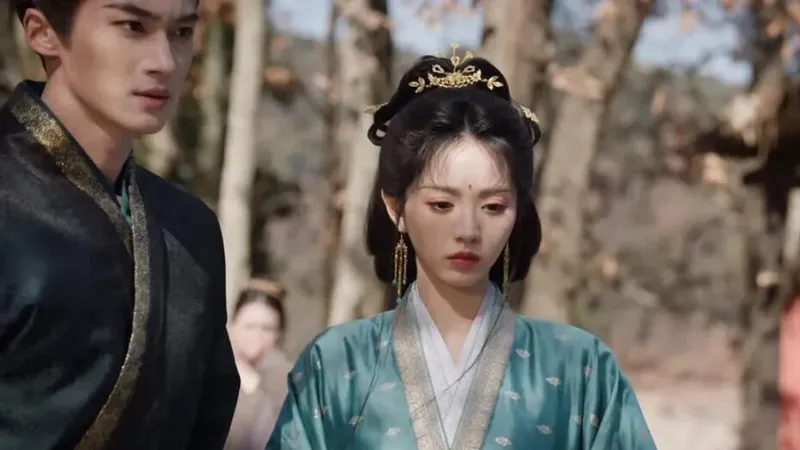
Compare her with Runsheng. He takes without shame. His greed is loud, easy to name, easy to resist. Hongxian’s pressure is softer. She calls Wei Rao “sister.” She mentions dance lessons she could not afford. She praises the villa and the noble life. None of it is a direct demand. All of it reminds Wei Rao of the gap between them. The words sound like family talk. They also place a bill on the table. Wei Rao can pay with money, shelter, or political cover. Hongxian never has to say the price aloud.
The marriage to Liu Shuo raises a darker question. He loves Xie Hualou. Why would he consummate a political marriage while the queen stays childless? The drama does not spell out an answer. It does not need to. Hongxian’s pregnancy secures her future. A posthumous son turns a minor consort into a regent’s ally and then Empress Dowager. Was she simply passive?
Passive people do not usually end up with the one thing that guarantees survival after a royal death. Her ambition may not shout. It does not have to. It only needs a door, a moment, and a useful heir. This is why Hongxian is more unsettling than Runsheng. He is a leak. She is a slow poison. He demands; she attaches. He burns bridges; she builds a nest near the bridge and waits for rescue. Wei Rao fights openly and wins titles. Hongxian absorbs blows and wins position. The drama’s sharpest trick is letting viewers pity Hongxian first, then count her steps. By the time she sits beside the throne, the polite sister has become the quiet winner.