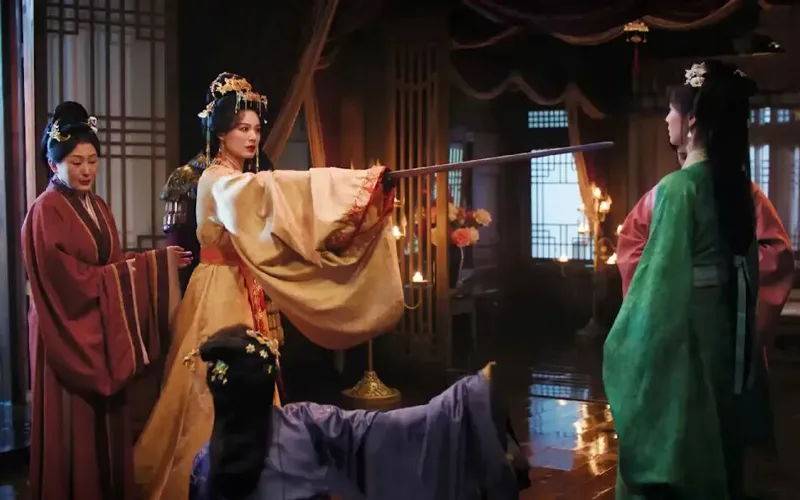
On Oct. 23, Tencent Video will launch Tigers Sniff the Rose (尚公主), a 40-episode costume drama directed by Qin Zhen (秦榛) and written by He Fang (何妨). Meng Ziyi (孟子义) plays Mu Wanyao (暮晚摇), a royal daughter who refuses to be a pawn; Li Yunrui (李昀锐) plays Yan Shang (言尚), a poor scholar with a dangerous amount of brains. Adapted from Yi Ren Kuikui’s (伊人睽睽) novel of the same name, the series mixes romance with court strategy. Its central question is simple: what happens when two stubborn people meet before either has power? The answer begins on a road in Lingnan (岭南), where a broken carriage axle turns a routine journey into a collision of wills. The road does the rest.
A Broken Axle
Mu Wanyao is not traveling for pleasure. She has been sent to pray for her late mother, and the return road should be predictable. Then the axle snaps. Dust rises. Servants argue over repairs. A young man from a village school, carrying ink on his sleeve and no family name worth mentioning, stops to help. Yan Shang does not kneel or stammer. He looks at the wheel, then at Tigers Sniff the Rose, and speaks as if rank were a knot that could be loosened. She is used to flattery; his calm logic is stranger and far more interesting. The scene is small, but it sets the tone: observation before obedience.
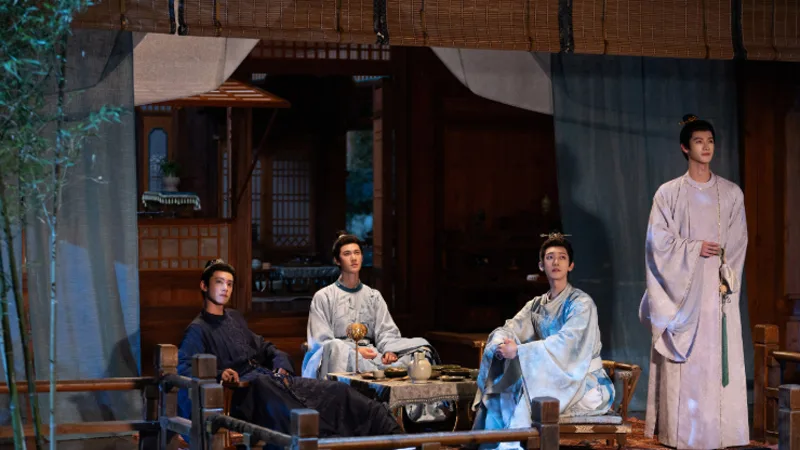
The script keeps their differences useful. Mu Wanyao can command a household but cannot command gossip. Yan Shang can solve a local dispute but cannot enter a palace gate. Their conversation mixes suspicion with practical detail: who paid for the school, why the road floods, which official will notice a missing report. Such details keep the romance grounded. She is not a prize waiting under a tree; he is not a savior with hidden noble blood. Romance grows from curiosity, not rescue. It also gives both actors room to trade glances instead of speeches.
Lingnan is not just scenery. Its wet roads, local schools, and distance from court protocol expose what each character lacks. Mu Wanyao has rank but little freedom. Yan Shang has intelligence but no patron. When she offers a practical route back to Chang’an, she is not handing him a destiny. She is testing whether his ideas survive outside a classroom. He, in turn, sees that her sharp tongue hides a hunger for choice. Their first bargain feels less like fate and more like two people recognizing a useful mirror. Neither mistakes gratitude for love. That restraint makes the next promise mean more.
The road to the capital becomes a test. Mu Wanyao wants control over her own life, including marriage and court moves. Yan Shang wants a stage for his judgment and ambition. They need each other, but need is not trust. Their early bond rests on small proofs: a warning accepted, a plan improved, a risk shared. She learns that his low birth has made him observant; he learns that her royal name is both shield and cage. By the time the city gates appear, the story has promised a partnership built on wits, not worship. Their partnership has rules, and those rules keep changing.
Palace Pressure
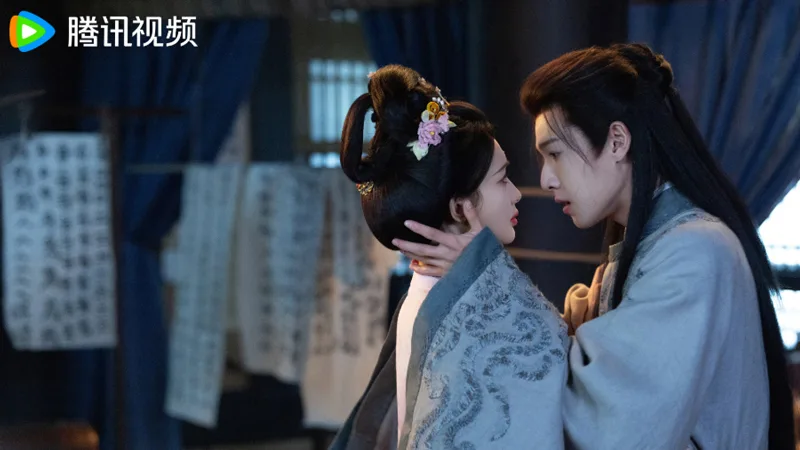
Once the couple reaches Chang’an, the drama widens. Court politics do not wait for romance to finish blooming. Reports are delayed, alliances shift, and every friendly smile carries a price. Mu Wanyao and Yan Shang become useful to different factions for different reasons. She can move through inner rooms where gossip becomes policy; he can read a tax ledger and spot the lie inside it. Their double strength works because neither is a decorative assistant. Each brings a separate kind of leverage, and each can refuse the other’s plan. That friction keeps scenes alive. Power, here, is a room with too many doors. A sealed letter can matter more than a sword. That is where trust gets expensive.
Mu Wanyao’s appeal is not that she softens for love. It is that she keeps her own ledger. A royal daughter in costume dramas often waits for rescue or rebels only until marriage. Here, she studies the board before touching a piece. She knows when to smile, when to remain silent, and when a public refusal can protect someone behind the curtain. Her feelings for Yan Shang do not erase her political instincts; they sharpen the question of whom she can trust when every favor has a witness. That makes her choices cost something. Her calm is a weapon, not a mood.
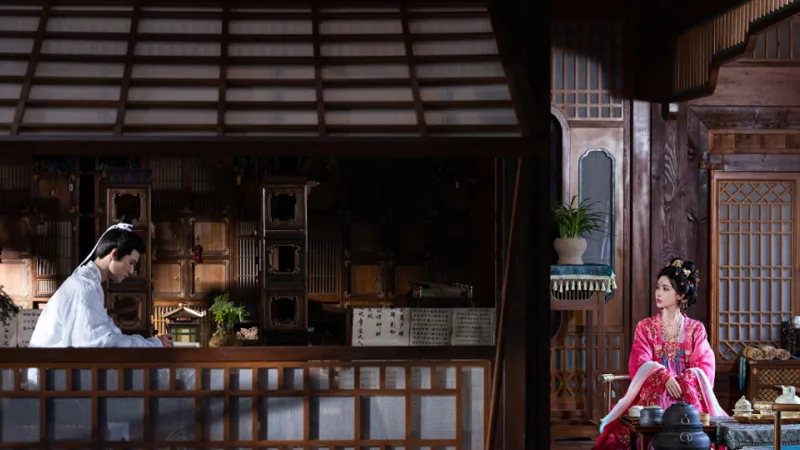
Yan Shang’s climb is equally specific. Mu Wanyao’s help opens a gate, but the gate does not make him clever. He earns attention by fixing a cracked case, predicting a bad harvest report, or refusing a bribe that looks like kindness. His poor background gives him no safety net, so every mistake has teeth. The show’s tension comes from watching him learn court grammar without losing the plain speech that first caught her ear. Will he become useful to the throne, or merely useful to people near it? The answer should keep viewers guessing. Talent is his only inheritance.
Tigers Sniff the Rose arrives on Tencent Video from Oct. 23. Its promise is not a flawless couple but a working partnership under pressure. Mu Wanyao refuses to be defined by birth; Yan Shang refuses to stop at a cold doorway. Their romance matters because it changes how each one fights. Can they protect their first intentions when the palace rewards calculation? That question, not a grand speech, is the hook. Fans of costume intrigue should mark the date and watch whether this pair can turn a broken axle into a road of their own. The first episode will show whether the spark survives the palace air. That is the real test.