-

The Story of Weimao and Mili in Tang Dynasty China
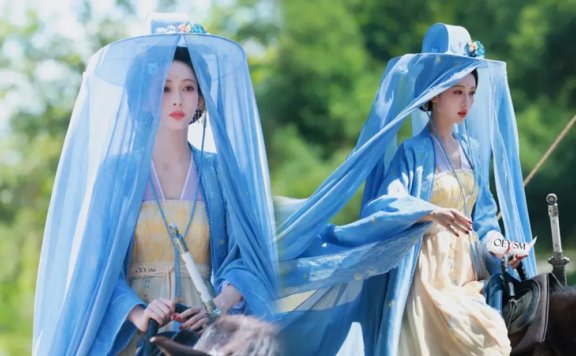
When watching Tang Dynasty-set dramas, have you ever wondered why some female characters wear hats with long veils covering their faces—or even their entire bodies? These headpieces, often called "face-covering hats" in period shows, come in varying styles: some veils drape to the shoulders, others sweep down to the ankles. But what lies behind these differences? Were ancient women truly hidden so thoroughly, or was there more to these hats than meets the eye? Let’s uncover the stories woven into Tang Dynasty headwear—Weimao (帷帽) and Mili (羃篱). Weimao vs Mili: Fabric, Length, and Timeline First, a quick clarification: Weimao and Mili are distinct, though often confused. Weimao, made of cloth or thin silk, features a wide brim with short veils that typically reach the neck—just enough to "lightly cover" the face, as Tang records describe. Mili, by contrast, is crafted from bamboo with longer veils that can shroud the entire body. Their popularity also shifted over time: Mili dominated in the early Tang (618–649 CE), while Weimao rose to fame during Empress Wu Zetian’s reign (690–705 CE) before fading in the Kaiyuan era (713–741 CE). For example, Yang Zi’s Weimao in the drama Flourished Peony (国色芳华) aligns closely with historical…
Tigers Sniff the Rose

Scan to open current page
-
$CouponsLimitation of use:Expired and UnavailableLimitation of use:
before
Limitation of use:Permanently validCoupon ID:×Available for the following products: Available for the following products categories: Unrestricted use:Available for all products and product types