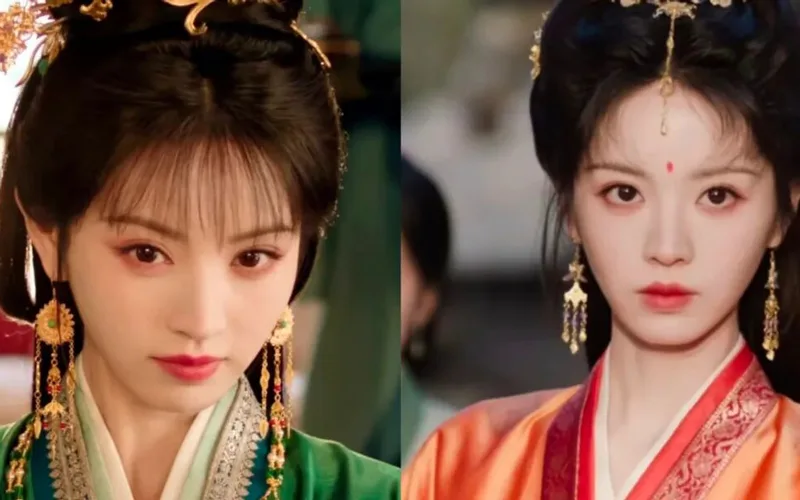
The identity swap in Where the Mask Ends leaves viewers dizzy. Jun Dai (君黛) fears widowhood, so she pushes A Chou (阿丑), a night-soil woman, into her place. A Chou then becomes Wei Rao (魏娆), and the real Wei Rao may be hidden inside that name. Jun Dai keeps her old temper. Why does she act so boldly? People say she was spoiled, or that she lacked parents. Those answers are too simple. Her aunt’s love has no brake, and her grandmother’s care has no direction. One protects her from every consequence; the other watches without teaching. Together, they let a clever girl grow careless. The question is not who pities Jun Dai most. It is who ever told her no.
Aunt’s Blind Love
Jun Dai grew up in Cheng’an Bo Manor (承安伯府). Her father died early; her mother remarried. Her grandmother raised her. At first, this sounds like Sheng Minglan (盛明兰) in The Story of Minglan (知否). Both girls live with sharp, kind grandmothers. Their adult selves, however, move in opposite directions. Minglan learns patience and self-control. Jun Dai learns that someone will clean up her mess. The difference is not blood. It is the adult who stands closest when trouble starts. In Jun Dai’s case, that adult is her aunt. The aunt calls her “my child,” and the phrase becomes a shield. Every rule bends. Every risk is hidden. The girl reads this as proof that her wishes outrank other people’s safety.

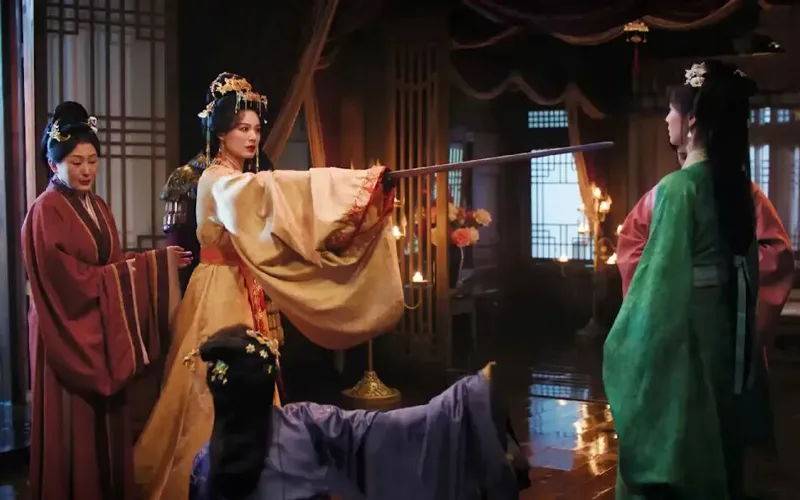
When the Empress Dowager orders Jun Dai to marry Lu Zhuo (陆濯) for luck, the girl refuses. She does not want to risk widowhood. Her grandmother agrees, though clearly unhappy. A sensible girl would see the pressure on the household. Jun Dai sees only her own fear. Her aunt does not calm her. She helps her find a substitute bride. That plan puts the Wei family in danger. Still, the aunt treats it as a clever rescue. Jun Dai learns a dangerous lesson: when duty feels heavy, someone else can carry it. When Lu Zhuo survives, Jun Dai wants her old place back. Wei Rao is careful and watchful. A second swap is far harder. The aunt keeps hiding facts. Her love has no principle, so Jun Dai has no boundary.
Wei Rao offers a useful comparison. Her mother is often sick; her father gambles. She learns early how to protect herself. She can be hard, yet she does not hunt harmless people for sport. Jun Dai has silk, servants, and a powerful name. She also has an aunt who turns every mistake into someone else’s fault. Luxury is not the problem. Neither is orphanhood by itself. The problem is a child who never meets a firm “no.” Wei Rao learns to survive. Jun Dai learns to demand. One studies the room before moving. The other expects the room to move for her. That gap explains much of her swagger. It also explains why her charm curdles into contempt when people resist.
Grandmother’s Silence
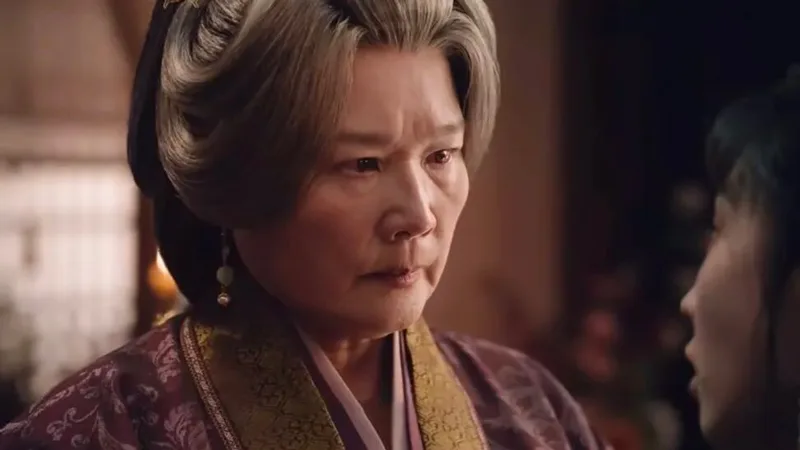
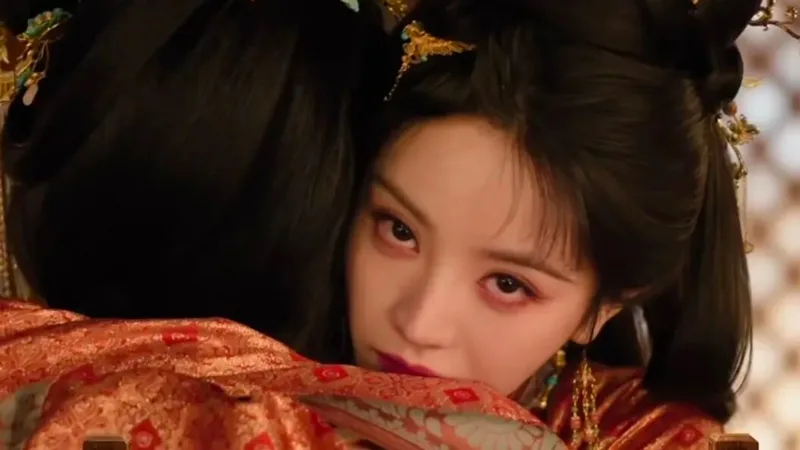
Third Sister complains that Jun Dai is two-faced. The grandmother refuses to believe it and scolds the accuser. At first, this looks like pity for a parentless girl. But the grandmother is no fool. She runs a large house and reads people well. Jun Dai cannot hide anger for long. She can play sweet only in front of the one person whose approval matters. So why does the old woman miss it? Maybe she does not miss it. Maybe she simply does not want the trouble of correction. A quiet house is easier than a taught child. The grandmother gives food, clothes, and status. She withholds the harder gift: honest instruction. Jun Dai feels loved in public and unguided in private.
That silence has weight. A clever elder can shape a child with small questions: Who pays for this choice? What happens to the servant? What will you do when no one rescues you? Jun Dai never hears such questions. She hears comfort instead. The aunt gives warm protection; the grandmother gives cold tolerance. Neither gives a map. So the girl grows quick-tongued and reckless. She mistakes fear for respect and impulse for courage. The household sees a spoiled girl. The deeper truth is a lonely girl with too much power and too little teaching. Her boldness is not confidence. It is a habit built by adults who avoided the cost of saying no.
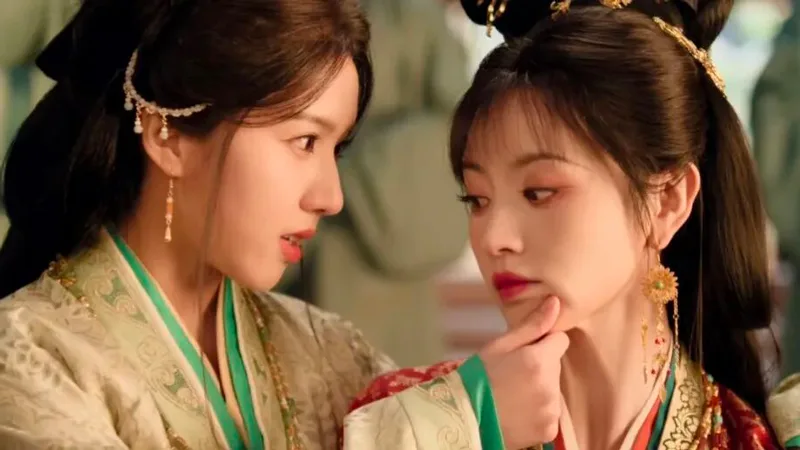
The aunt and grandmother are not opposites. They are two halves of the same failure. The aunt loves loudly and acts without limits. The grandmother loves quietly and acts without instructions. Jun Dai moves between them, taking comfort from one and cover from the other. She never meets a single adult who says, “This is yours to fix.” That missing sentence follows her into every scheme. When the marriage order arrives, she runs. When the substitute plan cracks, she panics. When Lu Zhuo returns, she wants a reset. Each time, the aunt offers a new trick. Each time, the grandmother lets the house absorb the shock. The girl never learns repair, only escape.
Children need more than full bowls and fine rooms. They need a steady person who stays when tears turn into anger. They need rules that do not move when the family name is threatened. Jun Dai’s story is not only about a bad-tempered girl. It is about two adults who chose ease over guidance. One wrapped her in affection; the other left her alone inside that wrapping. Real love can be gentle, but it must also be clear. A boundary is not cruelty. It is a wall that keeps a child from falling. Without that wall, Jun Dai keeps walking forward, certain that the ground will always rise to meet her.