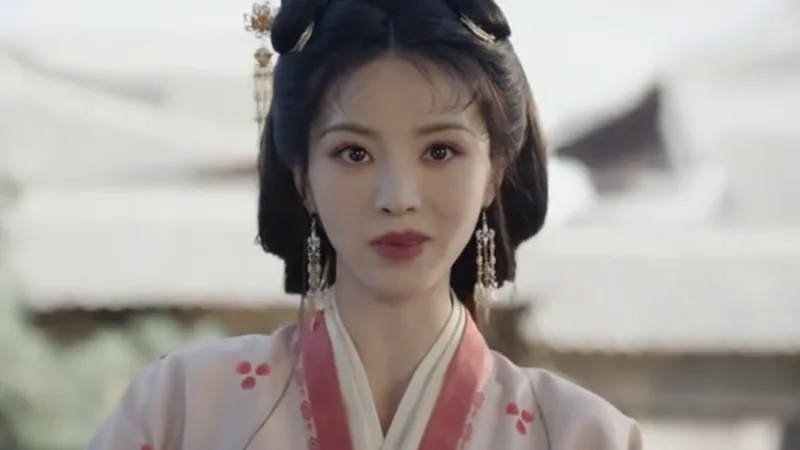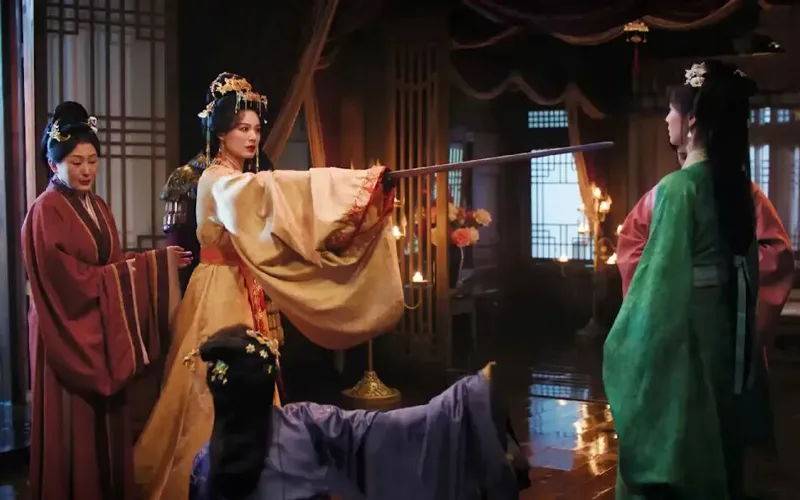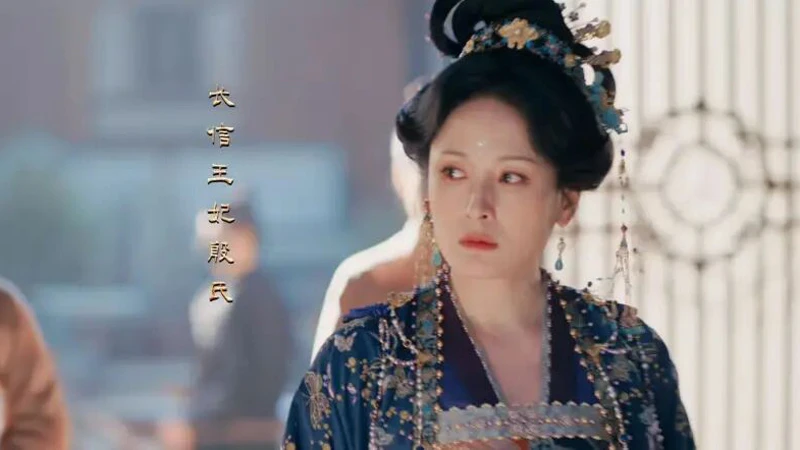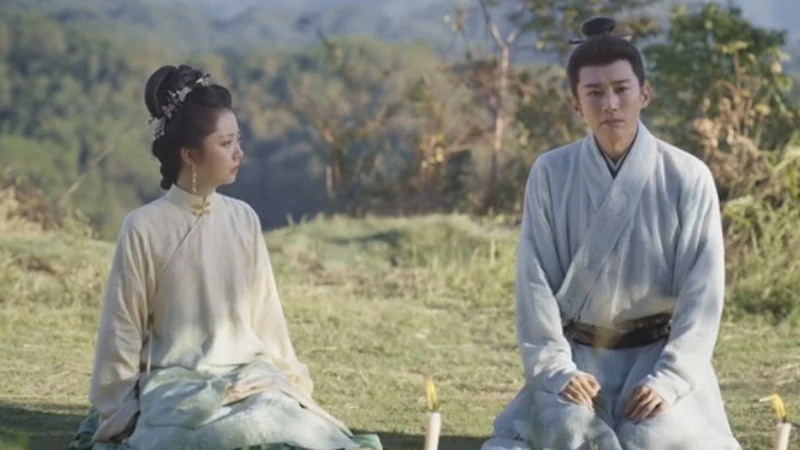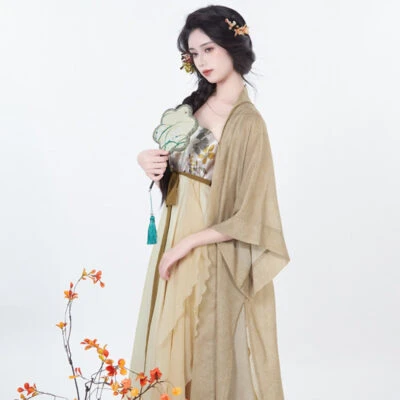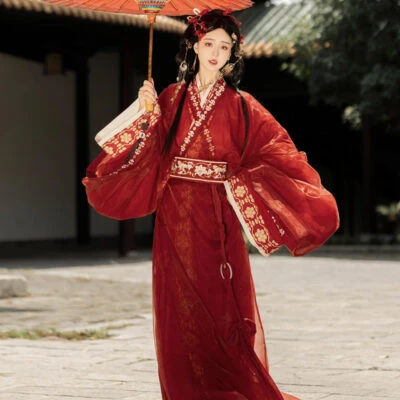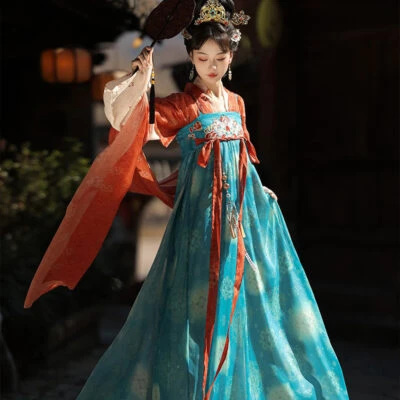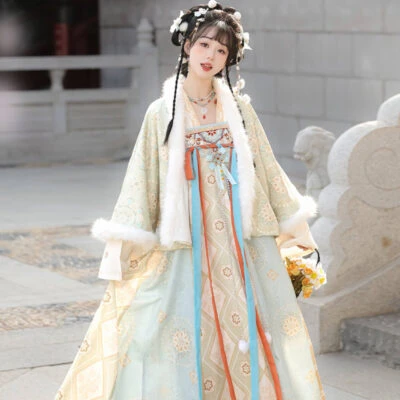
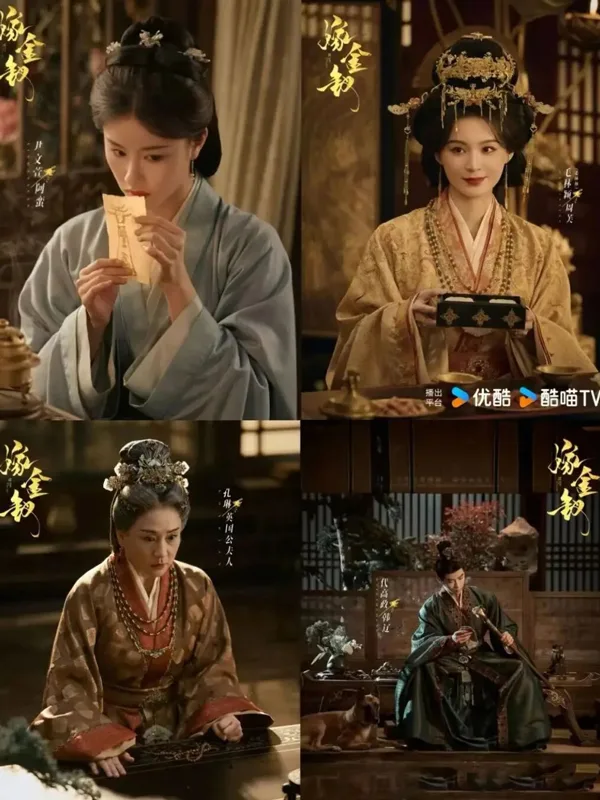
CCTV-8 opened Where the Mask Ends (嫁金钗) on October 16, with Youku releasing four episodes and Netflix carrying it overseas. Tian Xiwei plays Jun Dai (君黛) and Wei Rao (魏娆), two women with one face and very different luck. Yan An (闫桉) is Lu Zhuo (陆濯), the heir who wakes after a dangerous campaign. A night-soil carrier named A Chou (阿丑) is bought as a substitute bride for a chongxi (冲喜) marriage. The hook is simple: when the same face enters a noble house under a false name, who is scheming, and who is merely surviving?
Two Faces
Jun Dai was not born in a mansion. She lived as A Chou, doing filthy street work and learning how little pity costs. Wei Rao grew up pampered in a wealthy household, with relatives who treated her marriage as a family asset. Their shared face is no miracle. Their parents were twins, making the two young women cousins. A baby swap turned that blood tie into a secret that neither can fully control, and the lie keeps reshaping who deserves comfort and who gets blamed.
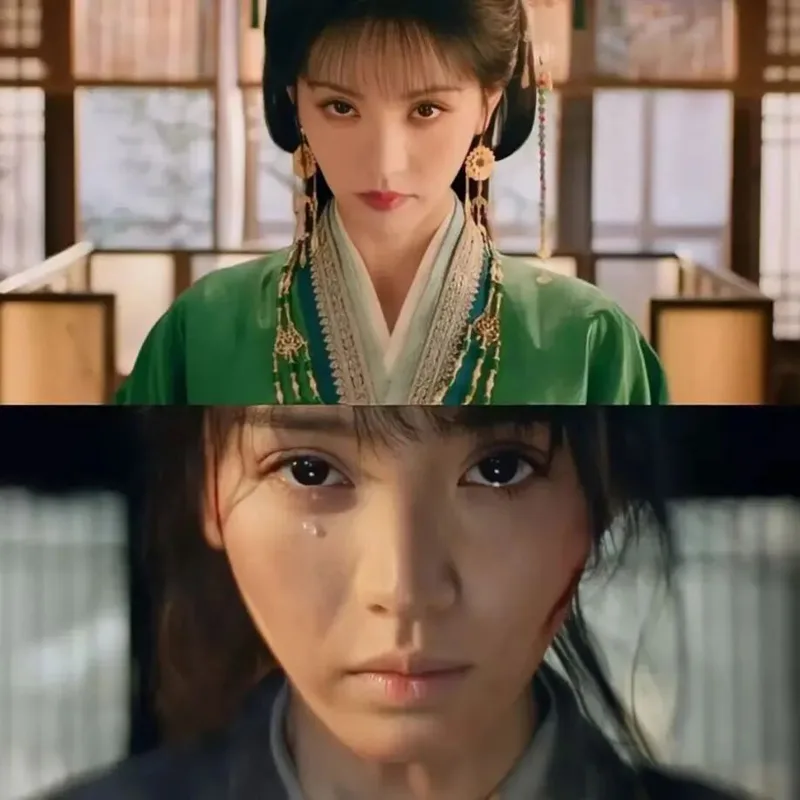
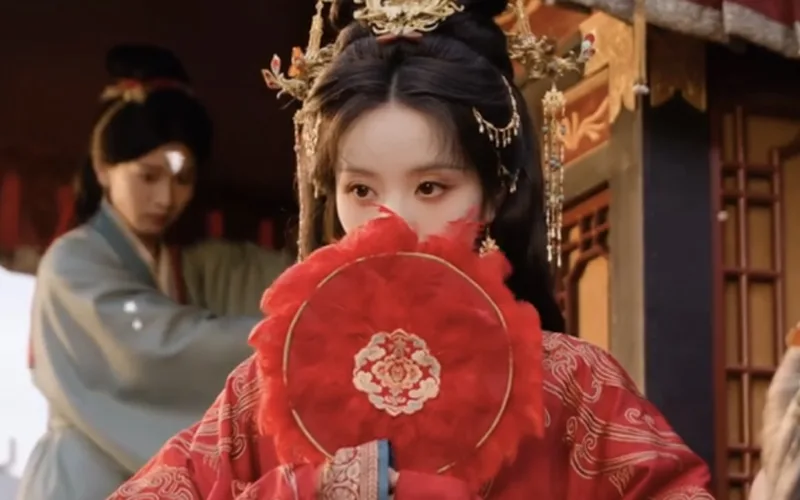
The swap gives the story its sharpest joke. Tian Xiwei must make one face feel dangerous in one scene and fragile in another. Wei Rao can smile while measuring a person’s usefulness. Jun Dai keeps her guard up, yet she still feels the sting of a kindness she never had. When she wears red and hears an elder promise protection, her quiet envy lands harder than any speech. The drama asks whether affection can grow from a lie, and it refuses to answer too early.
Yan An’s Lu Zhuo does not arrive as a romantic prize. He wakes angry, suspicious and ready to reject the woman on his bed. His first words cut through the wedding silk. What changes him is not a grand gesture but small evidence: how Jun Dai speaks, whom she protects, and what she risks when a younger cousin is hurt. Yan An plays the shift without rushing it, and that restraint makes him stand out beside the louder family schemers.
Borrowed Identity
The marriage was never Wei Rao’s wish. Lu Zhuo left for war with talk of ending the engagement, then came back badly wounded. Elders seized on chongxi as a cure, and a royal decree closed the escape route. Wei Rao did not want to guard a sick man’s room for life. Her family found A Chou, paid five thousand coins, and pushed her into the bridal chair. For Wei Rao, the wedding was trash to be dumped. For A Chou, it was a narrow door out, and she walked through it with more nerve than anyone expected.
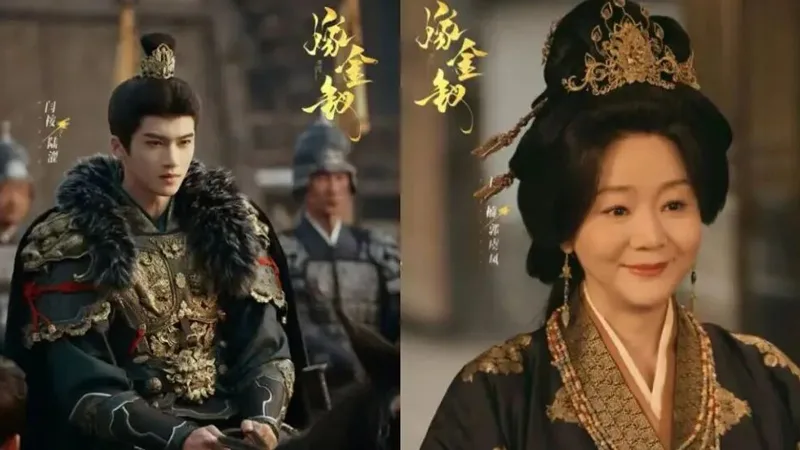
That door did not lead to peace. Lu Zhuo mistook her for the woman he already despised. Servants watched. Rivals tested. Even Bi Tao (碧桃), a maid borrowed from Wei Rao’s side, had no safe path. The two women had to face poison plots and household traps as a makeshift team. A borrowed name offered no shield; it only made every mistake more expensive. Trust had to be built in plain sight, with witnesses ready to twist every kindness into evidence.
Then Wei Rao heard that Lu Zhuo had woken. She wanted the title back, and she wanted the substitute erased. Fire became her answer. The attempt to burn Jun Dai during a return visit turns the question of “villain or innocent” into a choice. Jun Dai cannot inherit the affection she missed, but she can refuse to surrender the life she has claimed. The golden hairpin is on her head now. The next move is hers.