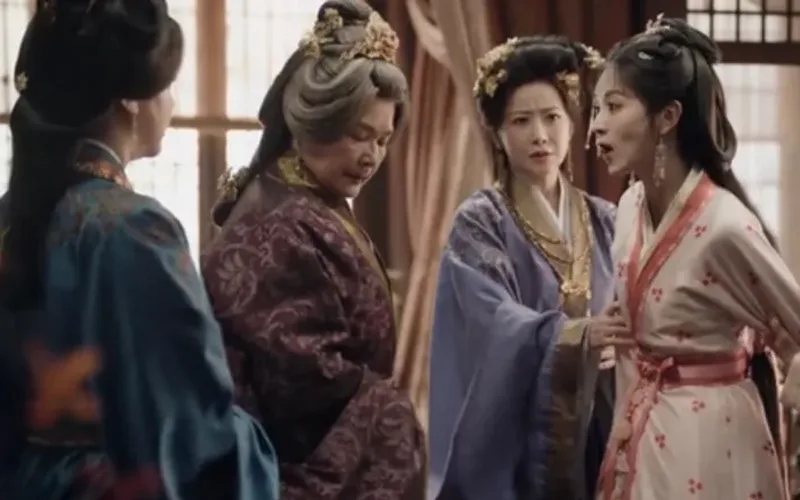
Viewers of Where the Mask Ends (嫁金钗) may see a simple swap: a spoiled daughter sends a stand-in to a sick husband, then wants her old life back. The sixth episode asks a sharper question. Why does Old Madam Wei stop Wei Rao (魏娆) from returning to Yingguo Gong Manor (英国公府)? The answer is not favoritism. It is damage control. Wei Rao treats identity like a hairpin she can pull out and pin back on. A Chou (阿丑), whose real name is Jun Dai (君黛), treats survival as a contract with witnesses, paper, and a backup plan. That difference decides who stays inside the manor and who loses control.
Leverage, Not Love
Wei Rao grew up with adults who cleaned up her messes. Her father died in war; her mother Zhou Fu (周芙) remarried into the palace. Inside Cheng’an Bo Manor (承安伯府), pity became permission. Her aunt Wei Heng’e (魏恒娥) spoiled her until she believed every desire deserved a solution. So when Lu Zhuo (陆濯) woke up, she assumed the substitute could be removed like a servant’s coat. She and her aunt locked A Chou away and tried fire. The plan failed because it ignored one fact: A Chou had already spoken to the old matriarch.
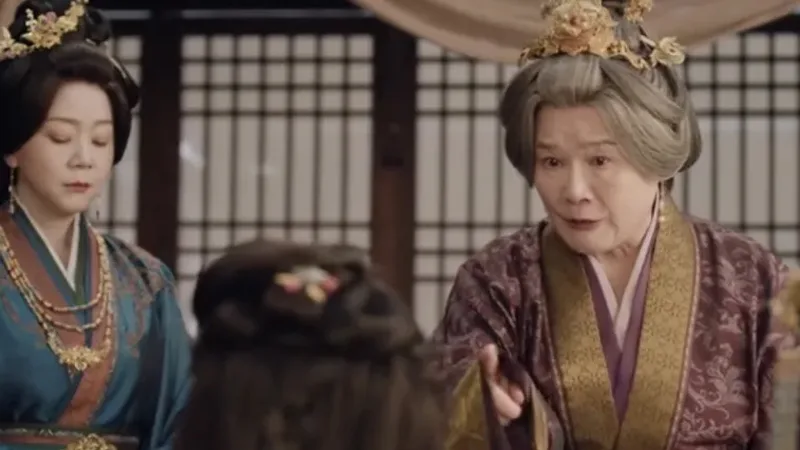
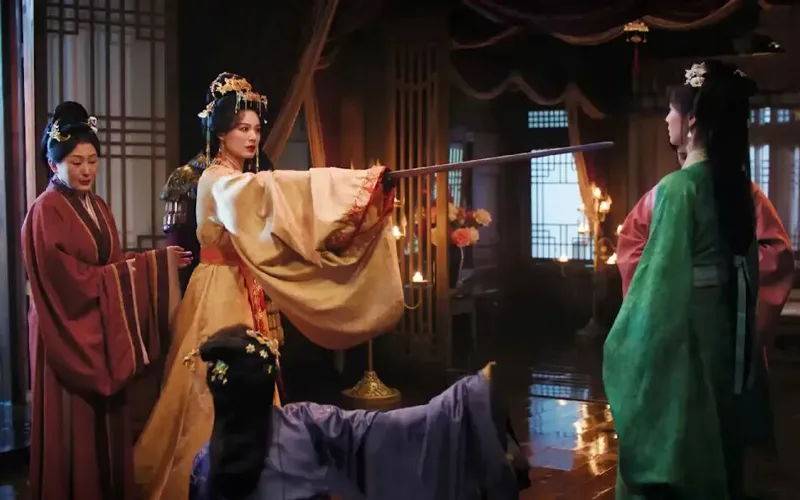
Old Madam Wei’s scolding sounds cruel. It is practical. She tells Wei Rao that she gave away more than a title. She gave away a powerful husband, a household, and the rank that follows. The old woman is not choosing a stranger over her blood. She is looking at a house built on a lie and asking which version can stand. If Wei Rao returns, the lie collapses in public. If A Chou stays, the lie has a keeper.
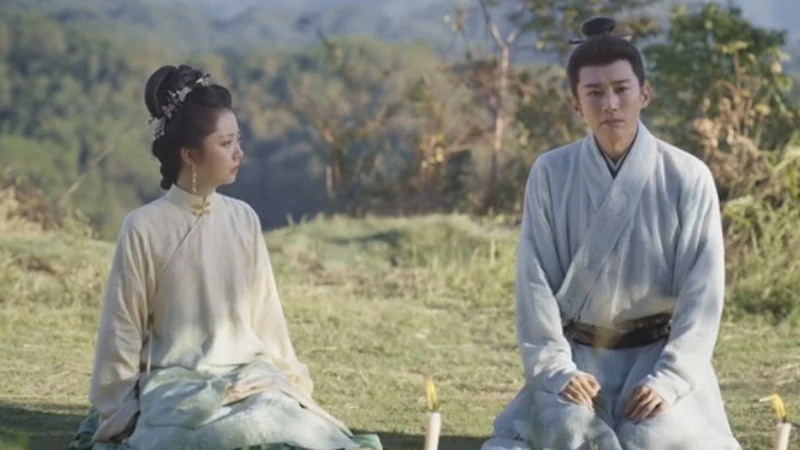
A Chou left a safety note before entering Wei Manor. She told Old Madam Wei that if she did not come back safely, the swap would be exposed. That turns affection into arithmetic. A grandmother may weep, but a clan leader counts risk. The young woman is no longer a disposable bride. She is a locked door with the key inside. The note sits in Lu Zhuo’s medicine pillow and explains the substitution from beginning to end. It also hides her roughened hands. When the heir notices her palms, she says making the pillow caused the calluses. He cannot argue with the object in front of him. The excuse is small, domestic, and useful. It buys her time in a house where every glance is an audit.
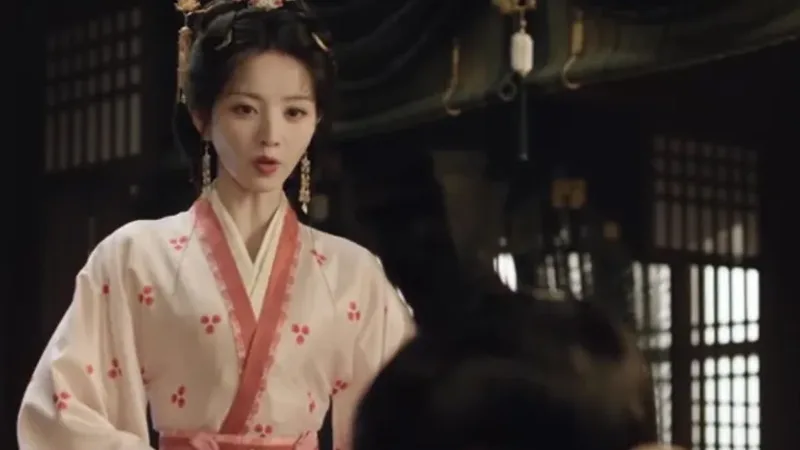
Paper and Pride
This is why the old matriarch cannot simply let Wei Rao switch back. The letter would not stay quiet. A confession in a sick man’s pillow is a slow fuse. It can destroy the marriage, shame the manor, and turn two elite families into enemies. Old Madam Wei understands that reputation is not vanity here; it is armor. One tear invites every rival to press. A Chou also asks for Bi Tao’s (碧桃) contract of sale. The maid is stunned. After so many tense days, the two have started to trust each other. Handing over the paper looks like freedom.
Yet Bi Tao is also Guo Yufeng’s (郭虞凤) eye inside the manor. That secret makes the gift sharper. Kindness can test loyalty more deeply than punishment. Will the maid cling to her old master, or choose the person who gave her a way out? Safety does not equal standing. A Chou still needs allies inside Yingguo Gong Manor. She volunteers to help with a birthday banquet. The second branch’s aunt resents the move; she suspects a quiet power grab. Obstacles appear, and people wait for her to fail. A Chou answers with clean handwriting, fast arrangements, and a request for the matriarch to sit beside her. She does not win by charm. She wins by making the event work.
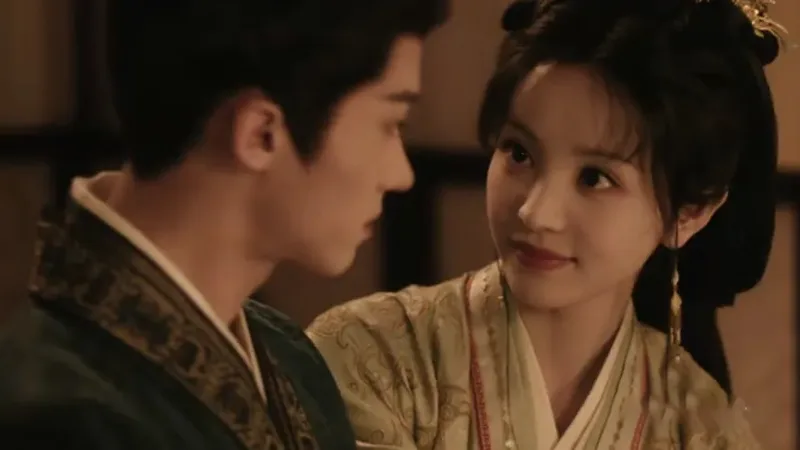
Lu Zhuo watches this change. He still speaks coldly, but his suspicion no longer fits. The woman he dismissed as fake and fragile can carry a task. Then his friend Qi Zhongkai (戚仲恺) notices her beauty and competence. The heir’s jealousy arrives before his affection. He is not ready to admit that the substitute has become the person he looks for in a room. Wei Rao believed love from elders could erase consequences. A Chou knows better. Affection helps, but paper, nerve, and skill close the gate. Old Madam Wei blocks the switch because the manor needs the lie to hold. A Chou survives because she made herself hard to remove. The question is no longer who deserves the name. It is who can keep it.