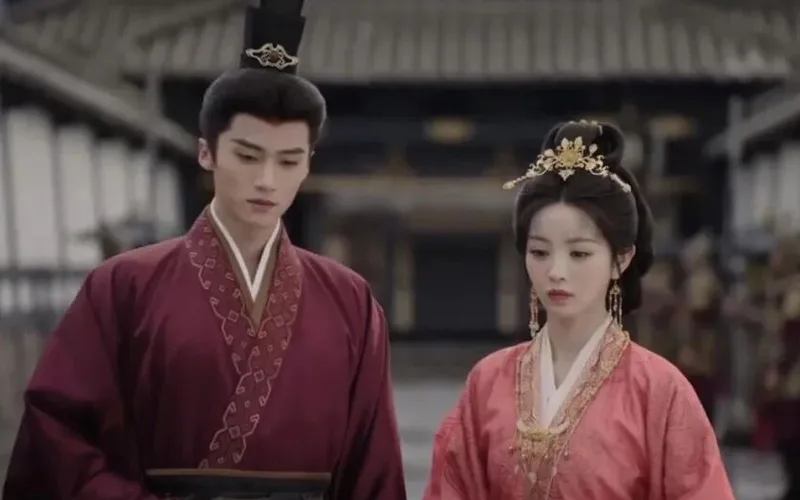
Lu Zhuo (陆濯) had a wife named Wei Rao (魏娆), and a suspicion he could not put down. The woman in his house carried the right name, yet her temper, her manners, and even the calluses on her hands did not fit the noble girl he had met before. He watched her in silence. When Zhou Fu (周芙), her birth mother, came to visit, the bride trembled and begged him with her eyes to take her away. Most people would call that nerves. Lu Zhuo read refusal. By then he knew this was not Wei Rao. The harder question was why he did not say so aloud.
Lu’s Quiet Choice
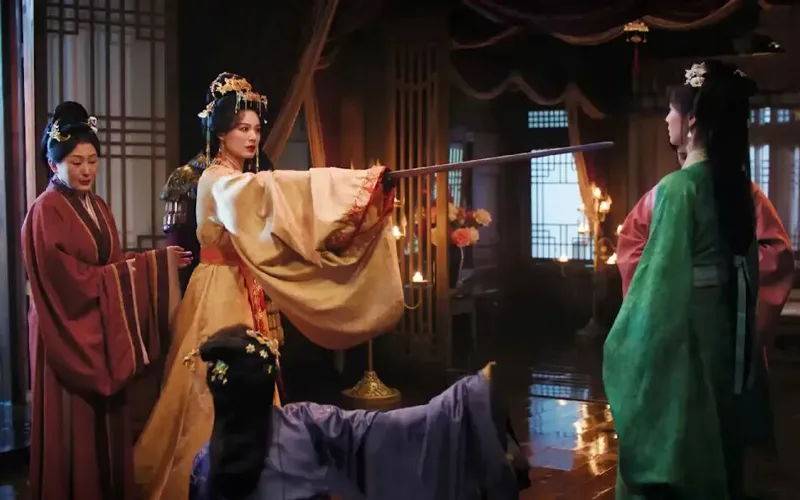
The answer does not begin with romance. It begins with Old Madam Lu and one sharp line: “Are you bullying the Lu family because it has no men?” The Lu sons had died in battle. Lu Zhuo was the remaining pillar, the one who had once lain unconscious while the family arranged a Chongxi (冲喜) marriage to change his luck. He owed the household more than personal honesty. Exposing a fake bride would invite ridicule, lawsuits, and a public crack in the family’s name. So he held his tongue, not out of weakness, but because the cost would fall on everyone under that roof.
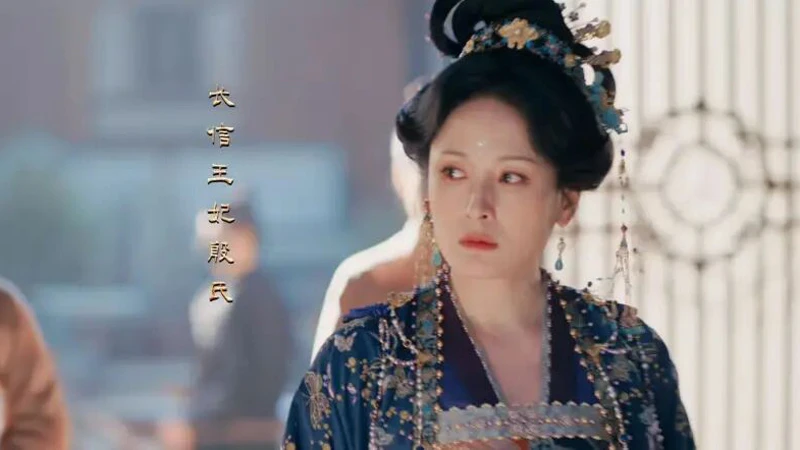
He also had practical reasons. The false Wei Rao pleased the elders. She was clever, but not cruel like the woman he remembered. In front of Xie Hualou (谢画楼), he could not side with an outsider; he had to defend his wife, even while doubting her. A household’s honor works like a shared purse: one hole empties every pocket. If the Wei family and the Lu family both kept the secret, the marriage could stand. Lu Zhuo chose the version of truth that kept the house steady.
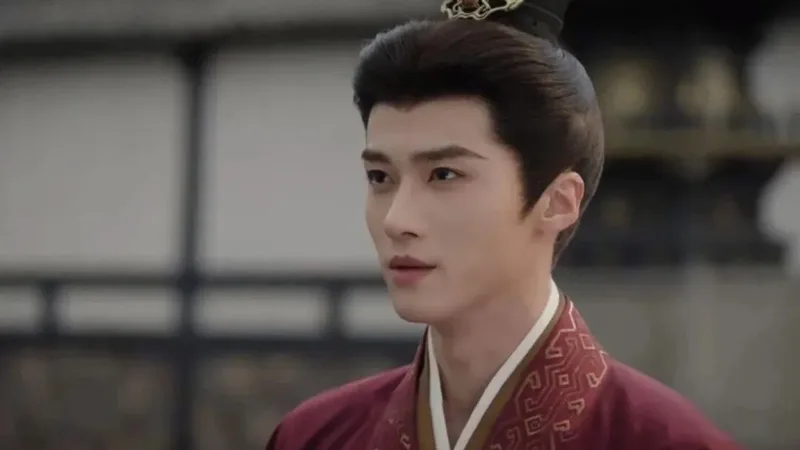
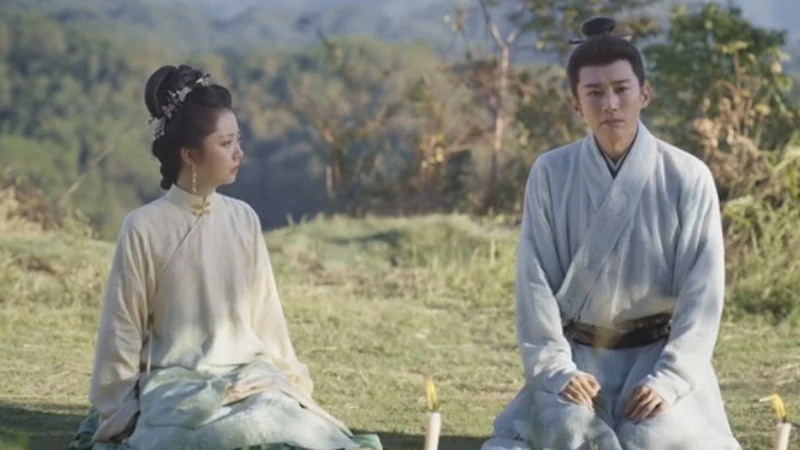
That choice left room for feeling. Days together softened him. He noticed her small kindnesses, her quick fear, the way she looked toward the door when Zhou Fu spoke. He did not know her name, yet he knew her face. When she casually mentioned finding him a next husband, his calm broke. He had never agreed to hand her to anyone. If the real Wei Rao had arrived, he would have ended the match. With this unknown woman, he wanted time: time to learn who she was, what she wanted, and whether her heart had already turned toward him.
This is why his silence looks less like deception and more like management. He is not covering for a criminal; he is holding a household together with both hands. The old madam’s question hangs over every decision. If he turns the bride out, who will answer for the insult? If he calls the Wei family liars, who will shield the servants and the elders? Lu Zhuo keeps the lie because the truth has no safe place to land.
A Useful Mistake
The fake bride is not a passive secret. She is a test of loyalty, and Lu Zhuo passes it in public while investigating in private. He does not shout his suspicion. He does not use it as a weapon. He watches how she treats servants, how she answers the old madam, how she hides her hands. Her calluses betray work. Her panic before Zhou Fu betrays fear. Those clues matter, but so does the order of the house. A man who exposes his wife on a guess gives enemies a knife and his family a wound.
Love, when it arrives, is not the first reason for his silence. It is the reason his silence changes shape. At first he protects the Lu name. Later he protects her. The shift is small and dangerous. He begins to imagine a future in which the name Wei Rao belongs to the woman beside him, not the woman from the old reports. He still wants answers. He simply no longer wants answers that would take her away. That is a very human compromise, and a very risky one.
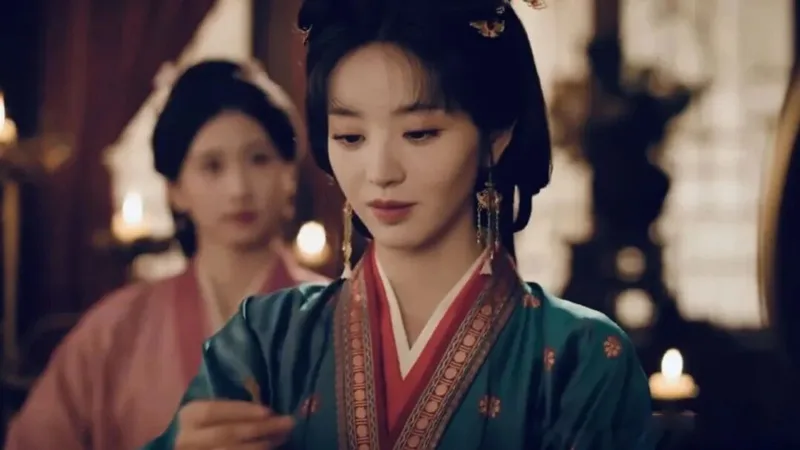
So why did Lu Zhuo not expose her? Because the old madam’s question made family survival louder than scandal. Because the fake bride fit the household better than the real one. Because he could not prove the truth without hurting the people he was bound to defend. And because, by the time proof seemed possible, he had begun to love the stranger in his house. The drama leaves him there: a man holding a lie, a duty, and a woman he will not release.
The story gains tension because Lu Zhuo does not become a fool for love. He keeps his eyes open. He tests, listens, and waits. Yet his patience has a pulse. Every warm moment makes exposure harder. Every clue makes affection stranger. He is caught between the investigator and the husband, and neither role can fully win. That conflict gives Where the Mask Ends its bite. The fake bride may be a mistake, but by this point, the mistake has become the most useful thing in his life.