-
Top 7 Period Dramas to Watch in Q1 2026
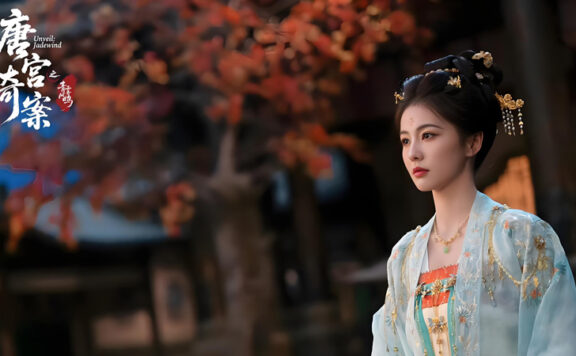
The first quarter of 2026 has proven to be a landmark season for historical dramas, offering an exceptional range of narratives that span forensic mysteries, transmigration deconstructions, weighty political epics, and grounded Wuxia tales. From sleeper-hit sequels that deepened beloved character dynamics to ambitious productions that redefined genre conventions, the landscape showcased a remarkable diversity in both storytelling and production value. These standout series collectively demonstrated that the genre continues to evolve, offering audiences compelling narratives built on intellectual compatibility, moral complexity, and genuine character growth. For viewers seeking a curated selection, here are 7 recommended costume dramas for the first quarter of 2026. The Imperial Coroner 2 (御赐小仵作2) Platform: Tencent Period Background: Fictional Tang Dynasty Genres: Historical, Mystery, Investigation, Romance Main Roles: Wang Ziqi (as Xiao Jingrui), Su Xiaotong (as Chu Chu), Yang Tingdong, Zhao Yaoke, Zhang Chenxiao Adapted from: Madam Constable by Xianxian Yatou (清闲丫头) Plot Deep Dive: The first Imperial Coroner was the quintessential sleeper hit. It debuted with modest expectations in 2021 and became a phenomenon, lauded for its logical forensic mysteries and a respectful, low-key romance. Returning five years later with the original cast, The Imperial Coroner 2 faced the daunting task of satisfying loyal…- 473
- 0
-
Baoji: China’s Ancient Wrapped Hairstyle
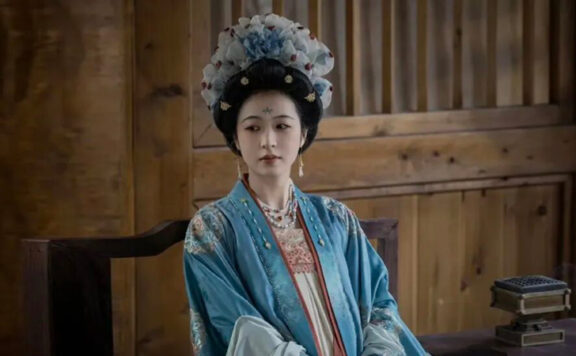
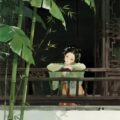
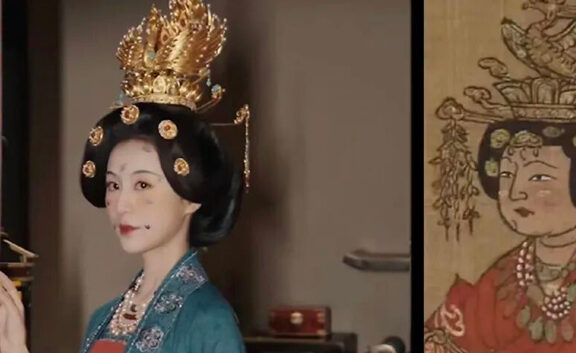
What if a seemingly simple hairdo from a period drama could unlock centuries of fashion secrets? The recent buzz around the costume design in the historical series Swords into Plowshares (太平年) has done just that. Actress Zhou Yutong's (周雨彤) portrayal of Sun Taizhen (孙太真) features a headpiece that sparked a quirky online debate: is that a bath puff on her head? This initial confusion has opened a fascinating window into a traditional Chinese hairstyling technique known as Baoji (包髻), a practice rich with history and surprisingly relevant to modern aesthetics. More Than a Hairdo The eye-catching style worn by Sun Taizhen is not a product of modern fantasy. It is a sophisticated interpretation of Baoji, a method of wrapping the hair with cloth that was particularly prevalent during the Song Dynasty. In its simplest form, a woman would style her hair into a bun and then cover it with a piece of silk, cotton, or gauze. This was not merely about restraint; it was an art form. The wrapping could be shaped to resemble various flowers, a practice that dovetailed with the era's love for fresh blooms, creating a "flower crown" effect on the head. This specific look in Swords…- 70
- 0
-
What Really Happened in the Finale of Swords into Plowshares?
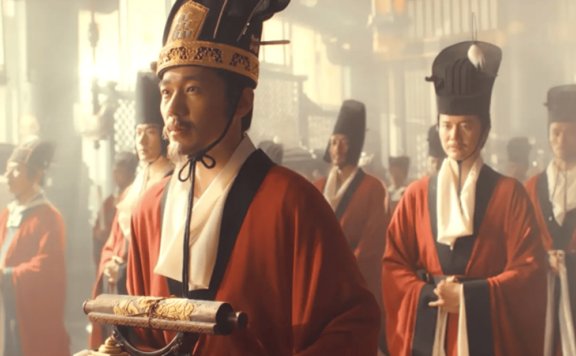
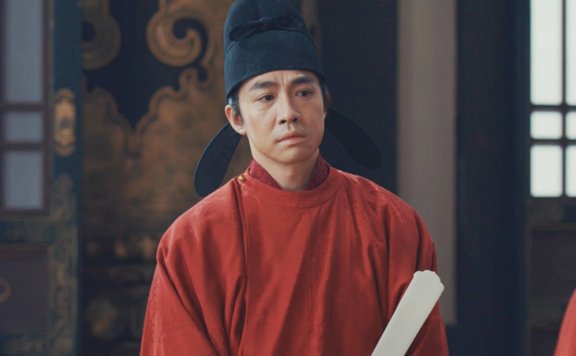
The finale of the historical drama Swords into Plowshares (太平年) has left audiences oscillating between sorrow and astonishment. While the narrative arc concludes with the long-anticipated surrender of Wuyue (吴越) to the Song Dynasty, it masterfully omits certain graphic historical details while weaving in surprisingly creative elements like the origin story of the Hundred Family Surnames (百家姓). This ending is not merely a conclusion but a thoughtful reflection on the costs of unification, the complexity of loyalty, and the quiet heroes who shaped a peaceful era. It moves beyond simple historical reenactment to explore the human motivations behind grand political maneuvers. The Thirty-Year Chess Game: A King's Calculated Surrender The most compelling revelation in the finale is that Qian Hongchu's (钱弘俶) decision to surrender his kingdom was not a last-minute concession but the culmination of a thirty-year master plan. For over three decades ruling Wuyue, he was not just governing; he was meticulously preparing to hand over a prosperous, well-administered region to the Central Plains dynasty. It suggests his foresight extended back to the era of Guo Rong (郭荣), indicating a deep-seated belief that unification was inevitable and that the best way to protect his people was to prepare for…- 307
- 0
-
The Agony of Peace in Swords into Plowshares
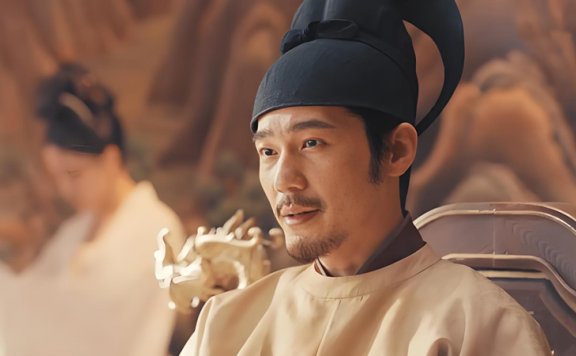
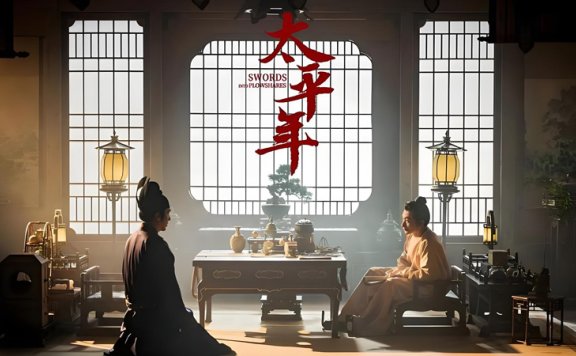
For weeks, viewers have been glued to the historical drama Swords into Plowshares (太平年), watching the tense political standoff between the Song Dynasty and the Wuyue Kingdom. As the series barrels toward its finale, all eyes are on Qian Hongchu (钱弘俶), the King of Wuyue (吴越), and his monumental decision to surrender his land and power. But beneath the surface of grand ceremonies and imperial favor, a darker game of ambition and betrayal was being played. The final episodes reveal that the true master of strategy was not the charismatic Emperor Zhao Kuangyin (赵匡胤), but his seemingly loyal brother, Zhao Guangyi (赵光义). His act of holding the reins for Qian Hongchu was not a sign of respect, but a calculated move in a decades-long plan for absolute power. The Impossible Decision: Surrendering a Kingdom Qian Hongchu’s journey toward Natu Guisong (纳土归宋), the act of surrendering his territory to the Song Dynasty, was paved with immense personal and political turmoil. For the King of Wuyue, this was not a simple handover but a heart-wrenching choice between the pride of his ancestors and the safety of his people. He knew that resistance would mean rivers of blood, yet submission felt like a…- 69
- 0
-
Power’s Cruel Price in Swords into Plowshares
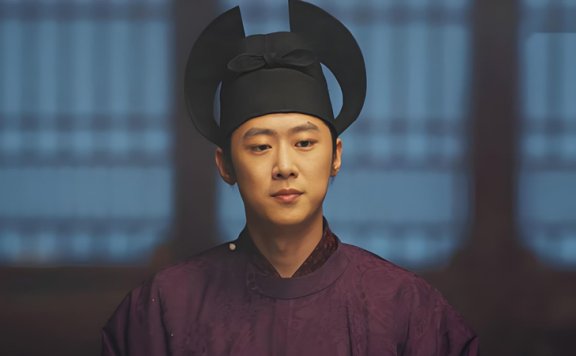
What happens when a young king's indecision leads to a coup, and the brother he tried to sacrifice becomes his jailer for 23 years? The Chinese historical drama Swords into Plowshares (太平年) has reached its halfway point, plunging viewers into the turbulent heart of the Ten Kingdoms period. The show masterfully depicts the lethal power struggles within the Wuyue (吴越) kingdom, where family bonds are weapons and thrones are won with blood. At its core is a gripping, real-life tale of two brothers—Qian Hongzong (钱弘倧) and Qian Hongchu (钱弘俶)—whose relationship was shattered by ambition, betrayal, and the cold, hard logic of survival. It’s a story that asks a haunting question: after the main villain dies, why won't the new king free his imprisoned brother? The answer reveals a chilling truth about the nature of power. A King's Fatal Indecision The trouble began not with a villain, but with a young, inexperienced ruler. When King Qian Hongzuo (钱弘佐) died, the throne passed to his brother, Qian Hongzong. The late king had left a clear strategy to manage the kingdom’s most powerful and dangerous figure, the veteran official Hu Jinsi (胡进思). The plan was simple: either kill Hu Jinsi decisively to remove…- 66
- 0
-
Love Hides In Royal Conspiracies in Swords into Plowshares
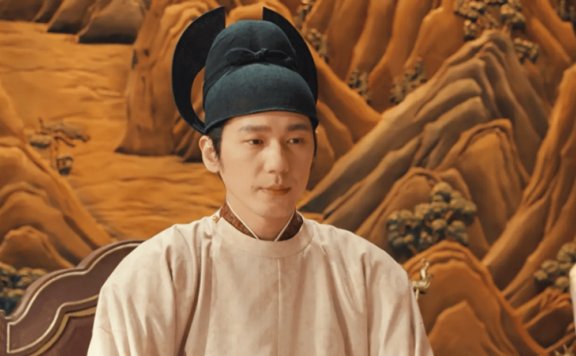
In the bloodstained chess game of the Wuyue Kingdom (吴越国) court, where power shifts like sand through an hourglass, a young king fights for survival while three women vie for a heart that may belong to none of them. A Throne Forged in Crisis and a Queen's Swift Transformation The crown of Wuyue was never a comfortable seat. First, Qian Hongzuo (钱弘佐) passed away, swiftly followed by Qian Hongzong's (钱弘倧) brief, disastrous reign. Within months, the powerful minister Hu Jinshi (胡进思) deposed him, plunging the court into chaos. It was onto this unstable stage that Qian Hongchu (钱弘俶) stepped, a man seemingly built for the role. Unlike his predecessors, he possessed the sharp intellect and decisive will to bring powerful figures like Hu to heel, quickly stabilizing a kingdom on the brink. This upheaval remade those around him, none more so than his wife, Sun Taizhen (孙太真). The playful, spirited girl who had once roamed the palace vanished. In her place stood a woman of steel and strategy. When Qian Hongchu fell into a mysterious coma, leaving the kingdom vulnerable, Sun Taizhen did not weep. She acted. She sealed the palace gates, severing all communication with the outside world. It…- 70
- 0
-
Distrust Breeds Plots, Wisdom Saves The Realm
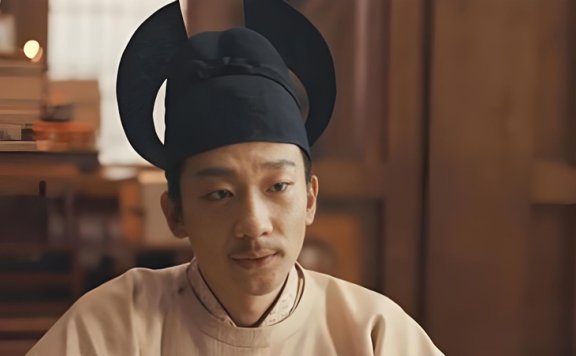
In the intricate dance of power, suspicion is often a ruler's most loyal companion, whispering doubts about every friend and every foe. But what happens when this shadow grows so large it blinds a king to the truth, paving the way for a merchant to steal his throne? The historical drama Swords into Plowshares (太平年) plunges into this very dilemma, unraveling a court conspiracy where trust is the rarest currency. It tells the story of Qian Liulang (钱六郎), a newly installed king of the Wuyue (吴越) kingdom, whose deep-seated paranoia becomes the perfect weapon for a scheming businessman. Yet, his near downfall offers a timeless lesson on leadership, contrasting sharply with the historical tragedy of Xiang Yu, a warlord who was not so fortunate. This is a tale of how one clear-headed advisor can dismantle a coup, and how a leader's willingness to listen can mean the difference between survival and collapse. The Lonely Throne and the Merchant's Gamble When Qian Liulang ascended to the throne of Wuyue, he found himself surrounded by ghosts of loyalty rather than living allies. Distrustful of his own brothers and the old nobility who had served his family for generations, he felt utterly isolated.…- 29
- 0
-
6 Women’s Struggles in Swords into Plowshares
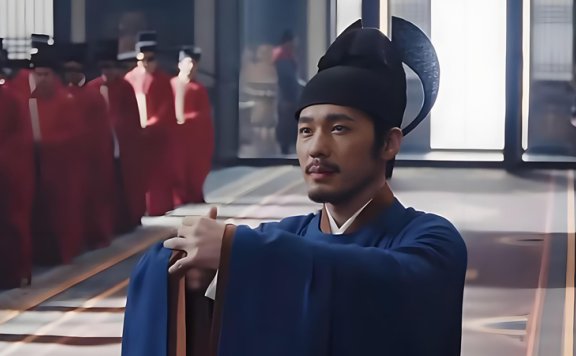
What happens to women when empires fall and kings submit? History textbooks rush through the chaos with dates and battle names, rarely pausing to ask: where were the wives, the mothers, the queens? The Chinese television drama Swords into Plowshares (太平年) refuses to look away. It pulls viewers into the turbulent tenth century, when the Five Dynasties and Ten Kingdoms clawed at each other’s throats. At the center stands Wuyue (吴越) King Qian Hongchu (钱弘俶), a man who cooperated with Song Emperor Zhao Kuangyin (赵匡胤) to destroy the Southern Tang. But the show’s real heartbeat belongs to its women. They are not merely ornaments to male ambition. They are pawns, survivors, victims, and, occasionally, victors in a game they never chose to play. Their six very different endings reveal the brutal truth about "peace" won through swords and submission. 1. Madam Yu (俞大娘子) Madam Yu operates on a different level from the desperate noblewomen trapped in palaces. She controls Huanglong Island (黄龙岛), commanding a fleet of warships and trade vessels that would make any warlord envious. Her wealth is not inherited; it is built. She navigates the shifting alliances between Wuyue, the Later Zhou (后周), and the rising Song dynasty…- 112
- 0
-
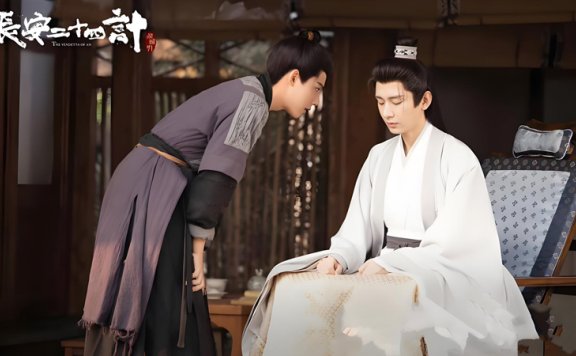
5 Must-Watch Chinese Costume Dramas Shaping a New Narrative Trend
The landscape of Chinese costume drama is undergoing a quiet but significant evolution. As evidenced by five recent standout series, the genre is moving beyond epic battles and fantastical romance toward a new paradigm defined by intellectual depth and narrative precision. These shows—from investigative procedurals to historical political dramas—prioritize specialized knowledge, mature character dynamics, and sophisticated genre blending. Their collective success, often fueled by word-of-mouth rather than sheer promotional might, signals a discerning audience appetite for substance. This trend marks a maturation of the genre, where compelling storytelling is built not on scale, but on the solid foundations of logic, character integrity, and innovative conceptual hooks. The Imperial Coroner 2 (御赐小仵作2) The sequel to the sleeper hit The Imperial Coroner demonstrates that a loyal audience awaits well-crafted stories. The Imperial Coroner 2 reunites the original cast after five years, a rare move that pays off by preserving the unique dynamic fans loved. The series follows the married forensic examiner Chu Chu (楚楚) and her husband, the imperial official Xiao Jinyu (萧瑾瑜), as they lead the judicial department. Their partnership now operates on both professional and personal levels. What sets this show apart is its effortless blend of a tightly-plotted investigative…- 149
- 0
-
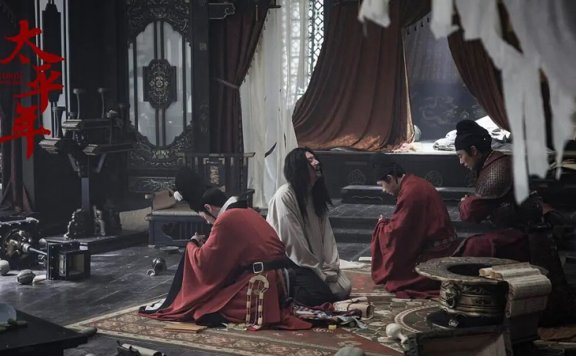
Swords into Plowshares: A Brilliant Historical Epic Marred by Flawed Lead Roles
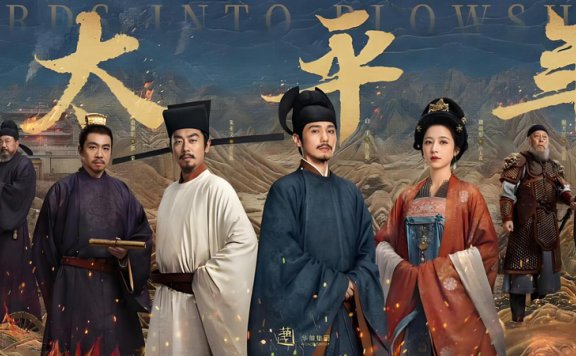
As the flagship historical drama for China Central Television's new year, Swords into Plowshares (太平年) has made a significant impact. Set against the turbulent backdrop of the Five Dynasties and Ten Kingdoms period, it demonstrates a cinematic quality often reserved for film, from its meticulous costume and set design to its sprawling, visceral battle sequences. In an era dominated by short-form content, this series makes a compelling case for the enduring power and depth of long-form television. It ambitiously attempts to weave a complex tapestry of a fractured era, where power shifted like sand and heroes and villains rose and fell with dizzying speed. The narrative successfully creates a palpable, grim atmosphere of instability, using multiple perspectives to explore the brutal mechanics of history and the intricate souls caught within it. The Ensemble's Triumph The drama's greatest strength lies not in its protagonists, but in its richly drawn supporting cast. The chaotic historical period provides fertile ground for vivid portraiture, and the series seizes this opportunity. Even characters with minimal screen time are imbued with startling clarity and memorability. This meticulous casting and performance have led viewers to claim that certain portrayals have "monopolized" the image of these historical figures…- 69
- 0
-
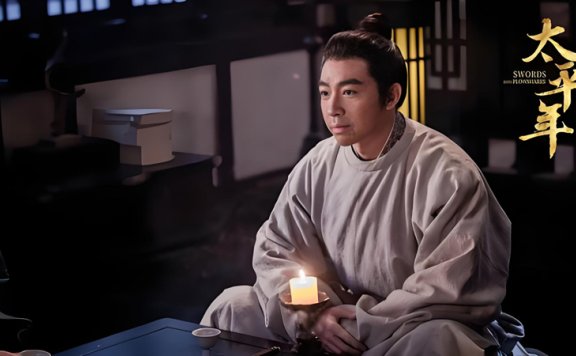
Guo Wei Chose 4 Widows Over Imperial Convention
In the chaotic final years of the Five Dynasties period, a most unlikely emperor rose to power. Guo Wei (郭威), founder of the Later Zhou (后周) dynasty, carved out a realm of relative stability praised by historians. Yet his personal life was a tapestry of profound tragedy and unconventional choices. While other rulers sought virginal consorts from noble families, his heart consistently turned to widows and remarried women. Each of his four wives came to him having loved and lost before, their lives intertwined with the era's violence. This preference, startling for its time, reveals a man shaped more by personal connection and shared hardship than by imperial convention or political calculation. His story, dramatized in the series Swords into Plowshares (太平年), is not one of glorious conquest, but of a man who built a kingdom only to watch everyone he loved perish before him. 1. Chai Shi (柴氏) Before the crown, there was Chai Shi. She was no young maiden but a former attendant in the palace of a previous emperor, released and returning home when she crossed paths with a common soldier named Guo Wei. Recognizing his potential where others saw only a rough military man nicknamed "Sparrow…- 104
- 0
-
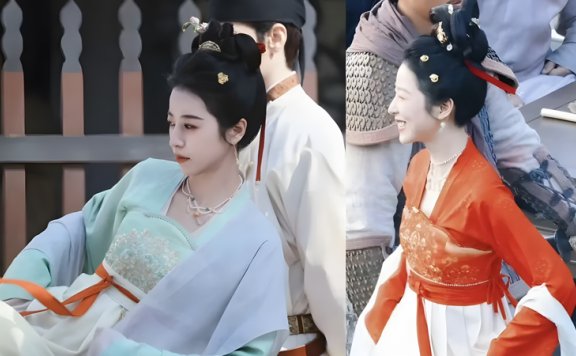
Did a TV Drama Just Show Ancient Underwear as Outerwear?
A recent period drama has sparked a lively online debate not about its plot, but about a character's wardrobe. In the television series Swords into Plowshares (太平年), the actress Zhou Yutong (周雨彤), who portrays the character Sun Taizhen (孙太真), appears in several stunning outfits that have left viewers puzzled. The garments feature what looks like a structured, bustier-style top worn over a flowing skirt, leading many to wonder: is this a case of ancient "underwear as outerwear"? The style feels surprisingly modern, reminiscent of contemporary tube or bandeau dresses, yet it is presented as historical costume. This visual anachronism has ignited curiosity about the origins and accuracy of this particular fashion choice within the drama's claimed historical setting. Historical Roots The costume in question is what many in modern traditional clothing circles call a Hezi skirt (诃子裙). However, its status within the spectrum of Hanfu is contentious. A primary reason is the lack of archeological evidence; no physical example of this specific garment has been unearthed. References to a "Hezi" exist in historical texts, but not as a compound term for an entire skirt. The most famous visual association comes from the Tang dynasty painting Court Ladies Adorning Their Hair…- 59
- 0
-

Swords into Plowshares: The Irreplaceable Youthful Spirit
What makes us hold fast to our beliefs when the world seems to demand we let them go? The historical drama Swords into Plowshares (太平年) offers no easy answers, but instead immerses viewers in the turbulent final days of a fictional dynasty. Through the eyes of its young nobles-turned-soldiers, the series poses difficult questions about sacrifice, duty, and the cost of integrity. It is not the intricate political machinations or grand battle scenes that resonate most deeply, but rather the persistent, flickering flame of idealism within the characters—a quality that feels both achingly familiar and tragically distant to the modern viewer. This intangible spirit, this youthful refusal to accept a compromised world, forms the heart of the narrative. As the walls of the capital strain under siege and loyalties are tested, the story becomes less about saving an empire and more about what one chooses to preserve within oneself. The Last Day of Xiaosui (小岁) The chill of a winter siege grips the capital. Three young men, Jiu Lang (九郎), Da Lang (大郎), and Guo Rong (郭荣), find a moment of respite. Exhausted yet defiant, they warm themselves with wine. The night marks Xiaosui, an ancient tradition where one speaks…- 53
- 0
-
Swords into Plowshares: Fear and Legacy in the Five Dynasties Turmoil
The historical drama Swords into Plowshares (太平年) presents a gripping portrait of the Five Dynasties and Ten Kingdoms period, an era notorious for its political volatility. Thrones changed hands with dizzying speed; a reign lasting more than a few years was an exception. Against this backdrop of relentless upheaval, the series focuses on the fates of eleven monarchs. It traces the intricate history leading to the eventual incorporation of the Wuyue (吴越) kingdom into the Song (宋) dynasty. This narrative spans 37 tumultuous years, beginning with the death of one king and concluding with a peaceful surrender that altered the map of China. A King's Demise Among these rulers is Qian Yuanguan (钱元瓘), the second king of Wuyue. His death, as portrayed in the series, is shockingly mundane yet deeply psychological. He does not fall in battle or to an assassin's blade. Instead, a catastrophic fire that ravages the palace treasuries reportedly frightens him to death. This event serves as the dramatic catalyst for his downfall, highlighting the fragile mental state of a ruler living in perpetual anxiety. Though historically a seasoned leader, the dramatized Qian Yuanguan is consumed by paranoia. He rules a relatively stable southeastern kingdom, yet news…- 28
- 0
-
5 Historical Treasures to Spot in Swords into Plowshares
A new television experience is captivating audiences. It’s not just about following the plot twists of a period piece, but about embarking on a treasure hunt within the frame. As viewers watch the popular series Swords into Plowshares (太平年) on CCTV-1, a fascinating secondary activity has emerged: spotting the real historical artifacts meticulously recreated by the production team. From a merchant’s stringed instrument to the intricate design on a wine warmer, each detail is a deliberate nod to a tangible piece of history, waiting to be discovered in museums across China. Fans are thrilled, feeling they’ve been treated to a refined cultural feast, and are taking to social media to compare screenshots with photos of ancient relics. 1. Guqin (古琴) - A Melody in Wood The merchant Cheng Zhaoyue’s (程昭悦) entrances in the drama’s first episode are accompanied by the quiet presence of a Guqin. This isn't just any prop. Its distinct shape closely mirrors classical designs preserved for centuries. The Guqin, a seven-stringed zither, is one of China's oldest plucked instruments. Its basic form was largely standardized by the end of the Han Dynasty, yet it evolved into numerous styles, each with its own name and character. Viewers with…- 93
- 0
-
Why Does Zhou Yutong's Hat Look So Modern in a Historical Drama?
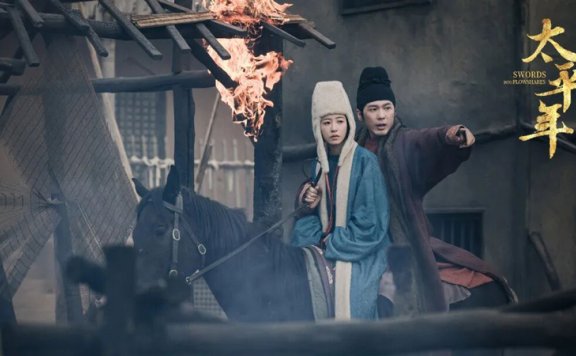
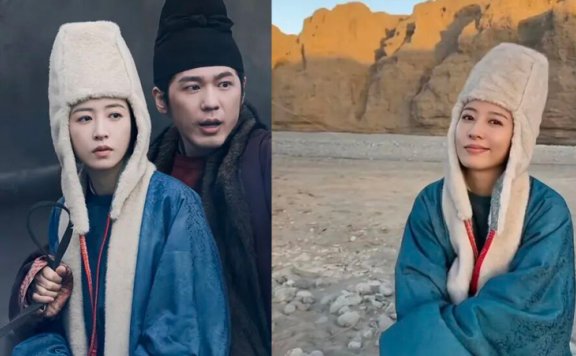
The costume design in the period drama Swords into Plowshares (太平年) has sparked lively discussion, particularly one striking accessory. Actress Zhou Yutong (周雨彤) wears a distinctive, seemingly modern-looking hat with ear flaps. Its appearance prompts a question: can such a design be historically accurate, or is it a creative anachronism? This piece of headwear is far from a modern invention. It is a faithful representation of a Feng Mao (风帽, wind hat), a practical and stylish item with deep roots in China's sartorial past. Its journey from the northern steppes to the wardrobes of the Central Plains is a story of cultural exchange, adaptation, and enduring utility. Northern Origins The Feng Mao finds its origins with the nomadic peoples of the northern frontiers. Designed for survival, its primary function was to shield the wearer from the harsh, biting winds and extreme cold of the steppes. The defining feature was its extended "skirt" that could be drawn to cover the ears, neck, and shoulders, creating a protective cocoon against the elements. This practical design was gender-neutral, worn by both men and women for warmth. Early versions of this hat were not a single piece. Archaeological evidence from figurines of the Northern…- 63
- 0
-

Have TV Dramas Finally Gotten Historical Makeup Right?
The recent period drama Swords into Plowshares (太平年) sparked lively online debate, but not for its plot or performances. Instead, viewers were captivated—and often baffled—by the wedding makeup. Actress Zhou Yutong’s (周雨彤) character appeared with intricate patterns adorning her face, resembling an array of tiny, artful moles. While some fans praised the bold look, others questioned its historical accuracy and aesthetic appeal, with comments ranging from "This makeup made me laugh" to "This is too garish." This intense reaction highlights a growing public interest in the authenticity of historical costuming. Behind the modern scrutiny lies a legitimate ancient practice, offering a rare glimpse into the extravagant beauty ideals of a bygone era. The Historical Face Chart The distinctive facial patterns are not a modern stylist’s fantasy. They faithfully recreate a specific cosmetic tradition known as Mian Ye (面靥), which flourished from the late Tang dynasty into the Five Dynasties period. Far from random decoration, these designs carried deep symbolic meaning. Artisans and wearers used materials like dried flowers or delicate gold leaf, adhering them to the skin with adhesives such as fish glue. Different shapes held different names and connotations: Hua Ye (花靥) for floral motifs, Niao Ye (鸟靥) for… -
Could a King's Choice Truly Bring a Hundred Years of Peace?
In the year 941, the Wuyue (吴越) kingdom was thrust into uncertainty. Its aging king was gone, leaving a young successor and a court simmering with ambition. From this turmoil emerged a prince who seemed more interested in personal freedom than affairs of state. His name was Qian Hongchu (钱弘俶), and his journey would become the heart of the new historical drama Swords into Plowshares (太平年). This is not merely a tale of battles and conquests, but a deep exploration of a leader's evolution and the monumental choice between holding onto power and securing peace for his people. It asks a timeless question: what is a ruler's ultimate duty? Transformation Qian Hongchu's life was upended by a diplomatic mission to Bianliang (汴梁). He anticipated a routine visit, but instead walked into a nightmare. He saw the brutal reality of war firsthand: Khitan armies at the gates, a humbled emperor, and ordinary citizens displaced and suffering. These scenes shattered his sheltered worldview. It was here he also forged crucial bonds with fellow visionaries Guo Rong (郭荣) and Zhao Kuangyin (赵匡胤), men who shared his whispered dream of a lasting peace for all the warring states. Returning to Wuyue, the prince was…- 87
- 0
Zhou Yutong
Scan to open current page
-
$CouponsLimitation of use:Expired and UnavailableLimitation of use:
before
Limitation of use:Permanently validCoupon ID:×Available for the following products: Available for the following products categories: Unrestricted use:Available for all products and product types