-
Yao-Chinese Folktales 2: The Weight of Home and Face
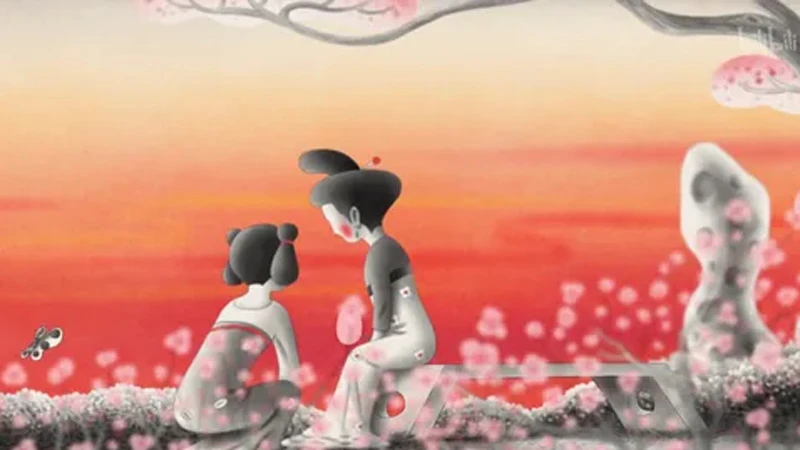
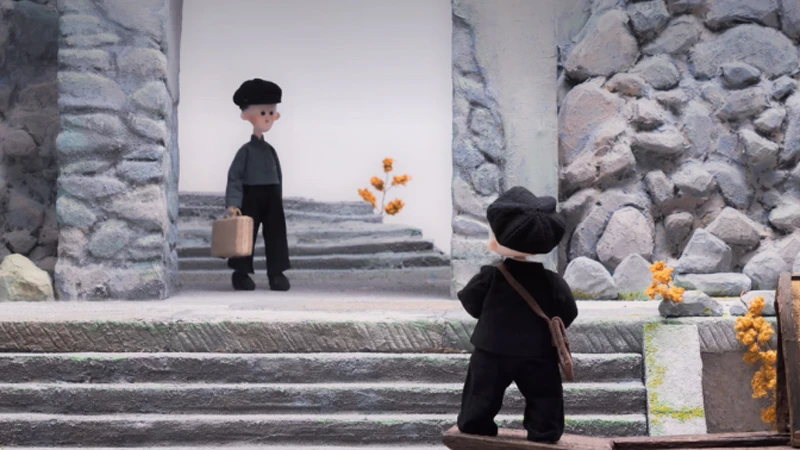
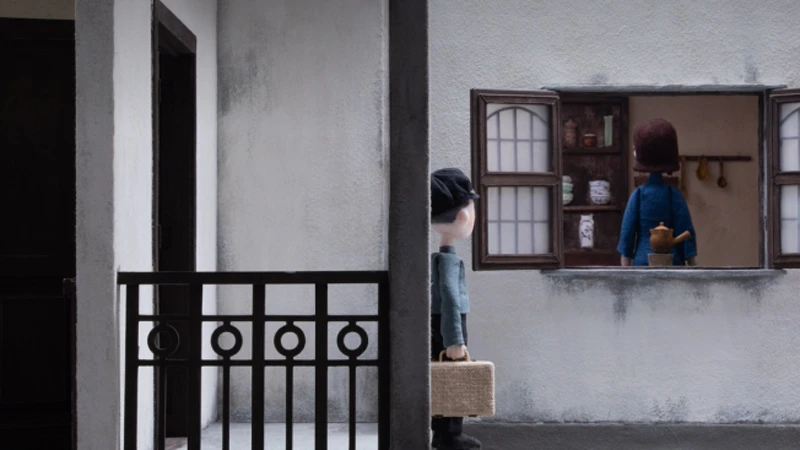
As the Lunar New Year approaches, a familiar anxiety creeps into the hearts of millions living away from their hometowns: Is it okay to go back if you haven't "made it"? This poignant question is at the very core of "Worshiping the Ancestors," the seventh episode of the acclaimed animated series Yao-Chinese Folktales 2 (中国奇谭2). Released just before the holiday, the story arrives like a mirror held up to the soul of every wanderer, reflecting our deepest insecurities about success, family, and belonging. It moves beyond a simple tale of returning home, using elements of fantasy to dismantle the very pressures that keep us away. The Weight of "Face" and the Loneliness of the City The episode introduces us to A Yuan (阿远), a young man adrift in Hong Kong. His reality is a montage of modern urban despair: instant noodles for dinner, a blaring TV reporting a crashing stock market, and a desk cluttered with bankruptcy papers. He is the embodiment of the "struggling drifter." When his father calls to invite him home for the ancestral rites, A Yuan’s instinct is to refuse. He is ashamed, believing his failure is a visible stain that everyone back home will see.…- 20
- 0
-
The Giant Bird – Two Worlds, One Truth in a War-Torn Fable
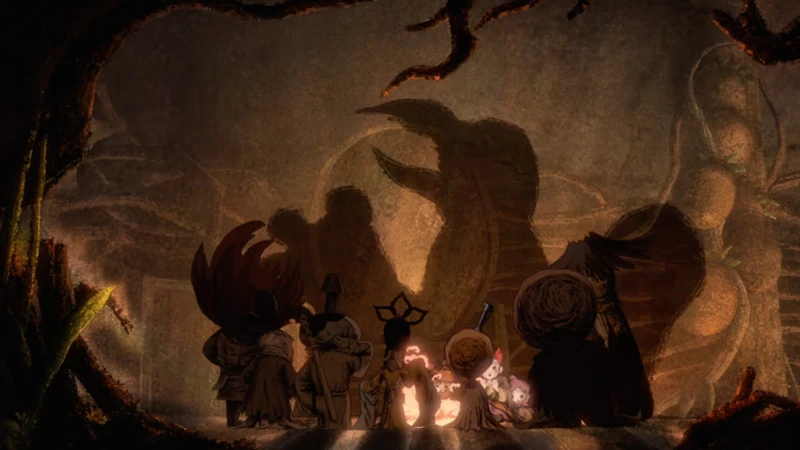
A child’s bed, tucked in a corner of a war-torn world, holds a universe of desperate fantasy. This is the haunting core of The Giant Bird (大鸟), one of the most visually striking and narratively complex episodes from the animated anthology Yao-Chinese Folktales 2 (中国奇谭2). Set against the grim backdrop of the late Song and early Yuan dynasty transition, the short film weaves a tale that is equal parts dark fable and painful historical allegory. It follows two characters: a young girl named Zhen’er (珍儿), and Bao Shan (保山), the man who cares for her. Their story is not told through clear declarations, but through a stunning, somber palette and a narrative split between a child’s imaginative escape and a man’s grim reality. The film uses the metaphor of a great bird and its feathers to explore loss, complicity, and the fragile hope for redemption in a time when humanity itself is under threat. A Visual Lament The world of The Giant Bird is painted in mournful shades. The dominant palette is one of dense forest greens and murky grays, against which the stark white of feathers and ghostly visions sharply contrast. This is not a vibrant fairytale landscape, but…- 20
- 0
-
The Great Bird: Guarding Innocence in the Gloom of a War-Torn World
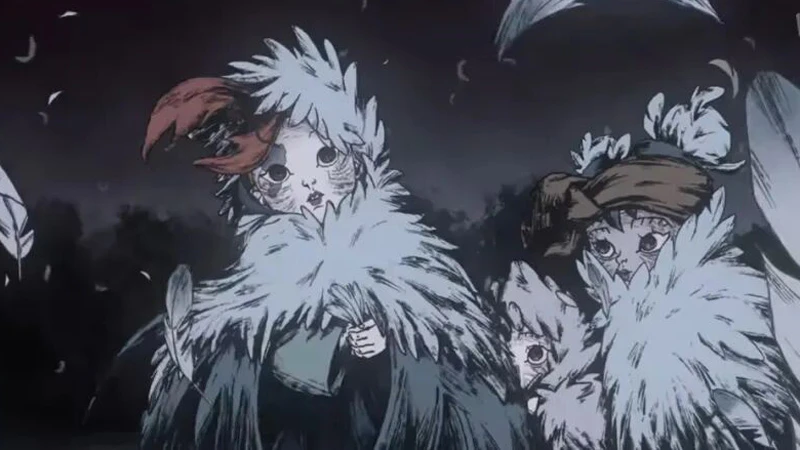
What does it mean to hold onto innocence in a world designed to crush it? The animated short The Great Bird, part of the acclaimed anthology Yao-Chinese Folktales 2 (中国奇谭2), offers no easy answers. Directed by Du Pengpeng (杜鹏鹏), this piece stands apart. It is not a comforting, warm tale of Guochao (国潮) aesthetics, but rather a somber, magical-realist fable wrapped in the visual language of traditional Chinese art. Set against the backdrop of a war-torn, occupied region known as Zenan (泽南), the story follows two marginalized souls. Their struggle is not for glory, but for the preservation of a fragile, personal light in overwhelming darkness. Without resorting to sentimentality, every frame of this film conveys a profound, aching melancholy that lingers long after the screen goes dark. Two Souls, One Refuge The film's heart lies in the quiet, desperate guardianship between a young girl, Zhen'er (珍儿), and an older man, Bao Shan (保山). Orphaned and marked by a facial birthmark, Zhen'er lives a meager existence with only two ducks for company. Her sole purpose is collecting duck feathers, believing they are from a mythical Great Bird whose arrival will end her suffering. Bao Shan, a scarred former soldier with…- 25
- 0
-
What Lies Buried in the Desert Sands in Yao-Chinese Folktales 2 ?
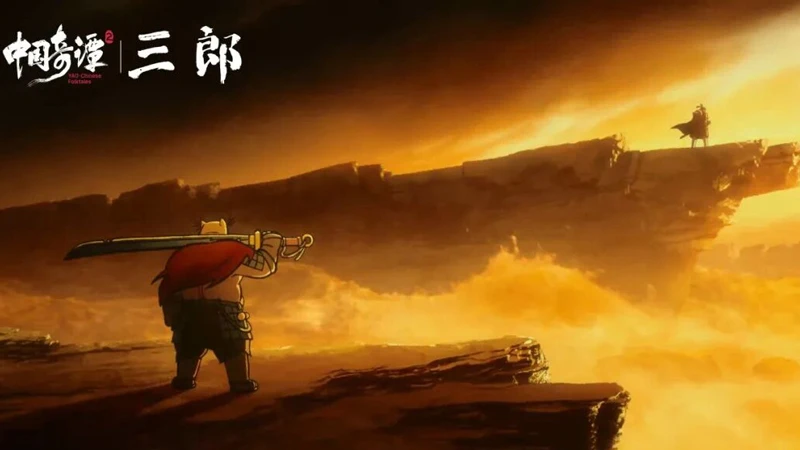
A solitary figure moves against a vast, amber expanse. This is the opening scene from Yao-Chinese Folktales 2 (中国奇谭2), in the episode titled Sanlang (三郎). There are no sprawling cities or intricate political plots here, only a lone swordsman, a dutiful camel, and a haunting forest of Hu Yang (胡杨) trees in the desert. The narrative strips away everything but the essence of a personal quest, one that begins with a declaration steeped in Wuxia (武侠) tradition: "The world's greatest fighter does not kill a nameless opponent." This statement sets a man on a path not just through physical terrain, but into the deepest recesses of his own purpose. The Swordsman's Quest He is a man defined by a single, consuming goal: to challenge and defeat the reigning champion. To signify his total commitment, he gives his own name, Sanlang, to his camel, vowing to reclaim it only when he returns victorious. In a roadside inn, he faces ridicule but also accepts a final request from the keeper—to find a missing daughter in the desert. Armed with a cured leg of mutton, a symbol of heritage and sustenance, and his blade, a tool for achieving fame, he enters the whispering…- 30
- 0
-
The Bond of Maternal Love in Xiao Xue
In the quiet chill of a new year, a small animated gem whispers a timeless truth about motherhood. The latest episode of the anthology series Yao-Chinese Folktales 2 (中国奇谭2), titled "Xiao Xue (小雪)," unfolds not with epic battles or mythical beasts, but with the subtle, aching worry of a mother watching her child step into the world. Set against a backdrop that feels both vaguely historical and deeply familiar, this short film uses the language of strange ailments and supernatural diagnosis to explore the most human of conditions: the fear of letting go. A Mother's Silent Diagnosis The story begins with an old doctor, Qiu Rongchuan (邱容川), summoned to treat a boy’s peculiar illness. The child cannot stop turning somersaults. The doctor, employing acupuncture and prescribing herbal remedies, notes in his meticulous case log a diagnosis of "phlegm harassing the mind." Yet, the conventional treatment fails. The boy’s condition worsens until his mother, Cheng Xiaoxue (程小雪), whistles. He instantly grows still. This is the first clue that the malady is not purely physical. The house itself becomes a character—a confining space where the boy’s restless energy, perhaps a metaphor for youthful ambition or simply the need to grow, becomes a…- 33
- 0
-
How Xiao Xue Weaves a Silent, Felt-Tipped Tale of Letting Go
In the vast landscape of contemporary animation, a quiet storm has emerged from the second season of Yao-Chinese Folktales 2 (中国奇谭2). The latest episode, titled Xiao Xue (小雪), has captivated audiences not with epic battles or witty dialogue, but with its profound silence and tactile warmth. Directed by Chen Lianhua (陈莲华), this short film employs felt stop-motion animation to explore the intricate dance of love, expectation, and release within a Chinese mother-son relationship. Without a single spoken word, it delivers an emotional resonance that has left countless viewers reflecting on their own familial bonds, making it a standout piece of modern storytelling that feels both intimately personal and universally understood. A World of Wool The immediate charm of Xiao Xue lies in its meticulous craft. The choice of felt, a material shaped by persistent molding and care, becomes a powerful metaphor for the central relationship. The mother’s hands smoothing ointment, the precise folds in the child’s clothing, the glowing lanterns—each detail is rendered with a tangible, textured love. This softness visually cushions the story’s more poignant themes, inviting the viewer into a world that feels handmade and heartfelt. This material is placed against backgrounds with the fluid elegance of ink…- 27
- 0
-
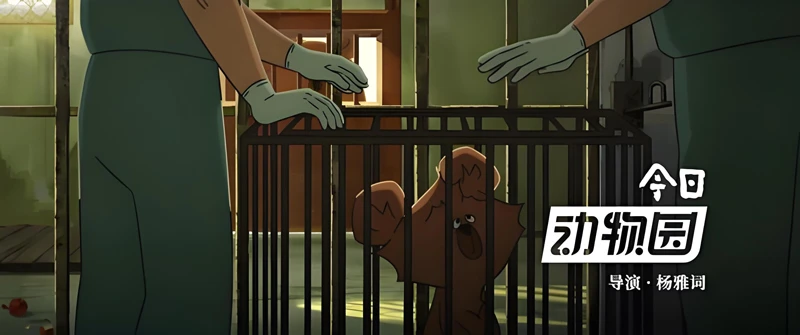
Yao-Chinese Folktales 2: Zoo Today – Between Cages and Dreams
The latest episode of the animated anthology Yao-Chinese Folktales 2 (中国奇谭2) isn't about mythical beasts or ancient legends. Titled Zoo Today, it presents a modern urban zoo where the cages hold more than animals—they contain mirror images of our own lives. Stripped of fantasy, the story uses its animal inhabitants to sketch vivid, uncomfortably familiar portraits of contemporary existence. From the anxious office worker to the nostalgic retiree, each character embodies a specific societal role and its inherent constraints. This narrative has sparked widespread recognition, not for its visual spectacle, but for its piercing accuracy in depicting the quiet struggles and resigned compromises that define daily life for so many. Life Stories Hidden in These Animals This is not a zoo, but a living portrait of our time. Within these enclosures, the animals do not merely exist—they strive, they dream, they despair. Their cages are built not only of iron bars, but of economic necessity, transferred expectations, and the crushing weight of daily survival. Each creature embodies a modern dilemma: the gorilla running just to stay in place, the tiger parents scripting their cub’s future, the giraffe aiming only for a better cage. Their struggles lay bare the quiet negotiations…- 65
- 0
-
Ear Dweller: The Inner Demon in Yao-Chinese Folktales 2
If you were captivated by the enigmatic beauty of Goose Mountain (鹅鹅鹅) from Yao-Chinese Folktales 2 (中国奇谭2), then its spiritual successor, Ear Dweller, demands your attention. Directed by the same visionary, Hu Rui (胡睿), this short film continues to carve a distinct niche within the anthology, one defined by silent storytelling, symbolic depth, and a hauntingly beautiful aesthetic that challenges viewers to look inward. While some find its narrative elusive, the key lies not in deciphering a literal plot, but in understanding the internal landscape of its protagonist. This isn't a ghost story about an external monster; it's a psychological portrait of a battle waged within the confines of one's own mind. A Lantern in the Dark The tale begins with a scholar, exhausted by his studies, glimpsing a strange little creature holding a lantern marked with the character for "rain". This moment is the seed of everything that follows. The scholar's subsequent discovery of a mystical Tianshu (天书), or "Heavenly Book," grants him the power of clairaudience, but with a stern warning: use it only to help others, never for personal gain. He ignores this decree. Drawn by a beautiful melody, he uses his new ability to eavesdrop on…- 33
- 0
-
Beyond the Bars: Which Cage Do You Call Home?
The short film Zoo Today (今日动物园) presents a deceptively simple stage. Within the fences and faux rocks, a microcosm of human society plays out, its drama performed not by actors but by animals. A young bear contemplates a career change, a tiger father drills his cub, and an elephant boasts of past fame. Their dilemmas, narrated through candid interviews, strip away human pretension to expose the raw anxieties of modern life: ambition versus security, purpose versus comfort, and the eternal search for a place to belong. This is not a story about wildlife; it is a mirror held up to every viewer navigating the concrete jungles of their own existence. The Bear's Dilemma At the heart of the narrative is a young bear. His enclosure has grown quiet and overlooked since his esteemed uncle left. Faced with dwindling attention and resources, he makes a bold application to transfer to the circus performance division. This move sends ripples through the zoo's community. For the bear, it is a leap into the unknown—a chance for greater rewards but also the certainty of harder work and physical risk, symbolized by the daunting fire hoop. His mother worries, embodying the generation that prizes stability…- 24
- 0
-
Yao-Chinese Folktales 2: How to Become Three Dragons
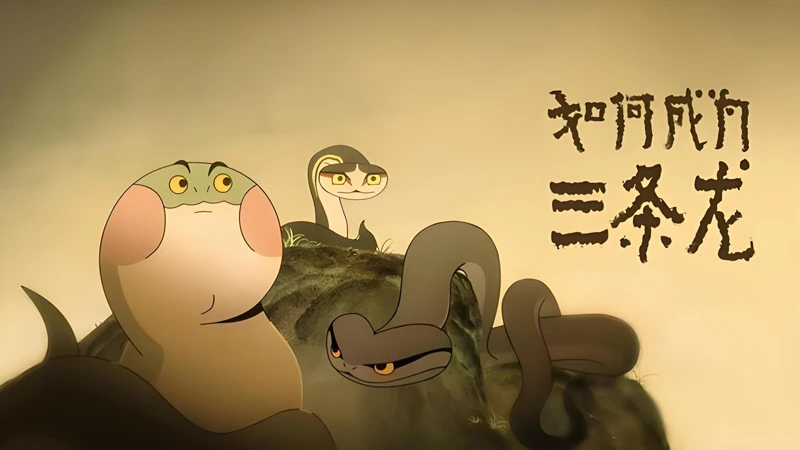
The first day of 2026 brought a new episode of the animated anthology Yao-Chinese Folktales 2 (中国奇谭2). Like many, I had enjoyed the first season, yet its stories faded from memory too quickly. This time, I decided to do more than just watch. The tale of the three snakes presented a simple fable, but one that clung to the mind long after the screen went dark. It asks a profound question: what defines a dragon? Is it the celestial mandate, the horns and the majesty, or is it something earned through grit and sacrifice on the dusty earth? This story, set against a drought-stricken village and a forbidding mountain, offers a quiet, powerful answer. A Hopeless Quest The three brothers—a pragmatic leader, a chatty second, and a simple, kind-hearted third—begin their journey with a clear, almost naive goal. They are not mighty. They are small snakes surviving on stolen offerings from villagers praying to the Dragon King for rain. The eldest understands a cruel truth: people worship power that solves problems. Their reverence for the Dragon King stems not from love, but from a desperate need for his rain. So, the snakes embark on a pilgrimage to learn this divine…- 1.5k
- 0
-
A Deep Dive into Yao-Chinese Folktales 2’s Ear Dweller
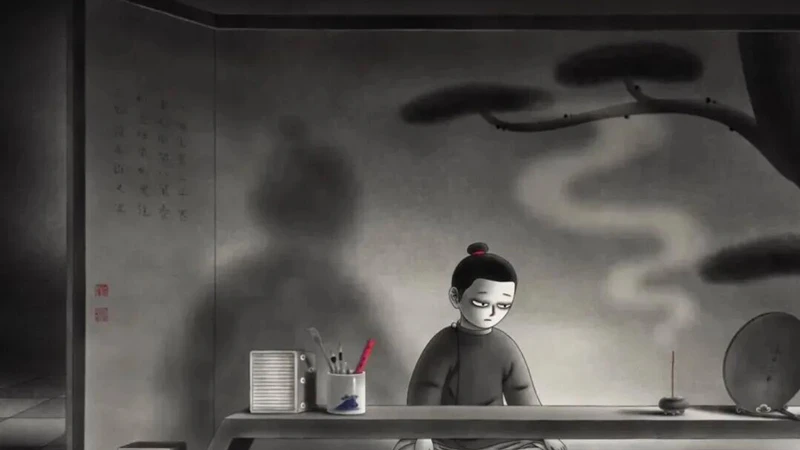
The second episode of the animated anthology Yao-Chinese Folktales 2 (中国奇谭2) , titled "Ear Dweller (耳中人)," presents a puzzle. It is not a straightforward narrative but a dense, visual poem about desire. While its sibling episode "How to Be Three Dragons" deals with communal aspiration, this story turns inward. It asks what happens when a lonely heart fixates on an impossible fantasy. The tale is an adaptation, yet it boldly reimagines its source to probe the darker corners of longing. At its core, it is a portrait of obsession—how it begins as a whisper and grows into a scream that drowns out the real world. A Seed from Strange Tales The story finds its roots in Strange Tales from a Chinese Studio (聊斋志异). The original is brief: a scholar named Tan Jinxuan (谭晋玄), obsessed with Daoyin (导引) breathing exercises, hears a tiny person speaking in his ear. He coaxes it out, only for a neighbor’s interruption to scare it away. The scholar then falls into madness. This classical tale serves as a clear warning against excessive fixation, or what Buddhism calls Wo Zhi (我执), the attachment to self. The animated version takes this seed and plants it in richer, more…- 76
- 0
❯
Profile
Check-in
Message
Message
Search
Contact Us
Scan to open current page
Top
Checking in, please wait
Click for today's check-in bonus!
You have earned {{mission.data.mission.credit}} points today!
My Coupons
-
$CouponsLimitation of use:Expired and UnavailableLimitation of use:
before
Limitation of use:Permanently ValidCoupon ID:×Available for the following products: Available for the following products categories: Unrestricted use:For all products
No available coupons
Daily tasks completed: